

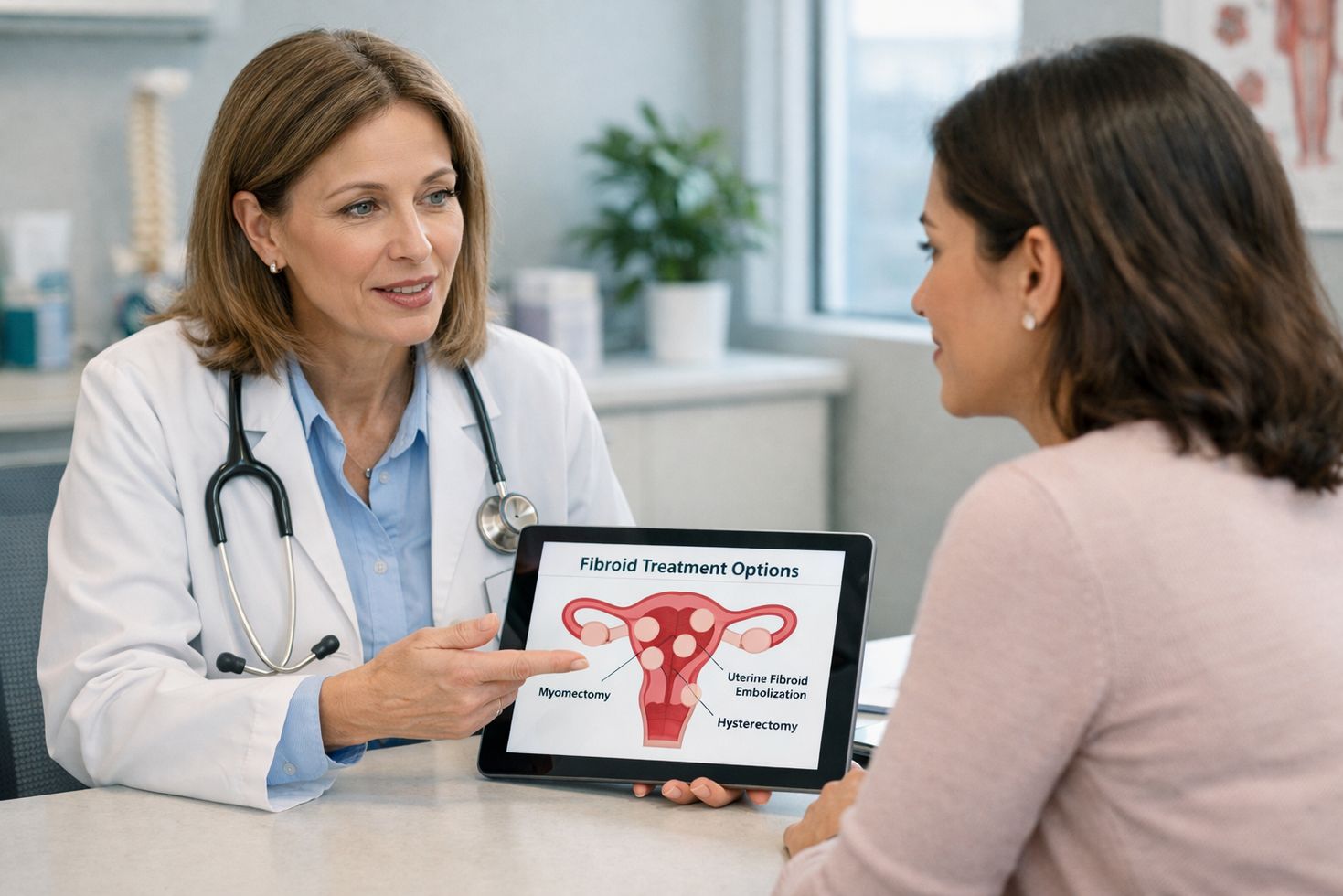
A fibroid operation is often something people start researching when symptoms begin to affect daily life or when a doctor recommends a closer look at treatment options. Uterine fibroids are common, and not every fibroid needs surgery. In many cases, the right next step depends on how severe symptoms are, where the fibroids are located, how large they are, whether pregnancy is a goal, and what a full medical evaluation shows.
This article is designed to help you understand the main procedure options, from uterus-preserving treatments to hysterectomy, in a clear and supportive way. Rather than assuming one approach is best for everyone, it explains how doctors weigh factors like bleeding, pain, pressure symptoms, and overall health when discussing possible treatment plans.
You will also learn what to expect around recovery, possible risks, who may be a candidate for different procedures, and which questions can help guide a conversation with a specialist. The goal is to make the decision process easier to follow, so you can better understand your options before choosing a fibroid operation.
Why people consider a fibroid operation
People may seek evaluation for a fibroid operation because of heavy menstrual bleeding, pelvic pressure, pain, frequent urination, concerns about fertility, or changes that suggest a fibroid should be assessed more closely. These symptoms can have different causes, so treatment decisions are typically based on medical history, imaging, and a personalized review of goals and symptoms.
What Is a Fibroid Operation?
A fibroid operation is a procedure used to treat uterine fibroids when they cause symptoms or affect quality of life. In plain language, it can mean more than one kind of treatment: some procedures remove fibroids, some shrink them, and some block the blood supply that helps them grow. This is different from watchful waiting, where a doctor monitors fibroids without active treatment if symptoms are mild or absent.
The term can also cause confusion because not every treatment has the same goal. Some procedures are designed to relieve heavy bleeding, pelvic pressure, or pain while preserving the uterus. Others are more definitive and may involve removing the uterus entirely. Reviewing uterine fibroid treatment options at West Medical can help show how different approaches fit different needs.
Treatment goals can differ
Fibroid surgery in the uterus is not one-size-fits-all. Some people mainly want symptom relief, such as less bleeding or less pressure. Others want to keep the uterus because of personal preference or future pregnancy plans. In some cases, a patient may prefer a definitive solution if fibroids are large, recurring, or causing major disruption. The best choice often depends on age, symptoms, overall health, and reproductive goals.
Why size and location matter
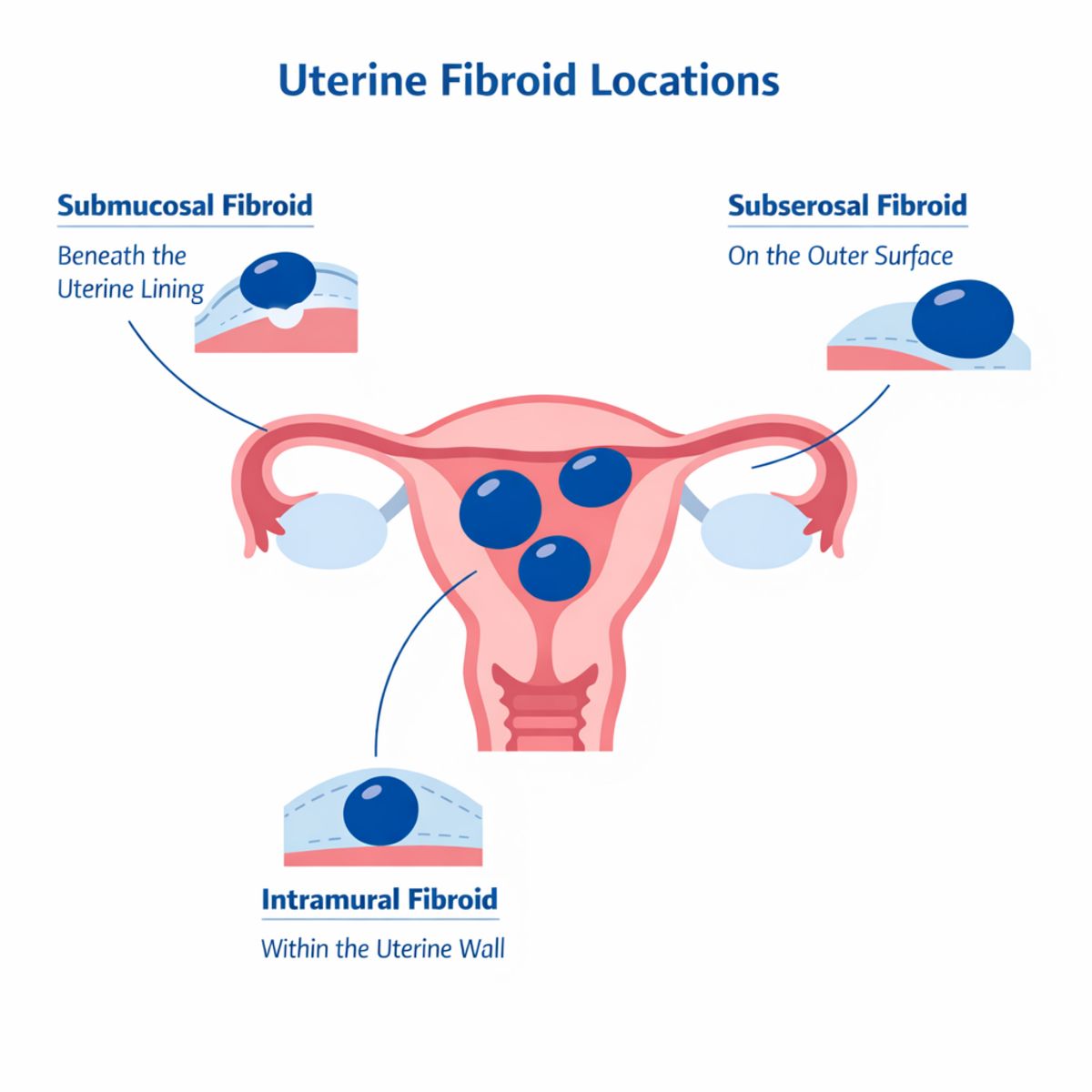
Fibroid size, number, and location strongly influence treatment choice. Submucosal fibroids grow toward the inner lining of the uterus and often contribute to heavy bleeding. Intramural fibroids grow within the uterine wall and may enlarge the uterus or cause pressure. Subserosal fibroids grow outward and can press on nearby organs. These patterns help determine symptoms, how a procedure is performed, and whether the goal is monitoring, shrinking fibroids, removing them, or removing the uterus.
Types of Fibroid Operations and How They Compare
There is no single best operation for fibroids. The right choice depends on symptoms, fibroid size and location, whether the uterus should be preserved, and how strongly future pregnancy matters to the patient. In many cases, a uterine fibroid 3cm may not need surgery at all if symptoms are mild, while a large fibroid uterus can require more detailed planning because access, bleeding risk, and recovery needs may differ.
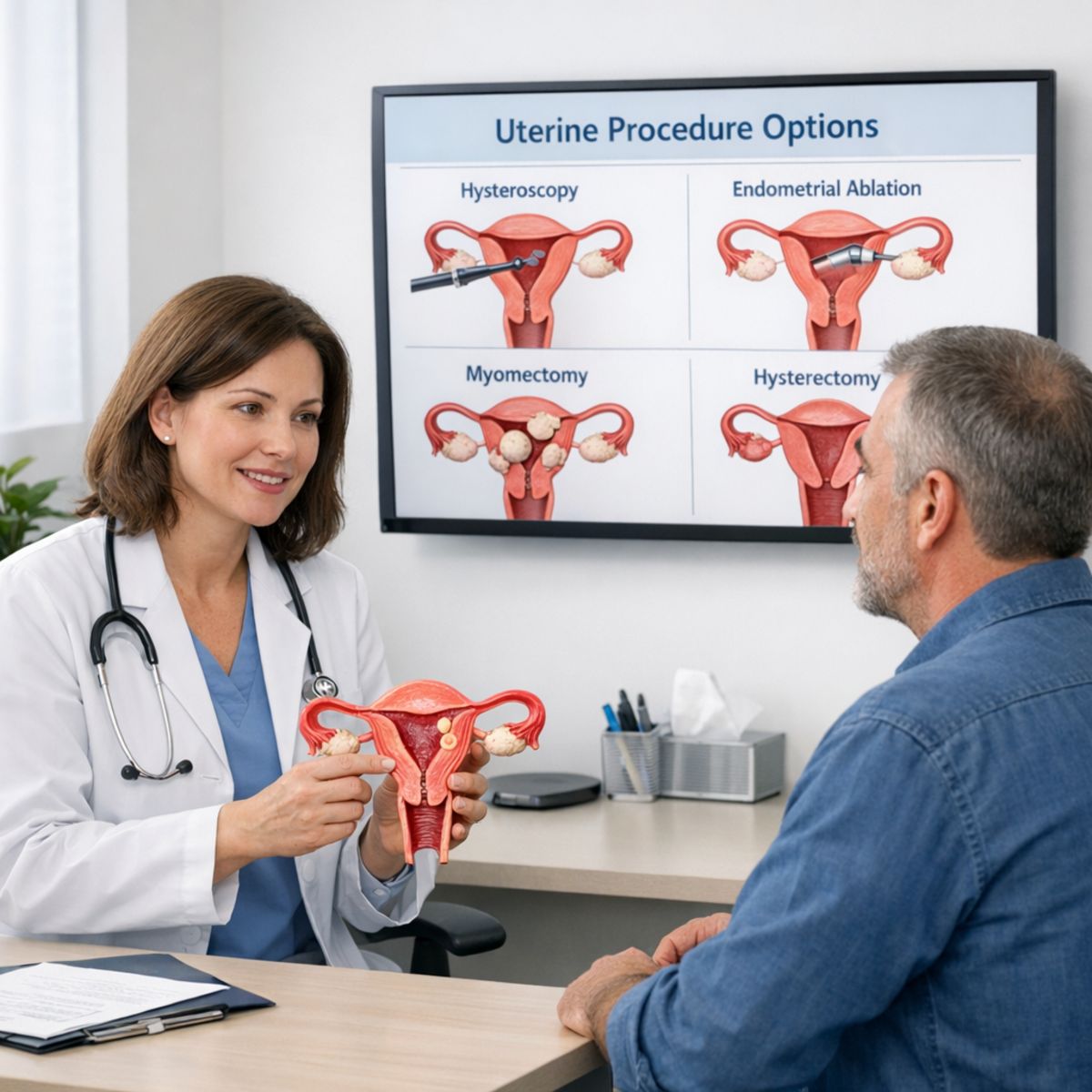
At a high level, the main difference between options is what they are designed to do. Some procedures remove fibroids and keep the uterus in place. Others remove the uterus entirely. Still others aim to shrink or disable fibroids without traditional open surgery. A specialist may compare these targeted fibroid therapy treatment options based on symptom relief goals, recovery time, and the number and position of fibroids.
Myomectomy: removing fibroids while preserving the uterus
Myomectomy removes fibroids while leaving the uterus in place, so it may be considered when uterus preservation is important. This can be relevant for people who want to maintain fertility potential or simply prefer not to have the uterus removed. However, preserving the uterus does not guarantee that every fibroid can be treated the same way, and it does not prevent new fibroids from developing later.
The approach depends on where the fibroids are located:
- Abdominal myomectomy uses a larger incision and may be best for multiple fibroids, very large fibroids, or a large fibroid uterus.
- Laparoscopic myomectomy uses small incisions and may be considered for selected fibroids that can be safely reached this way.
- Robotic myomectomy is a minimally invasive variation that may help with precision in certain cases, though candidacy still depends on fibroid anatomy.
- Hysteroscopic myomectomy treats fibroids that project into the uterine cavity and is performed through the cervix without abdominal incisions.
In general, the more numerous, deeper, or larger the fibroids are, the more likely the surgical plan may shift toward a more involved approach. That is why one patient may be a candidate for hysteroscopic or laparoscopic treatment, while another may need abdominal surgery.
Hysterectomy: a definitive surgical option
Hysterectomy removes the uterus. Because fibroids grow in the uterus, this is considered a definitive option for uterine fibroids. It may be considered when symptoms are severe, fibroids are very large or recurrent, or when uterus preservation is not a goal. The main tradeoff is that pregnancy is no longer possible after hysterectomy.
Compared with myomectomy, hysterectomy removes the source of fibroid recurrence in the uterus, but it is also a bigger decision from a reproductive and personal standpoint. Depending on anatomy and medical history, hysterectomy may be performed through minimally invasive techniques or through an abdominal incision.
Targeted and minimally invasive alternatives
Not every patient needs a traditional fibroid operation. In some cases, targeted therapies such as uterine artery embolization may be considered. These treatments work differently from surgery, often by reducing blood flow to fibroids so they shrink over time. Other minimally invasive options may also be discussed depending on fibroid type, symptoms, and imaging findings.
These alternatives may be best for selected patients who want symptom relief with a different recovery profile, but they are not universal replacements for myomectomy or hysterectomy. The reason one option may be recommended over another often comes down to fibroid location, symptom severity, fertility goals, and what outcome matters most to the patient.
When a Fibroid Operation May Help
A fibroid operation may help when symptoms are persistent, disruptive, or affecting day-to-day life. Not all fibroids need surgery, and many people can be monitored without intervention. But for some patients, treatment can improve comfort, reduce bleeding, and make it easier to return to normal activities. The decision usually depends on symptom severity, fibroid size and location, reproductive plans, and overall health.
People often consider intervention when heavy periods lead to fatigue or anemia, when pelvic pressure creates a constant sense of fullness, or when fibroids contribute to pain, urinary frequency, constipation, or other bulk-related symptoms. In these situations, a fibroid operation may help by addressing the source of the problem rather than only managing symptoms temporarily. Even so, the degree of relief can vary based on the procedure chosen and the number and type of fibroids present.
Potential symptom relief
For appropriate candidates, treatment can improve heavy bleeding, pelvic pressure, abdominal bloating, and discomfort during daily activities or exercise. Some patients also notice less urinary urgency or frequency if fibroids were pressing on the bladder. Improvement may happen gradually rather than all at once, and recovery timelines differ depending on whether the procedure is minimally invasive or more extensive. A specialist can help explain what symptom changes may be realistic in your specific case.
Fertility and uterus-preserving goals
Some patients explore treatment because fibroids may be affecting fertility discussions or future pregnancy planning. In those cases, the potential benefit is often tied to fibroid location, size, and whether the uterus can be preserved. However, outcomes are individual, and no procedure can guarantee pregnancy or symptom resolution. A careful evaluation can help clarify whether intervention may support your goals and whether the expected benefits outweigh the risks.
In general, surgery is most worth discussing when symptoms are ongoing, quality of life is declining, or conservative measures are no longer enough. A personalized review with a fibroid specialist can help determine whether treatment is appropriate and which option may offer the most meaningful improvement.
How to Prepare for a Fibroid Operation Consultation
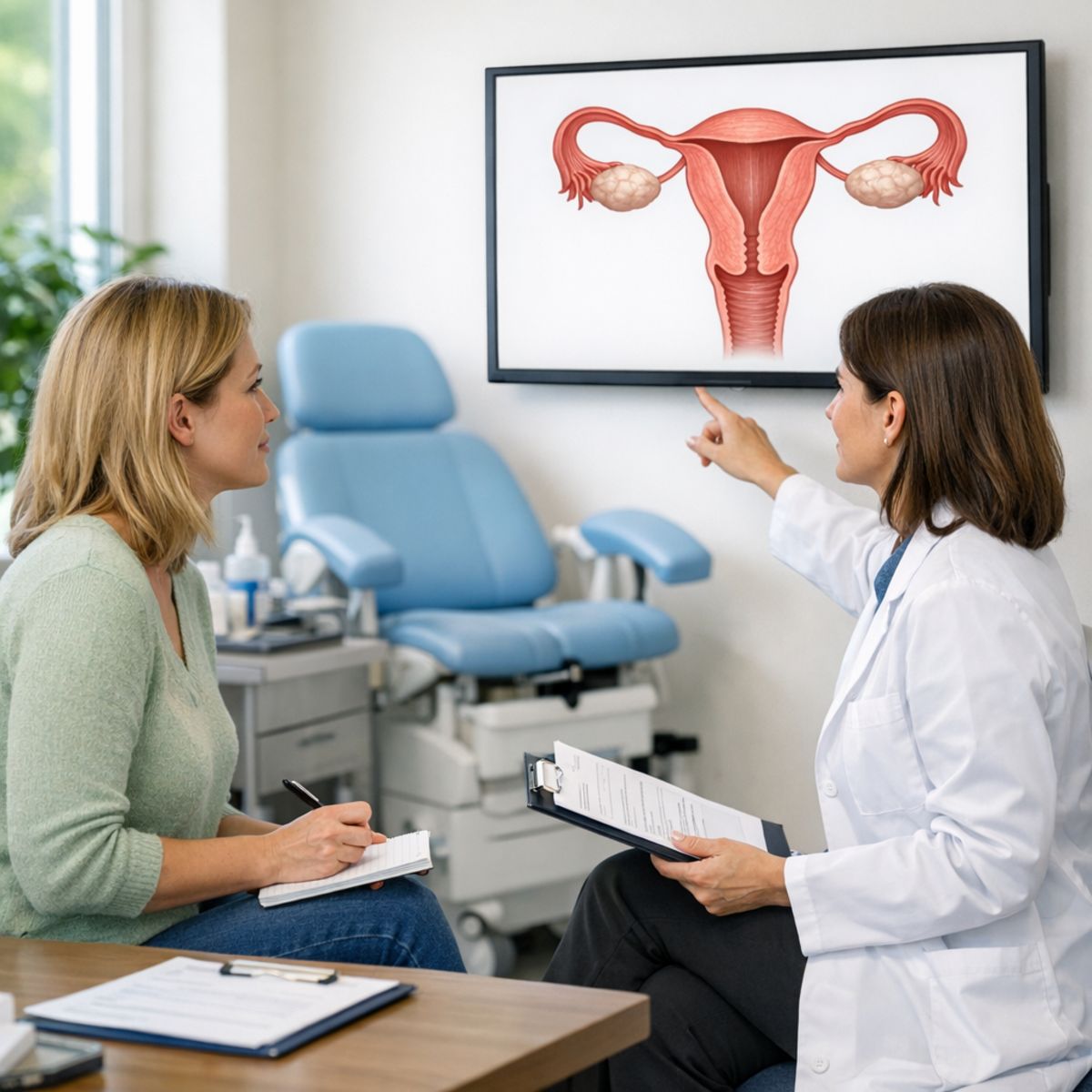
Preparing ahead of time can make a consultation feel more productive and less overwhelming. If you are discussing a fibroid operation, a little organization can help you explain your symptoms clearly, understand your options, and leave with a better sense of next steps. Use the steps below to prepare for evaluation and decision-making in a practical, low-stress way.
Step 1: Track symptoms and cycle patterns
Start by writing down what you have been experiencing. Include how heavy your bleeding is, whether you pass clots, how long your periods last, and whether bleeding happens between cycles. It can also help to note pelvic pressure, bloating, urinary frequency, constipation, back pain, or cramping. Be specific about how symptoms affect daily life, such as missed work, poor sleep, exercise limits, or fatigue. A simple timeline or phone note can make patterns easier to describe during the visit.
Step 2: Gather imaging and medical history
Bring any records you already have, especially ultrasound or MRI reports, recent lab work, and notes from prior gynecologic visits. Make a current medication list that includes prescriptions, supplements, and iron. It is also useful to mention anemia, prior surgeries, pregnancies, and any fertility goals you want considered. If you have had previous procedures or treatments for fibroids, summarize what was done and whether it helped. Keeping everything in one folder or digital file can save time and improve clarity.
Step 3: Ask about options, risks, and recovery
Prepare a short list of questions so you do not forget them in the moment. You might ask which procedure type is being considered, whether a minimally invasive approach is possible, how treatment could affect fertility, and what the hospital stay may involve. It is also reasonable to ask about recurrence risk, expected benefits, possible complications, and what recovery from fibroid surgery typically looks like. Shared decision-making works best when you understand both the likely outcomes and the tradeoffs of each option.
A consultation is also a good time to discuss your overall health, including blood pressure, other medical conditions, allergies, and any concerns about anesthesia or healing. The goal is not to have every answer before you arrive, but to bring enough information to support an informed, realistic conversation.
What to Expect Before, During, and After the Procedure
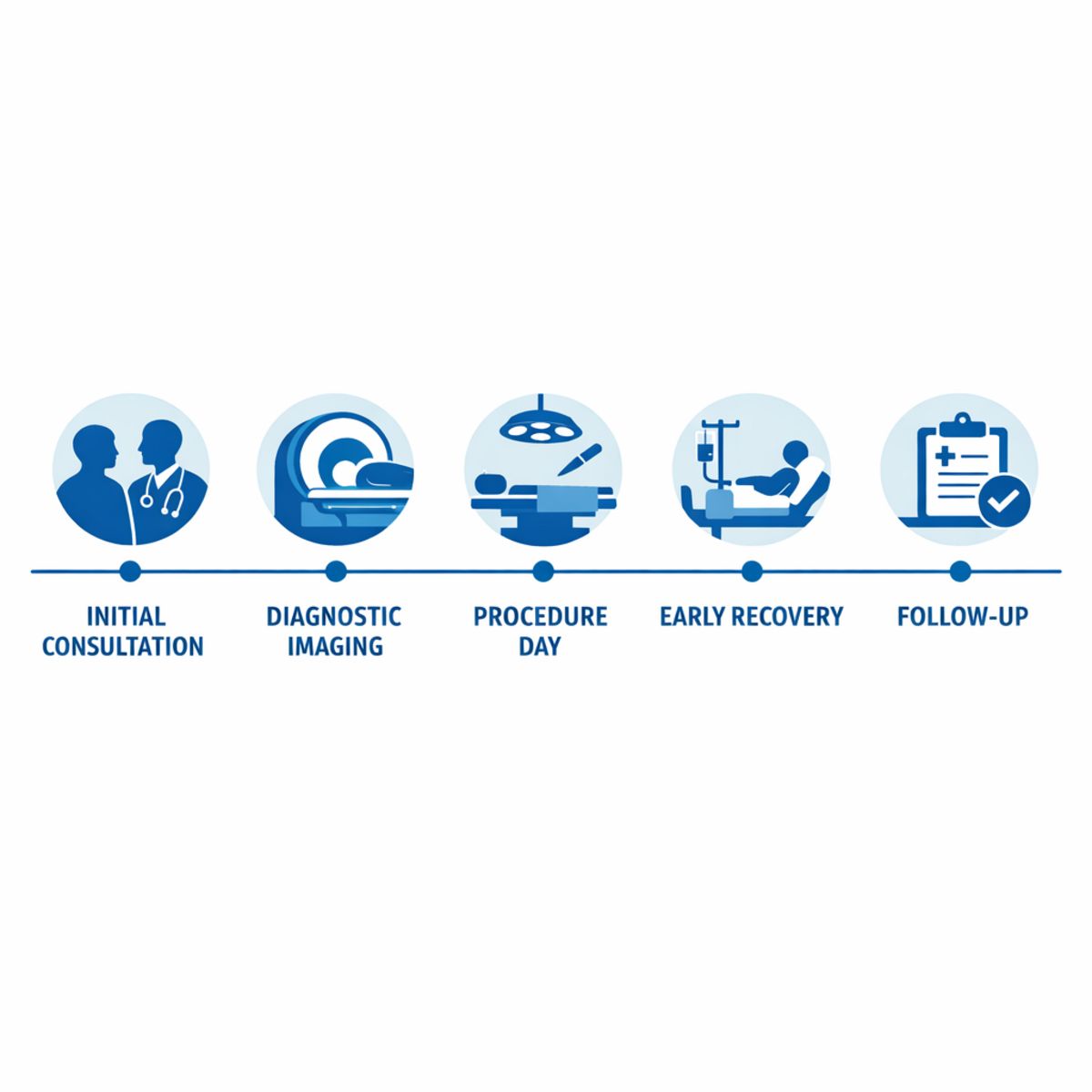
Knowing the general timeline can make treatment feel more manageable. While the exact steps depend on the procedure your care team recommends, most patients move through a similar process: evaluation and planning, procedure day, then early recovery and follow-up. If you are exploring targeted fibroid therapy at West Medical, your team will explain what applies to your specific symptoms, anatomy, and goals.
Before the procedure
The process usually starts with a consultation, imaging review, and treatment planning. Your provider may look at ultrasound or MRI results, review your symptoms, discuss past treatments, and talk through whether preserving the uterus or addressing fertility goals matters in your case. Pre-op testing may include lab work, a medication review, and instructions about when to stop eating, drinking, or taking certain medicines before the procedure. This planning stage helps your care team choose the safest and most effective approach for your situation.
During the procedure
On procedure day, the details vary based on the treatment being performed. Some options are minimally invasive and may involve smaller incisions or no external incisions at all, while others are more involved. Anesthesia also depends on the approach and may range from sedation to general anesthesia. Your care team will review what to expect before you begin, including how long the procedure may take and whether you are likely to go home the same day or stay in the hospital for observation. In some cases, tissue may be sent for pathology review when relevant.
After the procedure
After treatment, you will spend time in recovery while your team monitors pain control, bleeding, and how you are waking up from anesthesia or sedation. Some patients are discharged the same day, while others may need a short hospital stay depending on the procedure and their overall condition. Before you leave, you should receive instructions about activity limits, bathing, driving, medications, and when to call with concerns. Follow-up visits are important for checking healing, reviewing symptom improvement, and making sure your recovery is progressing as expected.
Risks, Recovery, and Cost Factors to Discuss
When comparing treatment options for fibroids, many people want to understand three practical issues: how recovery may feel, what risks should be discussed, and what can influence overall cost. These are important questions, and the answers often depend on the type of procedure, the size and location of the fibroids, your health history, and your goals for symptom relief or future fertility.
Recovery timelines vary by approach
Recovery is not the same for every approach. In general, hysteroscopic procedures and some non-incisional targeted treatments may involve a shorter return to normal activities than abdominal surgery. Laparoscopic or robotic approaches are also often associated with less downtime than open surgery, but recovery still varies from person to person. Abdominal procedures may require a longer healing period because of the larger incision and the extent of surgery. Your surgeon can help you understand what level of activity, pain control, and follow-up may be realistic in your case.
Questions to ask about risks and recurrence
All procedures carry risks, and it is reasonable to ask for a clear explanation of the most relevant ones. Depending on the treatment, possible concerns may include bleeding, infection, scar tissue or adhesions, injury to nearby structures, or the need for additional treatment later. Some procedures remove existing fibroids but do not prevent new fibroids from developing, so recurrence can also be part of the discussion. If pregnancy is a future goal, ask how a specific treatment could affect the uterus, timing for conception, or delivery recommendations.
What can affect cost
Cost can vary widely based on the procedure itself, the surgeon’s fees, the facility or hospital setting, anesthesia, imaging, pathology or lab work when applicable, and the complexity of treatment. Follow-up visits, medications, and recovery needs may also affect the total expense. Insurance coverage can differ by plan and by medical circumstances, so it is best to request a detailed estimate and ask which parts of care may be billed separately.
How Fibroid Size and Location Influence Treatment Choices
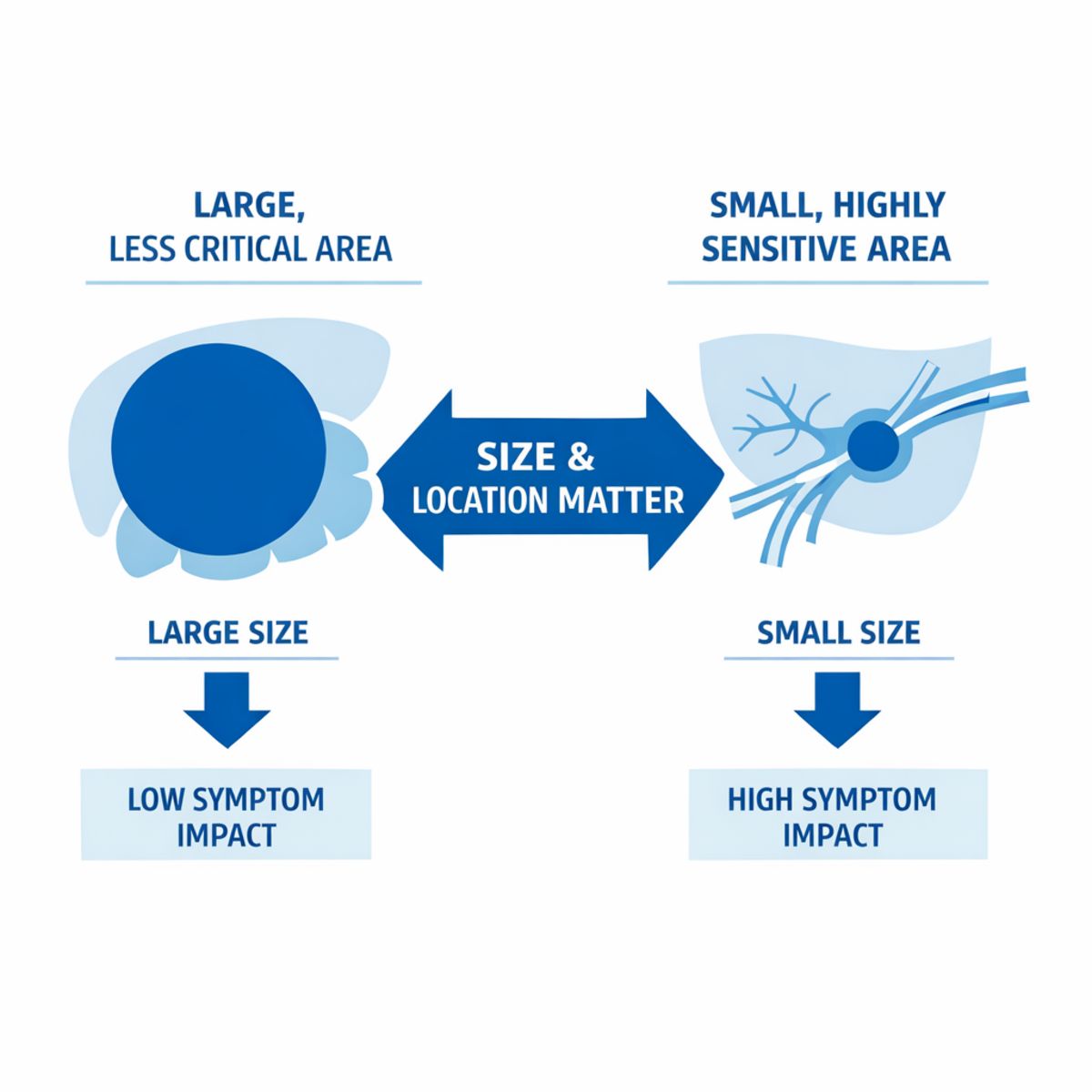
People often search for a fibroid sizes chart or ask whether a uterine fibroid 3cm is considered serious. The short answer is that size matters, but it does not determine treatment by itself. A 3 cm fibroid may cause few issues in one person and significant symptoms in another depending on where it sits in the uterus.
Why size is only part of the picture
A smaller fibroid inside the uterine cavity may lead to heavy bleeding, while a larger fibroid on the outer wall may cause pressure, bloating, or urinary symptoms instead. A large fibroid uterus can also affect procedure planning, access route, and recovery expectations. That is why imaging-based evaluation is more useful than self-diagnosis or comparing numbers alone.
Frequently Asked Questions About Fibroid Operations
Is a fibroid operation always necessary?
No. Many fibroids do not need surgery and can be monitored when symptoms are mild or absent. Treatment is more often discussed when fibroids cause ongoing heavy bleeding, pelvic pain, pressure symptoms, anemia, or concerns about fertility, depending on your overall evaluation.
What is the best surgery for fibroids in the uterus?
There is no single best surgery for everyone. The right option depends on the size, number, and location of the fibroids, how severe symptoms are, and whether preserving the uterus is important. A specialist can explain which approach best fits your goals and medical needs.
How long is recovery from fibroid surgery?
Recovery time varies by procedure. Less invasive treatments often involve shorter downtime, while abdominal surgery may require a longer healing period. Your expected recovery also depends on your general health, the extent of treatment, and whether there were any additional findings during the procedure.
Can fibroids come back after surgery?
Yes, fibroids can return after procedures that remove fibroids but leave the uterus in place, because new fibroids may develop over time. Hysterectomy removes the uterus, so uterine fibroids do not recur after that operation. Follow-up recommendations depend on symptoms, age, and treatment history.
Can a 3 cm fibroid need treatment?
Yes, a 3 cm fibroid can still need evaluation or treatment if its location causes heavy bleeding, pain, pressure, or fertility-related concerns. Size alone does not determine the need for care. Symptoms, fibroid position, and your reproductive plans all help guide the next step.
When to Talk With a Specialist About Your Options
If heavy bleeding, pelvic pressure, pain, or fertility concerns are affecting your daily life, it may be time to speak with a specialist about your options. A consultation can help clarify what may be contributing to your symptoms and what next steps make sense for you.
A specialist can review your imaging, symptoms, and personal goals to recommend an individualized plan. Whether you are looking for symptom relief, answers about treatment choices, or guidance for future family planning, personalized support can help you make informed decisions with confidence.
Get personalized guidance
If treatment decisions feel unclear or your symptoms are persistent, scheduling a consultation can be a helpful next step.
Key Takeaways on Fibroid Operation Options
Fibroid operation options are not one-size-fits-all, and not every fibroid needs surgery. For some people, monitoring may be appropriate, especially when fibroids are small or not causing significant symptoms. When treatment is needed, the best approach depends on several factors, including fibroid size, location, symptom severity, overall health, and whether preserving the uterus or future fertility is important.
In general, myomectomy removes fibroids while keeping the uterus in place, which may be important for reproductive goals. Hysterectomy removes the uterus and is typically considered a definitive solution for fibroids when childbearing is no longer desired. Other targeted or minimally invasive options may focus on shrinking or treating fibroids with less recovery time, though they may not be right for every situation. Each option comes with different benefits, limitations, and recovery considerations.
A personalized plan matters
The right treatment plan should reflect your anatomy, symptoms, medical history, and personal goals. Because results and recommendations can vary from person to person, a specialist evaluation can be especially helpful if symptoms persist or if you feel unsure about the next step. With clear information and individualized care, you can make a confident, informed decision that supports your health and future plans.