


The orthopedic meaning is the branch of medicine focused on the musculoskeletal system: the bones, joints, muscles, ligaments, and tendons that help your body move and stay stable. In plain terms, orthopedic care is about diagnosing, treating, and helping prevent problems that affect movement, comfort, and everyday function.
A simple orthopedic definition is care for injuries, wear-and-tear conditions, and structural issues involving the body’s support and movement system. Orthopedic specialists may evaluate pain, stiffness, weakness, swelling, limited range of motion, or injuries caused by sports, work, aging, or daily activity.
This includes common concerns such as joint pain, tendon irritation, ligament injuries, fractures, arthritis, and muscle strain. It also covers shoulder-related problems like rotator cuff injuries, shoulder instability, and pain that makes lifting, reaching, or sleeping uncomfortable.
In the rest of this article, you’ll find a clear breakdown of what orthopedic specialists do, the conditions they treat, the tests they may use, and what next steps can look like if symptoms are affecting your daily life.
What Does Orthopedic Mean in Medicine?
In medicine, the orthopedic definition refers to the specialty focused on the musculoskeletal system. In plain language, that means the parts of the body that help you move, stay stable, and maintain alignment every day. Orthopedics is concerned with how your body works when you walk, lift, bend, reach, grip, stand, or rotate a joint. When those structures are injured, worn down, inflamed, unstable, or no longer functioning well, orthopedic doctors evaluate the cause and recommend treatment based on your specific condition.
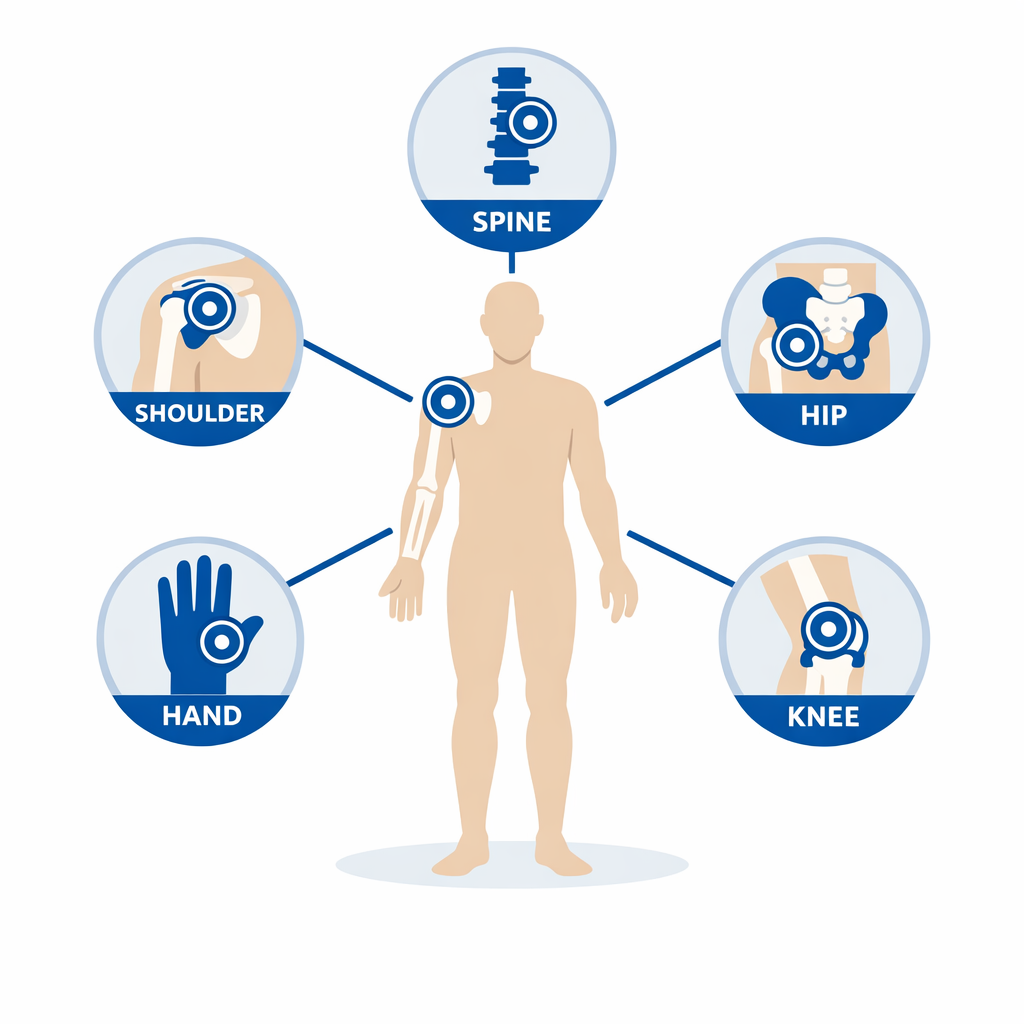
The musculoskeletal system includes more than just bones. It also involves joints, cartilage, muscles, tendons, ligaments, and certain nerves related to movement and function. Because all of these structures work together, a problem in one area can affect mobility, strength, balance, and comfort in another. That is why orthopedics may address issues in the shoulder, knee, hip, spine, hand, foot, or other areas that support motion and stability.
What parts of the body orthopedics covers
Orthopedics focuses on the structures that make movement possible and keep the body supported. For example, if it hurts to raise your arm, walk across a room, climb stairs, or turn your neck, the issue may involve a joint, tendon, ligament, muscle, or related structure. Orthopedic specialists look at how these parts work together during real-life activities, not just where pain is felt.
- Bones that provide structure and support
- Joints that allow motion between bones
- Cartilage that cushions and protects joint surfaces
- Muscles, tendons, and ligaments that power and stabilize movement
- Nerves related to movement, coordination, and function
What orthopedic specialists actually do
Orthopedic doctors do more than treat pain alone. Their role is to identify what is affecting function, mobility, and joint health. That may include evaluating injuries, wear-and-tear conditions, instability, stiffness, weakness, or loss of function. They often review symptoms, perform a physical exam, assess movement patterns, and may use imaging such as X-rays or other studies to better understand the problem.
From there, treatment may involve activity changes, rehabilitation guidance, bracing, medication recommendations, injections, or procedures when appropriate. This is one reason orthopedics is different from general pain care: the focus is on the underlying musculoskeletal issue and how to improve function over time. If you want to learn more about orthopedic care services at West Medical, that can provide a clearer picture of how this specialist field supports mobility and recovery.
Why Orthopedic Care Matters for Pain, Function, and Mobility
Orthopedic care matters because it can help people understand why they hurt, feel stiff, or struggle with everyday movement. Rather than treating symptoms blindly, an evaluation is meant to connect pain, weakness, swelling, or limited mobility to a likely cause. For patients dealing with shoulder discomfort, reduced range of motion, or difficulty lifting the arm overhead, that clarity can make the next steps feel more manageable and less uncertain.
A timely assessment may help identify whether symptoms are related to inflammation, overuse, instability, arthritis, tendon injury, or another structural issue. That matters because the most appropriate treatment often depends on the diagnosis. In many cases, care is conservative and stepwise, beginning with options such as activity modification, medication, guided exercise, or physical therapy. In other situations, imaging, injections, or procedures may be considered when symptoms persist or function continues to decline.
For many patients, the goal is not only pain relief but also better function. Orthopedic treatment may support more comfortable sleep, easier dressing, improved reaching, safer work tasks, and a return to exercise or sports when appropriate. If you are exploring shoulder orthopedic care at West Medical, it can be helpful to think of care as a path toward understanding the source of symptoms and building a plan that fits your needs.
The value of early evaluation
Getting symptoms checked earlier may help catch problems before compensation patterns, stiffness, or worsening irritation make recovery more difficult. Depending on the condition, early evaluation may help clarify whether the issue is temporary and likely to improve with non-surgical care or whether closer monitoring is needed.
Beyond pain relief: restoring daily function
Patients often measure progress by what they can do again: reaching into a cabinet, fastening a seatbelt, sleeping on one side, carrying groceries, or participating in work and recreation with more confidence. Individual outcomes depend on the diagnosis, severity of symptoms, and overall health status, but a thoughtful orthopedic plan is designed to support meaningful movement goals as well as comfort.

What Orthopedic Doctors and Clinics Commonly Treat
Orthopedic doctors and orthopedic clinics evaluate a wide range of musculoskeletal problems affecting joints, bones, muscles, tendons, ligaments, and cartilage. Some concerns begin suddenly after a fall, sports injury, or lifting incident, while others build gradually from repetitive motion, aging, or long-term wear and tear. In many cases, patients come in because of pain, swelling, stiffness, weakness, instability, or reduced movement that starts interfering with work, exercise, sleep, or everyday tasks.
Orthopedic care is not limited to one body area. Clinics often assess everything from shoulder pain and fractures to hip, knee, hand, foot, and spine-related issues. They may coordinate physical exams, imaging such as X-rays or MRI, rehabilitation planning, and follow-up care to better understand the cause of symptoms and guide treatment.
Injuries and overuse conditions
A large part of orthopedic medicine involves acute injuries and overuse conditions. Acute injuries can include fractures, dislocations, sprains, strains, and tendon tears that happen during sports, exercise, work, or daily activity. Overuse problems tend to develop more slowly. Repetitive lifting, throwing, reaching, typing, or overhead motion can irritate tendons and soft tissues over time, leading to pain that may worsen with activity. Tendon problems, instability, and repetitive-motion injuries are common reasons people seek specialist evaluation. Orthopedic clinics also commonly treat lower-extremity concerns, including knee orthopedic care treatment options, when pain or function becomes a concern.
Degenerative and inflammatory problems
Orthopedic doctors also see many degenerative and inflammatory conditions. Arthritis is one of the most common, whether it involves gradual cartilage wear, joint narrowing, or stiffness that becomes more noticeable with age or activity. Bursitis can cause localized pain and tenderness when small fluid-filled sacs near a joint become irritated. Some patients develop chronic tendon degeneration rather than a sudden tear, while others notice increasing discomfort from long-term joint stress. These issues may not always start with a single injury, but they can still affect mobility, strength, and quality of life.
Common shoulder concerns seen in orthopedic care
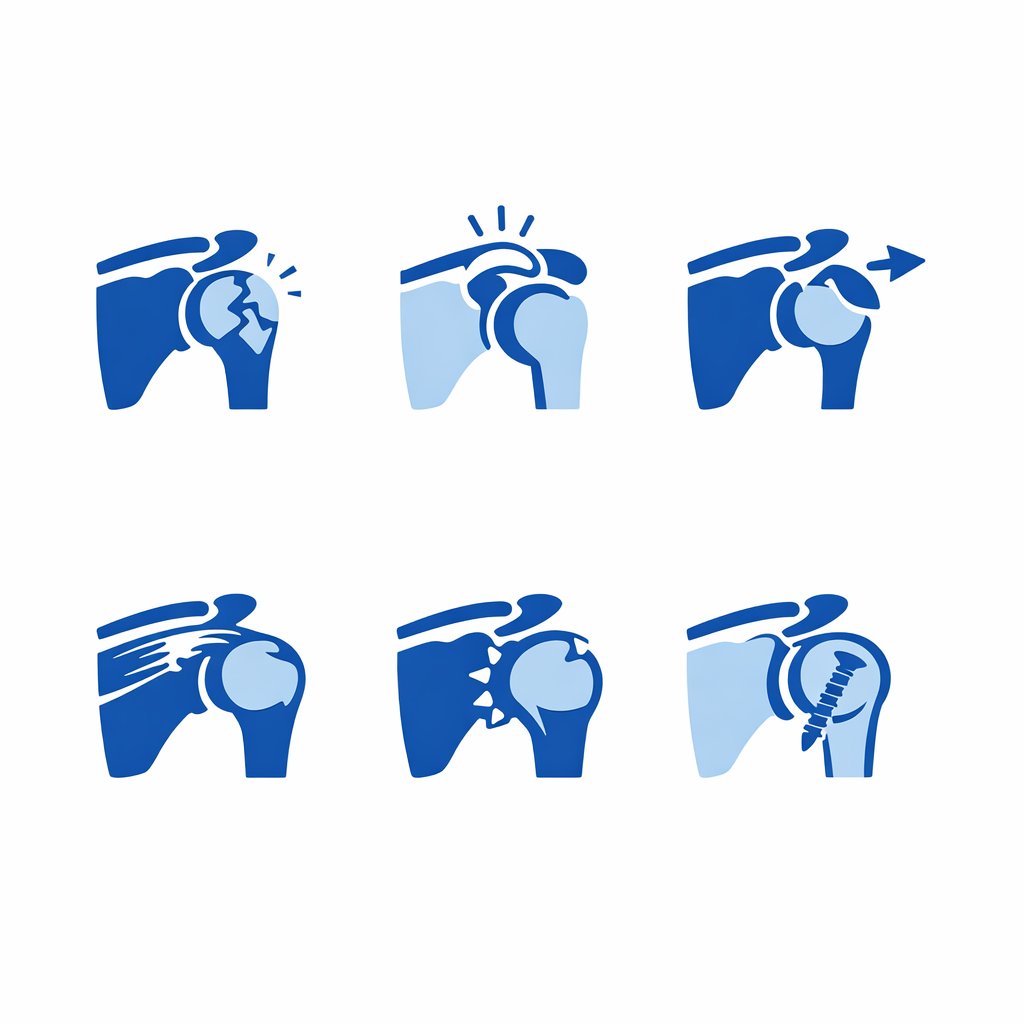
Shoulder symptoms are especially common in orthopedic settings because the shoulder depends on a complex combination of mobility and stability. Patients may report pain when lifting the arm, weakness when reaching overhead, clicking or catching, stiffness, or trouble sleeping on one side. Orthopedic doctors often evaluate rotator cuff problems, shoulder impingement, frozen shoulder, labral injury, bursitis, instability, and shoulder arthritis. Some people notice reduced external rotation, meaning it is harder to turn the arm outward, while others feel discomfort with adduction, such as bringing the arm across the body. These movement-related symptoms can help point toward the structures involved, but a full exam is usually needed to understand the pattern.
Whether symptoms come from an acute injury, a repetitive-use problem, or a degenerative condition, orthopedic clinics are designed to help identify what is driving the pain and what next steps may be appropriate. For readers experiencing persistent shoulder symptoms, loss of function, or recurring instability, specialist care may be worth considering.
Orthopedic Care vs General Care, Physical Therapy, and Imaging Centers
Orthopedic care has a specific role within musculoskeletal healthcare. Primary care, physical therapy, imaging centers, and orthopedic specialists often work together rather than compete with one another. In many cases, a primary care provider is the first stop for new pain, minor injuries, or symptoms that may have several possible causes. Orthopedic specialists become especially helpful when the issue appears to involve bones, joints, ligaments, tendons, muscles, or nerves in a more focused way.
An orthopedic evaluation can help narrow down the source of persistent pain, reduced movement, weakness, instability, or symptoms after an injury. For people dealing with ongoing shoulder concerns, specialized shoulder orthopedic care options may provide a more targeted assessment and treatment plan.
When primary care may refer to orthopedics
Primary care providers are important for initial assessment. They can rule out broader health issues, recommend early treatment, and decide whether symptoms need specialist follow-up. A referral to orthopedics may be appropriate when pain does not improve, motion stays limited, an injury history suggests structural damage, or the diagnosis remains unclear after an initial exam.
This does not mean general care was the wrong choice. It usually means the next step calls for a more focused musculoskeletal evaluation, especially if symptoms are interfering with work, exercise, sleep, or daily activities.
How therapy and imaging fit into the plan
Physical therapy is often part of orthopedic treatment, not an alternative to it. An orthopedic specialist may diagnose the problem, define activity limits, and recommend therapy to improve strength, mobility, and recovery. In some cases, therapy is the main treatment. In others, it is one part of a larger plan.
Imaging centers also serve a different purpose. X-rays, MRI scans, and other tests can provide useful information, but the images alone do not replace a full orthopedic evaluation. Specialists typically combine imaging results with a physical exam, symptom history, and functional findings to decide what the problem is and what treatment makes the most sense.
How a Shoulder Orthopedic Evaluation Usually Works

If you are preparing for a shoulder specialist visit, it often helps to know the process ahead of time. A shoulder orthopedic evaluation is usually designed to understand what you are feeling, how your shoulder moves, and whether imaging would add useful information. In many cases, the visit follows a clear step-by-step structure so the clinician can narrow down possible causes and discuss next steps in a practical way.
The goal is not just to name a problem. It is also to understand how symptoms affect daily life, whether that means reaching overhead, lifting, getting dressed, exercising, or sleeping on one side. If you are looking for orthopedic evaluation and treatment services, this general overview can help you feel more prepared for the conversation.
Step 1: Review symptoms and activity patterns
The visit often starts with questions about when the pain began, where you feel it, and what seems to make it better or worse. A clinician may ask whether symptoms started after a fall, sports activity, repetitive work, or developed gradually over time. They may also ask about weakness, stiffness, clicking, nighttime pain, or whether certain motions like reaching into a cabinet or fastening a seatbelt trigger discomfort. This history helps guide the rest of the evaluation.
Step 2: Check movement, strength, and stability
Next is the physical exam. This usually includes checking range of motion, strength, and how stable the shoulder feels during specific movements. For example, shoulder external rotation means turning the arm outward, while shoulder adduction means bringing the arm inward toward the body. These motions may seem simple, but they can provide useful clues about which structures may be irritated or not functioning normally. The clinician may compare both shoulders, press on certain areas, and ask you to move against resistance to better understand pain patterns and weakness.
Step 3: Decide whether imaging is needed
Imaging is not always necessary at the first visit, but sometimes it can help. A shoulder xray may be considered when the clinician wants to look at bone structure, joint alignment, arthritis changes, or signs of a previous injury. A shoulder mri may be more helpful when soft tissues such as tendons, muscles, or other internal structures need closer evaluation. Whether imaging is recommended often depends on your symptoms, exam findings, and how long the problem has been going on.
Step 4: Build a personalized treatment plan
After the history, exam, and any imaging decisions, the clinician will usually discuss treatment options that fit the findings. Depending on the evaluation, that may include rest, medication, physical therapy, activity changes, injections, or in some cases further procedures. Many people start with conservative care when appropriate, but recommendations should be individualized. A clear explanation of the plan can reduce uncertainty and help you understand what to expect after the visit.
What Can Affect Orthopedic Care Planning and Next Steps
Orthopedic care planning is not one-size-fits-all. The next step often depends on several practical factors, including how severe the symptoms are, how long they have been present, whether the issue is improving or worsening, and how it affects daily activities, work, or sports. A provider may also consider any past injuries, treatments already tried, and whether those treatments helped.
Why recommendations can differ from person to person
Recommendations are usually based on the full picture: symptoms, physical exam findings, and, when appropriate, imaging results. Some people may benefit from rest, activity changes, bracing, or physical therapy, while others may need additional testing or discussion of procedural options. Imaging, therapy, and procedures are typically considered only after the diagnosis and goals of care are clearer.
Activity goals can matter too. Someone hoping to return to running, lifting, or a physically demanding job may need a different plan than someone focused on reducing day-to-day discomfort. Because of these variables, individualized evaluation is the best way to determine appropriate next steps without making assumptions about exact treatment needs, timing, or related costs.
Key Orthopedic Terms Readers Often See
A quick glossary of common orthopedic language
These short definitions can help readers better understand shoulder-related evaluations and treatment discussions. You can also learn about shoulder orthopedic care for a broader overview.
Orthopedic clinic: A medical practice focused on bones, joints, muscles, ligaments, and tendons. For shoulder concerns, an orthopedic clinic may evaluate pain, stiffness, weakness, or injury.
Orthopedic doctor: A physician trained to diagnose and treat musculoskeletal conditions. An orthopedic doctor may recommend exams, imaging, therapy, injections, or surgery depending on the shoulder problem.
Shoulder X-ray: A basic imaging test that shows bones and joint alignment. A shoulder X-ray can help identify fractures, arthritis, or other structural changes.
Shoulder MRI: An imaging study that provides detailed views of soft tissues such as tendons, muscles, cartilage, and ligaments. A shoulder MRI is often used when a rotator cuff tear or other internal injury is suspected.
External rotation: A shoulder movement that turns the arm outward, away from the body’s centerline. Pain or weakness with external rotation can be a clue in some shoulder conditions.
Adduction: A movement that brings the arm back toward the body. In shoulder exams, adduction may be checked to see whether motion causes pain or feels limited.
Frequently Asked Questions About Orthopedic Meaning
Short answers to common questions
What is the orthopedic meaning in simple terms?
Orthopedic refers to the part of medicine that focuses on bones, joints, muscles, ligaments, tendons, and the spine. In simple terms, it is the specialty that helps diagnose and treat problems affecting how your body moves and functions.
What do orthopedic doctors treat?
Orthopedic doctors treat injuries, wear-and-tear conditions, and structural problems involving the musculoskeletal system. That can include fractures, arthritis, tendon injuries, sports injuries, joint pain, back pain, and limited motion in areas like the shoulder, knee, hip, or spine.
Are shoulder problems considered orthopedic issues?
Yes. Many shoulder problems fall under orthopedics because the shoulder is a joint supported by bones, cartilage, tendons, ligaments, and muscles. Pain, weakness, instability, stiffness, rotator cuff problems, and arthritis are all common reasons someone may seek orthopedic evaluation.
What is the difference between a shoulder X-ray and a shoulder MRI?
A shoulder X-ray is usually used to look at bones and joint alignment. It can help show fractures, arthritis, or dislocation. A shoulder MRI shows soft tissues in more detail, including tendons, muscles, cartilage, and ligaments. In simple terms, X-rays are better for bone problems, while MRIs are often better for soft tissue injuries.
When should I see an orthopedic specialist for shoulder pain or stiffness?
You should consider an evaluation if shoulder pain or stiffness does not improve, limits daily activity, affects sleep, follows an injury, or comes with weakness, catching, or reduced range of motion. Early assessment can help identify the cause and guide the right next steps before the problem becomes more limiting.
When It May Be Time to Schedule a Shoulder Orthopedic Consultation
If shoulder pain, weakness, stiffness, an injury, or reduced range of motion has continued beyond what feels normal, it may be time to seek an orthopedic evaluation. Ongoing symptoms that affect sleep, work, exercise, or everyday tasks can be worth discussing with a specialist.
A consultation can help clarify what may be contributing to your symptoms and what care options may be appropriate for your needs. The goal is not to pressure you into treatment, but to better understand the cause of your discomfort and the next steps that may make sense for your situation.
A practical next step for ongoing symptoms
If shoulder symptoms are interfering with daily life or limiting your activity, reaching out for an assessment can be a practical next step.
Understanding Orthopedic Meaning Helps You Choose the Right Care
Orthopedics focuses on the musculoskeletal system, including bones, joints, muscles, tendons, and ligaments. If you have shoulder symptoms, an orthopedic evaluation can often begin with your history and a physical exam, with imaging used when appropriate. Understanding what orthopedics means can make it easier to take informed next steps and feel more confident about choosing care that fits your needs.