
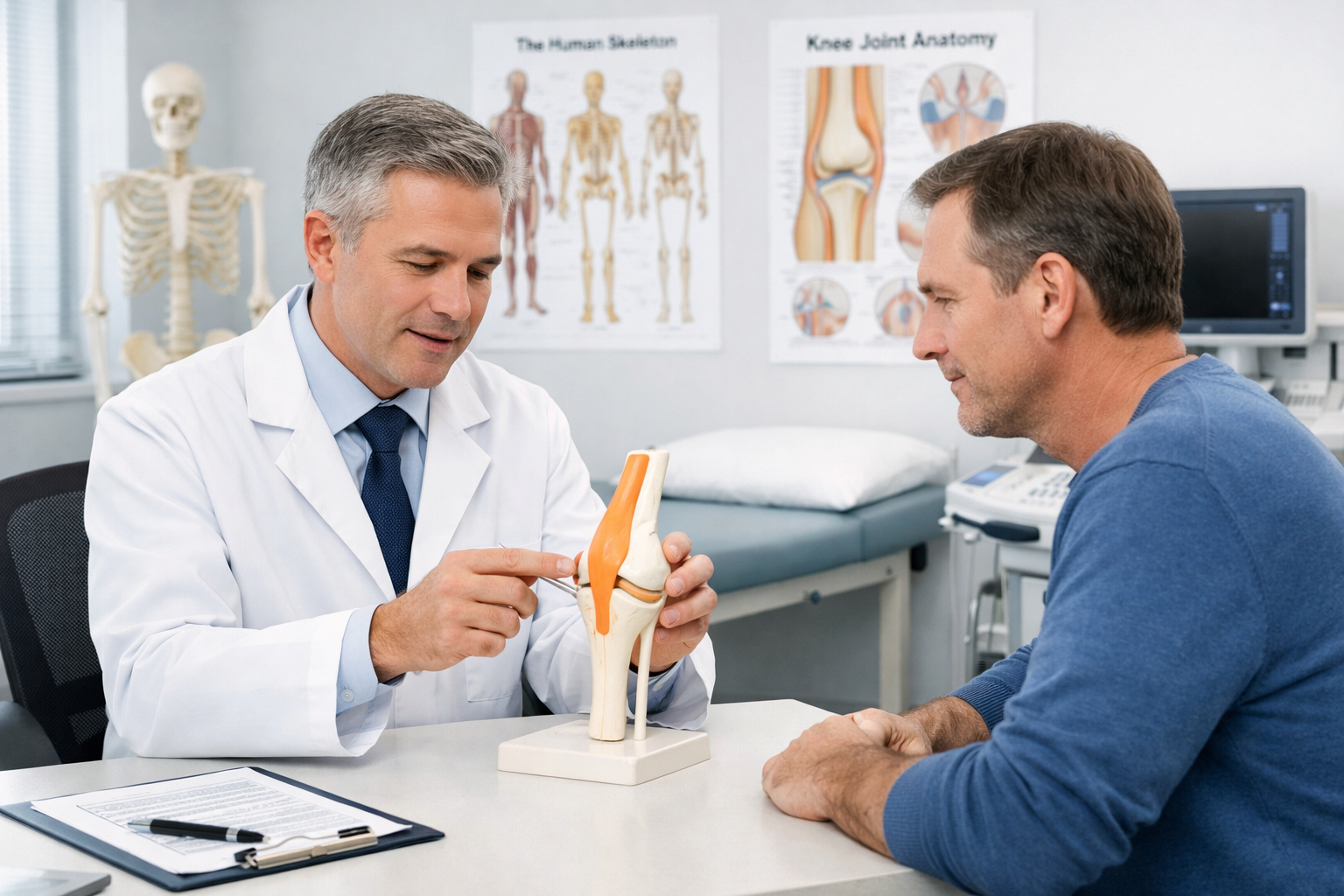
Orthopedic doctors are physicians who diagnose, treat, and help prevent problems affecting the musculoskeletal system. In simple terms, they care for the parts of the body that support movement and stability, including bones, joints, muscles, ligaments, tendons, and the spine.
Orthopedic doctors may help when you have pain, stiffness, swelling, weakness, limited mobility, or an injury that affects how you move or function. Their care can include diagnosis, non-surgical treatment, rehabilitation, and surgery when appropriate, depending on the condition and the patient’s needs.
This article explains what orthopedic doctors do, what conditions they commonly treat, and when it may be time to seek orthopedic care.
What Do Orthopedic Doctors Do?
If you are wondering what do orthopedic doctors do, their role is to evaluate, diagnose, and treat problems that affect bones, joints, muscles, ligaments, tendons, and overall movement. Orthopedic doctors help patients with issues such as joint pain, sports injuries, arthritis, back or neck discomfort, fractures, and mobility limitations. In many orthopedic clinics, care begins with understanding how symptoms affect daily life, then building a plan that fits the patient’s condition, goals, and activity level.
Orthopedic doctors typically start by reviewing pain patterns, past injuries, medical history, and changes in strength or function. They may ask when symptoms began, what movements make them worse, and whether walking, lifting, climbing stairs, or exercise has become harder. This conversation helps guide the next steps and gives context for the physical exam.
How they evaluate musculoskeletal problems
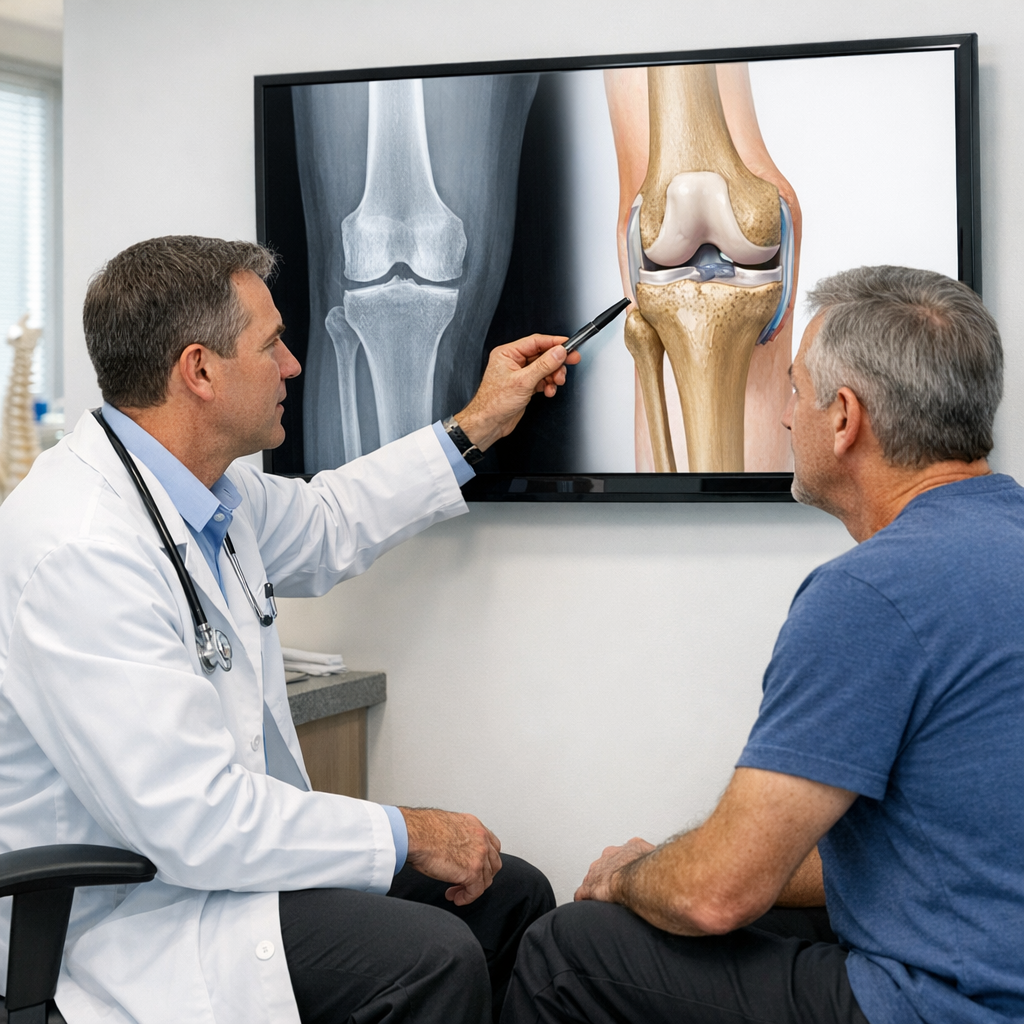
During an evaluation, an orthopedic doctor may check range of motion, joint stability, swelling, alignment, strength, reflexes, and gait. These hands-on assessments can help identify whether the source of pain is a joint, tendon, muscle, nerve, or another structure. When clinically appropriate, they may also use imaging such as X-rays or MRI scans, along with functional assessments, to better understand the condition and support an accurate diagnosis.
Once the cause of symptoms is clearer, orthopedic doctors develop a treatment plan and explain the options in practical terms. Patients can learn more about orthopedic care options at West Medical as part of understanding the broader scope of care available.
Treatment goes beyond surgery
A common misconception is that orthopedic care always leads to surgery. In reality, many orthopedic doctors begin with conservative treatment when appropriate. This may include medication guidance, activity modification, bracing, injections, physical therapy referrals, or a structured rehabilitation plan. The goal is often to reduce pain, improve function, and monitor progress before considering more invasive options.
If symptoms do not improve or if the injury is severe, an orthopedic doctor may discuss surgical evaluation and what recovery could involve. They also provide follow-up care to track healing, adjust treatment, and support a safe return to daily activities, work, or exercise. In short, orthopedic doctors do much more than perform procedures—they help patients understand their condition and manage recovery over time.
What Conditions Do Orthopedic Doctors Treat?
Orthopedic doctors evaluate a wide range of musculoskeletal problems affecting bones, joints, cartilage, ligaments, tendons, muscles, and related structures. In many orthopedic clinics, patients are seen for both sudden injuries and long-term pain that affects movement, work, exercise, or daily activities. Symptoms may overlap with other conditions, so the exact cause and treatment plan depend on a medical evaluation, imaging when needed, and an accurate diagnosis.
Below are some of the most common conditions orthopedic doctors assess and treat, grouped by the way they often present.
Acute injuries
Sudden injuries are a major reason people seek orthopedic care. These may include fractures, dislocations, sprains, ligament tears, tendon injuries, and sports-related trauma. An ankle sprain, a torn ACL, a shoulder dislocation, or a wrist fracture after a fall can all involve structures that need prompt assessment. Orthopedic doctors may also evaluate muscle strains, meniscus injuries, joint instability, and cartilage damage that happen during exercise, work, or everyday accidents. For patients with shoulder pain after an injury, shoulder orthopedic care treatment options may be part of the next step after diagnosis.
Chronic pain and degenerative conditions
Orthopedic doctors also treat conditions that develop gradually over time. Common examples include osteoarthritis, bursitis, tendonitis, repetitive strain injuries, chronic joint pain, and stiffness that limits mobility. Patients may notice swelling, clicking, weakness, reduced range of motion, or pain that worsens with walking, lifting, kneeling, or overhead movement. Overuse injuries from running, tennis, golf, or repetitive job tasks are also common. In the knee, hip, shoulder, and other major joints, wear-and-tear changes can affect comfort and function. People dealing with persistent knee symptoms may benefit from learning about knee orthopedic care for joint pain.
Spine and back-related musculoskeletal concerns
Some orthopedic doctors, including a back specialist orthopedic provider, may evaluate certain spine-related musculoskeletal issues. These can include back pain, neck pain, posture-related discomfort, degenerative disc changes, facet joint irritation, and pain linked to surrounding muscles and soft tissue. In some cases, symptoms such as radiating pain, numbness, or weakness may require further evaluation to determine whether the source is orthopedic, neurologic, or related to another medical issue. Because not all back or neck pain has the same cause, a careful assessment helps identify whether the problem involves bones, joints, discs, soft tissue, or another structure and what treatment may be appropriate.
Orthopedic Doctor vs. Orthopedic Surgeon: What’s the Difference?
This is a common question, and the short answer is simple: an orthopedic surgeon is an orthopedic doctor who has specialized training to perform surgery. Both focus on bones, joints, muscles, ligaments, and tendons. They evaluate injuries, diagnose conditions, and recommend treatment to help reduce pain, improve movement, and support recovery.
In everyday use, people may say “orthopedic doctor” when talking about any physician who treats musculoskeletal problems. Some of these doctors focus heavily on non-surgical care, such as medication, injections, bracing, activity changes, and rehabilitation planning. An orthopedic surgeon can provide many of those same treatments too, while also being trained to operate when surgery is the best option.
That does not mean every visit leads to surgery. In fact, many patients receive non-surgical care and improve without an operation. A good evaluation usually starts with understanding your symptoms, reviewing imaging if needed, and discussing conservative treatment options before moving to more advanced interventions.
When surgery enters the picture
Surgery may be considered when there is significant structural damage, a serious injury, worsening joint problems, or symptoms that do not improve with conservative treatment. Examples can include certain fractures, torn ligaments, severe arthritis, or nerve compression, depending on the findings of a medical evaluation.
Even then, the decision is usually thoughtful and individualized. An orthopedic surgeon will typically explain the diagnosis, review non-surgical options when appropriate, and help you weigh expected benefits, recovery time, and possible risks. The goal is to choose the treatment that best fits your condition and overall health.
Who else may be part of your care team
Orthopedic care is often collaborative. Your primary care doctor may help with initial evaluation and referrals. Imaging specialists help identify what is happening inside the body. Physical therapists guide exercises and movement strategies to improve strength, flexibility, and function. Pain management professionals may also support symptom control in some cases.
You may also work with an orthopedic nurse, who can help coordinate care, provide education, and support you before or after treatment. Each professional has a different role, and together they help create a care plan centered on your needs.
One more helpful distinction: physical therapists are not orthopedic doctors, but they play an important role in rehabilitation and recovery. Primary care doctors manage broad health concerns and often help direct patients to the right specialist. Orthopedic doctors and orthopedic surgeons focus specifically on musculoskeletal conditions, with surgeons having additional training to perform operations when needed.
What Happens at an Orthopedic Appointment?
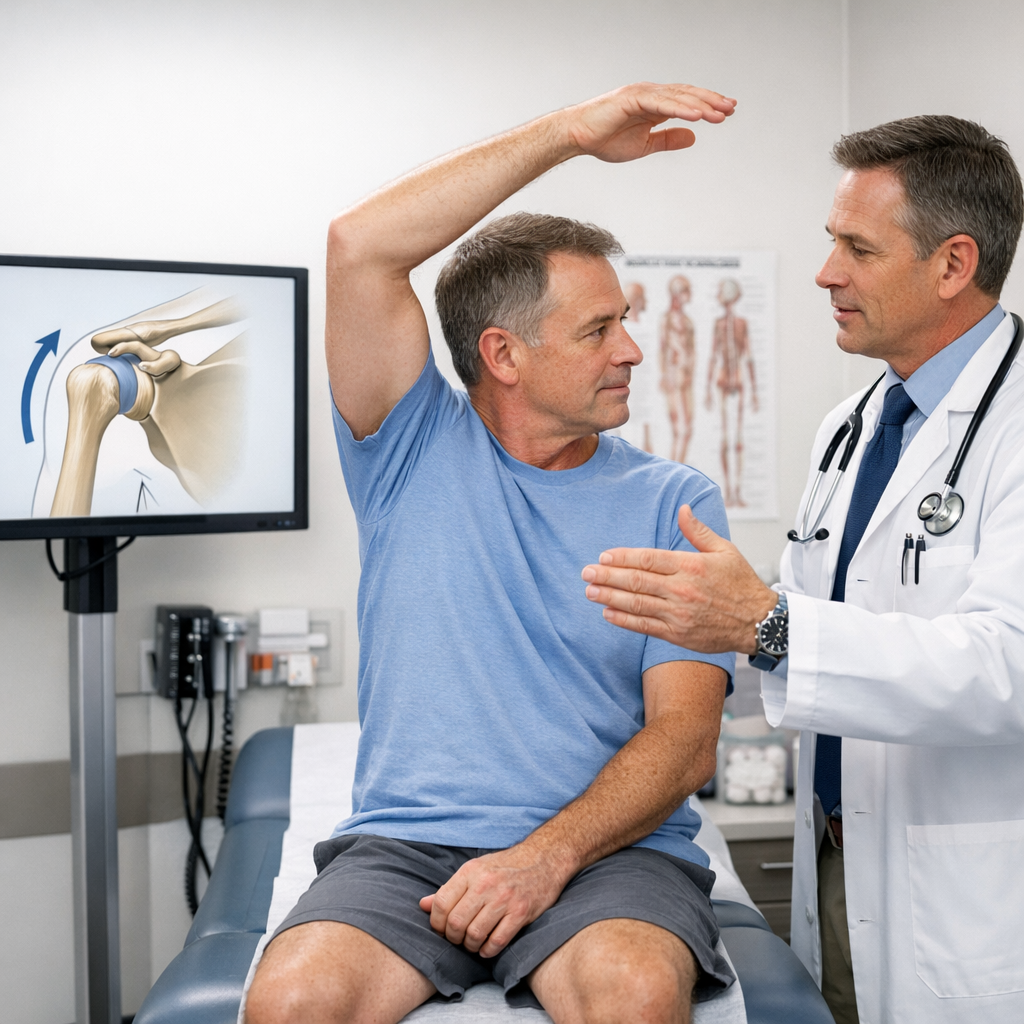
If you are visiting an orthopedic specialist for the first time, it is normal to wonder what the appointment will involve. In most cases, the visit follows a clear step-by-step process designed to understand your symptoms, evaluate how your body is moving, and decide what kind of care makes the most sense for you. The goal is not to rush to conclusions, but to build a complete picture of what may be contributing to your pain, stiffness, weakness, or limited function.
History and physical exam
Your appointment often begins with intake questions and a conversation about your health history. The doctor or care team may ask when your symptoms started, whether they followed an injury, what movements make them better or worse, and how the problem is affecting work, exercise, sleep, or daily activities. You may also be asked about past surgeries, previous treatments, medications, medical conditions, and your usual activity level. These details help identify patterns and narrow down possible causes.
Next comes the physical exam. Depending on the area involved, this may include checking swelling, tenderness, alignment, strength, flexibility, balance, reflexes, or sensation. You may be asked to walk, bend, lift an arm, rotate a joint, or perform other guided movements. These tests help the physician see how symptoms relate to anatomy and function in real time. For many patients, this part of the visit provides helpful insight into why certain motions trigger discomfort and why others do not.
Imaging, diagnosis, and treatment planning
After reviewing your history and exam findings, the doctor may discuss whether imaging is needed. In some cases, existing X-rays, MRI scans, or other studies are reviewed during the visit. In others, simple imaging may be ordered to look more closely at bones, joints, or soft tissues. Not every patient needs advanced imaging right away. Often, the decision depends on your symptoms, exam results, and whether the findings are likely to change the next step in care.
Once the information is put together, your doctor will explain the likely source of the problem and outline a treatment plan. That plan may include rest, activity changes, physical therapy, bracing, medication, injections, follow-up monitoring, or referral for a procedure when appropriate. Orthopedic care is typically individualized, which means the plan is based on your symptoms, goals, and response to treatment over time. As you heal or if symptoms change, the plan may evolve to better support your recovery and function.
How to Know When to See an Orthopedic Doctor
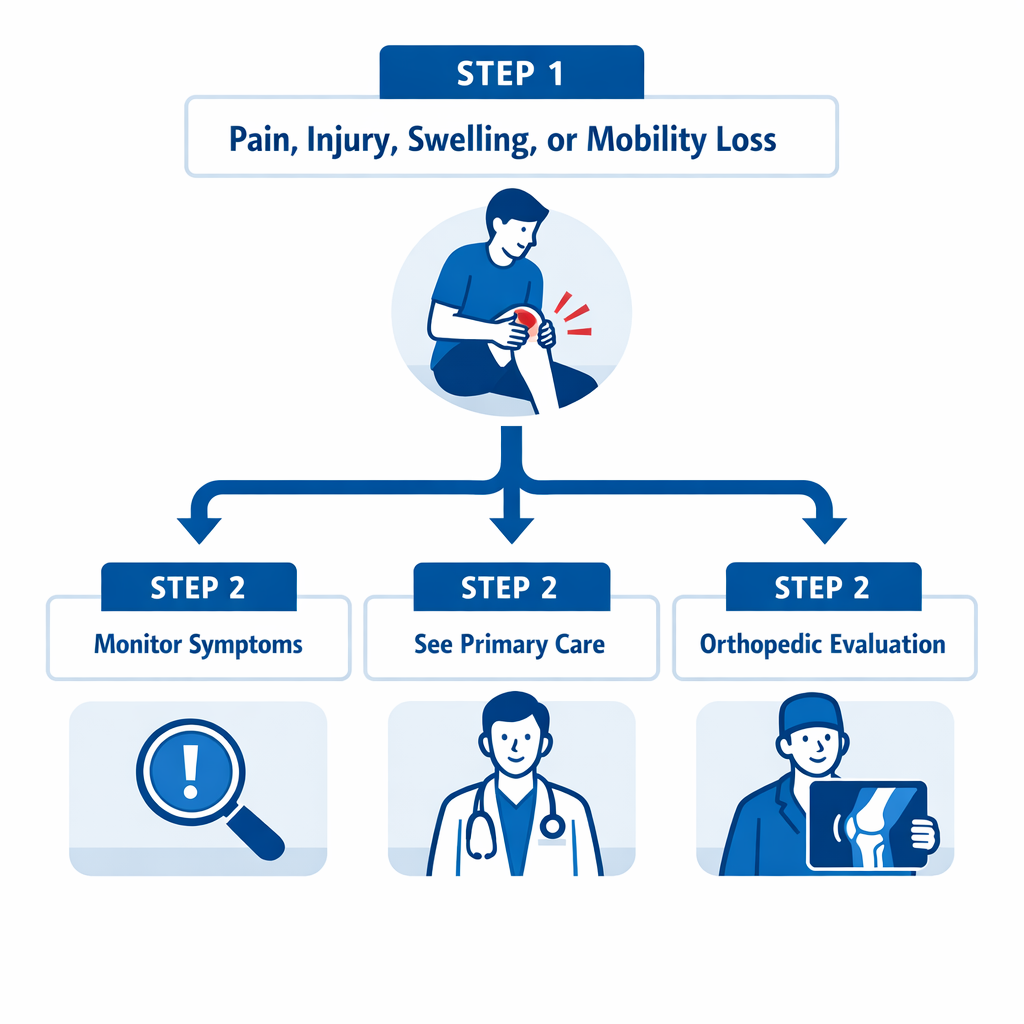
It can be hard to tell when a sore joint, lingering ache, or injury should be monitored at home and when it makes sense to see a specialist. In general, an orthopedic evaluation may be worth considering when musculoskeletal symptoms do not improve as expected, keep coming back, or begin to limit normal movement and daily activities. If you want to learn about orthopedic care at West Medical, it can help to start with a simple checklist.
Signs it may be time to schedule an evaluation
- Pain that lasts longer than expected or keeps returning
- Swelling, stiffness, or reduced range of motion in a joint or limb
- Instability, such as a knee that gives out or an ankle that feels unreliable
- Weakness that affects lifting, walking, gripping, or exercise
- Numbness or tingling related to a musculoskeletal problem
- Symptoms that interfere with sleep, work, sports, or everyday tasks
For mild or early symptoms, primary care may be a reasonable starting point, especially if the cause is unclear or you have other health concerns that should be considered. In other cases, seeing an orthopedic doctor more directly may make sense when the problem clearly involves a bone, joint, muscle, tendon, or ligament and is limiting function.
After an injury: when not to wait
After a fall, twist, impact, or sports injury, prompt evaluation may be appropriate if pain is severe, swelling develops quickly, the area looks deformed, or you cannot bear weight or use the limb normally. A sudden loss of function, marked instability, or symptoms that worsen instead of improving are also good reasons to seek timely care.
This kind of guidance is meant to support self-triage, not diagnose the problem. When symptoms are persistent, limiting, or clearly affecting mobility, getting evaluated sooner can help you understand the cause and next steps.
Common Orthopedic Treatments and What Orthopedic Surgery Means
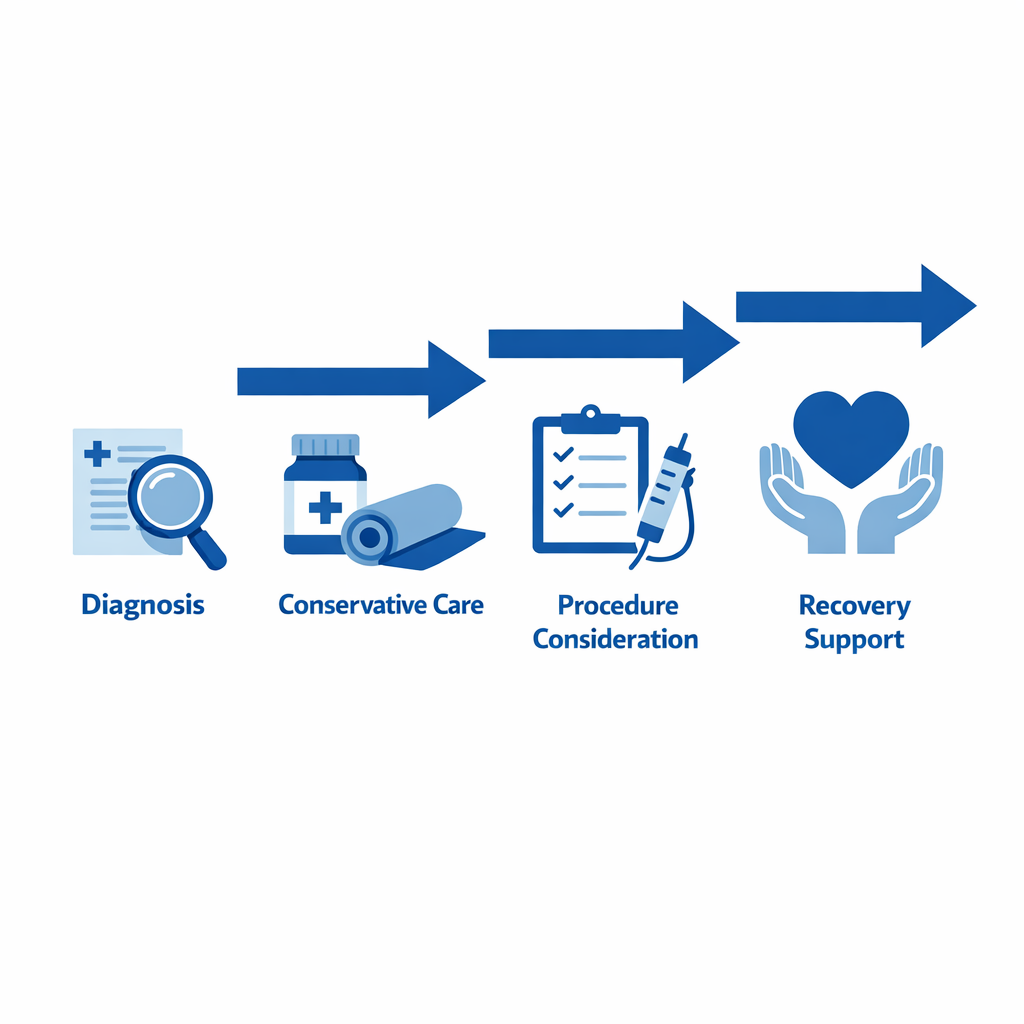
Orthopedic treatment can include a wide range of options depending on the diagnosis, symptom severity, activity level, and personal goals. In many cases, care begins with conservative measures designed to reduce pain, improve movement, and support healing before any procedure is considered.
Non-surgical care often comes first
Many orthopedic problems respond well to non-surgical care. Common approaches may include rest or activity modification, guided exercise, physical therapy, bracing or splinting, anti-inflammatory strategies, and injections when clinically appropriate. Treatment may also focus on symptom management, improving strength and flexibility, and helping patients return to daily activities safely. This stepwise approach helps determine what is working and whether symptoms improve over time.
When orthopedic surgery may be considered
For people asking what is orthopedic surgery, it generally refers to surgery involving bones, joints, ligaments, tendons, muscles, or related structures when clinically appropriate. Surgery is not necessary for every orthopedic condition, but it may be considered for certain structural injuries, fractures, severe joint damage, tendon tears, or symptoms that continue despite conservative treatment. Examples can include arthroscopy, fracture repair, joint reconstruction, or tendon repair. The right recommendation depends on a careful medical evaluation, the underlying condition, how severe it is, and the patient’s goals for function, comfort, and recovery.
Frequently Asked Questions About Orthopedic Doctors
Do you need a referral to see an orthopedic doctor?
It depends on your insurance plan, local care pathway, and the clinic’s scheduling policies. Some patients can book directly, while others may need a referral from a primary care doctor or another provider. Before scheduling, check your insurance requirements and confirm what the orthopedic office needs.
Do orthopedic doctors always perform surgery?
No. Many orthopedic conditions are treated without surgery using options such as activity changes, physical therapy, bracing, medication, or injections. Surgery is usually considered only when it fits the diagnosis, symptoms are significant, or conservative treatment has not provided enough relief.
What body parts do orthopedic doctors treat?
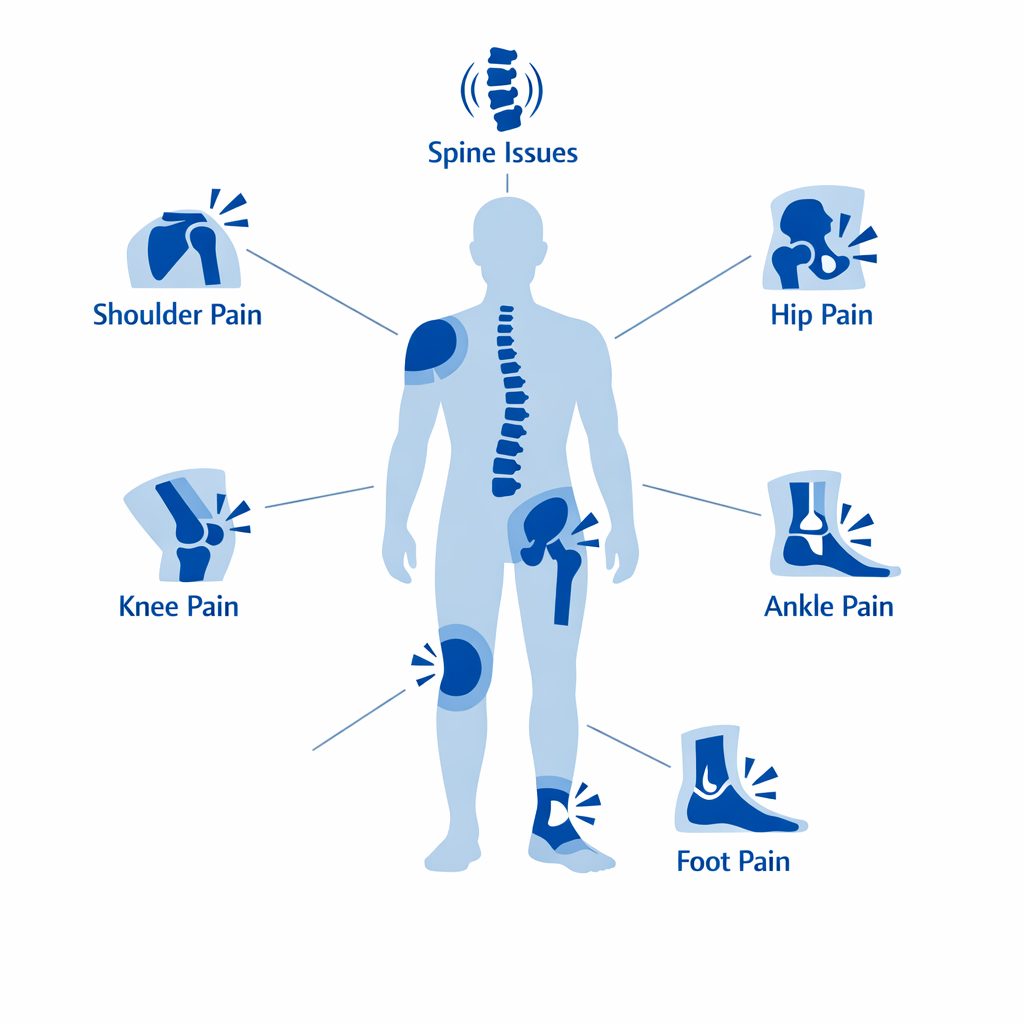
Orthopedic doctors treat the musculoskeletal system, including bones, joints, muscles, ligaments, tendons, and related structures. This can include the shoulder, elbow, wrist, hand, hip, knee, foot, ankle, and sometimes the spine, depending on the specialist’s training and focus area.
Can an orthopedic doctor help with back pain?
Yes, some orthopedic specialists evaluate back pain, especially when it may involve bones, joints, discs, or other musculoskeletal structures. However, the best specialist can depend on the cause of your symptoms. Persistent, severe, or radiating pain should be evaluated to help determine the right next step.
What should you bring to an orthopedic appointment?
Bring a photo ID, insurance card, medication list, and any relevant records such as prior imaging reports, test results, or referral paperwork if required. It also helps to note when symptoms started, what makes them better or worse, and any treatments you have already tried.
Explore Orthopedic Care at West Medical
If you are dealing with ongoing joint, bone, muscle, or spine concerns, West Medical offers orthopedic care for patients seeking evaluation and treatment guidance. The focus is on understanding your symptoms, reviewing appropriate next steps, and helping you make informed decisions about your care.
Care plans are individualized and may include clinically supervised treatment pathways based on your needs and diagnosis. You can also learn more about shoulder orthopedic care at West Medical or explore knee orthopedic care at West Medical for condition-specific information.
A practical next step
If you are ready to discuss your symptoms, request an appointment or schedule a consultation to talk through a personalized treatment approach with the West Medical team.
Key Takeaways
Orthopedic doctors diagnose and treat conditions affecting bones, joints, muscles, ligaments, and tendons. Depending on the problem, treatment may include non-surgical options like medication, physical therapy, bracing, or injections, with surgery considered when it is the most appropriate next step.
If pain, stiffness, weakness, swelling, or loss of mobility is persistent or getting worse, it is a good idea to seek medical care rather than wait and hope it resolves on its own. Early evaluation can help clarify the cause and support a more effective treatment plan.
The bottom line: orthopedic doctors help you understand what is causing musculoskeletal pain and guide you toward the treatment path that best fits your needs, with individualized evaluation leading the way.