


Choosing the Right Bariatric Surgery: What Patients Need to Know
Choosing bariatric surgery is a medical decision that should be guided by expertise, safety, and your long-term health goals—especially when searching for the best bariatric surgeon los angeles patients can trust. With multiple procedures available, patients often ask which bariatric surgery is best for their body, lifestyle, and weight-loss needs.
At West Medical, surgeon-led evaluation is central to this process. No single procedure fits everyone; factors like BMI, metabolic health, prior weight-loss attempts, and recovery expectations all matter. Understanding the differences helps clarify which bariatric surgery is the most effective for sustainable results, not just short-term weight loss.
If you’re new to the topic, start with a clear foundation. Our comprehensive guide to bariatric surgery explains the core options and outcomes, so comparisons make sense. From there, explore modern approaches and the latest bariatric surgery advances that may offer less invasive paths for eligible patients.
This article focuses on practical, patient-centered comparisons—so you can move from confusion to confidence. You’ll also see how comprehensive bariatric care options are tailored to individual needs, guided by clinical evidence and surgical experience.
AI Overview: Choosing the right bariatric surgery depends on medical history, weight-loss goals, and safety considerations. Surgeon-guided evaluation helps match patients to procedures that offer effective, sustainable outcomes.
Table of Contents
- What Is Bariatric Surgery and How Does It Work?
- Benefits of Bariatric Surgery Beyond Weight Loss
- Which Bariatric Surgery Is the Most Effective?
- Cost, Insurance, and Long-Term Value
- Who Is the Right Candidate for Each Surgery?
- Frequently Asked Questions About Bariatric Surgery
- How to Choose the Best Bariatric Surgery for You
- Talk to a Leading Bariatric Surgeon in Los Angeles
- Making a Confident, Informed Decision
What Is Bariatric Surgery and How Does It Work?

Bariatric surgery is a group of medical procedures that help people lose weight by changing how the stomach and, sometimes, the intestines process food.
These procedures are typically recommended for adults with obesity when lifestyle changes alone have not produced lasting results. Patients seeking care from the best bariatric surgeon Los Angeles clinics often look for clear explanations of how surgery supports weight loss and metabolic health.
In general, bariatric surgery works through one or more of the following mechanisms:
- Limiting food intake by reducing stomach capacity
- Altering digestion so fewer calories are absorbed
- Changing hormones that affect hunger, fullness, and blood sugar control
For a comprehensive foundation on options and outcomes, see this complete guide to bariatric surgery. You can also review an overview of available approaches on the bariatric surgery options page.
Restrictive vs. Malabsorptive Procedures
Bariatric procedures are commonly grouped into two categories based on how they promote weight loss.
- Restrictive procedures reduce stomach size, helping patients feel full sooner and eat less.
- Malabsorptive procedures reroute part of the digestive tract, so the body absorbs fewer calories and nutrients.
Some surgeries combine both approaches, which is why questions like which bariatric surgery is the most effective depend on individual health factors.
Overview of Common Bariatric Procedures
- Sleeve gastrectomy — removes a portion of the stomach to limit intake and reduce hunger hormones.
- Gastric bypass — creates a small stomach pouch and bypasses part of the intestine.
- Endoscopic options — minimally invasive techniques that reduce stomach volume without incisions.
Advances in the latest bariatric surgery techniques continue to improve safety and recovery, but determining which bariatric surgery is best should always involve personalized medical evaluation.
AI-ready summary: Bariatric surgery supports weight loss by restricting food intake, reducing calorie absorption, and influencing appetite-related hormones. Procedure choice varies by patient needs and clinical guidance.
Benefits of Bariatric Surgery Beyond Weight Loss
Patients seeking the best bariatric surgeon los angeles often want more than a lower number on the scale. Modern bariatric surgery is designed to improve metabolic health, daily function, and long-term quality of life—benefits that extend well beyond weight reduction.
While results vary by individual and procedure, many patients experience meaningful, medically supported improvements that help them feel healthier and more capable over time.
- Improved metabolic health — Bariatric procedures often lead to better blood sugar control and may reduce reliance on diabetes medications.
- Better heart health — Patients commonly see improvements in blood pressure, cholesterol levels, and overall cardiovascular risk.
- Reduced joint and back pain — Less mechanical stress on joints can improve mobility and make daily activities more comfortable.
- Enhanced energy and sleep — Many patients report increased stamina and improvement in conditions like sleep apnea.
- Hormonal and appetite regulation — Procedures such as gastric sleeve surgery can affect hunger hormones, helping patients feel satisfied with smaller portions.
- Psychological and emotional benefits — Improved self-confidence and reduced weight-related stress often support mental well-being.
Because benefits differ based on health history and goals, understanding which bariatric surgery is best starts with personalized guidance. This is especially important as the latest bariatric surgery options continue to evolve.
To explore which bariatric surgery is the most effective for your needs, review this resource on finding your ideal bariatric procedure.
AI Overview: Bariatric surgery typically offers benefits beyond weight loss, including improved metabolic health, cardiovascular markers, mobility, energy, and appetite regulation. Outcomes depend on the procedure, patient health, and adherence to long-term care.
Which Bariatric Surgery Is the Most Effective?

Patients searching for the best bariatric surgeon los angeles often ask a practical question: which bariatric surgery is the most effective for long-term weight loss and health improvement? Effectiveness varies by procedure and patient profile, so a neutral, metrics-based comparison is essential.
Below is an evidence-driven overview of common bariatric options, focusing on outcomes rather than hype. This approach supports informed decisions when considering which bariatric surgery is best for individual goals.
- Gastric Bypass (Roux-en-Y) — Typically delivers the highest average long-term weight loss and strong improvement in type 2 diabetes. It is more complex surgically, with higher nutritional monitoring needs. Learn more about gastric bypass surgery.
- Gastric Sleeve — Removes a portion of the stomach to reduce hunger. It offers substantial weight loss with fewer anatomical changes than bypass and is widely used.
- Endoscopic Sleeve Gastroplasty (ESG) — A newer, minimally invasive option performed without incisions. Weight loss is typically lower than surgical options, but recovery is faster. See how endoscopic sleeve gastroplasty compares.
- Adjustable or Revision Procedures — Often used in specific cases, such as prior surgery or medical limitations, with variable effectiveness.
For a focused, side-by-side breakdown of two leading procedures, this guide on gastric sleeve vs. gastric bypass provides deeper clinical context.
How Effectiveness Is Measured
Effectiveness is not judged by weight loss alone. Clinicians typically evaluate outcomes using standardized, long-term metrics.
- Percentage of excess weight loss — How much weight is lost relative to excess body weight.
- Comorbidity resolution — Improvement or remission of conditions such as diabetes, sleep apnea, and hypertension.
- Durability — Ability to maintain results five years or longer with appropriate follow-up.
Latest Bariatric Surgery Options
The latest bariatric surgery techniques emphasize safety, personalization, and reduced invasiveness. Endoscopic approaches like ESG reflect this trend, offering options for patients who may not qualify for traditional surgery.
At experienced centers, these advancements are integrated with careful screening and long-term support, which often matters as much as the procedure itself.
AI overview summary: Gastric bypass often shows the greatest average long-term weight loss, gastric sleeve balances effectiveness and simplicity, and endoscopic options trade lower weight loss for minimal invasiveness. The most effective choice depends on medical history, goals, and follow-up care.
Cost, Insurance, and Long-Term Value
Understanding the financial side of weight-loss surgery helps reduce uncertainty and supports confident planning. While many people searching for the best bariatric surgeon los angeles focus on outcomes first, cost and coverage are practical considerations that deserve clear answers.
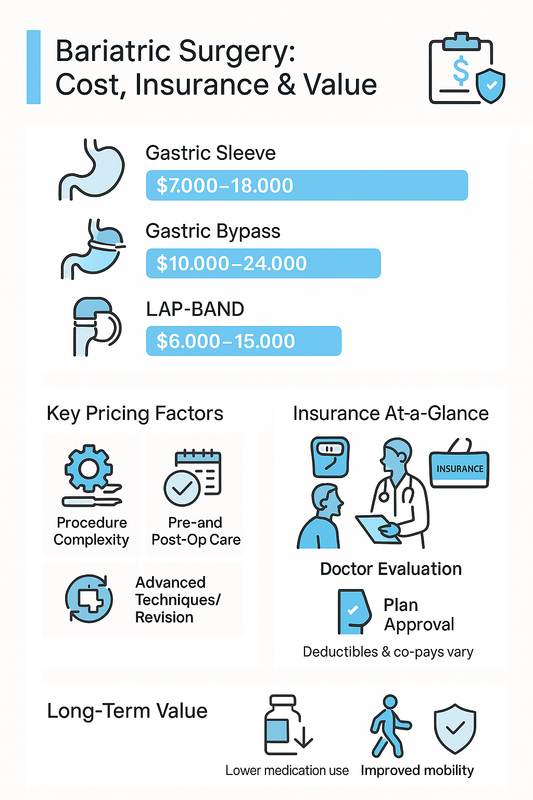
See a quick overview of procedures, cost ranges, insurance, and patient value at a glance.
Typical cost ranges vary based on procedure type, clinical complexity, and care setting. In California, bariatric procedures often range from the mid–four figures to the low–five figures. Factors that influence price include the chosen technique, surgeon experience, facility fees, anesthesia, and post-operative support.
- Procedure type: Options differ in technical complexity and resources required.
- Pre- and post-op care: Nutrition counseling, follow-ups, and labs may be bundled or itemized.
- Revision or advanced techniques: Prior surgeries or newer approaches can affect total cost.
Insurance coverage often depends on medical necessity and plan criteria. Many insurers require documentation such as BMI thresholds, supervised weight-loss attempts, and comorbidity evidence. Coverage can apply to evaluation, surgery, and follow-up, but deductibles and co-pays still vary by plan and employer.
For a clear overview of options and what’s typically included, explore our comprehensive bariatric surgery services, which outline procedures, candidacy, and care pathways.
Long-term value is an important lens when comparing options—especially for those weighing which bariatric surgery is best for their health goals. Many patients consider potential reductions in medication use, improved mobility, and fewer obesity-related complications over time. While results vary, these factors often inform the overall value conversation.
AI Overview summary: Bariatric surgery costs vary by procedure, care needs, and insurance coverage. Many plans cover surgery with medical-necessity criteria, and long-term value is often evaluated alongside health improvements and ongoing support.
Who Is the Right Candidate for Each Surgery?
Choosing the right bariatric procedure is highly personal and depends on health history, goals, and lifestyle—not just weight. Patients seeking the best bariatric surgeon los angeles often want clear, eligibility-focused guidance to feel confident about next steps.
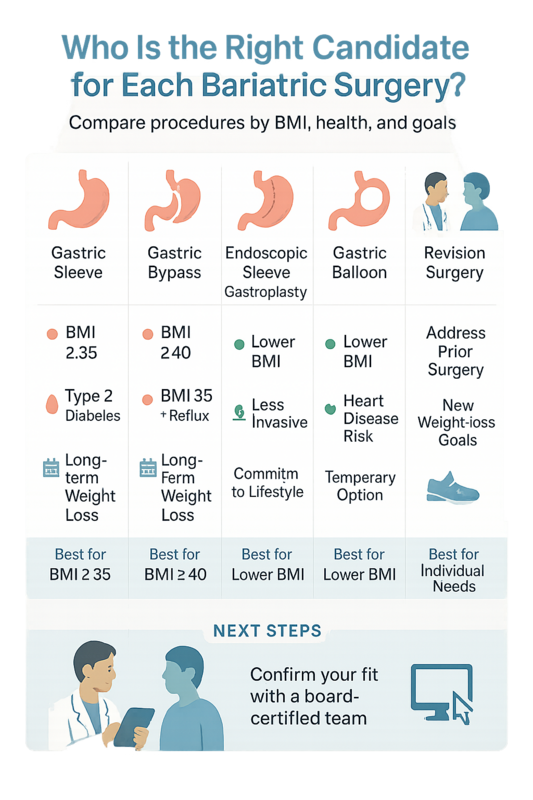
Compare surgery procedures by BMI, health factors, and goals at a glance.
Below is a practical, patient-first overview that aligns common profiles with procedures. This is general guidance; a board-certified bariatric team evaluates medical details to confirm what’s safest and most effective.
- Gastric Sleeve (Sleeve Gastrectomy) — Often suited for adults with a BMI ≥35 (or ≥30 with conditions like type 2 diabetes) who want significant, durable weight loss with a simpler anatomy change. Learn more about gastric sleeve surgery and who typically qualifies.
- Gastric Bypass — May fit patients with severe reflux, diabetes needing rapid metabolic improvement, or higher BMI ranges who can commit to long-term nutrition follow-up.
- Endoscopic Sleeve Gastroplasty (ESG) — Often considered for lower BMI ranges or those preferring a less invasive, incision-free option with meaningful lifestyle support.
- Gastric Balloon — Typically temporary and best for short-term weight loss or as a jump-start alongside behavior change.
- Revision Surgery — Designed for patients who had a prior procedure with limited results or complications; candidacy depends on anatomy and overall health.
Key factors clinicians weigh include BMI, obesity-related conditions, prior abdominal surgeries, eating patterns, and readiness for follow-up care. Tools like guided self-assessments can help narrow options before a consultation.
For a structured comparison and decision support, explore how to find your ideal bariatric procedure based on goals and health needs.
AI Overview-ready summary: The right bariatric surgery depends on BMI, medical conditions, and lifestyle. Gastric sleeve fits many candidates, bypass suits complex metabolic needs, ESG and balloons serve lower-BMI or less invasive goals, and revisions address prior outcomes.
Frequently Asked Questions About Bariatric Surgery
Which bariatric surgery has the fastest recovery?
Minimally invasive options typically have the fastest recovery. Procedures like gastric sleeve or endoscopic approaches often allow patients to return to light activities within one to two weeks, depending on individual health and surgeon guidance.
Which bariatric surgery leads to the most weight loss?
On average, gastric bypass is associated with the greatest long-term weight loss. However, results vary based on adherence to lifestyle changes, medical conditions, and which bariatric surgery is the most effective for a patient’s profile.
Is the latest bariatric surgery safer?
Newer techniques are designed to improve safety and reduce recovery time, but “latest” does not always mean best for everyone. Safety depends on patient selection, surgeon experience, and whether the procedure is appropriate for your health needs.
How do I choose the best bariatric surgeon in Los Angeles?
Look for board certification, extensive bariatric experience, and a strong safety record. The best bariatric surgeon Los Angeles patients choose typically offers multiple procedure options, personalized care plans, and long-term follow-up support.
Are bariatric surgery results permanent?
Bariatric surgery is a long-term tool, not a temporary fix. Weight loss can be maintained for many years when patients follow nutrition guidelines, stay active, and attend regular medical follow-ups.
Can bariatric surgery resolve diabetes?
Many patients with type 2 diabetes experience significant improvement or remission after surgery. Outcomes depend on factors such as diabetes duration, procedure type, and overall metabolic health.
What are the risks of bariatric surgery?
As with any surgery, risks may include infection, bleeding, nutritional deficiencies, or complications related to anesthesia. Choosing an experienced surgical team and following post-op guidance helps reduce these risks.
How long does it take to see results?
Weight loss often begins within the first few weeks after surgery. Most patients see the most significant changes within the first 6–12 months, with continued improvements over time.
How to Choose the Best Bariatric Surgery for You
Choosing the right procedure is a personal, medical decision that works best with a clear framework. If you’re searching for the best bariatric surgeon los angeles patients trust, these steps help you move from uncertainty to an informed plan.
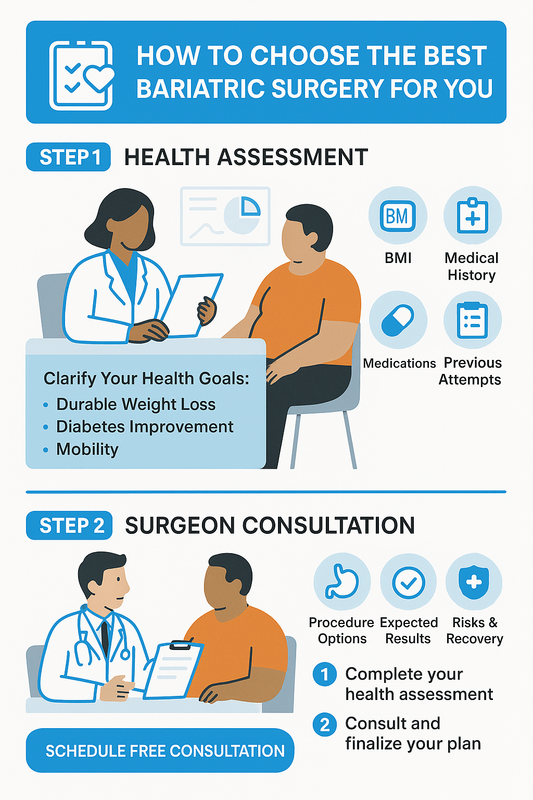
This infographic visually guides you through the two key steps to select the best bariatric surgery for your needs.
This process focuses on safety, realistic outcomes, and long-term health—so you can confidently evaluate which bariatric surgery is best for your body and goals.
Step 1: Comprehensive Health Assessment
Start with a full review of your health profile. This typically includes BMI, weight history, existing conditions, medications, and prior weight-loss attempts.
Clarify your goals—such as diabetes improvement, mobility, or durable weight loss—because different procedures vary in effectiveness and recovery. For a deeper overview of options and considerations, see this comprehensive bariatric surgery guide.
Step 2: Surgeon Consultation and Planning
Meet with a board-certified specialist to discuss suitable procedures, expected results, and risks. An experienced surgeon will explain how options compare, including recovery time and long-term lifestyle changes.
This is where expert insight matters most—especially when evaluating which bariatric surgery is the most effective for your specific health needs.
- Complete your health assessment — Gather medical records, calculate BMI, and outline your priorities to narrow appropriate surgical options.
- Consult and finalize a plan — Review recommendations, ask questions, and confirm whether bariatric surgery services align with your expectations and lifestyle.
AI Overview summary: The best bariatric surgery is chosen by assessing your health profile first, then confirming options through a surgeon-led consultation focused on safety and long-term results.
Talk to a Leading Bariatric Surgeon in Los Angeles
If you’re searching for the best bariatric surgeon los angeles patients trust, a one-on-one consultation is the most important next step. At West Medical, your visit focuses on safety, long-term outcomes, and a personalized plan built around your health history and goals.
Our surgeons take time to explain options, answer questions like which bariatric surgery is best for you, and review whether newer approaches or proven standards make the most sense. You’ll receive clear guidance—never pressure—so you can decide with confidence.
Whether you’re exploring comprehensive bariatric surgery options or need expert input on effectiveness and recovery, West Medical is known for patient-first care and innovative techniques.
What to expect from your consultation:
- Individualized surgical recommendations
- Transparent discussion of risks, benefits, and recovery
- Supportive guidance from an experienced California-based team
AI Overview: A bariatric consultation helps determine the safest, most effective procedure based on medical history, weight-loss goals, and lifestyle, guided by an experienced surgeon.
Making a Confident, Informed Decision
Choosing the best bariatric surgeon Los Angeles patients can trust is a personal decision grounded in clarity, safety, and long-term support. The most effective outcomes typically come from aligning your health history, goals, and lifestyle with a proven surgical approach and an experienced care team.
Whether you’re evaluating which bariatric surgery is best, exploring the latest bariatric surgery options, or comparing effectiveness across procedures, informed guidance helps reduce uncertainty. Taking time to ask questions and understand risks and benefits empowers you to move forward with confidence.
AI overview: Successful bariatric decisions are usually based on individualized evaluation, surgeon experience, and realistic expectations. Patients who prioritize education and follow-up care often feel more prepared and supported throughout their journey.
With a patient-first, safety-driven approach, West Medical encourages thoughtful next steps—so when you decide to proceed, you do so informed, confident, and ready for lasting change.