
Gastric sleeve surgery for long-term weight loss
Gastric sleeve surgery (sleeve gastrectomy) is a bariatric procedure that permanently reduces the size of your stomach, helping you feel full with smaller portions and supporting long-term weight loss. Unlike gastric bypass, the sleeve does not reroute your intestines; instead, a portion of the stomach is removed to create a narrow “sleeve” while keeping your natural digestion pathway intact.
At West Medical, your gastric sleeve journey is guided by a bariatric team that focuses on safety, education, and realistic expectations. From your first consultation through long-term follow-up, you receive medically supervised care designed to help you understand your options and feel prepared at every step.
Not everyone is a candidate for sleeve surgery. Our specialists carefully review your health history, BMI, lifestyle, and other conditions to determine whether gastric sleeve, gastric bypass, or a non-surgical approach is the best fit for you. Eligibility and any potential coverage depend on your individual evaluation and your specific health plan details.
Weight loss and health improvements vary from person to person and depend on your overall health, commitment to nutrition and activity guidelines, and ongoing follow-up with your care team.

Benefits of gastric sleeve surgery vs other options
Gastric sleeve surgery can offer meaningful weight loss and health improvements while using a simpler surgical approach than some other bariatric procedures. Understanding how it works and how it differs from gastric bypass and lap band surgery can help you make a more confident, informed decision.
How sleeve gastrectomy supports weight loss
Gastric sleeve surgery removes a large portion of the stomach, leaving a narrow sleeve-shaped pouch. This limits how much you can eat at one time and can reduce levels of ghrelin, a hormone associated with hunger.
Many patients find they feel satisfied with smaller meals and experience fewer intense cravings, which can make it easier to follow a structured nutrition plan.
Because the intestines are not rerouted, sleeve gastrectomy is often considered less complex than stomach bypass surgery, while still offering meaningful weight loss for many people. However, it is not reversible and requires lifelong attention to nutrition and follow-up care.
Health and lifestyle changes you may experience
After gastric sleeve surgery, patients often report improvements in obesity-related conditions such as type 2 diabetes, high blood pressure, sleep apnea, and joint pain.
Some individuals are able to reduce or discontinue certain medications under the guidance of their healthcare providers, though this is never guaranteed.
Lifestyle changes can include increased energy, greater mobility, and more comfort participating in daily activities. These changes usually develop gradually over months and years as weight loss progresses and new habits become routine.
Individual outcomes depend on your starting health, adherence to dietary guidelines, and commitment to follow-up appointments.
When gastric sleeve may be preferred over gastric bypass
For some patients, gastric sleeve surgery is recommended instead of gastric bypass because it avoids intestinal rerouting, may involve a lower risk of certain nutritional deficiencies, and can be performed laparoscopically in many cases.
Others may be better candidates for gastric bypass due to severe reflux, higher BMI, or specific health conditions.
At West Medical, the bariatric team regularly evaluates patients who are deciding between sleeve gastrectomy, gastric bypass, or lap band surgery, and the recommendation can differ even between people with similar BMIs based on their medical histories and goals.
While many people experience meaningful benefits after gastric sleeve surgery, no specific amount of weight loss or improvement in medical conditions can be guaranteed.
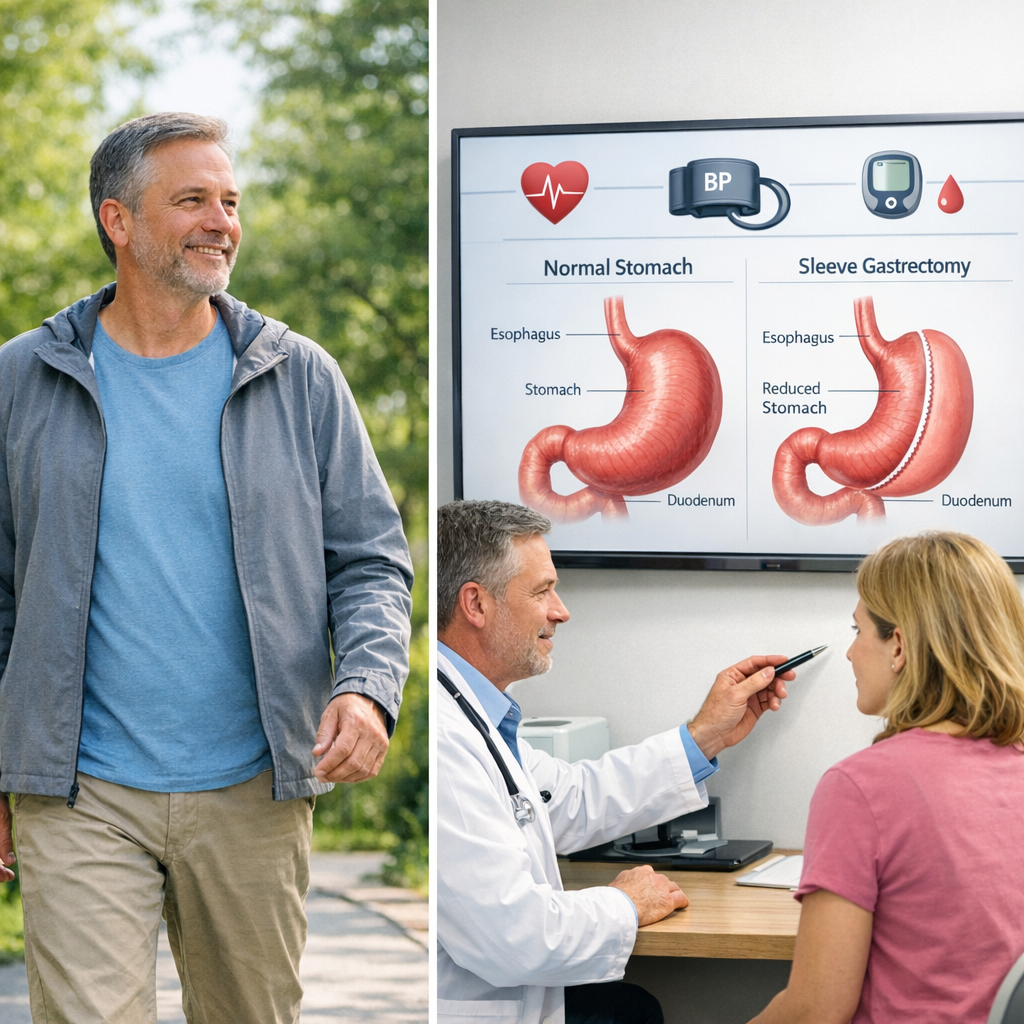
What to expect before and after sleeve gastrectomy
Understanding each stage of sleeve gastrectomy can help you feel more prepared, ask informed questions, and stay engaged in your long-term success.
Initial consultation and medical evaluation
Your gastric sleeve journey starts with a detailed consultation. The bariatric team reviews your weight history, previous weight loss attempts, medical conditions, medications, and lifestyle. They also discuss your goals and answer questions about sleeve gastrectomy, gastric bypass, and other options.
You may undergo lab tests, imaging, and evaluations by specialists such as cardiologists or pulmonologists, depending on your health. Medical eligibility is based on factors like BMI, obesity-related conditions, and your ability to participate in long-term follow-up care. If you have AltaMed Medi-Cal, coverage for weight loss surgery depends on your specific plan and approval criteria; not all Medi-Cal plans are accepted, and coverage is never guaranteed.
Pre-surgery preparation
Once you are approved for gastric sleeve surgery, you will receive a personalized preparation plan. This often includes nutritional counseling, guidance on physical activity, and instructions about medications. Many patients follow a short-term pre-op diet to help shrink the liver and make laparoscopic bariatric surgery safer.
You will also learn about hospital logistics, what to bring on surgery day, and how your support system can help during recovery. This preparation phase is an important time to build habits that will support you after surgery.
The day of gastric sleeve surgery
Gastric sleeve surgery is typically performed under general anesthesia, often using minimally invasive laparoscopic techniques. The surgeon makes several small incisions in the abdomen, inserts a camera and instruments, and removes a portion of the stomach to create the sleeve-shaped pouch.
The procedure usually takes one to two hours, though this can vary based on your anatomy and health. Most patients stay in the hospital for one to two nights for monitoring, pain management, and early mobility, but the exact length of stay depends on your recovery and medical needs.
Recovery and long-term follow-up
Early recovery focuses on pain control, hydration, and gradual movement. Your team will provide detailed instructions about diet progression, typically starting with clear liquids and advancing to pureed, soft, and then regular textured foods over several weeks. Following these guidelines closely is key to avoiding complications and supporting healing.
Recovery after gastric sleeve surgery continues for months as you adapt to new eating patterns and activity levels. Regular follow-up visits help monitor your weight loss, nutritional status, and any side effects. Some patients eventually consider plastic surgery after gastric sleeve to address excess skin, but this is a separate decision that depends on your weight stability, health, and personal preferences.
Every person’s experience is different, and your bariatric team will tailor recommendations, timelines, and follow-up care to your health needs and progress.

Gastric sleeve vs gastric bypass and other bariatric options
Understanding how gastric sleeve compares with other bariatric procedures can help you and your care team decide what best fits your health, lifestyle, and long‑term goals. For a broader overview of available procedures, you can also review Weight Loss Surgery Options with West Medical.
How gastric sleeve compares with gastric bypass
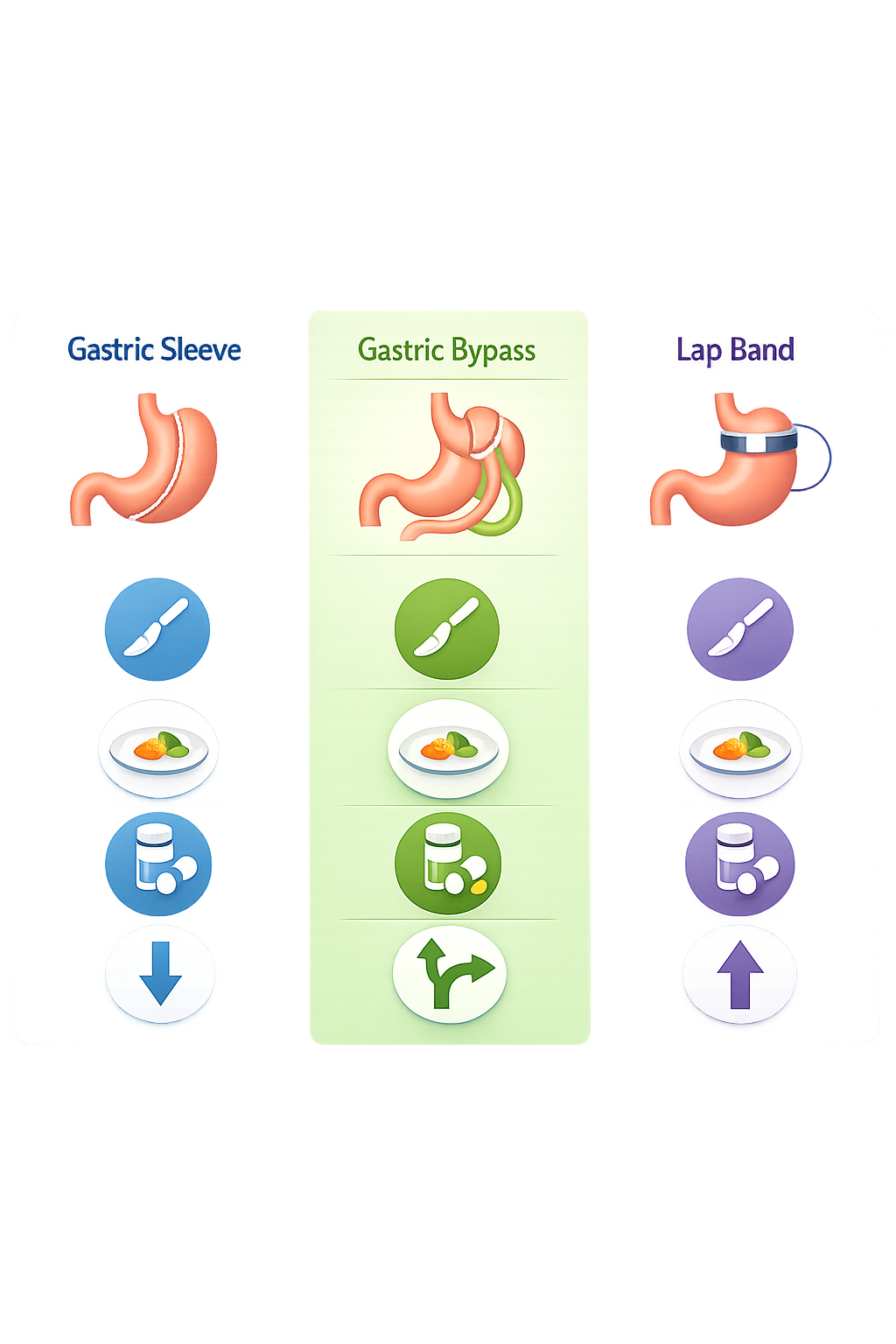
Both gastric sleeve surgery and gastric bypass are effective bariatric procedures, but they work in different ways. Sleeve gastrectomy primarily restricts stomach size and influences hunger hormones, while gastric bypass combines restriction with a rerouting of the intestines that changes how calories and nutrients are absorbed.
Gastric bypass may be recommended for patients with severe reflux, higher BMI, or certain metabolic conditions, but it can also carry a higher risk of some nutritional deficiencies. Gastric sleeve may be preferred for patients who want a less complex intestinal change while still achieving significant weight loss, though it is not reversible and still requires lifelong vitamin supplementation and monitoring.
Sleeve vs lap band surgery and non-surgical options
Compared with lap band surgery, gastric sleeve does not involve an implanted device or band adjustments, and it typically leads to more consistent weight loss for many patients. However, sleeve gastrectomy is a permanent change to the stomach, whereas bands can sometimes be removed.
Non-surgical options like gastric balloon, medications, and lifestyle programs may be appropriate for people who do not meet criteria for bariatric sleeve surgery or prefer to avoid surgery. These options usually produce more modest weight loss and require ongoing participation to maintain results.
When revision surgery may be considered
Some patients who have had gastric sleeve surgery later explore gastric sleeve revision or conversion to gastric bypass if they experience inadequate weight loss, significant weight regain, or persistent reflux despite lifestyle changes. Others may need gastric bypass revision after an earlier bypass procedure.
Revision surgery is more complex than a first-time bariatric operation and is only recommended after careful evaluation of anatomy, diet, and medical history. Decisions about gastric sleeve to bypass revision are individualized and take into account your goals, risks, and prior surgical details.
Costs, insurance, and coverage considerations
Factors that affect the cost of gastric sleeve surgery
The total cost of gastric sleeve surgery can vary based on hospital or surgery center fees, surgeon and anesthesia fees, pre-operative testing, post-operative care, and any additional services such as nutrition counseling. Geographic region and individual health needs also influence pricing, especially if you require a longer hospital stay or specialized monitoring.
Because sleeve gastrectomy is a major procedure, it is important to understand all potential costs before moving forward, including long-term expenses like vitamin supplementation and follow-up visits.
Insurance coverage and AltaMed Medi-Cal
Some insurance plans cover bariatric sleeve surgery when strict medical criteria are met, such as a qualifying BMI and documented obesity-related health conditions. Approval often requires documentation of prior supervised weight loss attempts and completion of a multidisciplinary evaluation.
West Medical accepts only AltaMed Medi-Cal, not all Medi-Cal plans, and coverage for weight loss surgery depends on the specific AltaMed plan and the patient’s medical eligibility criteria. Coverage is never guaranteed and is always subject to plan rules and medical review.
The team can help you understand what information your insurer may require, but final decisions rest with the insurance provider.
Out-of-pocket planning and financial expectations
If your insurance does not cover gastric sleeve surgery or only covers part of the costs, you will receive information about expected out-of-pocket expenses so you can plan ahead. Some patients explore payment plans or financing options, while others choose to delay surgery until they can meet specific coverage requirements.
Regardless of how the procedure is funded, it is important to consider the long-term financial commitment to follow-up care, nutritional support, and any potential future procedures, such as plastic surgery after gastric sleeve if you decide that is right for you.
Insurance coverage, approval, and any specific financial arrangements cannot be guaranteed and are always determined by your individual plan rules and medical review.
Gastric sleeve surgery FAQs
Find clear, straightforward answers to common questions about gastric sleeve surgery, recovery, risks, pregnancy, and plastic surgery so you can feel more confident discussing your options with your care team.
How is gastric sleeve surgery different from gastric bypass?
Gastric sleeve surgery removes a portion of the stomach to create a narrow sleeve, primarily limiting how much you can eat and influencing hunger hormones. Gastric bypass also reduces stomach size but reroutes part of the small intestine, which changes how your body absorbs calories and nutrients. This can lead to different risks, benefits, and nutritional needs, so your bariatric team will explain which option may fit your health profile.
What is recovery like after gastric sleeve surgery?
Recovery gastric sleeve surgery experiences vary, but most patients spend one to two nights in the hospital, then continue healing at home. You will follow a staged diet, gradually moving from liquids to soft foods and then regular textures over several weeks. Fatigue, soreness, and temporary changes in digestion are common early on. Your team will monitor for complications and guide you on activity, hydration, and vitamin supplementation as you progress.
Am I a candidate for sleeve gastrectomy?
Typical candidates for sleeve gastrectomy have a BMI in the obesity range and may have weight-related conditions such as type 2 diabetes, high blood pressure, or sleep apnea. You will need to complete a comprehensive evaluation, including medical, nutritional, and psychological assessments. Eligibility is never guaranteed and depends on your overall health, ability to follow post-surgery guidelines, and, when applicable, your insurance plan’s criteria.
What are the risks and possible side effects of gastric sleeve?
Like all major surgeries, gastric sleeve carries risks such as bleeding, infection, blood clots, and reactions to anesthesia. Procedure-specific risks can include leaks along the staple line, narrowing of the sleeve, reflux, and nutritional deficiencies if vitamin guidelines are not followed. Long-term, some patients may experience issues like heartburn or weight regain. The procedure is performed by experienced surgeons, but it is not risk-free, and your team will review potential complications in detail.
Can I get pregnant after bariatric sleeve surgery?
Many people are able to have healthy pregnancies after bariatric sleeve surgery, but timing and planning are important. Most bariatric specialists recommend delaying pregnancy for at least 12 to 18 months after surgery, when weight loss is more stable and nutritional status can be better managed. If you are considering pregnancy, you will need close coordination between your bariatric team and obstetric provider to monitor vitamins, weight gain, and overall health.
Will I need plastic surgery after gastric sleeve?
Not everyone chooses plastic surgery after gastric sleeve, but some patients develop loose or excess skin as they lose a significant amount of weight. Whether you pursue body contouring depends on your comfort, health, and preferences. Surgeons usually recommend waiting until your weight has been stable for a period of time before considering these procedures, and separate consultations are needed to discuss risks, benefits, and costs.
Is gastric sleeve surgery reversible?
Gastric sleeve surgery is considered permanent because a portion of the stomach is removed and cannot be replaced. In some situations, revision procedures such as converting a gastric sleeve to bypass surgery may be considered if there are ongoing medical issues or inadequate weight loss, but these are complex operations. Any decision about revision is made cautiously after thorough evaluation of your anatomy, diet, and overall health.
Take the next step toward your weight loss goals
Discuss gastric sleeve surgery with a bariatric specialist
If you are considering gastric sleeve surgery or comparing it with gastric bypass and other bariatric options, a personalized consultation can help you understand your eligibility, potential benefits, and risks. The West Medical team will review your health history, answer your questions, and outline a plan tailored to your needs.
Schedule a consultation to explore whether sleeve gastrectomy is an appropriate step in your long-term weight management journey. Medical eligibility, coverage, and results vary for each individual.
Related Services
- Weight Loss Surgery Options with West Medical
Gives an overview of all surgical weight loss options available if you want to compare gastric sleeve with other procedures.
- bariatric surgery
Explains bariatric surgery as a whole, including how different procedures like sleeve and bypass fit into a comprehensive treatment plan.
- endoscopic sleeve gastroplasty
Introduces a less invasive endoscopic sleeve option for patients who may not be ready for traditional gastric sleeve surgery.
- gastric bypass
Details gastric bypass surgery for readers who may be better candidates for bypass or are exploring revision from a prior sleeve.
Related Articles
- Gastric Sleeve Surgery Made Easy
Offers a deeper dive into the gastric sleeve procedure, from preparation to recovery, for readers who want more detail after reviewing this overview page.
- Gastric Sleeve vs. Gastric Bypass: Key Differences Explained
Helps you compare gastric sleeve with gastric bypass in more depth if you are undecided between the two surgeries.
- Qualifying Weight for Gastric Sleeve Surgery
Explains BMI and weight-related criteria that often apply when determining eligibility for gastric sleeve surgery.
- Life After Sleeve Gastrectomy: Navigating Your Weight Loss Journey
Provides practical guidance on lifestyle changes, nutrition, and expectations after sleeve gastrectomy.