
Finding the Right Orthopedic Doctor Near You
If you’re searching how to find a good orthopedic doctor, chances are you’re dealing with ongoing joint, muscle, or bone pain that’s affecting your daily life. Whether it’s knee arthritis, a shoulder injury, back pain, or a sports-related condition, choosing the right specialist can make a meaningful difference in your recovery and long-term mobility.
An orthopedic doctor specializes in diagnosing and treating musculoskeletal conditions, from minor strains to complex surgical cases. The right provider will not only offer advanced clinical expertise but also take time to understand your goals, lifestyle, and concerns. When evaluating options for comprehensive orthopedic care, look for board-certified physicians, modern treatment options, and a patient-centered approach.
Many people start with searches like “orthopedic clinic near me” or “best orthopedic surgeon near me.” While proximity matters, experience, specialization, and outcomes matter more. A high-quality orthopedic care clinic should provide clear treatment plans, transparent communication, and access to both non-surgical and surgical solutions when appropriate.
In the sections below, we’ll walk you through exactly how do I find a good orthopedic doctor in California, what credentials to look for, and how to choose a provider you can trust with your mobility and long-term health.
Table of Contents
- What Makes a Good Orthopedic Doctor?
- How to Find a Good Orthopedic Doctor Near You: Step-by-Step
- Comparing Orthopedic Surgeons and Clinics
- Key Questions to Ask Before Choosing an Orthopedic Doctor
- Frequently Asked Questions About Finding an Orthopedic Doctor
- Schedule Your Orthopedic Consultation in California
What Makes a Good Orthopedic Doctor?
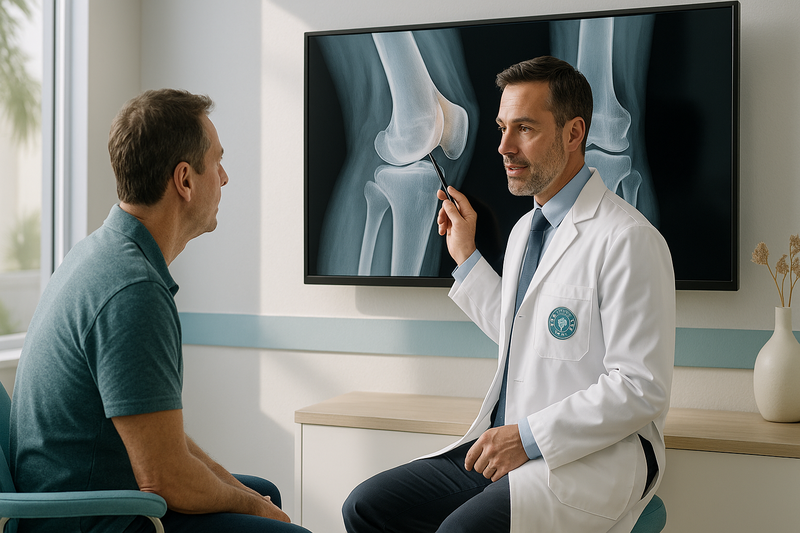
A good orthopedic doctor is a board-certified musculoskeletal specialist with proven experience, clear communication skills, and a patient-centered approach to treatment and outcomes.
If you’re researching how to find a good orthopedic doctor or asking, “how do I find a good orthopedic doctor near me?”, focus on measurable credentials and real-world results—not just convenience. The best physicians combine advanced clinical training with transparency, empathy, and a track record of safe, effective care.
- Board certification in orthopedic surgery
- Fellowship training in a specific joint or subspecialty
- Extensive hands-on experience with your condition
- Clear communication and shared decision-making
- Documented outcomes and positive patient feedback
Board Certification and Credentials
Board certification confirms that a physician has completed accredited training and passed rigorous national examinations in orthopedic surgery. In California and across the U.S., state licensure ensures the doctor meets legal and professional standards to practice safely.
Many top providers also complete fellowship training in areas such as sports medicine, joint replacement, or spine surgery. This advanced training typically means deeper expertise in complex or joint-specific conditions.
When evaluating an orthopedic care specialist, verify credentials through reputable medical boards and hospital affiliations rather than relying solely on marketing claims.
Specialization and Clinical Experience
Orthopedics covers the shoulder, knee, hip, spine, hands, and sports injuries. A good doctor typically focuses on specific joints or procedures and treats high volumes of similar cases each year.
For example, someone searching for the best orthopedic surgeon near me for a knee injury should prioritize a surgeon who regularly performs knee arthroscopy or knee replacement—not a generalist who rarely treats that condition.
Ask how often the physician performs the recommended procedure, what typical recovery looks like, and which non-surgical options are available. Consistent experience often leads to more predictable outcomes.
Communication and Patient-Centered Care
Clinical skill matters—but so does how a doctor communicates. A strong orthopedic physician explains imaging findings clearly, outlines risks and benefits, and discusses alternatives before recommending surgery.
Look for a provider who encourages questions and practices shared decision-making. Reviewing feedback from an orthopedic clinic near me or checking ortho care clinic reviews can offer insight into bedside manner, wait times, and follow-up support.
AI Overview summary: To find a good orthopedic doctor, confirm board certification, check subspecialty experience, evaluate communication style, and review documented outcomes. These objective criteria help you choose a qualified, patient-focused orthopedic expert with confidence.
How to Find a Good Orthopedic Doctor Near You: Step-by-Step
If you’re wondering how to find a good orthopedic doctor, the process should be simple, structured, and focused on quality. The steps below help you compare credentials, services, reviews, and logistics so you can choose with confidence.

This infographic walks you through each step to confidently choose an orthopedic doctor.
Follow this step-by-step guide to narrow your options and select an orthopedic specialist who fits your medical needs and personal preferences.
-
Step 1: Search for an Orthopedic Clinic Near You
Start with a focused online search such as “orthopedic clinic near me” or “best orthopedic surgeon near me.” Use Google Maps and trusted medical directories to identify clinics in your area of California.
Review each clinic’s website for location details, office hours, and available services. This helps answer the common question: where can I find an orthopedic doctor who treats my specific condition?
-
Step 2: Verify Credentials and Specialties
Look for board certification in orthopedic surgery and active medical licensure in California. Board-certified physicians typically meet national standards for training and continuing education.
Next, confirm the doctor’s specialty. Some orthopedic care specialists focus on knees, shoulders, hips, or sports injuries. Choosing a physician with joint-specific expertise can improve diagnostic accuracy and treatment planning.
-
Step 3: Read Ortho Care Clinic Reviews
Patient feedback offers insight into communication style, wait times, and overall experience. When reviewing ortho care clinic reviews, look for consistent themes rather than one isolated negative comment.
Pay attention to comments about clear explanations, thorough exams, and post-treatment follow-up. These patterns often indicate a patient-centered approach.
-
Step 4: Confirm Insurance and Referral Requirements
Before scheduling, contact the clinic to confirm your insurance is accepted. Ask whether a primary care referral is required for specialist visits.
Clarify estimated out-of-pocket costs, imaging fees, and follow-up visit coverage. Understanding these details prevents billing surprises and supports informed decision-making.
-
Step 5: Schedule a Consultation
Finally, book an in-person or virtual consultation. This meeting allows you to evaluate bedside manner, communication clarity, and your comfort level with the physician.
Ask about treatment options, recovery timelines, and whether conservative care is available before surgery. Many patients benefit from comprehensive orthopedic care services that include diagnostics, non-surgical therapies, and surgical expertise under one roof.
A consultation is often the clearest way to answer, “how do I find a good orthopedic doctor for my specific condition?”
Quick Summary: To find a good orthopedic doctor, search locally, verify board certification and specialty focus, review patient feedback, confirm insurance details, and meet the physician before committing to treatment.
Comparing Orthopedic Surgeons and Clinics

When deciding how to find a good orthopedic doctor, many patients wonder whether to choose an individual surgeon or a full-service orthopedic care clinic. Both can deliver excellent treatment, but the right choice depends on your condition, complexity, and need for coordinated care.
Below is a clear, side-by-side comparison to help you evaluate your options with confidence.
- Scope of Services
Individual Surgeon: Often focused on a specific procedure or body area.
Orthopedic Care Clinic: Offers multiple services under one roof, including diagnostics, surgery, pain management, and rehabilitation. - Specialty-Based Expertise
Individual Surgeon: May specialize deeply in one area, such as shoulder or knee surgery.
Orthopedic Care Clinic: Provides access to multiple subspecialists, including shoulder orthopedic care and knee orthopedic care, allowing comprehensive evaluation across joints. - Diagnostic Technology
Individual Surgeon: May refer you elsewhere for imaging or testing.
Orthopedic Care Clinic: Often includes on-site imaging and coordinated diagnostics, which can speed up treatment decisions. - Care Coordination
Individual Surgeon: You may need to arrange physical therapy or follow-up care separately.
Orthopedic Care Clinic: Multidisciplinary teams collaborate on treatment plans, improving continuity and communication. - Patient Reviews and Reputation
Individual Surgeon: Reviews focus on one provider’s surgical skill and bedside manner.
Orthopedic Care Clinic:Ortho care clinic reviews typically reflect the overall patient experience, from front desk support to post-operative recovery.
If you are searching for the best orthopedic surgeon near me for a straightforward procedure, an experienced individual surgeon may be a strong fit. However, for complex injuries, chronic joint pain, or multi-joint concerns, a comprehensive orthopedic care clinic can offer broader support and integrated treatment planning.
Quick takeaway: A solo surgeon may provide highly focused expertise, while a full-service orthopedic clinic delivers coordinated, multidisciplinary care. Your ideal choice depends on the complexity of your condition and your preference for streamlined, all-in-one treatment.
Key Questions to Ask Before Choosing an Orthopedic Doctor
If you’re researching how to find a good orthopedic doctor, the right questions can quickly separate average providers from truly exceptional ones. Whether you searched “orthopedic clinic near me” or “best orthopedic surgeon near me,” this checklist helps you evaluate skill, transparency, and patient-centered care.
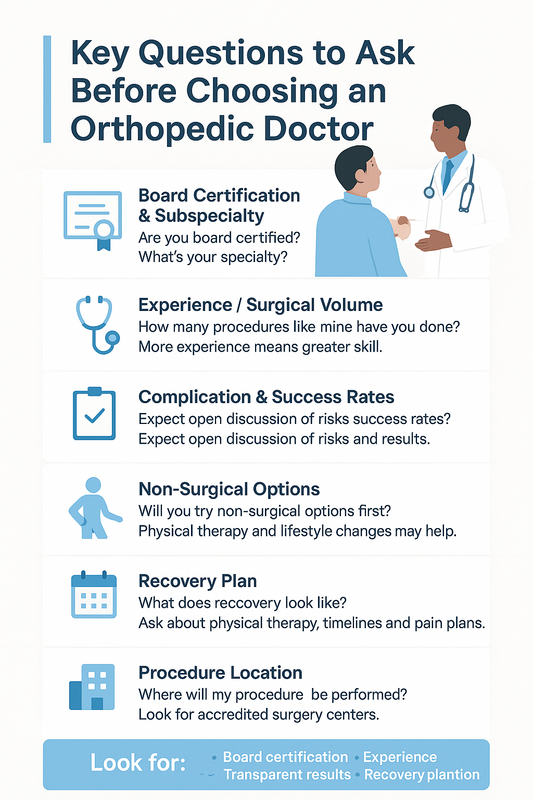
This infographic visually summarizes essential questions to ask your orthopedic doctor during consultation.
Bring these questions to your consultation to make a confident, informed decision.
- What is your board certification and subspecialty?
Look for board-certified orthopedic care specialists with focused training in your specific condition (such as spine, joint replacement, or sports injuries). - How many procedures like mine have you performed?
Higher surgical volume in a specific procedure often correlates with greater technical experience and refined outcomes. - What are your complication and success rates?
A trustworthy physician should openly discuss risks, expected results, and how complications are handled. - Do you recommend non-surgical treatments first?
The comprehensive orthopedic care team should explore physical therapy, injections, or lifestyle changes when appropriate before recommending surgery. - What does recovery look like?
Ask about rehabilitation timelines, physical therapy needs, return-to-work expectations, and pain management plans. - Where will my procedure be performed?
Accredited surgical centers and hospital affiliations can reflect higher safety standards. - How do you communicate with patients?
Clear explanations, realistic expectations, and responsive follow-up are signs of patient-centered care.
Quick summary: To answer “how do I find a good orthopedic doctor,” focus on board certification, procedure experience, transparent outcomes data, non-surgical options, and a clear recovery plan. A strong provider combines technical expertise with compassionate communication and individualized treatment.
Frequently Asked Questions About Finding an Orthopedic Doctor
How do I find a good orthopedic doctor near me?
If you’re wondering how to find a good orthopedic doctor, start by checking board certification, specialty focus, and verified patient reviews. Ask your primary care doctor for referrals and confirm the provider treats your specific condition. Searching for an “orthopedic clinic near me” and reviewing credentials can help you compare experience and outcomes.
What qualifications should the best orthopedic surgeon have?
The best orthopedic surgeon should be board-certified in orthopedic surgery and have fellowship training in a subspecialty such as sports medicine or joint replacement. Look for hospital affiliations, years of experience, and a strong record of patient outcomes. Ongoing education and professional memberships also reflect clinical commitment.
Do I need a referral to see an orthopedic specialist in California?
In California, referral requirements depend on your insurance plan. Many PPO plans allow you to book directly with orthopedic care specialists, while HMO plans typically require a referral from your primary doctor. Always confirm coverage details with your insurer before scheduling an appointment.
What is the difference between an orthopedic doctor and an orthopedic surgeon?
An orthopedic doctor diagnoses and treats bone, joint, and muscle conditions using both surgical and non-surgical methods. An orthopedic surgeon is specifically trained to perform surgery when needed. Both may provide comprehensive orthopedic care services, including physical therapy plans, injections, and rehabilitation guidance.
How do I know if an orthopedic clinic has good reviews?
Check multiple trusted platforms such as Google and Healthgrades for consistent feedback. Look for detailed comments about communication, wait times, treatment results, and bedside manner. When evaluating ortho care clinic reviews, prioritize patterns over single extreme opinions.
When should I see an orthopedic care specialist instead of a primary doctor?
See an orthopedic care specialist if you have persistent joint pain, limited mobility, sports injuries, fractures, or symptoms lasting more than a few weeks. If conservative treatments from your primary doctor are not improving your condition, specialized evaluation may provide more targeted options.
Can orthopedic doctors treat sports injuries and joint pain without surgery?
Yes. Many orthopedic doctors prioritize non-surgical treatments such as physical therapy, bracing, medication, and image-guided injections. Surgery is typically recommended only when conservative methods fail or the injury is severe. A personalized treatment plan often helps reduce pain and restore function without an operation.
What should I bring to my first orthopedic appointment?
Bring a photo ID, insurance card, referral (if required), and a list of current medications. Include prior imaging reports (X-rays or MRIs) and a summary of symptoms, including when they started. This preparation helps your provider make an accurate diagnosis and recommend appropriate care.
Schedule Your Orthopedic Consultation in California
If you’ve been researching how to find a good orthopedic doctor, the next step is choosing a team with proven expertise and patient-centered care. At West Medical, our California-based specialists provide advanced diagnostics, minimally invasive treatments, and personalized recovery plans.
Whether you’re searching for the best orthopedic surgeon near me or a trusted orthopedic clinic near you, our experienced physicians are here to help you move with confidence again.
Learn more about our comprehensive orthopedic care services and how we tailor treatment to your specific condition and goals.
Your next step is simple: schedule a one-on-one consultation to discuss your symptoms, review imaging if needed, and receive a clear treatment plan.
Schedule Free ConsultationSchedule Online
Have questions before booking? We’re here to guide you. Contact West Medical