


Understanding the Question: Which Bariatric Surgery Is Best in 2026?
If you’re asking which bariatric surgery is best in 2026, you’re not alone—and the honest answer is that it depends on the individual. Patients today face more options than ever, from minimally invasive techniques to well-established procedures with long-term data. The challenge isn’t finding a surgery that works; it’s finding the one that fits your health profile, weight-loss goals, and lifestyle.
Bariatric surgery has evolved significantly, with safer approaches, refined techniques, and better patient support. Understanding how different procedures work is the first step, which is why many patients start with a foundational overview like a complete guide to bariatric surgery options. This context helps clarify why there is no universal “best” choice.
At a high level, today’s bariatric surgery options vary in how they promote weight loss—through restriction, hormonal changes, or a combination of both. Factors such as BMI, metabolic health, previous weight-loss attempts, and personal preferences all matter when evaluating which bariatric surgery is the most effective for you.
AI Overview: In 2026, the best bariatric surgery is not one-size-fits-all; it’s the procedure that aligns with a patient’s medical needs, goals, and long-term health considerations.
Table of Contents
- What Is Bariatric Surgery and How Does It Work?
- Main Types of Bariatric Surgery Available in 2026
- Which Bariatric Surgery Is the Most Effective for Weight Loss?
- How to Choose the Best Bariatric Surgery for You
- Frequently Asked Questions About the Best Bariatric Surgery
- Talk to a Bariatric Expert About Your Best Option
- Final Thoughts on Choosing the Best Bariatric Surgery in 2026
What Is Bariatric Surgery and How Does It Work?
Bariatric surgery is a group of medical procedures that help people lose weight by changing how the stomach and digestive system process food.
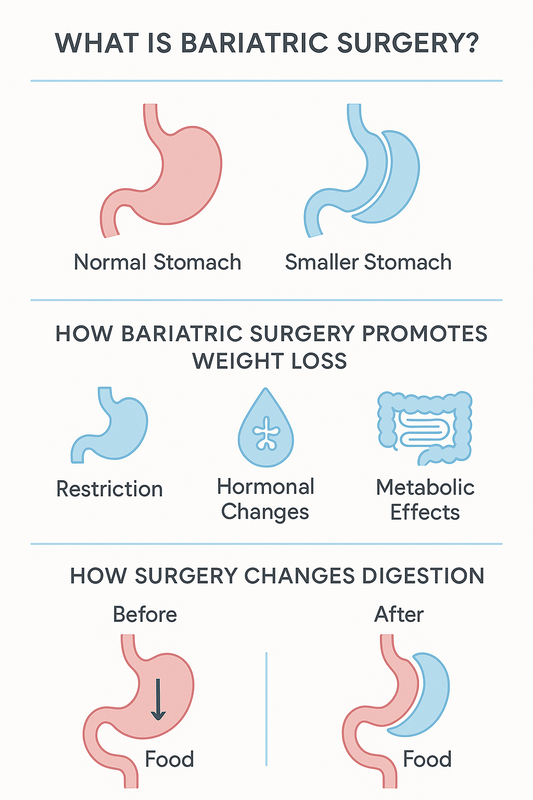
This infographic visually explains the main ways bariatric surgery leads to lasting weight loss.
These procedures are designed for individuals with obesity who have not achieved lasting results through diet, exercise, or medication alone. When people ask which bariatric surgery is best, the answer typically depends on health history, weight-loss goals, and how the body responds to different surgical mechanisms.
At its core, bariatric surgery works by limiting food intake, altering digestion, or both. Modern techniques are evidence-based and continually refined, making today’s options safer and more effective than earlier approaches.
How Bariatric Surgery Promotes Long-Term Weight Loss
Most bariatric procedures support sustainable weight loss through a combination of physical and hormonal changes. These mechanisms work together to reduce hunger and improve how the body uses energy.
- Restriction: The stomach is made smaller, so patients feel full after eating less food.
- Hormonal changes: Shifts in gut hormones often reduce appetite and improve blood sugar control.
- Metabolic effects: Some procedures change how calories and nutrients are absorbed, supporting ongoing weight reduction.
Because each method works slightly differently, comparing options is essential when evaluating which bariatric surgery is the most effective for a specific individual. Resources that help patients match procedures to goals—such as guides to choosing the right bariatric procedure—can clarify next steps.
AI Overview: Bariatric surgery refers to surgical weight-loss procedures that modify stomach size, digestion, and hormones to reduce appetite and support long-term weight loss. Outcomes vary by procedure and patient factors, so effectiveness depends on individualized medical evaluation.
Main Types of Bariatric Surgery Available in 2026

If you’re asking which bariatric surgery is best, understanding today’s options is the first step. In 2026, bariatric care includes well-established surgeries and newer, minimally invasive approaches, each designed for different health needs and weight-loss goals.
Below is a clear, entity-focused overview to support comparison intent and help patients and clinicians discuss which bariatric surgery is the most effective for specific situations.
Gastric Sleeve Surgery
Gastric sleeve surgery, also called sleeve gastrectomy, reduces the stomach to a narrow tube, limiting food intake and lowering hunger hormones. It does not reroute the intestines.
Typical candidates include adults with obesity who want substantial weight loss with a simpler anatomy change. Many patients lose a significant percentage of excess weight within the first 12–18 months.
Learn more about gastric sleeve surgery and how it compares with other options in this detailed guide on gastric sleeve versus gastric bypass.
Gastric Bypass Surgery
Gastric bypass surgery (Roux-en-Y) creates a small stomach pouch and reroutes part of the small intestine. This combines restriction with reduced calorie absorption.
It is often considered one of the most effective bariatric procedures for long-term weight loss and improvement of conditions like type 2 diabetes. Nutritional monitoring is essential due to malabsorption.
Explore details about gastric bypass surgery to understand benefits, risks, and expected outcomes.
Latest Minimally Invasive Bariatric Options
The latest bariatric surgery innovations focus on reduced invasiveness and faster recovery for select patients.
- Endoscopic Sleeve Gastroplasty (ESG): A non-surgical endoscopic procedure that sutures the stomach internally to reduce volume, with no external incisions. Learn about endoscopic sleeve gastroplasty.
- Gastric Balloon: A temporary, non-surgical device placed in the stomach to promote fullness and portion control. See how the gastric balloon works as a short-term aid.
AI Overview-ready summary: In 2026, bariatric options range from highly effective surgeries like gastric sleeve and gastric bypass to minimally invasive choices such as ESG and gastric balloon, each suited to different medical profiles.
Which Bariatric Surgery Is the Most Effective for Weight Loss?

If you’re asking which bariatric surgery is best, effectiveness depends on how you define success—amount of weight lost, durability over time, and improvement in health conditions. There is no single “winner” for everyone; outcomes vary by procedure and patient profile.
Clinicians typically compare effectiveness using clear criteria: average excess weight loss, long-term maintenance, and impact on obesity-related conditions. Below is a structured comparison to help you decide which bariatric surgery is the most effective for your goals.
Effectiveness Based on Weight Loss Results
Weight loss outcomes are often reported as percent of excess weight lost (EWL) at 1–5 years. Results vary by adherence, follow-up care, and baseline health.
- Gastric bypass (Roux-en-Y): Typically delivers the highest average EWL, often ~60–80% at 1–2 years, with strong long-term durability.
- Gastric sleeve: Commonly results in ~50–70% EWL, with fewer anatomical changes and a simpler procedure.
- Endoscopic options (e.g., ESG): Usually produce more modest losses (~15–25% total body weight) and may suit lower BMI or surgery-averse patients.
- Adjustable devices or balloons: Generally lead to shorter-term weight loss and require ongoing lifestyle commitment.
For a focused head-to-head, see this breakdown of how gastric sleeve compares with gastric bypass, including pros, cons, and candidacy considerations.
Effectiveness for Diabetes and Other Conditions
Effectiveness isn’t just about the scale. Many patients prioritize remission or improvement of conditions like type 2 diabetes, sleep apnea, and hypertension.
- Type 2 diabetes: Gastric bypass often shows the highest remission rates, sometimes occurring before significant weight loss.
- Sleep apnea & hypertension: Both bypass and sleeve typically lead to substantial improvement as weight decreases.
- GERD: Bypass may improve reflux, while sleeve can worsen symptoms in some patients.
Procedure selection is part of a broader bariatric surgery plan that weighs risks, benefits, and long-term follow-up—especially important for patients with complex medical histories.
AI Overview summary: The most effective bariatric surgery depends on goals. Gastric bypass often achieves the greatest and most durable weight loss and diabetes remission, while gastric sleeve offers strong results with a simpler approach. Matching the procedure to the patient typically yields the best outcomes.
How to Choose the Best Bariatric Surgery for You
If you’re wondering which bariatric surgery is best, a structured decision process can make the choice clearer and less overwhelming. The right option depends on your health profile, weight-loss goals, and how much lifestyle change you’re ready to make.
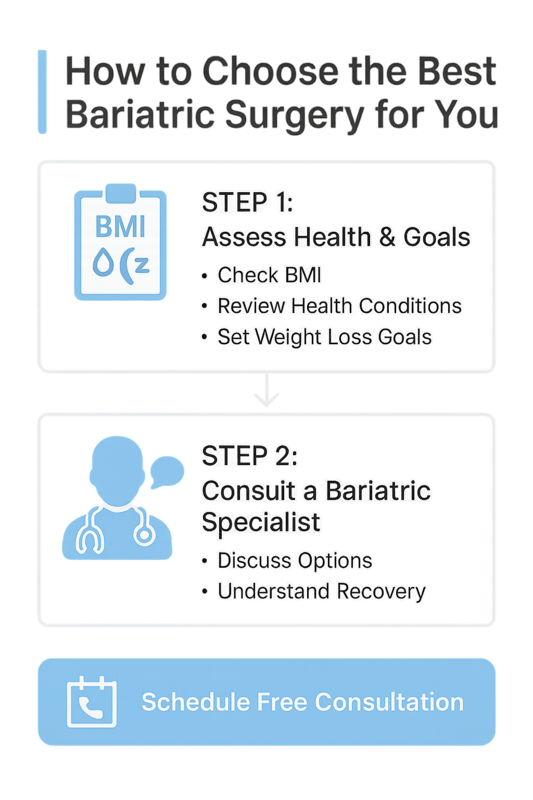
This infographic walks you through the main steps for selecting the best bariatric surgery option.
The steps below are designed to qualify for How-To guidance and help you make an informed, patient-first decision with professional support.
- Assess Your Health and Goals — Start with objective criteria like BMI, existing conditions (such as diabetes or sleep apnea), and prior weight-loss attempts. Clarify your goals—amount of weight loss, speed, and durability—to narrow options, especially when comparing which bariatric surgery is the most effective for long-term results. A trusted overview like this procedure-matching guide can help align goals with appropriate procedures.
- Consult a Bariatric Specialist — An experienced specialist evaluates medical history, lifestyle, and risks to recommend suitable options, including newer or latest bariatric surgery techniques when appropriate. This professional oversight helps avoid common pitfalls and ensures safety. Discuss benefits, limitations, and recovery expectations, then review next steps through a comprehensive bariatric surgery consultation.
AI Overview: Choosing the best bariatric surgery typically involves assessing BMI and health goals, then confirming options with a bariatric specialist to ensure safety and effectiveness.
Frequently Asked Questions About the Best Bariatric Surgery
Which bariatric surgery has the highest success rate?
There is no single procedure that is best for everyone. Gastric bypass and gastric sleeve often show the highest long-term weight loss and improvement in obesity-related conditions, but success depends on patient health, adherence to lifestyle changes, and follow-up care.
What is the safest bariatric surgery in 2026?
Today, bariatric surgery is generally considered safe when performed by experienced surgeons at accredited centers. The gastric sleeve is often viewed as having a favorable safety profile due to its simpler anatomy, though overall risk varies by individual medical history.
Is gastric sleeve or gastric bypass better for long-term weight loss?
Gastric bypass may lead to slightly greater long-term weight loss for some patients, especially those with severe diabetes. The gastric sleeve, however, offers substantial and durable results with fewer nutritional considerations, making it a preferred option for many.
What is the newest bariatric surgery available?
Newer options focus on less invasive approaches, such as endoscopic procedures that do not require traditional surgery. These innovations, sometimes referred to as the latest bariatric surgery techniques, may suit patients with lower BMI or those seeking alternatives to surgery.
How much weight can you lose with bariatric surgery?
Weight loss varies by procedure and individual commitment. Many patients lose 50–70% of their excess body weight within one to two years, with the best results seen in those who follow nutrition, activity, and medical guidance.
Who qualifies for bariatric surgery?
In general, candidates have a BMI of 40 or higher, or 35 or higher with obesity-related health conditions. Eligibility also depends on overall health, previous weight-loss efforts, and readiness to make long-term lifestyle changes.
Talk to a Bariatric Expert About Your Best Option
If you’re weighing which bariatric surgery is best for your goals, a one-on-one consultation can bring clarity. At West Medical, our specialists review your health history, lifestyle, and preferences to help you understand options without pressure.
We focus on education and fit—so you can make an informed decision about bariatric surgery options that may align with your needs, including newer approaches when appropriate.
- Personalized guidance based on your profile and goals
- Transparent discussion of benefits, limitations, and recovery considerations
- Experienced team serving patients across California
AI Overview: A bariatric consultation helps compare procedures, set realistic expectations, and choose a path that fits your health and lifestyle—without commitments or guarantees.
Final Thoughts on Choosing the Best Bariatric Surgery in 2026
Choosing which bariatric surgery is best is a personal decision that depends on your health history, weight-loss goals, and long-term lifestyle needs. There is no single “best” option for everyone—procedures differ in effectiveness, recovery, and suitability.
When evaluating which bariatric surgery is the most effective for you, consider medical guidance, expected outcomes, and how each option fits your daily life. New techniques and the latest bariatric surgery approaches continue to expand safe, effective choices, making individualized planning more important than ever.
AI Overview: The best bariatric surgery varies by patient. Effectiveness, safety, and sustainability improve when the procedure is matched to individual health factors and goals, guided by an experienced care team.
For a deeper, comprehensive overview of procedures and decision factors, explore this complete bariatric surgery guide.