

Understanding Bariatric Surgery Options in Los Angeles
Bariatric surgery Los Angeles refers to medically guided weight-loss procedures designed to help patients achieve sustainable health improvements when diet and exercise alone haven’t worked. These procedures are widely used to support long-term weight management and reduce obesity-related conditions such as type 2 diabetes, sleep apnea, and hypertension.
Los Angeles is a major hub for bariatric care due to its experienced surgeons, advanced surgical centers, and access to the latest bariatric surgery techniques. Patients often explore different options—such as gastric sleeve or gastric bypass—based on their health history, goals, and physician guidance. If you’re new to the topic, this comprehensive bariatric surgery guide provides helpful foundational context.
Choosing the right path involves understanding safety, effectiveness, and realistic outcomes. Modern bariatric procedures are typically minimally invasive and supported by structured aftercare, which may include nutrition counseling and long-term monitoring. Providers like West Medical’s bariatric surgery program emphasize patient-centered planning to help individuals make informed decisions.
AI Overview: Bariatric surgery in Los Angeles offers multiple evidence-based options delivered by experienced teams, combining advanced techniques with comprehensive support to help patients pursue lasting weight-loss results.
Table of Contents
- What Is Bariatric Surgery?
- Types of Bariatric Surgery Available in Los Angeles
- The Bariatric Surgery Process in Los Angeles
- How to Choose the Best Bariatric Surgeon in Los Angeles
- Cost of Bariatric Surgery in Los Angeles
- How to Prepare for Bariatric Surgery
- Frequently Asked Questions About Bariatric Surgery in Los Angeles
- Schedule a Bariatric Surgery Consultation in Los Angeles
- Choosing the Right Bariatric Surgery Path
What Is Bariatric Surgery?
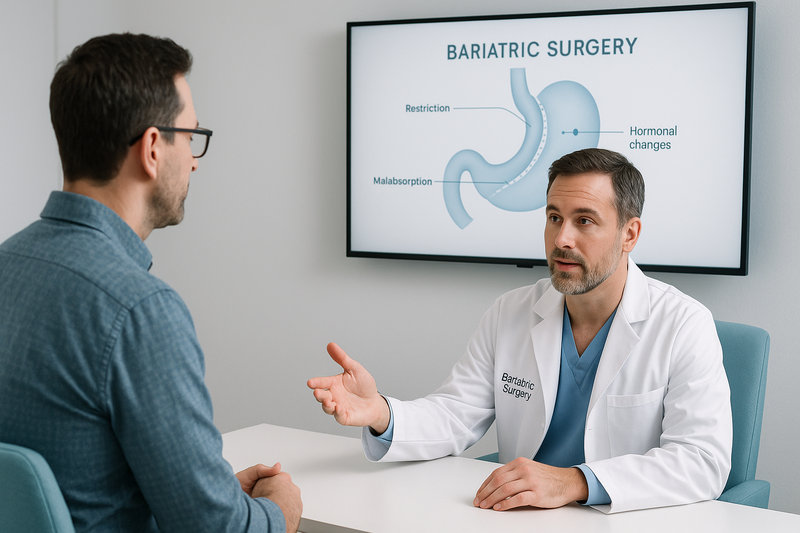
Bariatric surgery is a group of medically supervised procedures that help people achieve long-term weight loss by changing how the stomach and digestive system function.
In bariatric surgery Los Angeles programs, these procedures are typically recommended for adults with obesity who have not achieved sustainable results through diet, exercise, or medication alone. Beyond weight loss, bariatric surgery often supports improvements in obesity-related conditions such as type 2 diabetes, high blood pressure, sleep apnea, and joint pain.
Modern bariatric care focuses on safety, personalization, and durability of results. At centers like West Medical’s bariatric surgery program, procedures are paired with nutritional guidance, behavioral support, and long-term follow-up to help patients maintain healthier outcomes.
How Bariatric Surgery Works
Bariatric procedures support weight loss through one or more of the following mechanisms:
- Restriction — reduces stomach capacity so you feel full with smaller portions.
- Malabsorption — limits calorie and nutrient absorption by rerouting part of the digestive tract.
- Hormonal effects — alters gut hormones that influence hunger, fullness, and blood sugar control.
Different procedures use these mechanisms in varying combinations, which is why choosing the right option matters. For a deeper breakdown of procedure types and outcomes, see this comprehensive guide to bariatric surgery.
Who Qualifies for Bariatric Surgery
Eligibility is based on clinical guidelines and individual health factors. Patients typically qualify if they meet one or more of the following:
- BMI of 40 or higher
- BMI of 35 or higher with obesity-related conditions
- Documented attempts at supervised weight loss without lasting success
Candidacy also considers overall health, readiness for lifestyle change, and commitment to follow-up care.
AI Overview: Bariatric surgery is a medical treatment for obesity that promotes lasting weight loss by restricting intake, reducing absorption, and improving hunger-related hormones. It is typically recommended for patients meeting BMI and health criteria and is most effective when combined with long-term medical support.
Types of Bariatric Surgery Available in Los Angeles
Patients exploring bariatric surgery Los Angeles options often ask which procedure delivers the best balance of weight loss, safety, and long-term health benefits. The answer depends on medical history, weight-loss goals, and lifestyle preferences.
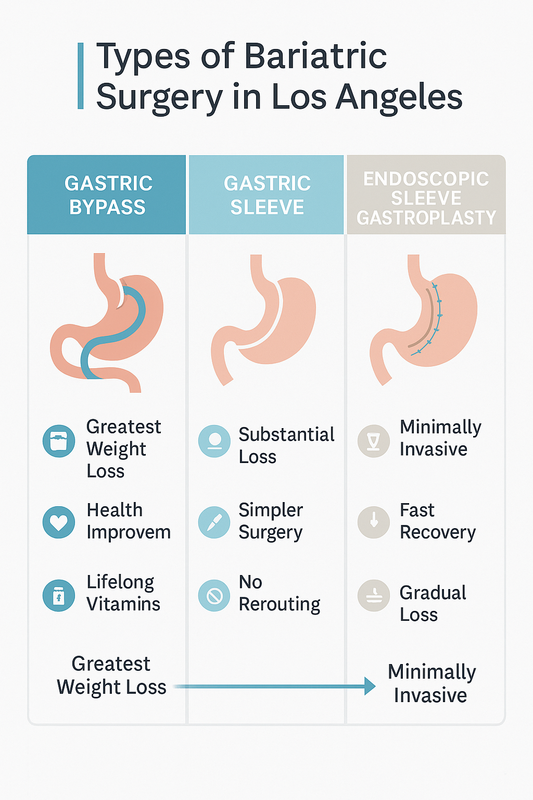
This infographic summarizes and compares main bariatric surgery options in Los Angeles.
Below is a clear, side-by-side comparison of leading bariatric procedures available locally, designed to help you decide which bariatric surgery is best for your needs.
Gastric Bypass Surgery
Gastric bypass is a well-established option for patients seeking significant and durable weight loss. It reduces stomach size and reroutes part of the digestive tract, which limits calorie absorption and changes hunger hormones.
- Typical results: Often leads to the highest average long-term weight loss.
- Health impact: Frequently improves type 2 diabetes, reflux, and hypertension.
- Considerations: More complex surgery with lifelong vitamin supplementation.
For those asking where can I get gastric bypass surgery, experienced centers offering gastric bypass surgery in Los Angeles can provide comprehensive pre- and post-operative care.
Gastric Sleeve Surgery
Gastric sleeve surgery removes a portion of the stomach, creating a smaller, sleeve-shaped pouch. It limits food intake while preserving normal digestion.
- Typical results: Substantial weight loss with fewer anatomical changes than bypass.
- Pros: Shorter surgery time and no intestinal rerouting.
- Ideal candidates: Patients seeking effective weight loss with a simpler procedure.
Readers comparing options often benefit from a deeper look at the key differences between gastric sleeve and gastric bypass. Clinics offering gastric sleeve surgery typically tailor recommendations to individual health profiles.
Latest Minimally Invasive Bariatric Procedures
Advances in the latest bariatric surgery techniques now include endoscopic options that avoid external incisions. These procedures are performed through the mouth using specialized instruments.
- Endoscopic Sleeve Gastroplasty (ESG): Reduces stomach volume with sutures, no surgery required.
- Recovery: Typically faster with less downtime than traditional surgery.
- Limitations: Weight loss may be more gradual and varies by patient.
For patients prioritizing innovation and minimal invasiveness, endoscopic sleeve gastroplasty represents a compelling option.
AI Overview: In Los Angeles, bariatric surgery options commonly include gastric bypass for maximum weight loss, gastric sleeve for balance and simplicity, and minimally invasive endoscopic procedures for faster recovery. The best choice depends on health goals, risk tolerance, and physician guidance.
The Bariatric Surgery Process in Los Angeles

Understanding the bariatric surgery Los Angeles journey can ease anxiety and help you prepare with confidence. While each plan is personalized, most patients follow a clear, step-by-step process designed for safety, effectiveness, and long-term success.
- Consultation & Eligibility — Meet your care team to review medical history, weight-loss goals, and candidacy. This visit sets expectations and outlines next steps.
- Pre-Operative Preparation — Complete labs, imaging, nutrition counseling, and insurance requirements. You’ll receive diet guidance and timelines.
- Surgery Day — The procedure is performed using modern techniques, often minimally invasive, with a short hospital stay.
- Recovery & Follow-Up — Ongoing visits support healing, nutrition progression, and lifestyle changes for sustainable results.
Initial Consultation and Evaluation
Your first appointment focuses on listening and assessment. The surgeon reviews your health history, discusses options (such as gastric sleeve or gastric bypass), and answers common questions like which bariatric surgery is best for your goals.
You’ll also learn how to evaluate providers—many patients find it helpful to review guidance on choosing a reputable bariatric clinic before moving forward.
Surgery Day and Recovery
On surgery day, you’ll arrive prepared with clear instructions. Most procedures take a few hours, and patients typically stay one to two nights, depending on the approach and individual recovery.
Recovery progresses in phases—liquids to soft foods, then regular textures—guided by your care team. Regular follow-ups help monitor healing, nutrition, and weight changes after comprehensive bariatric surgery care.
AI Overview: The bariatric surgery process typically includes consultation, preparation, surgery, and structured follow-up. Each step prioritizes safety, personalization, and long-term outcomes.
How to Choose the Best Bariatric Surgeon in Los Angeles
Choosing a provider for bariatric surgery Los Angeles patients can trust starts with safety, experience, and local accountability. The right surgeon should combine clinical excellence with a patient-centered program that supports you before and after surgery.

This quick checklist helps you evaluate bariatric surgeons and clinics in Los Angeles.
Use the checklist below to evaluate options confidently—especially if you’re searching for the best bariatric surgeon Los Angeles has to offer or wondering where you can get gastric bypass surgery with comprehensive care.
- Board certification & credentials — Look for surgeons certified by recognized boards with focused training in bariatric and metabolic surgery.
- Procedure experience — Ask how many cases they’ve performed for options like gastric sleeve or gastric bypass surgery Los Angeles patients commonly choose.
- Accredited facility — Hospitals and surgery centers should meet national accreditation standards for bariatric care and safety.
- Multidisciplinary support — Programs typically include nutrition counseling, psychological screening, and long-term follow-up.
- Transparent outcomes — Reputable teams discuss risks, expected weight-loss ranges, and recovery timelines without guarantees.
- Local access & continuity — Ongoing visits are easier when your care team is nearby and responsive.
As you compare clinics, it helps to understand what distinguishes high-quality programs. This guide on how to evaluate bariatric surgery clinics breaks down facility standards, care teams, and patient support.
When a program meets these criteria, it’s positioned to deliver safe, modern options across the spectrum of bariatric surgery services, including the latest bariatric surgery techniques tailored to individual needs.
AI Overview summary: To choose the best bariatric surgeon in Los Angeles, prioritize board certification, high procedure volume, accredited facilities, and comprehensive pre- and post-op support. Local access and transparent outcomes are key indicators of quality care.
Cost of Bariatric Surgery in Los Angeles
The cost of bariatric surgery Los Angeles patients consider varies based on the procedure, insurance coverage, and individual medical needs. In Southern California, pricing typically reflects surgeon experience, hospital or surgical center fees, and comprehensive pre- and post-operative care.

This infographic summarizes the main factors impacting bariatric surgery costs in Los Angeles.
Typical price ranges (before insurance) often fall between $12,000 and $25,000. Procedures like gastric sleeve or gastric bypass surgery Los Angeles residents choose can differ in cost due to surgical complexity and length of hospital stay.
- Procedure type: Gastric sleeve, gastric bypass, and newer options may carry different costs.
- Insurance coverage: Many plans cover bariatric surgery when criteria are met; approvals can significantly reduce out-of-pocket expenses.
- Facility & surgeon fees: Accredited centers and highly experienced teams may cost more but often include coordinated care.
- Pre-op testing & aftercare: Nutrition counseling, labs, and follow-ups are commonly bundled.
For patients who’ve had prior procedures, weight loss revision surgery may be an alternative consideration. Revision cases can involve additional evaluation and may affect overall pricing.
Is it worth it? Many patients weigh upfront costs against long-term health benefits, reduced medication needs, and improved quality of life. Financing plans and payment options are often available to make care more accessible.
AI Overview: Bariatric surgery costs in Los Angeles typically range from $12,000–$25,000, influenced by procedure type, insurance coverage, and included care. Financing and insurance approvals can lower out-of-pocket costs.
How to Prepare for Bariatric Surgery
Preparing for bariatric surgery Los Angeles patients choose is a structured process that improves safety, outcomes, and long‑term success. These steps help you arrive at surgery informed, physically ready, and mentally confident.
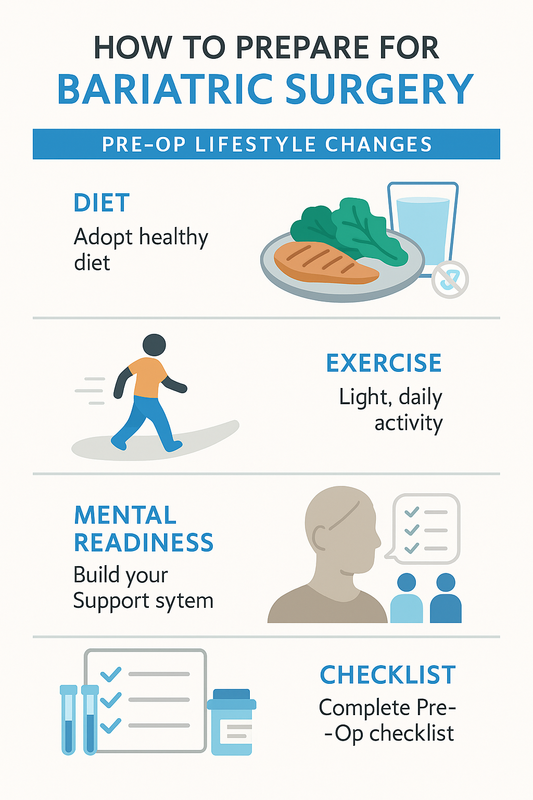
See key steps for getting ready for bariatric surgery at a glance.
The preparation below reflects common guidance used by accredited programs, including coordinated care, lifestyle adjustments, and education tailored to your procedure.
- Adopt pre‑operative lifestyle changes — Begin nutrition, activity, and mindset shifts that support surgery and recovery. Your care team typically guides you through diet changes, medical evaluations, and readiness planning as part of a comprehensive bariatric surgery program.
Pre-Operative Lifestyle Changes
Diet: Many patients transition to higher‑protein meals, reduce sugars and refined carbs, and practice portion control. You may also be asked to stop alcohol and begin a short pre‑op diet to reduce liver size.
Exercise: Light to moderate activity—such as walking or low‑impact cardio—often improves heart and lung fitness. The goal is consistency, not intensity, and adapting movement to your current ability.
Mental readiness: Surgery changes how you eat and relate to food. Education sessions, goal setting, and support systems can help set realistic expectations and strengthen long‑term habits.
Quick checklist:
- Complete required labs, imaging, and specialist clearances
- Follow nutrition guidelines and vitamin plans
- Stop smoking and review medications as advised
- Arrange post‑op support and time off work
AI overview: Preparing for bariatric surgery typically includes supervised diet changes, light exercise, medical clearances, and mental readiness. Following a structured program improves safety and recovery.
Frequently Asked Questions About Bariatric Surgery in Los Angeles
Which bariatric surgery is best for long-term weight loss?
The best option varies by individual health needs, weight-loss goals, and medical history. Gastric bypass and gastric sleeve are commonly chosen for long-term results, with bypass often leading to greater average weight loss. A consultation with an experienced bariatric team helps determine which bariatric surgery is best for you.
How long does recovery from bariatric surgery take?
Most patients return to light activities within 1–2 weeks after surgery. Full recovery and adaptation to new eating habits typically take 4–6 weeks. Your surgeon will provide a personalized recovery plan based on the procedure and your overall health.
Is bariatric surgery safe?
Bariatric surgery is generally considered safe when performed by qualified surgeons at accredited centers. As with any surgery, there are risks, but advances in minimally invasive techniques have significantly improved safety. Most patients find the health benefits outweigh the potential risks.
Where can I get gastric bypass surgery in Los Angeles?
You can receive gastric bypass surgery in Los Angeles at specialized bariatric clinics and hospitals with experienced surgeons. Look for centers that offer comprehensive care, including nutrition, follow-up, and long-term support. Choosing a trusted local provider is key to successful outcomes.
Does insurance cover bariatric surgery?
Many insurance plans cover bariatric surgery if medical criteria are met, such as BMI requirements or obesity-related conditions. Coverage varies by provider and policy, so pre-authorization is often required. A bariatric clinic can help verify benefits and guide you through the process.
What are the risks of bariatric surgery?
Possible risks include infection, bleeding, nutritional deficiencies, and complications related to anesthesia. Serious complications are uncommon, especially when surgery is performed by an experienced team. Careful screening and follow-up help reduce these risks.
How much weight can I expect to lose?
Weight loss varies by procedure and individual commitment to lifestyle changes. Many patients lose 50–70% of excess weight within 12–18 months. Long-term success depends on nutrition, activity, and ongoing medical support.
Am I too old for bariatric surgery?
Age alone does not automatically disqualify you from bariatric surgery. Eligibility depends more on overall health, medical conditions, and surgical risk. Many adults in their 60s and beyond safely undergo bariatric surgery after proper evaluation.
Schedule a Bariatric Surgery Consultation in Los Angeles
If you’re considering bariatric surgery Los Angeles, a personalized consultation is the most important first step. At West Medical, our experienced team takes time to understand your goals, health history, and lifestyle before recommending an approach that fits you.
During your consultation, you’ll review eligibility, expected outcomes, and recovery timelines, and get clear answers to common questions like which bariatric surgery is best for your needs. We focus on patient-centered care, modern techniques, and transparent guidance—so you can make a confident, informed decision.
Whether you’re exploring surgical options for the first time or seeking a second opinion, our specialists can help you understand the full scope of bariatric surgery services available, including how procedures may differ based on your health profile.
What you can expect from your visit:
- A one-on-one evaluation with a qualified bariatric specialist
- Discussion of risks, benefits, and realistic outcomes
- A clear plan for next steps, if you choose to move forward
AI Overview: A bariatric surgery consultation helps determine candidacy, compare procedure options, and set realistic expectations before committing to treatment.
Choosing the Right Bariatric Surgery Path
Choosing bariatric surgery Los Angeles patients trust is a deeply personal decision that should be guided by clear information, medical expertise, and long-term support. The right procedure depends on your health history, weight-loss goals, and lifestyle, not a one-size-fits-all promise.
Whether you’re comparing options, wondering which bariatric surgery is best, or looking for a team known for patient-centered care, taking the next step starts with an informed conversation. Experienced programs focus on safety, realistic outcomes, and ongoing guidance before and after surgery.
AI Overview summary: Bariatric surgery choices vary by patient, and outcomes often improve when decisions are made with qualified specialists who personalize care and provide long-term follow-up.
If you’re ready to move forward with confidence, a one-on-one evaluation can clarify your options and answer your questions.