
Compression therapy for varicose veins relief
Compression therapy is a gentle, non-surgical way to ease the aching, heaviness, and swelling that often come with varicose veins. At West Medical, your compression plan is guided by vein specialists who understand how circulation, lifestyle, and overall health work together.
Instead of generic over-the-counter socks, we help you choose the right medical-grade compression stockings, leggings, or sleeves—and fit them properly—so you can support blood flow whether you are on your feet all day, traveling, pregnant, or recovering after a vein procedure.
Compression does not permanently remove varicose veins, and results vary, but it can be an important part of a broader, personalized treatment plan created after a thorough evaluation.

How compression therapy helps varicose veins and circulation
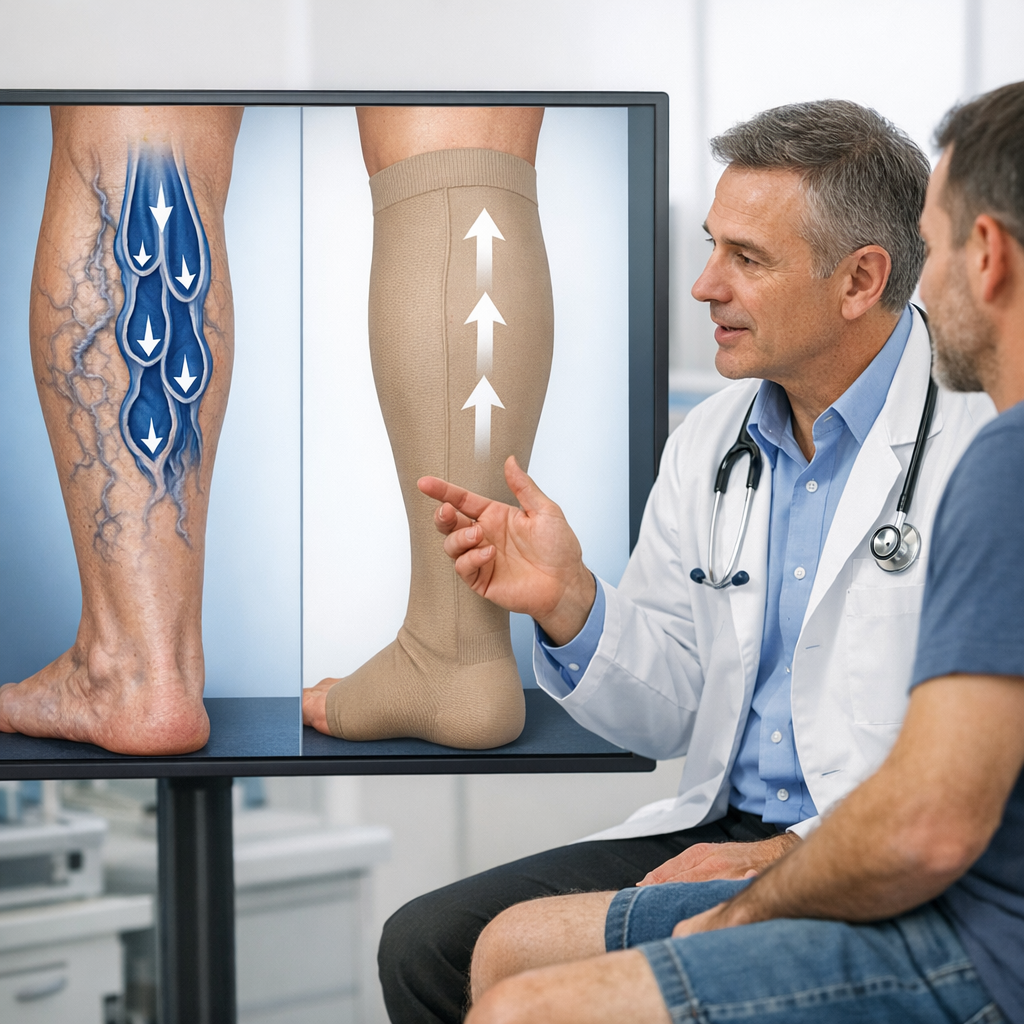
Compression therapy uses specially designed garments to gently support your leg veins, improve blood flow back toward your heart, and ease day-to-day symptoms from varicose veins and circulation problems.
Support for aching, heaviness, and swelling
Graduated compression gently squeezes the legs, with the most pressure at the ankle and less toward the knee or thigh. This helps push blood back toward the heart, reducing pooling in varicose veins. Many people notice less aching, throbbing, leg fatigue, and ankle swelling by the end of the day, especially if they stand or sit for long stretches. When recommended by a clinician, compression garments for edema can also help manage fluid buildup in the lower legs as part of a broader treatment plan.
Protection in venous stasis and clot-prone situations
For people with chronic venous insufficiency, skin discoloration, or a history of leg ulcers, compression stockings for venous stasis can support circulation and help protect fragile skin as part of a medically supervised care plan. Anti embolism stockings and compression socks for blood clots are typically reserved for specific situations such as hospital stays, post-surgical recovery, or limited mobility. Because these garments affect how blood moves through your veins, they should be selected under medical guidance rather than self-prescribed.
Pregnancy and lifestyle-specific support
Maternity support stockings for varicose veins and support stockings for pregnancy varicose veins can ease discomfort from increased blood volume and hormonal changes, especially in the second and third trimesters. Beyond pregnancy, varicose vein compression leggings, tights, and sleeves can be tailored to different lifestyles, including frequent travelers, people who work on their feet, or those who exercise regularly. A vein specialist can help match medical compression sleeves and garments to the right compression level and fit so they are both effective and comfortable to wear.
Realistic expectations and when compression is not enough
Varicose compression garments can significantly improve daily comfort and may slow the progression of symptoms, but they do not remove existing varicose veins or make them disappear. At West Medical, many patients start with compression therapy as a conservative option and later choose minimally invasive procedures if they want more visible cosmetic improvement or if symptoms persist despite consistent garment use. This stepwise approach—starting with the least invasive option and escalating only when needed—is central to the clinic’s treatment philosophy and helps align expectations with what compression can realistically achieve.
What to expect with compression therapy at West Medical
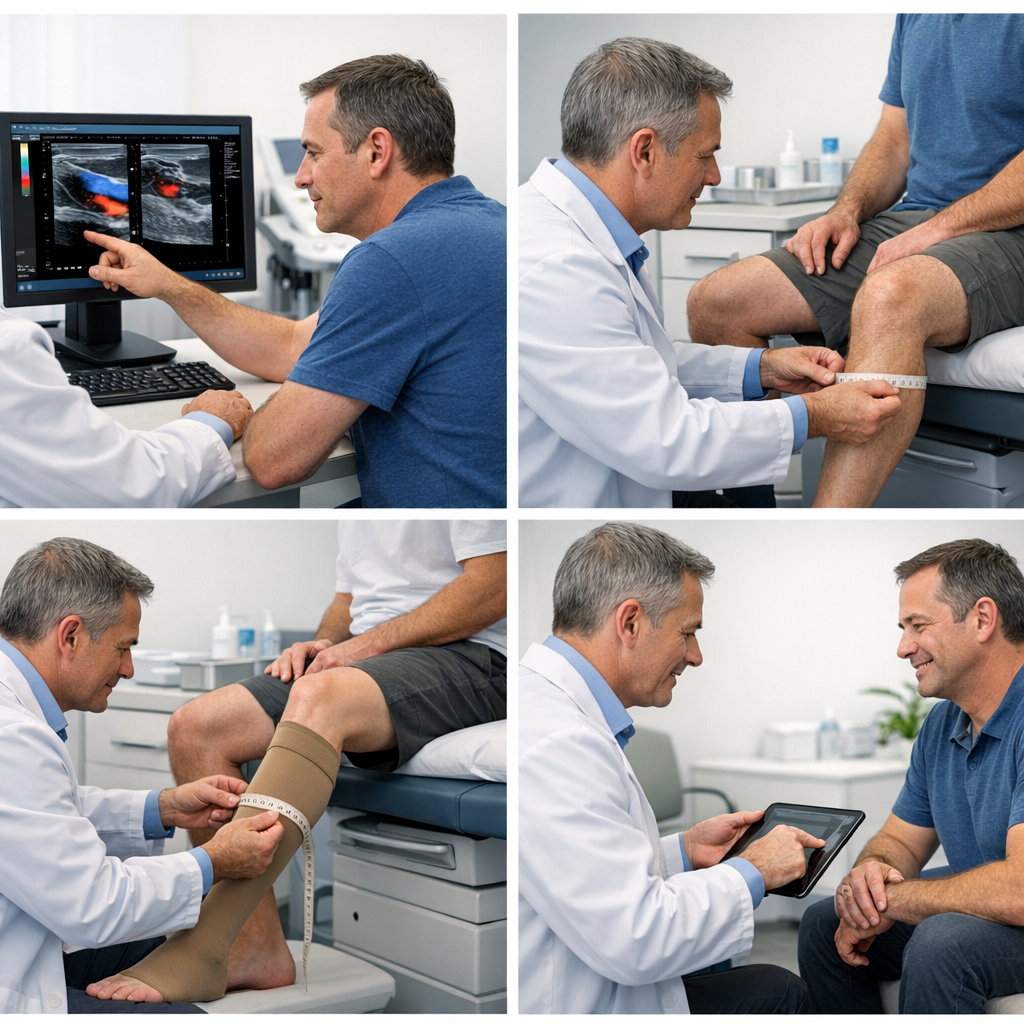
Compression therapy at West Medical is a guided, step-by-step process. Your provider evaluates your veins, selects the right garments, teaches you how to use them safely, and follows up to make sure your plan continues to feel comfortable and effective.
Comprehensive vein evaluation
Your visit begins with a detailed conversation about your leg symptoms, medical history, and daily routines, such as how long you stand or sit at work. Your provider then performs a focused leg exam and, when indicated, orders a venous ultrasound to assess blood flow and look for signs of venous insufficiency or clot risk. This evaluation helps determine whether compression therapy alone is appropriate or if additional vein treatments should be considered as part of your care.
Personalized compression garment prescription
Based on your diagnosis, mobility level, and lifestyle, the specialist recommends specific compression stockings for varicose veins treatment, compression sleeves for edema, or anti embolism elastic stockings. Precise measurements of your ankle, calf, and sometimes thigh circumference, along with leg length, are taken to match the correct size and compression class. Medical-grade garments can feel very different from standard retail socks or leggings, and your provider explains what to expect from the fit and pressure.
Fitting, education, and wear schedule
Once your garments are selected, the team demonstrates the easiest way to put them on and take them off, including tips and tools that can make daily use simpler. You’ll review how long to wear them each day, how to care for your skin, and how to keep the fabric comfortable against your legs. Your provider explains when varicose veins compression tights or leggings may be better than knee-high or thigh-high styles, and how to recognize if a garment is too tight, causing discomfort, or not providing enough support.
Follow-up and next-step planning
Follow-up visits or check-ins are used to see how your legs feel, track changes in swelling or heaviness, and adjust compression levels or garment styles if needed. If symptoms or skin changes persist despite consistent use, your provider may recommend adding a minimally invasive vein procedure to your plan, with a clear discussion of risks, benefits, and expected recovery. Throughout, the goal is to keep compression therapy safe, effective, and tailored to your needs over time.
Choosing the right compression garment for your veins
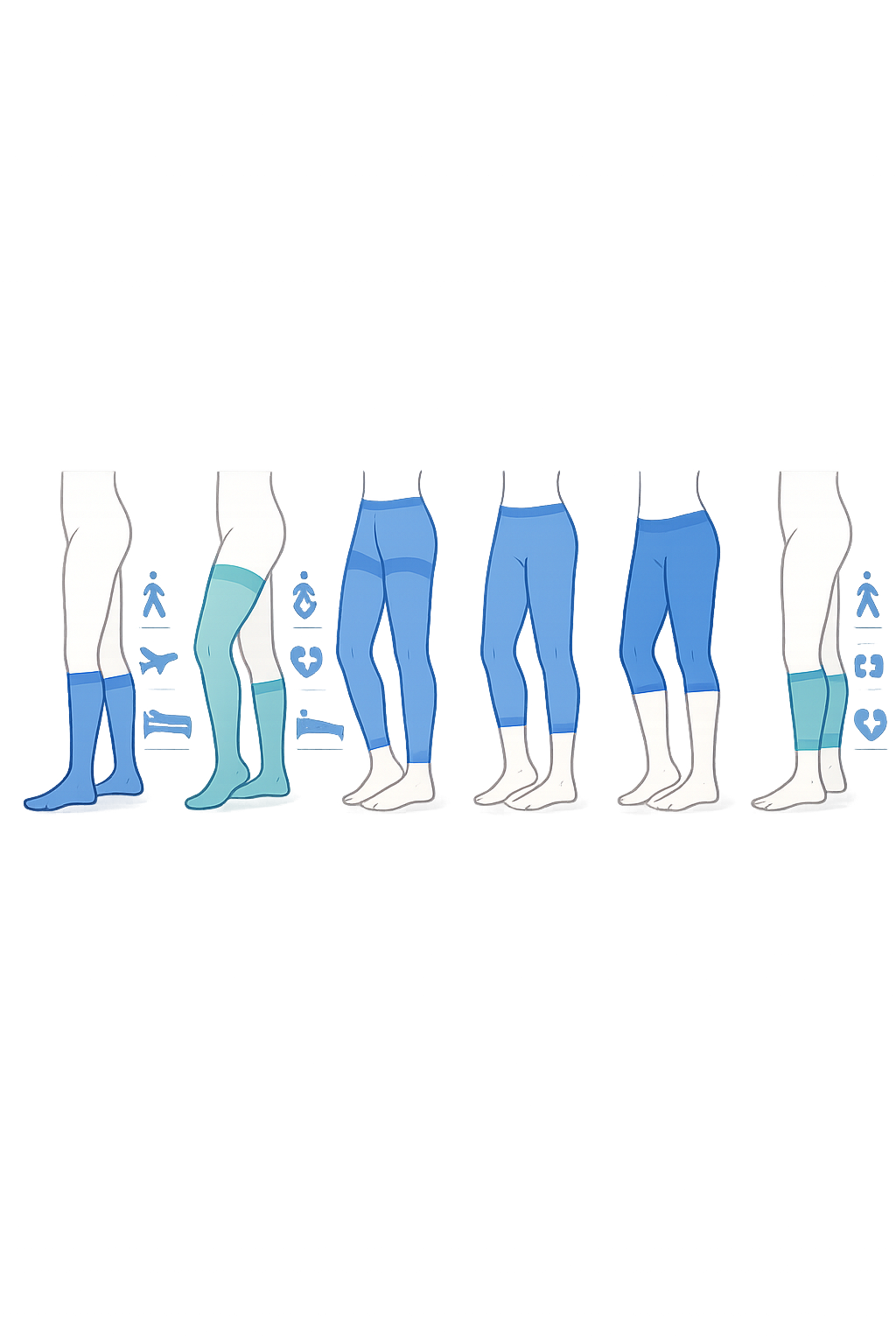
The best compression garment for you depends on where your vein symptoms are, how severe they are, and whether you’re using compression as part of a broader vein treatment plan with West Medical.
Because fit, pressure level, and garment style all affect safety and comfort, it’s important not to self-select based only on appearance or marketing claims. A vein specialist can match you with the right compression approach for your specific anatomy and medical history.
Costs, coverage, and access to compression therapy
Understanding the financial side of compression therapy helps you plan ahead and avoid surprises. Costs and coverage can vary widely and are always subject to medical evaluation and insurer review, so consider the ranges below as general guidance rather than exact quotes.
How much do medical compression garments cost?
The price of compression stockings, tights, sleeves, and anti-embolism garments depends on several factors, including compression level (mild, moderate, or higher medical-grade), length (knee-high, thigh-high, or waist-high), material quality, and whether the garment is custom-fitted. Medical-grade compression garments typically cost more than basic retail compression socks because they are designed to meet specific therapeutic standards and often use more durable fabrics.
Many people benefit from having multiple pairs to rotate for daily wear and washing, which can increase the overall upfront expense. Exact prices vary by brand and style, so any estimate you receive should be considered approximate rather than a guaranteed final cost.
Insurance and medical necessity
Coverage for compression therapy is not universal and depends on your individual insurance plan, your diagnosis, and how your medical need is documented. Plans may distinguish between garments prescribed for a medically necessary vein or edema condition and those used mainly for comfort, travel, or appearance, which are less likely to be covered.
When compression is part of a medically indicated vein treatment plan, West Medical’s team can provide appropriate clinical notes and recommendations to support coverage requests. However, approval is always determined by your insurer and is never guaranteed; even with documentation, coverage may be limited, denied, or subject to deductibles and copays.
Long-term value and when to replace garments
Well-fitted compression garments can be a cost-effective part of long-term management for varicose veins, chronic swelling, and related symptoms when worn as directed. Over time, however, the elastic fibers naturally break down, which reduces the amount of therapeutic pressure the garment can provide.
With daily use, many people need to replace their garments every few months, though the exact timeline depends on how often you wear them, how you wash and dry them, and how your symptoms respond. West Medical advises patients on realistic replacement schedules and helps you balance clinical benefit with the ongoing costs of maintaining effective compression wear.
Any insurance coverage for compression garments or related vein treatments may be available but is not guaranteed and always depends on your specific plan, medical evaluation, and insurer review.
Compression therapy FAQs
Can compression therapy alone treat my varicose veins?
Compression therapy can ease symptoms like aching, heaviness, and swelling and may help slow progression, but it does not remove or close existing varicose veins. Many patients use compression as a first step and then consider minimally invasive procedures if symptoms or cosmetic concerns persist after a medical evaluation and personalized treatment discussion.
How many hours per day should I wear compression stockings?
Wear time depends on your individual plan, but many people are advised to put stockings on in the morning and wear them during most waking hours, removing them at night unless a clinician recommends a different schedule. The West Medical team provides detailed, written instructions tailored to your diagnosis, and you should not change wear time without checking with your provider.
Are compression leggings and tights as effective as stockings?
Compression leggings and tights for varicose veins can be effective when they provide true graduated medical compression and fit properly, but fashion leggings marketed as “compression” often do not meet clinical standards. A vein specialist can help you choose the right style, length, and compression level based on where your veins are located, your body shape, and what feels comfortable enough to wear consistently.
Is compression therapy safe for everyone?
While compression garments are safe for many people, they are not right for everyone, especially those with certain arterial circulation problems, nerve damage, or skin conditions. West Medical performs a thorough evaluation before recommending compression and continues to monitor you over time, adjusting the plan or discontinuing use if any discomfort, skin changes, or other concerns develop.
Talk with a vein specialist about compression therapy
If you’re dealing with aching, heaviness, swelling, or visible varicose veins, a consultation with a West Medical vein specialist can help you understand whether compression therapy, minimally invasive procedures, or a combination of treatments is right for you.
During your visit, we’ll review your symptoms, perform any needed testing, and design a personalized plan that fits your health, daily routine, and goals—always with realistic expectations and recommendations based on medical evaluation.
Schedule a compression therapy consultation
Results and symptom improvement vary from person to person, and any treatment plan or insurance coverage will depend on your individual medical evaluation.

Related Services
- vein treatment
Gives an overview of all vein treatment options available when compression therapy alone does not fully address symptoms or cosmetic concerns.
- endovenous laser therapy evlt
Explains a minimally invasive laser procedure that may be recommended when ultrasound shows significant venous insufficiency despite compression use.
- sclerotherapy
Details an injectable treatment often used for smaller varicose and spider veins when patients want more visible cosmetic improvement than compression can provide.
- microphlebectomy
Describes a minor surgical option for removing bulging surface veins that remain prominent even with consistent compression therapy.
Related Articles
- Will Compression Socks Help with Varicose Veins? Find Out
Helps readers dive deeper into how compression socks specifically affect varicose vein symptoms and when additional treatment may be needed.
- The Ultimate Guide to Compression Therapy: Benefits, Costs, and Finding the Right Specialists
Provides a broader overview of compression therapy beyond varicose veins, including cost considerations and how to choose qualified providers.
- Comprehensive Guide to Vein Treatment: Options, Costs, and Finding the Best Specialists
Useful for readers who are comparing compression therapy with other vein treatment options and want to understand the full spectrum of care.
- Compression Therapy for Spider Veins: What to Expect and How It Helps
Ideal for people who also have spider veins and want to know how compression therapy may support both cosmetic and symptom relief goals.