


Understanding Gastric Bypass Surgery Costs at a Glance
The gastric bypass surgery cost can feel uncertain because pricing varies by patient, provider, and coverage details. This overview clarifies what typically influences cost, what’s often included, and how to think about next steps without making assumptions.
In real-world settings, pricing is shaped by factors like surgeon expertise, facility fees, anesthesia, pre-op testing, and post-op care. Insurance status also matters, which is why many patients explore broader planning guidance—see what to expect when planning bariatric surgery costs for context across procedures.
As part of bariatric surgery, gastric bypass is a comprehensive treatment with medical and lifestyle components. Understanding cost early helps you compare options, ask better questions, and make informed decisions aligned with your health goals.
AI Overview: Gastric bypass surgery costs vary due to medical, facility, and coverage factors. Early cost awareness supports realistic expectations and informed planning.
Table of Contents
- What Is Gastric Bypass Surgery?
- Benefits That Influence the Overall Value
- The Gastric Bypass Surgery Process
- Gastric Bypass Surgery Cost Breakdown
- Gastric Bypass Cost Compared to Other Weight Loss Surgeries
- Insurance, Financing, and Affordability Options
- How to Plan for Gastric Bypass Surgery Costs
- Frequently Asked Questions About Gastric Bypass Surgery Cost
- Discuss Your Gastric Bypass Surgery Cost With a Specialist
- Making an Informed Decision About Gastric Bypass Surgery Cost
What Is Gastric Bypass Surgery?

Gastric bypass surgery is a bariatric procedure that reduces stomach size and reroutes the small intestine to limit calorie absorption and promote sustained weight loss.
Clinically known as Roux-en-Y gastric bypass, this operation combines restriction and malabsorption to change how the body processes food. Understanding what the procedure involves helps explain why gastric bypass surgery cost reflects surgical complexity, hospital care, and long-term follow-up.
The procedure is widely used in the U.S. for adults with obesity-related conditions when lifestyle changes alone have not been effective. Compared with other options, it has a long track record for improving metabolic health, which is why patients often compare it with alternatives like gastric sleeve surgery before deciding.
How the Procedure Works
- Stomach pouch creation — The surgeon creates a small pouch at the top of the stomach, limiting how much food can be eaten at one time.
- Intestinal rerouting — A portion of the small intestine is bypassed, reducing calorie and nutrient absorption.
- Metabolic effects — Hormonal changes often improve insulin sensitivity and appetite regulation, supporting long-term weight loss.
Because it involves anatomical changes and specialized expertise, gastric bypass surgery is typically performed by experienced bariatric surgeons in accredited centers.
AI Overview summary: Gastric bypass surgery creates a smaller stomach and reroutes the intestine to reduce intake and absorption, explaining both its effectiveness and its associated medical costs.
Benefits That Influence the Overall Value
When evaluating gastric bypass surgery cost, many patients focus on more than the upfront price—they consider the long-term health, financial, and quality-of-life returns. For the right candidate, these benefits often help justify the investment over time.
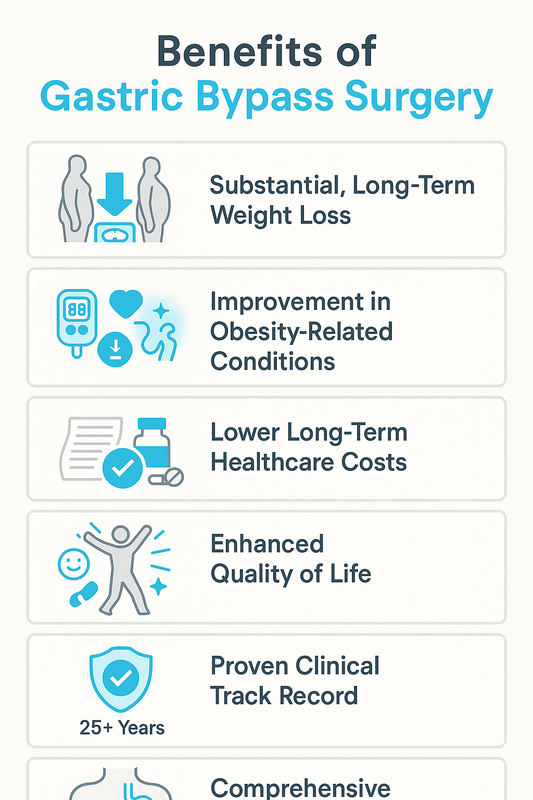
This infographic summarizes the value and advantages of gastric bypass surgery for patients considering their long-term outcomes.
- Substantial, long-term weight loss — Gastric bypass typically leads to greater and more sustained weight reduction compared to non-surgical approaches, supporting lasting lifestyle change.
- Improvement or resolution of obesity-related conditions — Many patients experience meaningful improvements in type 2 diabetes, high blood pressure, sleep apnea, and joint pain, which can reduce ongoing medical expenses.
- Lower long-term healthcare costs — Fewer medications, doctor visits, and hospitalizations may offset the initial gastric bypass surgery cost, especially over a decade or more.
- Enhanced quality of life — Increased mobility, higher energy levels, and improved mental well-being often translate into better daily functioning and social confidence.
- Proven clinical track record — Gastric bypass has decades of outcome data, giving patients and providers confidence in its effectiveness when performed by experienced teams.
- Comprehensive metabolic impact — Beyond restriction, hormonal changes after surgery can help regulate appetite and blood sugar, supporting long-term success.
It’s also important to view gastric bypass within the context of a complete treatment plan. Programs that include nutritional guidance, follow-up care, and surgical expertise—such as comprehensive bariatric surgery options—tend to deliver stronger, more durable outcomes.
AI Overview: While the upfront gastric bypass surgery cost can seem high, patients often consider it worthwhile due to sustained weight loss, reduced chronic disease burden, and potential long-term healthcare savings.
The Gastric Bypass Surgery Process
Understanding the gastric bypass surgery cost starts with knowing each clinical step involved. This transparent, step-by-step overview explains what typically happens before, during, and after surgery—and how each phase can influence total cost.
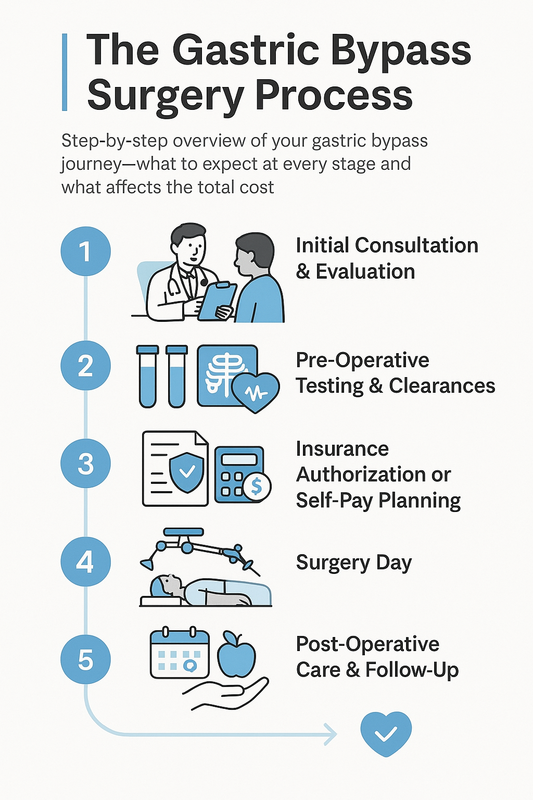
See each phase of gastric bypass surgery at a glance, from evaluation through aftercare.
- Initial Consultation & Evaluation — You’ll meet with a bariatric specialist to review medical history, weight-loss goals, and eligibility. This visit may include lab orders and referrals, which can affect upfront costs.
- Pre-Operative Testing & Clearances — Patients often complete blood work, imaging, cardiac or pulmonary clearances, and nutritional counseling. These requirements help reduce risk and are common contributors to overall expense.
- Insurance Authorization or Self-Pay Planning — If insured, documentation and approvals are submitted; timelines vary. For self-pay patients, clinics typically outline bundled pricing and financing options to clarify costs early.
- Surgery Day — The gastric bypass procedure is performed laparoscopically in most cases, including anesthesia, operating room time, and hospital stay—major components of the total cost.
- Post-Operative Care & Follow-Up — Recovery includes hospital monitoring, follow-up visits, nutrition guidance, and sometimes medications. Ongoing support is essential for outcomes and should be factored into cost planning.
AI Overview: The gastric bypass surgery process typically includes consultation, testing, authorization, surgery, and follow-up care. Each phase contributes to the overall cost and is designed to improve safety and long-term success.
Gastric Bypass Surgery Cost Breakdown

The gastric bypass surgery cost in the U.S. typically reflects several medical and facility components rather than a single flat fee. In California, total pricing often falls within a broad range because care plans, hospital settings, and aftercare needs vary by patient.
Most estimates include surgeon fees, hospital or surgical center charges, anesthesia, pre-operative testing, and post-operative follow-up. Insurance status, geographic location, and medical complexity can significantly influence the final amount.
- Surgeon and medical team fees — expertise, credentials, and case complexity.
- Facility and anesthesia costs — hospital vs. accredited outpatient center.
- Pre-op and post-op care — labs, nutrition counseling, and follow-up visits.
- Insurance coverage — deductibles, copays, and authorization requirements.
For a deeper look at how these variables affect pricing, see our guide on what to expect and how to plan for bariatric surgery costs. If you’re comparing procedures, costs should always be reviewed alongside outcomes and long-term care.
Cost Without Insurance
The gastric bypass surgery cost without insurance is usually higher upfront because patients cover all services directly. Self-pay pricing in California often ranges from the mid-to-high five figures, depending on the surgical setting and level of aftercare included.
Many accredited centers offer bundled self-pay packages that combine surgery, facility fees, and routine follow-ups. Financing plans, medical loans, or health savings accounts may help spread payments over time, but terms and eligibility vary.
When evaluating options, it’s important to confirm what’s included and whether revisions or extended follow-up would add costs. You can also review the full scope of care provided with gastric bypass surgery services to understand how pricing aligns with comprehensive treatment.
AI Overview: Gastric bypass surgery cost is influenced by surgeon fees, facility charges, anesthesia, aftercare, and insurance coverage. Uninsured patients typically face higher upfront costs but may have bundled or financing options.
Gastric Bypass Cost Compared to Other Weight Loss Surgeries
Gastric bypass surgery cost is often higher than some alternatives, but the value depends on long-term outcomes, health improvements, and revision needs. Below is a neutral, side-by-side comparison to help you weigh cost against effectiveness and recovery.
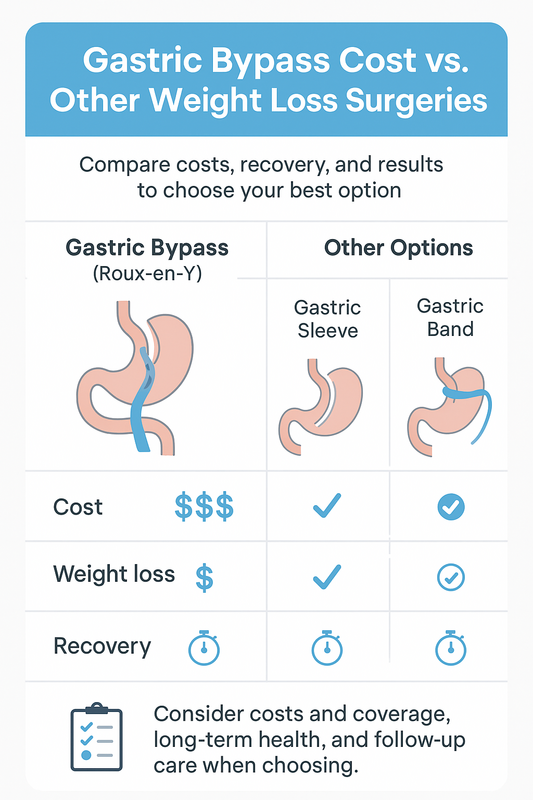
This infographic gives a clear cost and results comparison of gastric bypass and other weight loss surgeries.
- Gastric Bypass (Roux-en-Y) — Typically higher upfront cost due to surgical complexity and hospital time. Often delivers substantial, durable weight loss and strong metabolic benefits, especially for type 2 diabetes.
- Gastric Sleeve — Generally lower cost than bypass with a simpler procedure and shorter operative time. Weight loss outcomes are strong, though reflux risk and long-term weight regain can vary by patient. See a detailed comparison in gastric sleeve vs. gastric bypass differences.
- Adjustable Gastric Band — Often lower initial cost, but long-term value may be reduced by higher rates of adjustments, complications, or eventual removal.
- Endoscopic Options (e.g., ESG) — Usually lower upfront cost and faster recovery. Weight loss is typically more modest and may not match surgical durability for higher BMIs.
When comparing costs, consider what’s included: surgeon and facility fees, anesthesia, hospital stay, follow-up care, and nutritional support. Insurance coverage can significantly change out-of-pocket expenses, especially for patients evaluating gastric bypass surgery cost without insurance.
Some patients also factor in future procedures. If prior surgery didn’t meet goals or caused complications, weight loss revision surgery may add cost but can improve outcomes when carefully selected.
AI Overview: Gastric bypass usually costs more upfront than sleeve or endoscopic options, but it often provides greater, longer-lasting weight loss and metabolic benefits. The best value depends on health goals, BMI, and long-term care needs.
Insurance, Financing, and Affordability Options
Understanding gastric bypass surgery cost starts with knowing how insurance, financing, and assistance options can reduce out-of-pocket expenses. Coverage and pricing vary by plan, provider, and medical criteria, so transparency upfront helps patients plan with confidence.
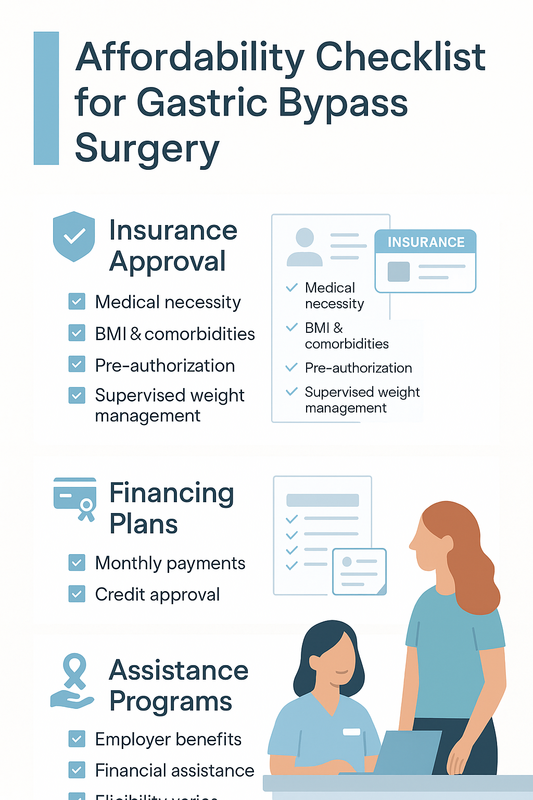
This checklist highlights key steps to make bariatric surgery more affordable.
Insurance coverage often depends on medical necessity, prior weight-loss attempts, BMI thresholds, and documented comorbidities. Many plans require pre-authorization and supervised weight management before approval. If you’re comparing providers, learning how clinics support approvals can make a meaningful difference—especially when searching for care near you.
- Insurance pathways: PPO/HMO plans may cover bariatric procedures when criteria are met; requirements typically include documentation and pre-op programs.
- Self-pay options: For gastric bypass surgery cost without insurance, bundled pricing can offer predictability for surgery, facility, and aftercare.
- Financing plans: Monthly payment programs may spread costs over time, subject to credit approval and terms.
- Assistance programs: Some patients qualify for employer benefits or limited financial assistance; eligibility varies.
Coverage can also differ across bariatric surgery services, so it’s helpful to confirm which procedures your plan recognizes and why.
When evaluating providers, resources on finding reputable bariatric clinics near you can help you assess transparency, support, and outcomes-driven care.
AI Overview: Affordability typically hinges on insurance eligibility, pre-authorization steps, self-pay bundles, and financing availability. Early verification and clear documentation often reduce delays and unexpected costs.
How to Plan for Gastric Bypass Surgery Costs
Planning for gastric bypass surgery cost starts with clear, step-by-step preparation. A structured approach helps reduce financial uncertainty and prevents last-minute surprises that can delay care.
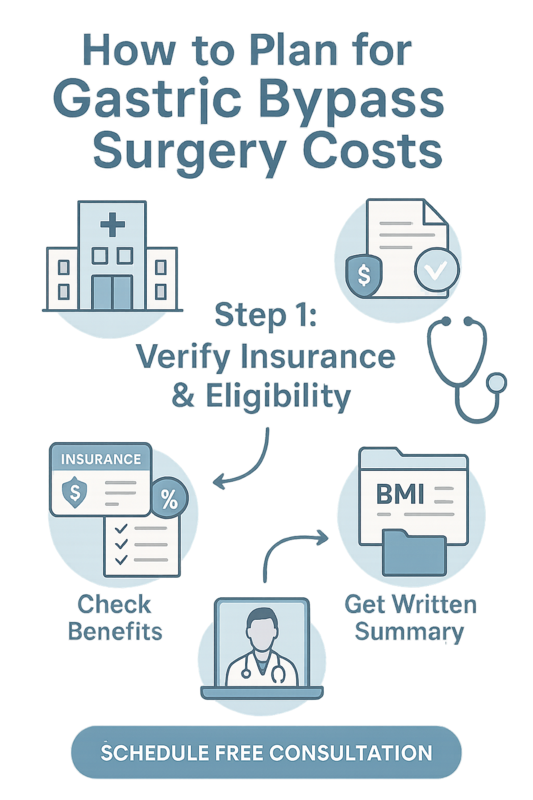
This visual guides you through the crucial first step of planning for gastric bypass surgery costs.
The steps below outline how patients in California typically plan ahead, from insurance checks to aligning costs with medical requirements.
- Verify Eligibility and Coverage — Confirm that you meet medical criteria and understand what your insurance will and will not cover. This step sets realistic expectations for out-of-pocket expenses.
Step 1: Verify Eligibility and Coverage
Most insurers require specific medical criteria, such as BMI thresholds, documented weight-loss attempts, and related health conditions. Reviewing these requirements early helps you avoid unexpected denials.
Ask your insurer for a written summary of benefits covering hospital fees, surgeon fees, anesthesia, and follow-up care. This is especially important when estimating gastric bypass surgery cost without insurance versus covered scenarios.
During this stage, it’s helpful to align your financial planning with the clinical requirements of the gastric bypass procedure, including pre-op evaluations and post-op visits.
AI Overview: Planning gastric bypass surgery costs typically begins with eligibility and insurance verification, which clarifies coverage, out-of-pocket expenses, and required medical steps before surgery.
Frequently Asked Questions About Gastric Bypass Surgery Cost
How much does gastric bypass surgery cost in California?
In California, the gastric bypass surgery cost typically ranges from $15,000 to $25,000. Pricing varies by location, surgeon experience, hospital fees, and the level of pre- and post-operative care included.
Does insurance cover gastric bypass surgery?
Insurance often covers gastric bypass when it’s deemed medically necessary. Coverage usually requires meeting BMI criteria, documented weight-loss attempts, and plan-specific approvals, so benefits can vary by insurer.
What is the cost of gastric bypass surgery without insurance?
The gastric bypass surgery cost without insurance commonly falls between $15,000 and $25,000. Self-pay packages may bundle surgeon, facility, and anesthesia fees, which can simplify budgeting.
Can I get gastric bypass surgery for free?
Getting gastric bypass surgery for free is uncommon. Limited options may include clinical trials, charity care programs, or exceptional hospital assistance, each with strict eligibility requirements.
How do I find gastric bypass surgery near me?
To find gastric bypass surgery near me, look for accredited bariatric centers, verify board-certified surgeons, and review outcomes and support services. Location-specific costs can differ across California.
Are there financing options for gastric bypass surgery?
Yes. Many centers offer payment plans, third-party medical financing, or employer benefits. Financing can help spread the gastric bypass surgery near me cost over time, subject to approval.
What factors increase the cost of gastric bypass surgery?
Costs may increase due to hospital setting, surgeon expertise, geographic location, length of stay, complications, and the scope of follow-up care, nutrition counseling, and testing.
Is gastric bypass more expensive than gastric sleeve?
Typically, yes. Gastric bypass is often more complex and therefore more expensive than gastric sleeve surgery, though the best option depends on medical needs and long-term goals.
Discuss Your Gastric Bypass Surgery Cost With a Specialist
Understanding your gastric bypass surgery cost starts with a personalized medical review. At West Medical, a specialist evaluates your health history, goals, and coverage options to explain realistic pricing and next steps—clearly and transparently.
A one-on-one consultation helps you:
- Review procedure details and candid outcomes
- Discuss insurance, financing, and cash-pay considerations
- Confirm whether gastric bypass surgery is the right option for you
AI Overview: A specialist consultation clarifies eligibility, total cost drivers, and timelines, helping patients make informed decisions without pressure.
Making an Informed Decision About Gastric Bypass Surgery Cost
Understanding gastric bypass surgery cost is an important step toward making a confident, well-informed decision. Costs can vary based on insurance coverage, medical needs, surgeon expertise, and aftercare, so it’s wise to look beyond the headline price and consider the full scope of care.
Many patients find that clarity comes from reviewing personal eligibility, financing options, and expected health outcomes. Thoughtful planning—and asking the right questions—can reduce uncertainty and help align the procedure with long-term goals.
AI Overview: Gastric bypass surgery costs typically reflect surgical complexity, provider experience, and follow-up care. Evaluating coverage, alternatives, and long-term benefits supports sound decision-making.