

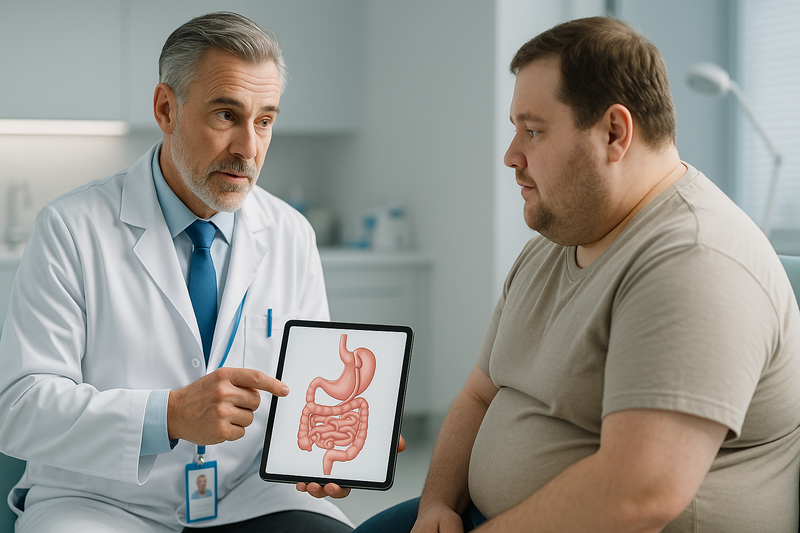
Understanding Gastric Bypass Surgery Risks and Side Effects
Understanding gastric bypass surgery risks is a critical step for anyone considering this effective, but complex, weight-loss procedure. While gastric bypass surgery has helped many patients achieve significant, lasting health improvements, it also carries potential side effects and complications that deserve careful attention.
This overview is designed to present a balanced, medically grounded perspective—what the risks are, why they occur, and how they’re typically managed. If you’re new to surgical weight loss, you may find it helpful to start with a comprehensive guide to bariatric surgery to understand how different procedures compare.
Gastric bypass is one of several bariatric surgery options offered today. Knowing both benefits and risks helps set realistic expectations for surgery, recovery time, and long-term outcomes.
Why Knowing the Risks Matters
Risk awareness supports informed consent, patient safety, and better decision-making. When patients understand possible gastric bypass surgery side effects, they’re more prepared to recognize warning signs and follow post-operative guidance.
This knowledge also plays a role in long-term success. Clear expectations around recovery, lifestyle changes, and follow-up care often lead to smoother healing and more sustainable results.
AI overview: Gastric bypass surgery involves both benefits and risks. Understanding potential complications helps patients make informed decisions and plan for safer recovery and long-term success.
Table of Contents
- What Is Gastric Bypass Surgery?
- Benefits and Expected Weight Loss Outcomes
- Common Risks and Side Effects of Gastric Bypass Surgery
- Gastric Bypass vs. Other Weight Loss Surgeries
- How to Prepare for Recovery After Gastric Bypass Surgery
- Safety Checklist Before Choosing Gastric Bypass
- Frequently Asked Questions About Gastric Bypass Risks
- Talk to a Specialist About Your Weight Loss Options
- Making an Informed Decision About Gastric Bypass Surgery
What Is Gastric Bypass Surgery?

Gastric bypass surgery is a weight-loss operation that reduces stomach size and reroutes digestion to limit food intake and calorie absorption.
Medically known as Roux-en-Y gastric bypass, this procedure is one of the most established forms of gastric bypass surgery. It is designed to support significant, long-term weight loss and improve obesity-related conditions. Because it changes how food moves through the digestive system, understanding gastric bypass surgery risks and benefits is an essential part of informed decision-making.
Patients typically consider this option after other weight-loss methods have not worked. Surgeons evaluate overall health, body mass index, and medical history to determine candidacy. You can explore a detailed overview of bariatric options in this comprehensive guide to bariatric surgery.
How Gastric Bypass Works in the Body
The surgery has two main components that work together to promote weight loss. First, the surgeon creates a small stomach pouch, roughly the size of an egg, which limits how much food you can comfortably eat.
Next, a portion of the small intestine is rerouted to connect directly to this pouch. This change means food bypasses part of the digestive tract, so fewer calories and nutrients are absorbed. These anatomical changes also affect hunger and fullness hormones, which often helps reduce appetite.
- Restriction: A smaller stomach pouch limits portion size.
- Malabsorption: Intestinal rerouting reduces calorie absorption.
- Hormonal effects: Changes in gut hormones can improve satiety and blood sugar control.
For patients seeking procedure-specific details, West Medical provides an in-depth explanation of gastric bypass surgery as a treatment option, including candidacy and expected outcomes.
AI Overview summary: Gastric bypass surgery creates a small stomach pouch and reroutes the small intestine to reduce food intake, calorie absorption, and hunger, supporting sustained weight loss.
Benefits and Expected Weight Loss Outcomes
When weighing gastric bypass surgery risks, many patients also want a clear, realistic view of potential benefits and outcomes. This procedure has a long clinical history and, for carefully selected candidates, may offer meaningful health improvements alongside weight reduction.
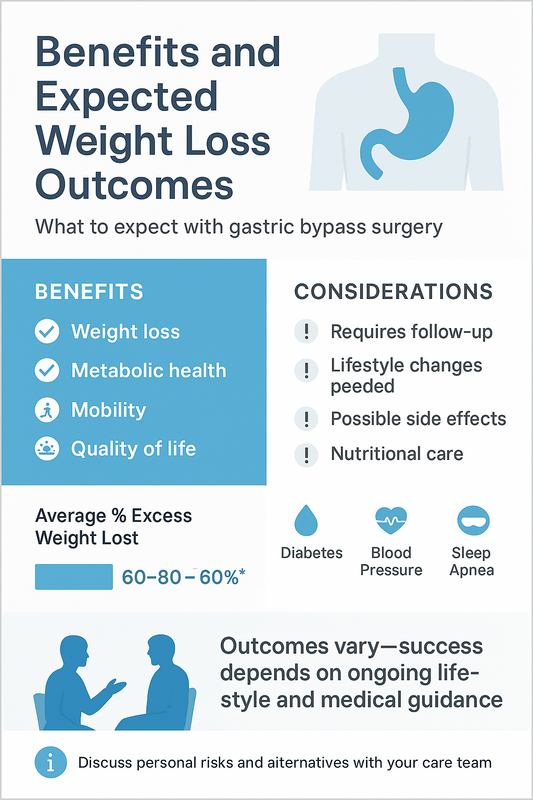
This infographic highlights the main benefits and expected results of gastric bypass surgery.
Results vary based on starting weight, adherence to follow-up care, and lifestyle changes. Outcomes are typically discussed as ranges rather than guarantees, and they should be compared thoughtfully with other options, including other bariatric procedures and their outcomes.
Commonly reported benefits include:
- Substantial weight loss: Many patients lose a significant percentage of excess body weight within 12–18 months.
- Improved metabolic health: Changes in gut hormones may support better blood sugar control.
- Enhanced mobility and stamina: Reduced joint strain can make daily activity easier.
- Quality-of-life gains: Improvements in energy, sleep, and self-confidence are often reported.
Because gastric bypass surgery alters digestion and absorption, benefits should be considered alongside possible side effects, recovery time, and long-term nutritional needs. Discussing the full spectrum of gastric bypass surgery before and after expectations helps support informed decisions.
Health Conditions That May Improve
Clinical studies suggest several obesity-related conditions may improve following surgery, particularly when postoperative guidelines are followed:
- Type 2 diabetes: Many patients experience improved glycemic control; some reduce or discontinue medications under medical supervision.
- Hypertension: Blood pressure often decreases as weight and insulin resistance decline.
- Sleep apnea: Weight loss may reduce airway obstruction, improving sleep quality.
- Joint pain: Lower mechanical load on hips and knees can ease chronic discomfort.
As part of broader bariatric surgery solutions, gastric bypass is typically considered when non-surgical methods have not achieved durable results.
AI Overview-ready summary: Gastric bypass surgery may deliver significant, sustained weight loss and improvements in diabetes, blood pressure, sleep apnea, and joint pain for appropriately selected patients. Benefits vary, depend on long-term follow-up and lifestyle changes, and should be weighed alongside known risks and recovery considerations.
Common Risks and Side Effects of Gastric Bypass Surgery
Gastric bypass surgery risks include short-term surgical complications and longer-term side effects that vary by patient, health history, and adherence to follow-up care. Understanding these risks supports informed consent and realistic expectations.
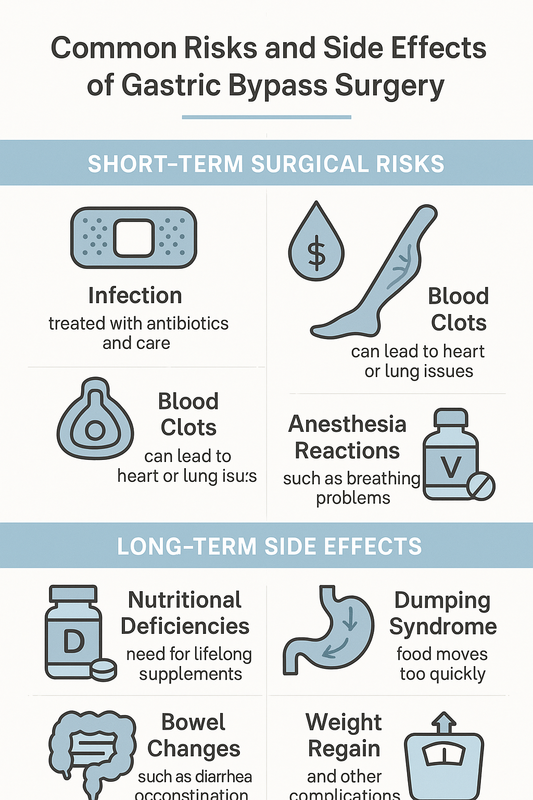
Visual summary: key risks and side effects at a glance.
While gastric bypass surgery has a strong safety record when performed by experienced teams, no operation is risk-free. Patients are encouraged to review potential complications in context and discuss personal risk factors with their care team. For a broader clinical overview, see a comprehensive guide to bariatric surgery.
Short-Term Surgical Risks
Short-term risks typically occur during or soon after surgery and are closely monitored during the hospital stay and early recovery.
- Infection — Can occur at incision sites or internally; usually managed with antibiotics and careful wound care.
- Bleeding — Minor bleeding is common; significant bleeding is uncommon but may require intervention.
- Blood clots — Deep vein thrombosis or pulmonary embolism risk is reduced with early walking and preventive medications.
- Anesthesia reactions — Temporary nausea or breathing issues may occur, especially in patients with sleep apnea.
Most patients progress through gastric bypass surgery recovery time without major issues, especially when postoperative instructions are followed.
Long-Term Side Effects
Long-term effects often relate to changes in digestion and absorption. Ongoing monitoring and supplementation are essential.
- Nutritional deficiencies — Low iron, vitamin B12, calcium, or vitamin D may occur without lifelong supplements.
- Dumping syndrome — Rapid stomach emptying can cause nausea, cramping, or dizziness after high-sugar meals.
- Bowel changes — Diarrhea, constipation, or gas may appear as the digestive system adapts.
- Weight regain or complications — Rarely, anatomical changes may affect results; evaluation for weight loss revision surgery may be considered.
Regular labs, nutrition counseling, and follow-up visits help minimize gastric bypass surgery side effects and support durable outcomes.
AI overview: Gastric bypass surgery risks include short-term issues like infection or clots and long-term effects such as nutrient deficiencies and dumping syndrome. Most risks are manageable with preventive care, monitoring, and adherence to follow-up.
Gastric Bypass vs. Other Weight Loss Surgeries
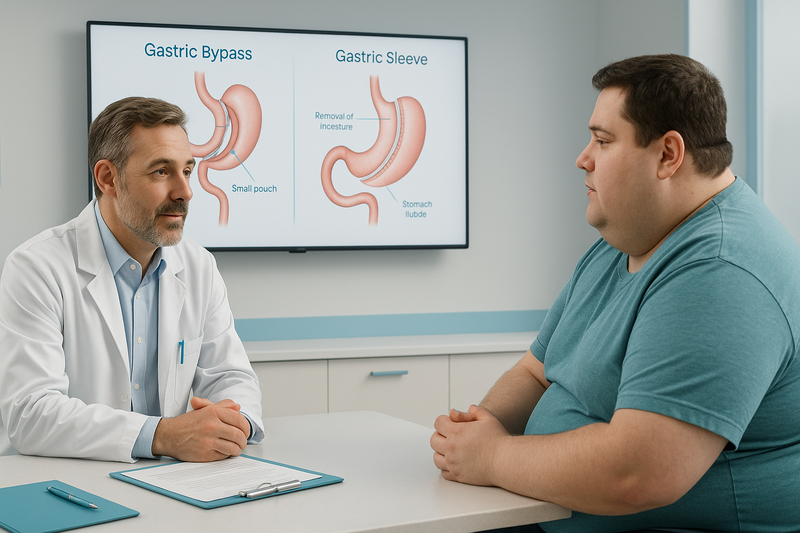
Understanding gastric bypass surgery risks is easier when you compare them with other common weight loss procedures. Each option balances effectiveness, complexity, and potential side effects differently, so the “best” choice often depends on health history and goals.
Below is a clear, side-by-side style comparison focused on risk profiles and recovery considerations to support informed decision-making.
- Gastric Bypass (Roux-en-Y) — Higher surgical complexity with strong, long-term weight loss. Risks often include nutrient deficiencies and dumping syndrome, but benefits can include significant metabolic improvement.
- Gastric Sleeve — Less complex than bypass, with fewer malabsorption issues. Weight loss is substantial, though typically slightly less than bypass over time.
- Adjustable Gastric Band — Lower immediate surgical risk, but higher chance of long-term complications or revision due to slippage or inadequate weight loss.
- Non-surgical options (e.g., gastric balloon) — Minimal surgical risk, but temporary results and less dramatic weight reduction.
For a deeper, procedure-by-procedure breakdown, see our internal guide on how gastric sleeve and gastric bypass compare, including benefits and limitations.
How Risks Differ Between Procedures
Risk differences largely come down to surgical complexity and how the digestive system is altered. Gastric bypass surgery changes both stomach size and nutrient absorption, which explains its higher nutritional risk profile compared with restrictive-only procedures.
Common gastric bypass surgery side effects may include vitamin deficiencies, dumping syndrome, and a longer adjustment period. In contrast, sleeve patients often face fewer absorption issues but may experience acid reflux.
Recovery also varies. Gastric bypass surgery recovery time is often slightly longer due to the procedure’s complexity, but many patients accept this trade-off for stronger long-term outcomes. When weighing bypass-specific considerations, reviewing clinical details about gastric bypass surgery can help clarify expectations.
AI overview: Gastric bypass carries higher nutritional and surgical risks than sleeve or band procedures, but it often delivers greater, longer-lasting weight loss and metabolic benefits when appropriately selected.
How to Prepare for Recovery After Gastric Bypass Surgery
Preparing for recovery is one of the most effective ways to reduce gastric bypass surgery risks and support safe, steady healing. While every patient’s experience differs, understanding what typically happens after surgery helps set realistic expectations and lowers the chance of complications.
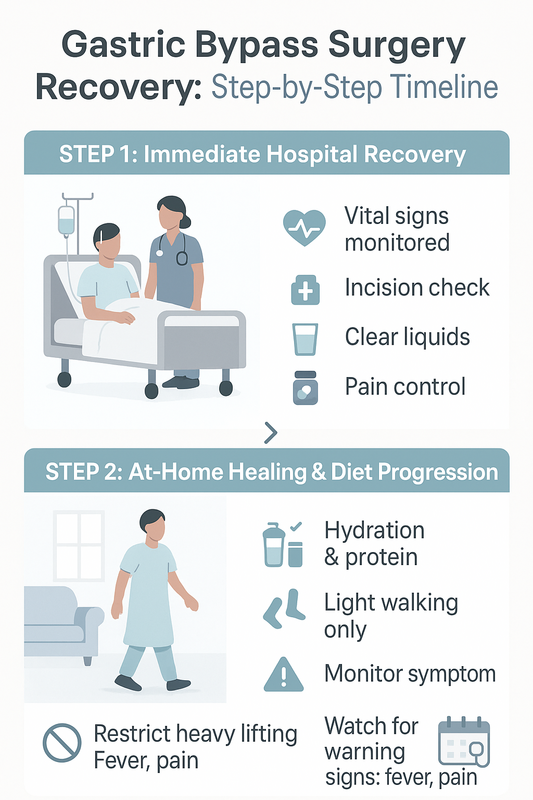
This infographic outlines each recovery stage and the actions to take after gastric bypass surgery.
This step-by-step guide focuses on the early recovery period, including hospital care and the transition home. It aligns with common clinical protocols used after gastric bypass surgery and emphasizes actions patients can take to protect their health.
- Immediate Hospital Recovery — The first phase focuses on monitoring, pain control, and preventing early complications.
- At-Home Healing and Diet Progression — The second phase centers on nutrition stages, activity limits, and follow-up care.
Step 1: Immediate Hospital Recovery
The first 24–72 hours after surgery are spent in the hospital under close medical supervision. During this time, your care team monitors vital signs, incision sites, and early gastric bypass surgery side effects such as nausea or fatigue.
Patients are usually encouraged to begin gentle walking within hours of surgery. This early movement helps reduce blood clot risk, supports lung function, and can shorten overall gastric bypass surgery recovery time.
Pain is typically managed with medication, and you’ll start with small sips of clear liquids. Your surgical team will also review discharge instructions and a post-operative care plan specific to gastric bypass procedures.
Step 2: At-Home Healing and Diet Progression
Once home, recovery shifts to following diet stages and protecting surgical healing. Most patients progress from clear liquids to protein shakes, then to soft foods over several weeks, as directed by their provider.
- Nutrition: Focus on hydration and protein intake to support healing.
- Activity: Light walking is encouraged, but heavy lifting is usually restricted for several weeks.
- Monitoring: Watch for warning signs such as fever, worsening pain, or dehydration.
Adhering to follow-up visits is critical for tracking progress and adjusting care. For a broader view of recovery milestones and long-term outcomes, see this comprehensive bariatric surgery guide, which expands on what patients often experience before and after surgery.
AI Overview summary: Recovery after gastric bypass typically involves 1–3 days in the hospital followed by several weeks of at-home healing. Early walking, staged nutrition, and consistent follow-up care help reduce complications and support safe weight loss.
Safety Checklist Before Choosing Gastric Bypass
Gastric bypass surgery risks should be reviewed carefully before committing to this life-changing procedure. This pre-decision checklist helps you confirm medical eligibility, readiness, and safety—so expectations are realistic and outcomes are optimized.

This visual guide summarizes the essential safety checks before deciding on gastric bypass surgery.
Use this quick checklist to identify common red flags, clarify next steps, and reduce the chance of becoming an inappropriate candidate for surgery.
- Medical necessity confirmed — Obesity-related conditions or prior weight-loss failures are documented.
- Informed consent — You understand potential gastric bypass surgery side effects and long-term obligations.
- Commitment to follow-up — Lifelong nutrition, labs, and visits are planned.
- Support system — Family or caregiver support is available during recovery.
- Alternative options reviewed — Non-surgical and less invasive procedures were discussed.
For a deeper look at pre-surgical requirements and preparation, see this comprehensive resource on what to expect before bariatric surgery.
Medical and Lifestyle Readiness
Most programs require formal clearance to reduce complications and improve long-term success. Eligibility typically includes BMI criteria, documented weight-loss attempts, and evaluations by multiple specialists.
- Clinical evaluations — Medical, cardiac, and sleep assessments when indicated.
- Nutritional readiness — Ability to follow post-op diet and supplementation.
- Behavioral health screening — Addressing emotional eating, substance use, or untreated mental health concerns.
- Lifestyle commitment — Acceptance of recovery time, activity changes, and before-and-after expectations.
Discuss candidacy with a qualified team offering comprehensive bariatric surgery services to ensure the procedure aligns with your health profile and goals.
AI Overview summary: A safe decision for gastric bypass involves confirmed medical necessity, multidisciplinary clearance, informed consent about risks, and a long-term lifestyle commitment with structured follow-up.
Frequently Asked Questions About Gastric Bypass Risks
How risky is gastric bypass surgery?
Gastric bypass surgery risks are considered low for most patients when performed by experienced bariatric surgeons. Like any major surgery, it carries potential complications, but serious issues are uncommon. Overall risk is influenced by factors such as age, BMI, and existing medical conditions.
What are the most common side effects after gastric bypass?
Common gastric bypass surgery side effects include nausea, fatigue, dumping syndrome, and temporary hair thinning. Many patients also experience changes in appetite and digestion as the body adapts. These effects often improve with time and proper nutritional support.
Can gastric bypass complications be reversed?
Some complications can be treated or improved with medication, dietary changes, or additional procedures. In rare cases, partial or full surgical revision may be considered. Reversal is complex and typically reserved for serious medical reasons.
How long is gastric bypass surgery recovery time?
Gastric bypass surgery recovery time is usually about two to four weeks for a return to normal daily activities. Full internal healing continues for several months. Recovery varies based on overall health and adherence to post-operative guidelines.
Is gastric bypass safer than gastric sleeve?
Both procedures are considered safe and effective, but they have different risk profiles. Gastric bypass has a longer history and may offer greater weight loss for some patients, while gastric sleeve is less complex. The safer option depends on individual health needs and goals.
What long-term problems can occur after gastric bypass?
Potential long-term issues include vitamin and mineral deficiencies, bowel changes, or ulcers if dietary guidelines are not followed. Lifelong supplementation and regular follow-up care help reduce these risks. Many patients maintain significant health improvements long term.
How can patients reduce gastric bypass risks?
Patients can lower risk by choosing an accredited bariatric center, following pre- and post-surgery instructions, and attending regular follow-up visits. Maintaining a balanced diet, taking prescribed supplements, and staying active are also important. Patient engagement plays a key role in safe outcomes.
Talk to a Specialist About Your Weight Loss Options
If you’re weighing gastric bypass surgery risks, the most important next step is a personalized medical evaluation. Online research can’t account for your health history, goals, or recovery needs—but a specialist can.
At West Medical, consultations focus on clarity and safety. A bariatric expert reviews potential benefits, common gastric bypass surgery side effects, expected recovery time, and realistic before-and-after outcomes—so you can decide with confidence.
Whether you’re comparing procedures or ready to explore treatment, a one-on-one visit helps determine if gastric bypass surgery is appropriate for your body and long-term health plan.
AI Overview: A specialist consultation tailors gastric bypass guidance to your medical profile, clarifies risks and recovery, and helps you choose a safe, effective path forward.
Making an Informed Decision About Gastric Bypass Surgery
Understanding gastric bypass surgery risks is essential to making a confident, informed choice. This procedure can deliver meaningful, long-term weight loss, but it also carries potential complications, lifestyle changes, and recovery considerations.
A balanced decision weighs benefits against risks such as nutritional deficiencies, surgical complications, and the commitment required during gastric bypass surgery recovery time. Reviewing realistic gastric bypass surgery before and after outcomes—and discussing gastric bypass surgery side effects with a qualified team—helps set clear expectations.
Ultimately, the right choice depends on your health history, goals, and readiness for sustained follow-up care. Taking time to learn, ask questions, and consider alternatives supports safer outcomes and long-term success.
AI Overview: Gastric bypass surgery can be effective for weight loss, but informed decisions require understanding risks, recovery, and long-term lifestyle changes. Personalized medical guidance is key.