
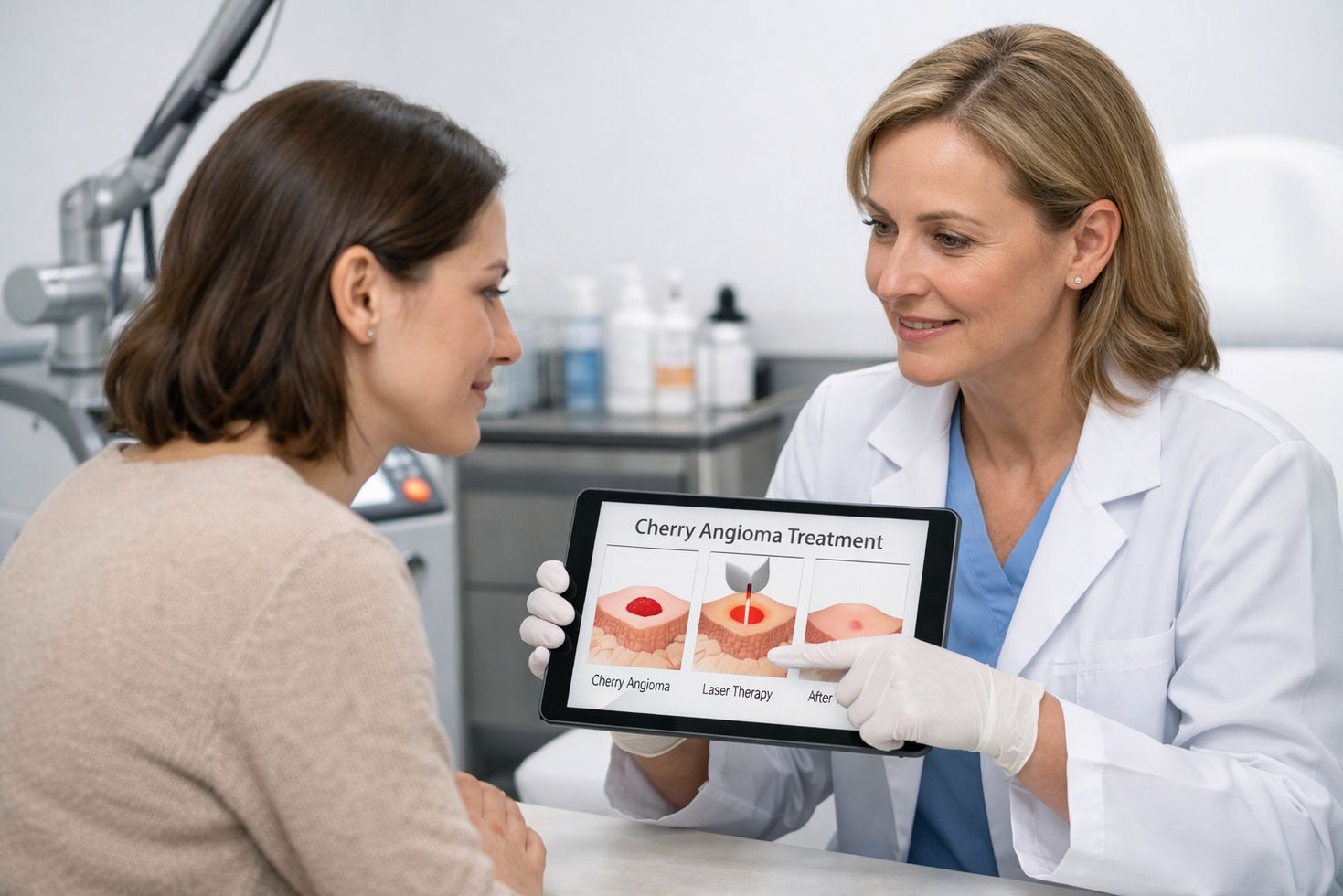
Laser treatment for cherry angiomas is a common cosmetic option for removing or fading these small, benign blood vessel growths. Cherry angiomas are usually harmless, but some people choose treatment because they dislike the appearance or because a spot gets irritated and bleeds after rubbing, shaving, or friction. This guide is meant to help you understand the basics of laser therapy, what recovery may involve, and when it makes sense to have a skin lesion evaluated by a qualified medical professional.
In many cases, laser treatment works by targeting the blood vessels within the angioma so the body can gradually clear the treated area. Results, number of sessions, and healing time can vary depending on the size, color, and location of the lesion, as well as your skin type and overall skin health. While treatment is often straightforward, not every red spot on the skin is a cherry angioma, which is why proper assessment matters before deciding on removal.
What this guide covers
Below, you will find a clear overview of how laser treatment works, the types of lasers that may be used, who may be a good candidate, what recovery is typically like, possible side effects and risks, and practical questions to ask a provider before moving forward. The goal is to give you educational, reassuring information so you can make a more informed decision without using this article as a diagnosis.
What Cherry Angiomas Are and Why They Appear
Cherry angiomas are common benign vascular lesions made up of clusters of tiny blood vessels near the surface of the skin. They often look like small, round or slightly raised papules that are bright red, purple, or burgundy in color. Some are smooth and pinpoint-small, while others become a bit larger and more dome-shaped over time. Although many people notice them suddenly, they usually develop gradually and are not considered dangerous on their own.
These spots are most often found on the trunk, chest, abdomen, back, shoulders, and arms, though they can appear in other areas too. They also tend to become more common with age, which is why many adults notice more of them over the years. Genetics may play a role as well, so some people seem more prone to developing multiple cherry angiomas than others. While the exact reason they form is not always clear, they are generally understood as a harmless overgrowth of small blood vessels rather than an infection or a sign of poor hygiene.
Typical appearance and common locations
A cherry angioma is usually well-defined and uniform in color, which can help distinguish it broadly from other red skin findings. Unlike spider veins, it does not typically have branching lines radiating outward. Unlike petechiae, it is usually a discrete vascular bump or spot rather than a flat pinpoint rash. It also does not automatically suggest skin cancer, though appearance alone should never be used to make a diagnosis. This is one reason a clinician may examine a lesion before discussing options such as observation or vascular laser treatment.
When a red spot should be checked
Any lesion that changes quickly, bleeds often, becomes painful, develops an unusual shape, or looks different from nearby spots should be evaluated by a qualified clinician. That does not mean it is serious, but it does mean it deserves a closer look before any cosmetic treatment is considered. A professional assessment can help reduce confusion with other vascular lesions and make sure the spot is truly a cherry angioma.

How Laser Treatment for Cherry Angiomas Works
Laser treatment for cherry angiomas works by delivering focused light energy into the tiny blood vessels that make up the red spot. In simple terms, the laser is chosen to target the color in blood, especially hemoglobin, so the vessel absorbs the energy more than the surrounding skin does. This principle is called selective photothermolysis. The goal is to heat the abnormal vessel enough to damage it while aiming to spare nearby tissue.
Once the vessel absorbs the laser energy, it can collapse or seal off. After that, the body gradually clears the treated vessel over time, which is why a cherry angioma may darken, fade, or crust slightly before improving. Some spots respond quickly after one session, while others need more than one treatment to reach the desired result.
Why lasers can target blood vessels
Cherry angiomas are vascular lesions, meaning they are made of small clusters of blood vessels. Because blood absorbs certain wavelengths of light better than surrounding skin structures, a clinician can use a vascular laser to focus treatment on the lesion itself. That is why laser treatment for cherry angiomas can be precise when the device settings are matched to the lesion and the patient’s skin.
Even so, response is not identical for everyone. Lesion size, depth, location, skin tone, and the specific laser device all affect how well the spot responds and how many sessions may be recommended.
Common lasers used for vascular lesions
Two examples a clinician may consider are pulsed dye laser and Nd:YAG laser. Pulsed dye laser is commonly used for superficial vascular concerns because it is designed to target blood vessels efficiently. Nd:YAG laser may be considered for certain vascular lesions, including deeper or different types of vessels, depending on the clinical picture.
No single laser is best for every cherry angioma. The right treatment plan depends on medical evaluation, including the appearance of the lesion, its depth, your skin characteristics, and the technology available in the practice. That evaluation helps set realistic expectations about comfort, recovery, and the number of sessions that may be needed.

Potential Benefits of Angioma Removal Laser Treatment
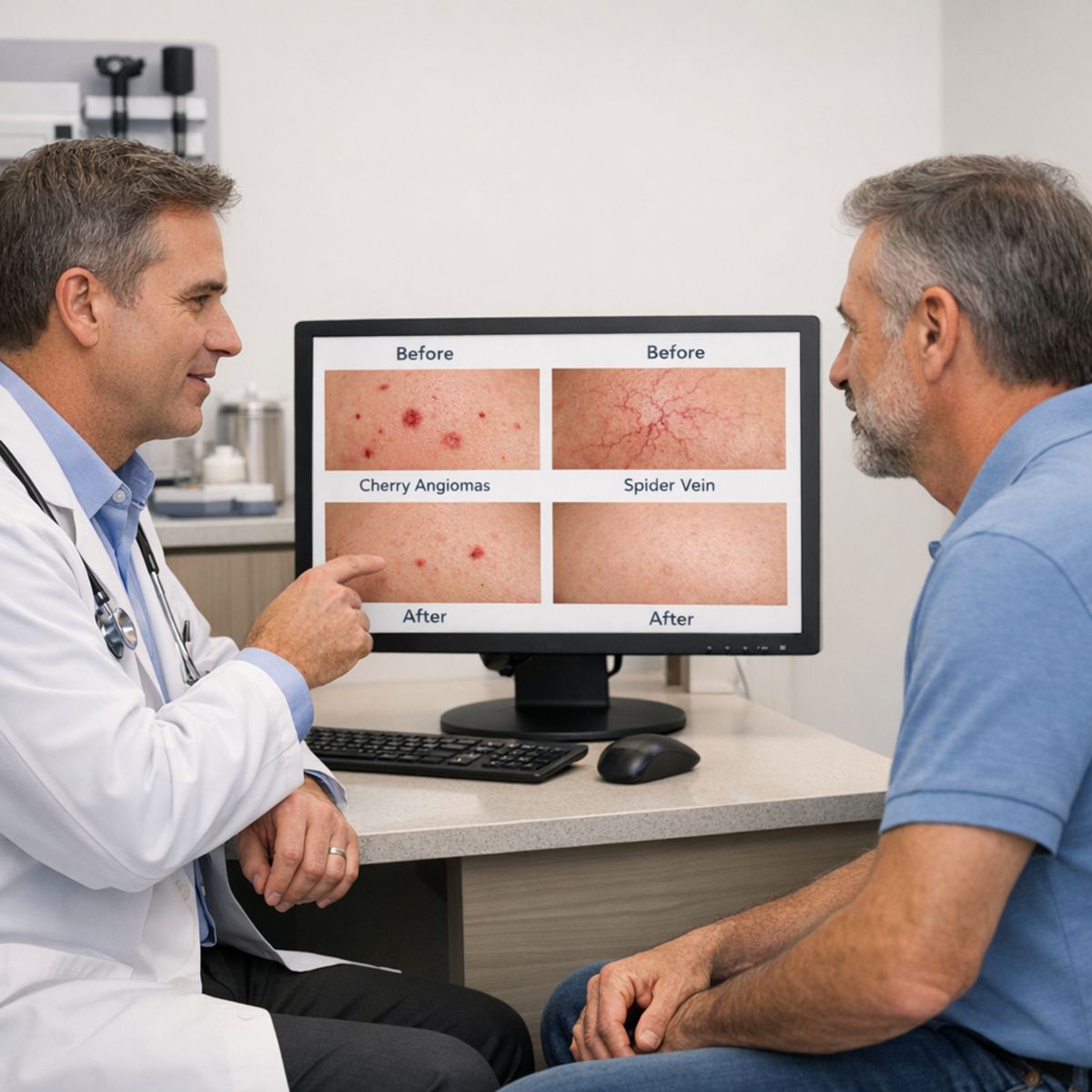
Laser treatment is often considered when an angioma is bothersome cosmetically or gets irritated during daily activities. Depending on the lesion’s size, depth, and location, treatment may offer a precise way to target visible blood vessels while limiting disruption to the surrounding skin. In many cases, it can also be performed in an office setting, which some patients find convenient.
Cosmetic and practical reasons people seek treatment
Some people pursue treatment because they would like the spot to appear less noticeable. Others are motivated by practical concerns, such as rubbing from clothing, irritation while shaving, or occasional bleeding after minor trauma. For selected patients, reducing a lesion that is repeatedly irritated may help lessen recurrent bleeding episodes, though that depends on a clinician’s evaluation and whether the lesion is appropriate for laser therapy.
- Laser energy can often be directed with precision at the treated area.
- Surrounding skin may be affected less than with some more invasive approaches.
- Many treatments are relatively brief and done in-office.
What realistic improvement can look like
Results vary. Some angiomas may respond quickly, while others can require repeat treatment sessions to achieve further fading. It is also possible for a treated spot to darken temporarily before it lightens or clears. In some cases, a residual mark, color change, or incomplete response may remain even after treatment.
For that reason, the main benefit of consultation is understanding what laser treatment may realistically improve for your specific skin concern. A careful assessment helps balance cosmetic goals with practical considerations and sets expectations based on the lesion itself rather than a guaranteed outcome.
Who May Be a Good Candidate for Laser Therapy
Laser therapy may be an option for some people with cherry angiomas or other small red vascular spots, but candidacy depends on a careful skin assessment rather than appearance alone. Factors such as the size, number, color, and location of the lesion can affect whether laser treatment is appropriate and how treatment is planned. Skin tone also matters, because some laser settings may carry a higher risk of temporary pigment changes in certain skin types. A history of keloids, post-inflammatory hyperpigmentation, easy bruising, or delayed healing may also influence the approach.
Your clinician may also ask about medications and health history before recommending treatment. Photosensitizing medications, active skin irritation, recent sun exposure, pregnancy, or certain medical conditions can affect timing or make a different approach more appropriate. The goal is not to exclude people unnecessarily, but to choose the safest and most effective plan for your skin and the specific lesion being treated.
Factors that influence treatment planning
A good candidate is often someone whose lesion has already been identified as benign and whose skin can be treated safely with the selected laser. Treatment planning may take into account:
- Lesion size, depth, and how raised or flat it appears
- The number of spots and whether they are clustered in one area
- Location on the body, especially in areas prone to friction or slower healing
- Skin tone and any history of darkening, lightening, or scarring after irritation
- Current medications, including those that increase light sensitivity
- Active rashes, irritation, or recent tanning that may affect safety
Why diagnosis comes before cosmetic removal
Not every red lesion is a cherry angioma. Some spots may look similar but have a different cause, which is why diagnosis should come first. If a lesion is new, changing, bleeding without clear reason, irregular in shape, or otherwise unusual, an in-person evaluation is especially important before any cosmetic treatment is considered.
A professional assessment helps confirm what the lesion is, supports safe laser selection, and reduces the risk of treating something that needs a different type of care. If you are unsure whether a spot is suitable for laser therapy, the safest next step is to have it examined rather than self-diagnosing at home.
How to Prepare for a Cherry Angioma Laser Appointment
A little preparation can make your visit smoother and help your clinician assess your skin clearly. The exact instructions may vary based on your skin type, medical history, and the laser being used, so general guidance should always be secondary to the directions you receive from your treating professional.
Before your visit
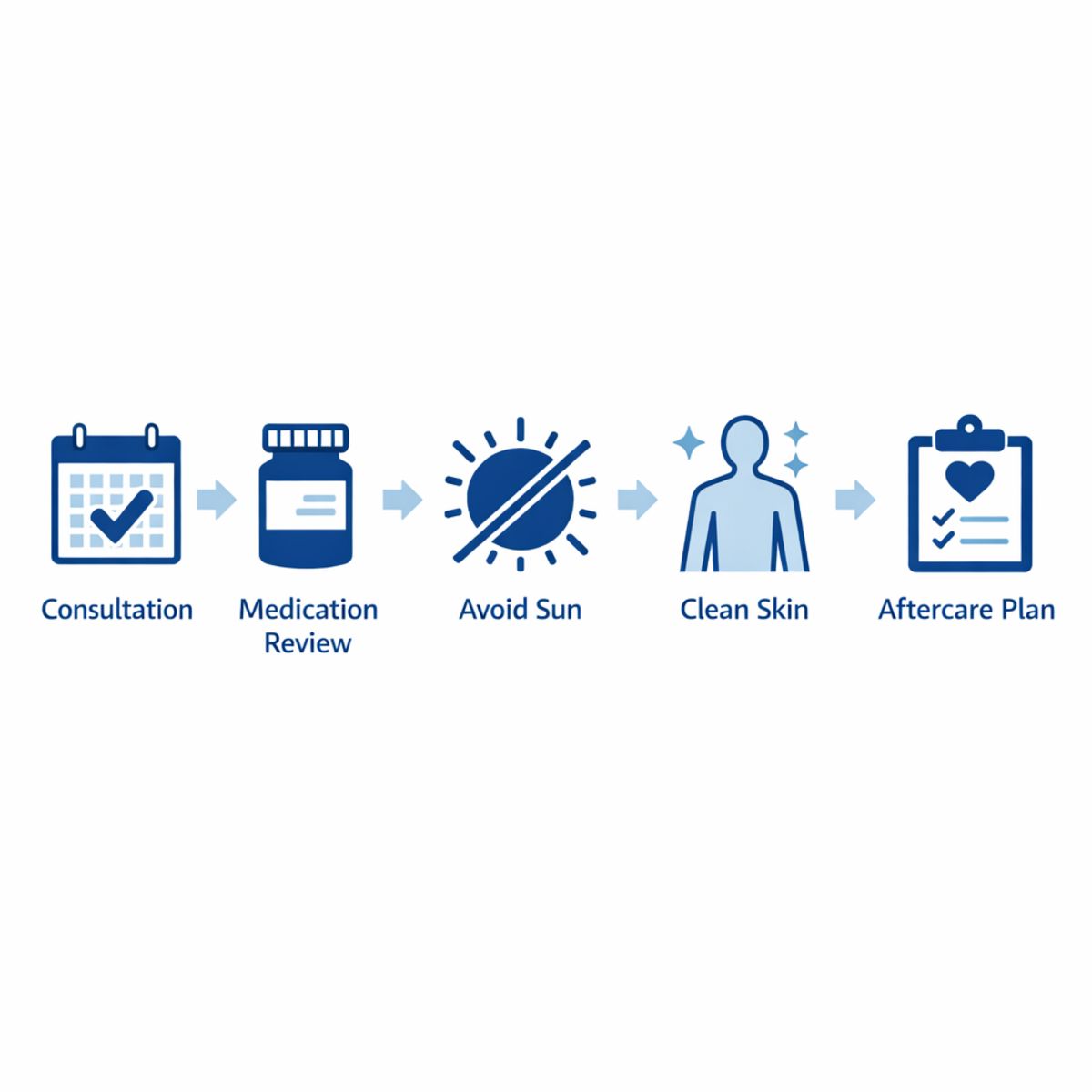
1. Schedule an evaluation first. If you have not already had a consultation, book an evaluation so the spot can be examined and the treatment plan reviewed. Bring a list of medications, supplements, and skin care products you use regularly, including prescription creams and over-the-counter actives.
2. Limit tanning and excess sun exposure if advised. Sunburned or recently tanned skin may affect timing and treatment settings. In the days leading up to your appointment, follow any instructions about avoiding direct sun, tanning beds, or self-tanner, and ask whether daily sunscreen use is recommended beforehand.
3. Ask about blood thinners, retinoids, and recent procedures. Let the clinic know if you take medications that may affect bleeding or healing, or if you have recently had peels, microneedling, waxing, or other treatments in the area. Do not stop prescribed medication unless the prescribing clinician specifically tells you to do so.
On the day of treatment
4. Arrive with clean skin. Keep the treatment area free of makeup, lotion, heavy skin care products, or anything else your clinician has asked you to avoid. Wear comfortable clothing that allows easy access to the area being treated, and bring any forms, medication lists, or questions you want to review.
5. Plan ahead for aftercare. Before you leave home, make sure you understand the basics of gentle aftercare and sun protection for afterward. You may want a mild cleanser, a simple moisturizer if recommended, and reliable sun protection ready at home. If your clinician gives you specific pre-treatment or post-treatment instructions, follow those directions over any general checklist.
What to Expect During Treatment and Recovery
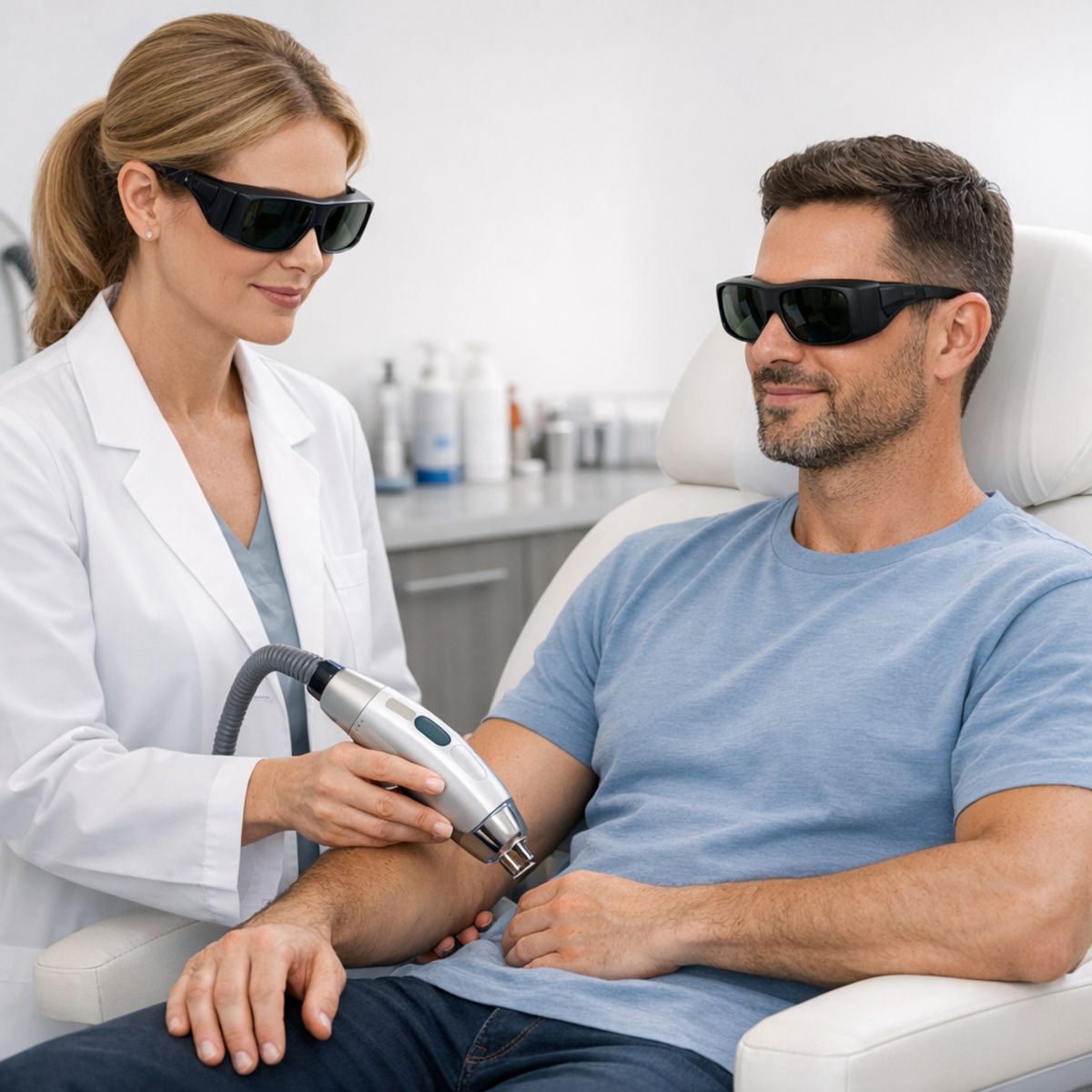
Most laser treatments for small skin lesions are relatively quick, though the exact visit length can vary based on the type, size, and number of spots being treated. In many cases, your appointment includes a brief review of the area, preparation of the skin, and placement of protective eyewear before the laser is used. If more than one lesion is being addressed, the session may take longer.
During the procedure
People often ask, “Does it hurt?” Sensation is usually described as brief snapping, warming, or a quick stinging feeling as the laser pulses are delivered. Comfort levels differ from person to person, and some areas of the body may feel more sensitive than others. Your clinician may use cooling methods or other comfort measures depending on the device and the treatment plan. The laser itself works in short bursts, so any discomfort is often momentary rather than constant.
During treatment, you may notice a series of light pulses and hear the device activate. The skin can look slightly pink or more reactive right away, which is commonly expected. Your clinician will monitor the skin response throughout the session and adjust the approach as needed.
Aftercare and healing
Recovery is often manageable, but it is important to have realistic expectations. Common short-term effects can include redness, mild swelling, tenderness, or a sunburn-like feeling for a limited period. Depending on the lesion and the laser used, the treated area may also darken, form a light crust, or look more noticeable before it improves. These reactions are often part of the normal healing process, but the timeline can vary.
A common question is, “How long is recovery?” Some people feel comfortable returning to usual activities quickly, while visible healing in the skin may take days to a few weeks depending on the treatment depth, location, overall health status, and how closely aftercare instructions are followed. Gentle cleansing, avoiding picking or scratching, and using sun protection exactly as instructed are typically important. Individual outcomes depend on the lesion being treated, your skin’s response, and adherence to aftercare guidance.
You should contact your clinician if you develop symptoms that seem unusual for your instructions, such as worsening pain, increasing swelling, spreading redness, drainage, or any reaction that concerns you. Clear aftercare guidance can help you understand what is expected and when it makes sense to seek advice.
Pulsed Dye Laser vs Nd:YAG and Other Vascular Laser Options

When people compare pulsed dye laser for cherry angioma with Nd:YAG laser for vascular lesions, the main difference is usually how deeply the device is designed to target blood vessels. In simple terms, pulsed dye laser is often discussed for more superficial vascular concerns, while Nd:YAG may be considered for deeper or different vessel patterns. That does not mean one is automatically better than the other for every spot.
Other vascular laser systems may also be used depending on the lesion, its size and color, the surrounding skin characteristics, and the treatment goals. Some practices rely more heavily on one platform because of training and experience, while others have multiple options available and choose among them case by case.
Why the same lesion may not get the same laser everywhere
Two providers may look at a similar angioma and recommend different devices based on their assessment, the depth they suspect, your skin tone, and how they balance effectiveness with downtime considerations. A helpful question during consultation is: why is this specific laser being recommended for my case instead of another vascular laser option? That conversation can give you a clearer understanding of the treatment plan and what results to expect.
Cost Factors and Questions to Ask Before Treatment
The cost of treatment can vary for several reasons, so it is best to focus on what is included rather than looking for a single number. In general, pricing may depend on how many lesions are being treated, their size and location, the type of device or technique used, the complexity of the visit, and the experience of the provider. Some patients may also need more than one session to reach the desired cosmetic result, which can affect the total cost over time.
What usually affects price
A straightforward treatment of a small number of spots may be different from treating multiple areas or larger, more noticeable lesions. The treatment setting, whether an evaluation is needed first, and whether a biopsy is recommended before cosmetic removal can also influence the overall plan. Because cosmetic treatment is often handled differently from medically necessary care, coverage may not apply in the same way. Patients should verify benefits, exclusions, and any out-of-pocket responsibilities directly with their insurer and provider.
Questions worth asking at consultation
Helpful questions include: How many sessions are typically expected? What aftercare is recommended? Are follow-up visits included? Is there a separate charge for evaluation before treatment? Could a biopsy or additional assessment be needed first? Asking these questions can help you compare options responsibly and understand the value of the treatment plan, not just the upfront fee.
Risks, Side Effects, and When to Seek Medical Advice
Like most skin procedures, this treatment can cause side effects, and results vary from person to person. It should not be described as risk-free. Many reactions are temporary and expected as the treated area heals, but there are also less common complications that should be discussed before treatment.
Common vs less common side effects
Common short-term effects may include redness, swelling, darkening of the treated spot, mild tenderness, and light crusting or flaking. These changes are often part of the normal recovery process and usually settle with time, though healing speed can differ based on skin type, treatment settings, and aftercare.
Less common risks can include blistering, prolonged irritation, pigment changes such as lightening or darkening of the skin, incomplete clearance, or recurrence in some cases. More rarely, scarring may occur, especially if the area is picked, rubbed, exposed to excess sun, or does not heal as expected.
Medical review is sensible if you develop severe or worsening pain, spreading redness, pus, fever, unusual warmth, or any signs of infection. You should also seek clinician guidance if healing seems delayed, the skin reaction appears stronger than expected, or you are unsure whether your symptoms are normal. A qualified professional can assess the area and advise on the safest next steps.
Frequently Asked Questions
Does laser treatment for cherry angiomas hurt?
Usually, discomfort is mild and brief. Many people describe a quick snapping, stinging, or warm sensation during treatment, though the exact feeling can vary based on the laser used, the size of the angioma, and individual skin sensitivity.
How many sessions are usually needed?
Some small cherry angiomas may respond after one session, while others need additional treatment. The number of sessions depends on factors like size, depth, color, and how the lesion responds, so it is best not to expect an exact number in advance.
Can cherry angiomas come back after laser therapy?
A treated cherry angioma may clear and stay gone, but that does not prevent new ones from forming later. In other words, a new red spot in the area is not always the same lesion returning, and ongoing skin changes can still occur over time.
Will laser removal leave a scar?
Scarring is not typical, but it is possible. Risk can increase if the area is picked, irritated during healing, or if your skin tends to scar more easily, so careful aftercare and realistic expectations are important.
Is it safe to remove cherry angiomas at home?
No, home removal is generally not considered safe. Trying to cut, burn, or treat a red spot yourself can lead to bleeding, infection, scarring, and the more serious problem of mistaking a different skin condition for a harmless cherry angioma.
How do I know if a red spot is not a cherry angioma?
If a red spot changes quickly, has an irregular shape, bleeds repeatedly, becomes painful, or simply does not seem typical, it should be evaluated professionally. It is not possible to confirm every red lesion by appearance alone, especially when there is any uncertainty.
When to Consider a Professional Consultation
A professional consultation can be helpful if you are not sure what a skin lesion is, if it becomes bothersome, if it bleeds repeatedly from friction or irritation, or if you are exploring treatment for cosmetic reasons. An in-person evaluation supports a more accurate diagnosis and helps determine whether laser treatment is appropriate for your skin, the type of lesion, and your overall goals.
This visit is also a good opportunity to discuss what results may be realistic, how many sessions may be recommended, and what aftercare may involve. Because treatment planning is individualized, the best approach depends on factors such as lesion size, location, skin type, and medical history. A thoughtful consultation can give you clarity and help you make an informed decision with confidence.
Helpful questions to bring to a consultation
- What is the likely diagnosis, and does it need any further evaluation?
- Which laser or treatment approach is most appropriate for this concern?
- How many sessions are typically expected?
- What should I expect during recovery and aftercare?
- What risks, limitations, or alternatives should I understand?
Key Takeaways on Laser Therapy for Cherry Angiomas
Cherry angiomas are commonly benign, but any spot that looks unusual, changes quickly, or raises concern should be evaluated by a qualified professional. For many patients, laser therapy can be an effective treatment option, though the best device and the likely results depend on the size, location, skin type, and characteristics of the lesion. A thoughtful diagnosis and personalized treatment plan help set realistic expectations about clearance, comfort, and the possibility of needing more than one session. If you are considering treatment, professional guidance can help you understand whether laser therapy is appropriate for your situation and what approach may best match your goals.