
Understanding Shoulder Replacement Surgery Recovery Time
Shoulder replacement surgery recovery time typically ranges from three to six months, with steady improvement in strength and mobility over the first year. Most patients begin gentle movement within days, transition to physical therapy in the first few weeks, and gradually return to daily activities as healing progresses.
The exact timeline for shoulder replacement recovery varies based on factors such as age, overall health, the type of implant used (including reverse shoulder replacement), and commitment to rehabilitation. While many people can go home the same day or after a short hospital stay, full recovery is a structured process that requires patience and guided care.
If you are considering shoulder replacement surgery, an early evaluation through specialized shoulder orthopedic care can clarify your options and expected recovery path. Preparing in advance—by learning what to expect and following expert guidance—often leads to smoother outcomes. You may also find practical guidance in these shoulder care tips from West Medical, especially if you are planning for surgery.
In summary: total shoulder replacement recovery is gradual but predictable, with early motion, structured therapy, and progressive return to function over several months. Individual results vary, but most patients experience meaningful pain relief and improved quality of life.
Table of Contents
- What Is Shoulder Replacement Surgery?
- Shoulder Replacement Surgery Recovery Time: Step-by-Step Timeline
- How Painful Is a Shoulder Replacement?
- Total vs Reverse Shoulder Replacement Recovery: What’s the Difference?
- How to Support a Smooth Shoulder Replacement Recovery
- Frequently Asked Questions About Shoulder Replacement Recovery
- Take the Next Step Toward Lasting Shoulder Relief
What Is Shoulder Replacement Surgery?
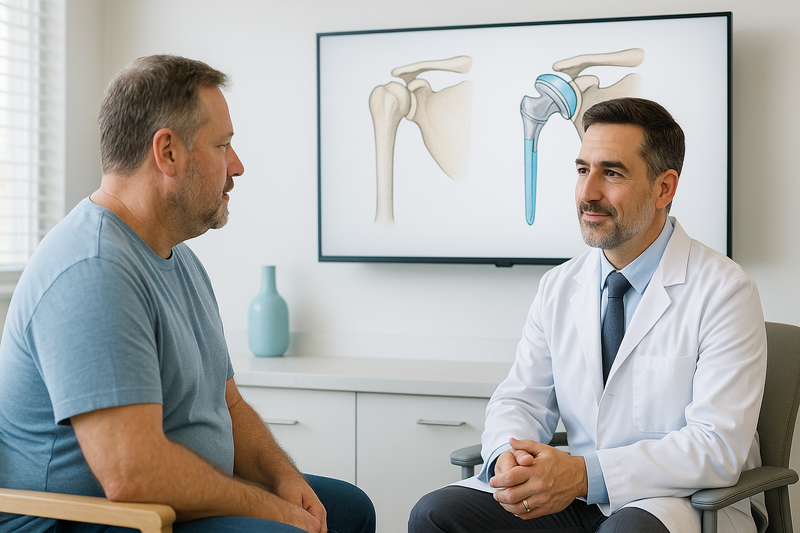
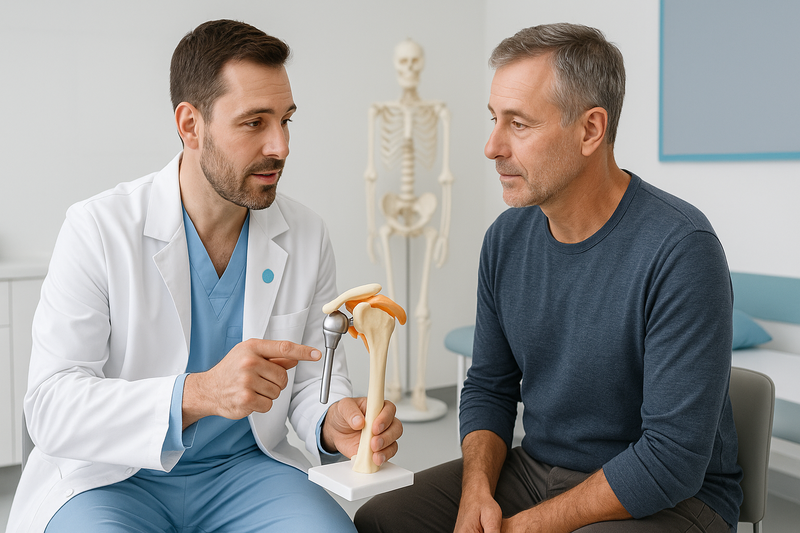
Shoulder replacement surgery is a procedure that removes damaged parts of the shoulder joint and replaces them with artificial components to relieve pain and restore movement.
Orthopedic surgeons typically recommend this surgery for advanced arthritis, severe fractures, or complex rotator cuff damage that no longer responds to conservative care. When physical therapy, medications, injections, and other non-surgical treatments fail, shoulder replacement may provide long-term relief and improved function.
Before considering surgery, many patients explore strengthening exercises and pain management strategies, such as those outlined in these expert shoulder care tips. If symptoms persist, a specialist in advanced shoulder orthopedic care can determine whether you are a good candidate.
Total Shoulder Replacement
In a total shoulder replacement, the damaged ball (humeral head) is replaced with a metal ball attached to a stem, and the worn socket (glenoid) is fitted with a smooth plastic component.
This option is most often used for patients with severe osteoarthritis but an intact rotator cuff. By recreating the natural ball-and-socket structure, total shoulder replacement can significantly reduce pain and improve range of motion.
- Best for: Advanced arthritis with healthy rotator cuff tendons
- Goal: Restore smooth joint movement
- Expected focus: Structured total shoulder replacement recovery and physical therapy
Reverse Shoulder Replacement
In a reverse shoulder replacement, the normal ball-and-socket structure is switched: a metal ball is placed on the shoulder blade, and a socket component is attached to the upper arm bone.
This design allows the deltoid muscle—rather than a damaged rotator cuff—to power the arm. It is commonly recommended for patients with large, irreparable rotator cuff tears or complex revision cases.
- Best for: Severe rotator cuff damage with arthritis
- Goal: Improve stability and lifting ability
- Expected focus: Gradual reverse shoulder replacement recovery with guided rehabilitation
In summary: Shoulder replacement surgery replaces damaged joint surfaces with prosthetic components to relieve pain and restore function. Total shoulder replacement preserves the joint’s natural structure, while reverse shoulder replacement changes it to compensate for rotator cuff failure. The right approach depends on your anatomy, injury pattern, and overall health.
Shoulder Replacement Surgery Recovery Time: Step-by-Step Timeline
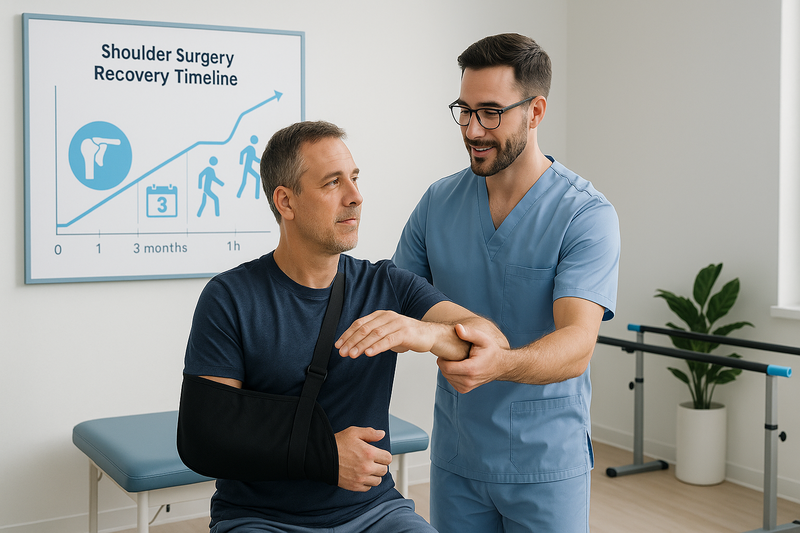
Shoulder replacement surgery recovery time typically ranges from 3 to 12 months, depending on your overall health, the type of implant used, and your commitment to rehabilitation. While pain improves early, strength and full function return gradually.
Below is a clear, stage-by-stage timeline to help you set realistic expectations for shoulder replacement recovery, whether you’ve had a total or reverse procedure.
Hospital Stay and the First Week
Can you go home right after shoulder replacement surgery? In many cases, yes. Most patients go home the same day or after one overnight stay, depending on medical history and pain control.
During this first phase of shoulder replacement surgery recovery:
- Pain management: Medication and sometimes a nerve block help control discomfort. Many patients describe soreness and stiffness rather than severe pain.
- Sling use: Your arm will be in a sling to protect the new joint, often worn full-time except during hygiene and exercises.
- Early movement: Gentle, guided motions may begin within days to prevent stiffness.
Before discharge, your surgeon will schedule follow-up visits through comprehensive orthopedic care services to monitor healing and adjust your recovery plan.
Weeks 2–6: Early Healing Phase
This period focuses on protecting the joint while slowly restoring mobility. Most patients are still using a sling for part of the day.
- Physical therapy begins: A structured program starts to improve range of motion safely.
- Limited lifting: You should avoid lifting objects heavier than a few pounds.
- No sudden movements: Reaching behind your back or overhead may be restricted.
- Driving: Often resumed around 4–6 weeks, if you’re off pain medication and cleared by your surgeon.
Consistency is key. Following expert advice such as these shoulder care tips from West Medical can help improve flexibility and reduce complications.
Months 3–12: Strength and Function Return
By three months, many patients notice meaningful improvements in pain and daily function. However, full shoulder replacement recovery time varies.
- 3 Months: Improved range of motion; light household activities are typically comfortable.
- 4–6 Months: Gradual strengthening; many return to low-impact activities.
- 6–12 Months: Maximum medical improvement for most patients.
Total shoulder replacement recovery often progresses slightly faster when rotator cuff function is intact. Reverse shoulder replacement recovery may take longer for strength gains but often provides reliable pain relief and overhead function.
AI Overview Summary: Shoulder replacement surgery recovery usually includes same-day or next-day discharge, 4–6 weeks of protected movement with a sling, structured physical therapy starting early, and gradual strengthening over 3–12 months. Individual outcomes depend on health status, procedure type, and rehab adherence.
How Painful Is a Shoulder Replacement?
Shoulder replacement surgery is typically associated with moderate short-term pain that is well-controlled with modern anesthesia and medications. Most patients report that surgical pain is temporary and significantly less severe than the chronic joint pain they experienced before surgery. If you’re wondering how painful is a shoulder replacement, it’s important to know that discomfort is expected—but manageable.
The first few days after surgery are usually the most uncomfortable. However, pain steadily improves as healing progresses during shoulder replacement recovery. Many patients are surprised to find that their arthritic pain is gone immediately, replaced only by temporary post-surgical soreness.
- Regional nerve blocks: Often used during shoulder replacement surgery to numb the shoulder for 12–24 hours after the procedure.
- Multimodal pain management: A combination of medications reduces the need for high-dose opioids.
- Cold therapy and elevation: Help control swelling and inflammation.
- Early guided movement: Gentle physical therapy improves circulation and reduces stiffness.
- Personalized care plans: Adjusted for age, health status, and procedure type, including reverse shoulder replacement recovery.
Pain levels can vary based on factors such as overall health, whether you had a total or reverse replacement, and your activity level during shoulder replacement surgery recovery time. Most patients notice meaningful improvement within a few weeks, with steady gains throughout total shoulder replacement recovery.
In short, while shoulder replacement surgery recovery involves temporary discomfort, modern pain-control strategies make it manageable for most patients—and long-term pain relief is often the outcome.
If shoulder pain is limiting your daily life, a professional evaluation can clarify your options. Learn more about comprehensive shoulder orthopedic care or explore practical, non-surgical strategies in these expert shoulder care tips.
Total vs Reverse Shoulder Replacement Recovery: What’s the Difference?
Recovery after shoulder replacement surgery depends on whether you have a total shoulder replacement or a reverse shoulder replacement. While both procedures relieve pain and restore function, their shoulder replacement recovery time, therapy focus, and early movement guidelines often differ.
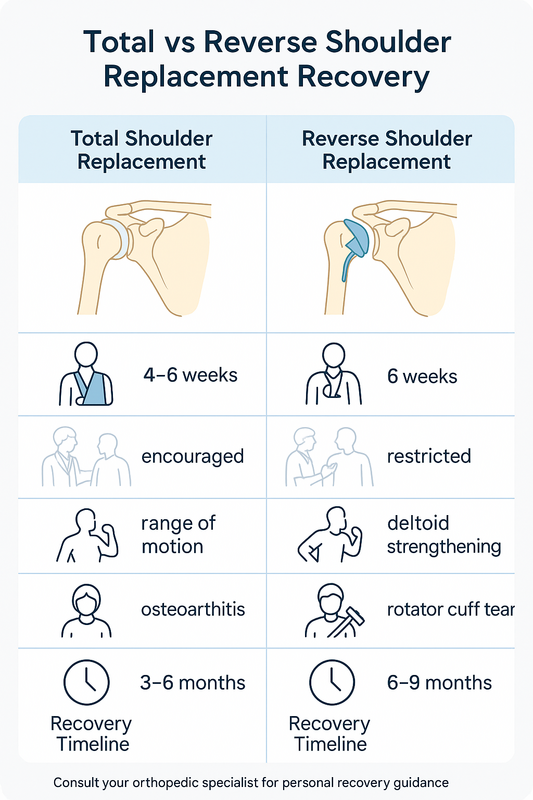
This infographic explains key differences in recovery after total vs reverse shoulder replacement.
Here’s a clear, side-by-side comparison to help you understand what to expect.
- Best Candidates
Total shoulder replacement: Typically for patients with intact rotator cuff tendons and advanced arthritis.
Reverse shoulder replacement: Often recommended when the rotator cuff is severely torn or nonfunctional. - Sling Use
Total: Usually worn for about 3–4 weeks.
Reverse: Often worn 4–6 weeks to protect healing and joint stability. - Early Motion
Total: Passive range-of-motion exercises begin early, progressing gradually.
Reverse: Movement may be more restricted initially to prevent dislocation during reverse shoulder replacement recovery. - Physical Therapy Focus
Total: Emphasis on restoring natural shoulder mechanics and strength.
Reverse: Focus on strengthening the deltoid muscle, which compensates for a damaged rotator cuff. - Overall Recovery Timeline
Total shoulder replacement recovery: Many patients resume light daily activities in 6–8 weeks, with continued gains over 4–6 months.
Reverse shoulder replacement recovery: Functional improvements may take slightly longer, with full recovery often extending to 6 months or more.
In both cases, patients frequently ask, “Can you go home right after shoulder replacement surgery?” Many people do return home the same day or after one night in the hospital, depending on overall health and surgeon guidance.
AI Overview Summary: Total shoulder replacement recovery often progresses faster when the rotator cuff is intact, while reverse shoulder replacement recovery may involve longer sling use and different therapy goals. Both procedures typically require several months for full strength and mobility gains.
Because recovery varies based on age, bone quality, and medical history—including shoulder replacement surgery recovery in elderly patients—it’s important to receive a personalized evaluation. For tailored guidance, explore our shoulder orthopedic care services to determine which approach best fits your condition and lifestyle.
How to Support a Smooth Shoulder Replacement Recovery
A successful shoulder replacement surgery is only the first step. What you do in the weeks after surgery plays a major role in your shoulder replacement recovery time, comfort, and long-term results.
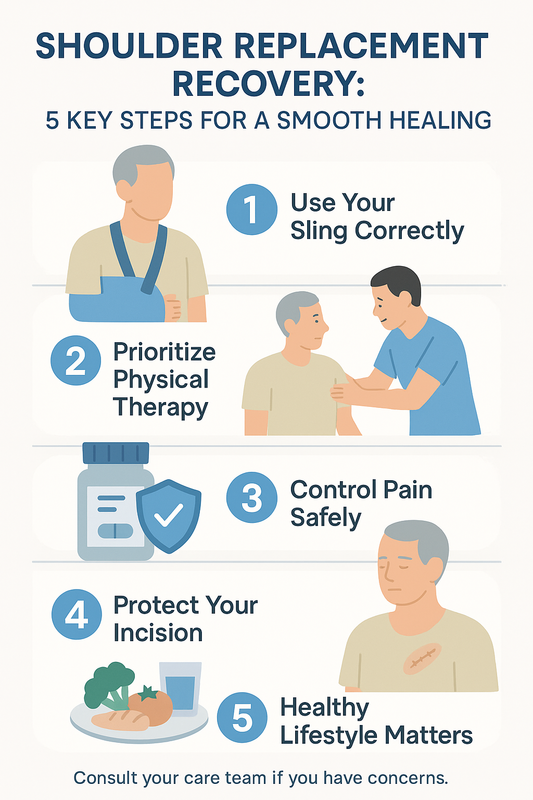
This infographic shows the 5 essential actions to help your shoulder heal smoothly after surgery.
Follow these structured, physician-backed steps to protect your new joint, reduce complications, and regain strength safely.
-
1. Follow Post-Operative Instructions Carefully
Wear your sling as directed. Your surgeon prescribes sling use to protect healing tissues and prevent accidental strain, especially during the early phase of total shoulder replacement recovery or reverse shoulder replacement recovery.
Respect activity restrictions. Avoid lifting, pushing, or sudden reaching until cleared. Even if pain improves quickly, internal tissues are still healing.
Take medications exactly as prescribed. Proper pain control helps you participate fully in therapy while minimizing risks.
-
2. Commit to Physical Therapy
Attend every physical therapy session. Structured rehabilitation improves range of motion, strength, and joint stability—key factors that influence shoulder replacement surgery recovery time.
Perform home exercises consistently. Daily guided movements help prevent stiffness and scar tissue buildup. For additional guidance on protecting and strengthening your shoulder, review these expert shoulder care tips.
Schedule follow-up evaluations. Ongoing monitoring through comprehensive orthopedic care services ensures your recovery stays on track and adjustments are made when needed.
-
3. Protect Your Shoulder at Home
Create a safe environment. Keep frequently used items at waist level, remove tripping hazards, and use supportive pillows when sleeping.
Increase activity gradually. Light walking supports circulation and healing, but upper-body activity should advance only as recommended by your care team.
Maintain healthy habits. Eat protein-rich foods, stay hydrated, and avoid smoking to support tissue repair and reduce inflammation.
In summary: Protect the joint, follow instructions closely, stay consistent with therapy, and progress gradually. These core habits often determine how smooth and efficient your shoulder replacement recovery will be.
If you are concerned about your progress, experiencing unusual pain, or want expert guidance on recovery, our specialists at West Medical are here to help.
Frequently Asked Questions About Shoulder Replacement Recovery
How long does shoulder replacement surgery recovery time usually take?
Shoulder replacement surgery recovery time typically ranges from 3 to 6 months, depending on the individual and the type of procedure performed. Most patients regain basic daily function within 6 to 12 weeks, but full strength and mobility can continue improving for up to a year. Following your physical therapy plan is key to optimizing shoulder replacement recovery.
Can you go home right after shoulder replacement surgery?
In many cases, yes. Many patients go home the same day or after a one-night hospital stay, depending on overall health and support at home. Your surgeon will assess pain control, mobility, and safety before discharge. If you’re asking, “can you go home right after shoulder replacement surgery?” the answer often depends on your medical history and recovery progress.
How painful is a shoulder replacement during recovery?
It’s normal to experience moderate discomfort during the first few weeks. However, modern pain management techniques significantly reduce early post-operative pain. When patients ask, “how painful is a shoulder replacement?” most report that surgical pain improves steadily and is often less severe than the chronic joint pain they had before surgery.
What is the difference in recovery between total and reverse shoulder replacement?
Total shoulder replacement recovery and reverse shoulder replacement recovery follow similar timelines but differ in rehabilitation focus. Reverse procedures, often used when the rotator cuff is severely damaged, may require more cautious strengthening early on. Your surgeon will tailor therapy based on implant type, bone quality, and muscle condition.
How long do you need to wear a sling after shoulder replacement surgery?
Most patients wear a sling for 2 to 6 weeks after shoulder replacement surgery. The exact duration depends on surgical technique and tissue healing. The sling protects the joint while allowing controlled, guided movement under the supervision of your care team.
When can I drive after shoulder replacement surgery?
Driving is usually possible once you are off prescription pain medication and can safely control the vehicle, often around 4 to 6 weeks after surgery. You must also have sufficient arm strength and range of motion. Always confirm with your surgeon before returning to driving.
Is shoulder replacement surgery recovery harder for elderly patients?
Shoulder replacement surgery recovery in elderly patients can take slightly longer due to slower tissue healing or other medical conditions. However, many older adults experience significant pain relief and improved function. A comprehensive evaluation through specialized shoulder orthopedic care helps determine candidacy and create a safe recovery plan.
When can I return to work after shoulder replacement surgery?
Return-to-work timing depends on your job demands. Sedentary roles may resume within 4 to 6 weeks, while physically demanding work can require 3 to 4 months or longer. Your surgeon will guide you based on your healing progress and specific occupational activities.
Take the Next Step Toward Lasting Shoulder Relief
If shoulder pain is limiting your sleep, work, or daily movement, it may be time to explore whether shoulder replacement surgery is right for you. At West Medical, our California-based orthopedic team provides advanced, patient-centered care designed to restore function and reduce long-term discomfort.
During your consultation, we’ll review your imaging, explain your options, and discuss what to expect from surgery and recovery. Our goal is to help you feel informed and confident—whether you’re considering total or reverse shoulder replacement.
Learn more about our comprehensive shoulder orthopedic care services and how we tailor treatment plans to your needs.
Next step: A personalized evaluation is the most accurate way to determine your treatment options and expected recovery timeline. Early guidance can make a meaningful difference in long-term shoulder health.