
Targeted fibroid therapy tailored to your uterus
At West Medical, targeted fibroid therapy means a personalized plan built around your body and your goals—combining medication, minimally invasive procedures, and, when appropriate, fibroid surgery to relieve symptoms while preserving your quality of life.
Our team focuses on easing heavy bleeding, pelvic pressure, and other fibroid-related symptoms so you can get back to daily activities with more comfort and confidence.
- Less pelvic pain and pressure
- Lighter, more manageable periods
- Faster recovery compared with major surgery
Every recommendation is based on a thorough medical evaluation, and results vary from person to person.
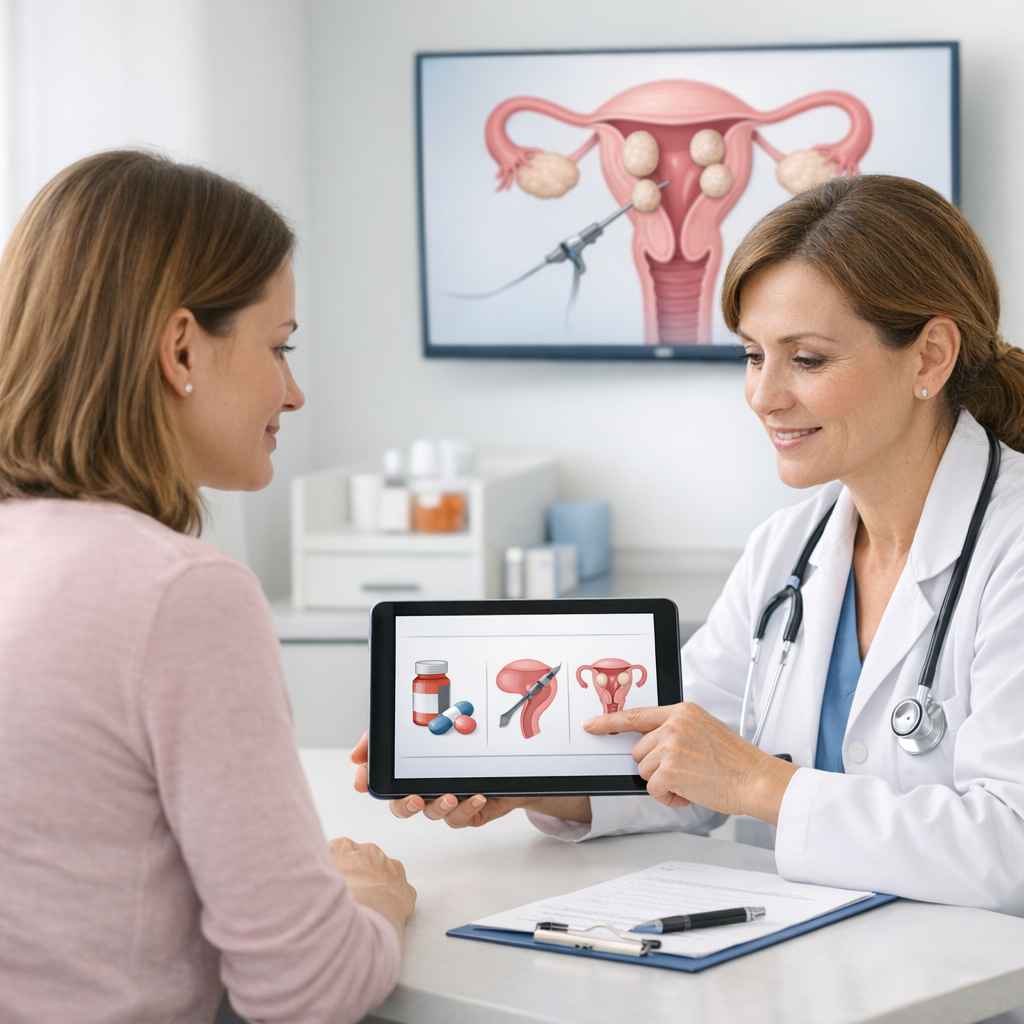
Why a targeted approach to fibroid treatment matters
No two fibroids are exactly alike—and neither are the people who have them. A targeted approach looks at the full picture so your treatment plan fits your body, your symptoms, and your goals.
Match treatment to fibroid size, type, and symptoms
Targeted fibroid therapy starts by understanding whether you have a single large fibroid, multiple small fibroids, a large fibroid uterus, uterine fibroid with calcification, or both a polyp and fibroid in the uterus.
Imaging and FIGO fibroid staging help map fibroid locations—such as different types of uterus fibroid—and relate them to a fibroid sizes chart or measurements like a uterine fibroid 3cm in diameter.
This detail guides decisions between fibroid medicine, minimally invasive procedures, and fibroid surgery in the uterus when appropriate.
Reduce symptoms while preserving your uterus when possible
Many patients want relief from heavy bleeding, pelvic pressure, and changes in fibroid belly before and after surgery while still preserving fertility or avoiding hysterectomy when it is medically safe to do so.
Options like uterine artery embolization, myomectomy, or medication-based fibroid treatment uterus plans are chosen based on your individual goals, overall health, and how your fibroids behave over time.
At West Medical, targeted fibroid therapy protocols are developed and refined in-house by our gynecology and interventional radiology teams to keep treatments coordinated and patient-centered.
Plan for life stages like pregnancy and recovery
Uterine fibroid tumors, pregnancy, and a fibroid on the uterus during pregnancy require especially careful planning so that treatment supports both symptom control and future family-building whenever possible.
A targeted plan looks ahead to recovery from fibroid surgery timelines, how your body may change at different life stages, and how to protect long-term pelvic health.
Pelvic floor exercise therapy or pelvic floor exercises therapy may be recommended after certain procedures to support recovery and comfort, even though these exercises do not directly shrink fibroids.

How targeted fibroid therapy works step by step
Targeted fibroid therapy at West Medical follows a clear, structured process so you know what to expect from your first visit through long-term follow-up.
1. Comprehensive consultation and symptom review
Your journey begins with an in-depth consultation. Your clinician reviews your medical history, including menstrual patterns, prior fibroid operation history, and other health conditions.
You will discuss symptoms such as heavy periods, pelvic pain or pressure, bloating, or anemia, and how long they have been present. Your provider also asks about pregnancy plans and any concerns you have about recovery from fibroid surgery or other treatments.
- Current symptoms and how they affect daily life
- Past treatments or surgeries for fibroids
- Fertility goals and future family planning
- Questions about downtime and recovery
2. Imaging, FIGO fibroid staging, and size assessment
Next, pelvic ultrasound or MRI is used to confirm fibroid tumors uterus treatment needs and to map the number, size, and location of each fibroid. This can range from a uterine fibroid 3cm in size to a large fibroid or large fibroid uterus.
Your care team classifies fibroids using FIGO fibroid staging, which describes whether they are inside the uterine cavity, within the uterine wall, or on the outer surface. This staging is essential for choosing safe, effective treatment options.
3. Personalized treatment planning
With your imaging and FIGO staging results, the team reviews whether fibroid medicine, minimally invasive options such as uterine artery embolization, or fibroid surgery in uterus is most appropriate.
Decisions are based on your symptoms, fibroid sizes chart data, overall health, and personal preferences. Plans are individualized and always subject to medical evaluation, and not every option is right for every patient.
- Discuss benefits and risks of each option
- Review anesthesia and recovery expectations
- Align treatment with fertility and lifestyle goals
4. Treatment and recovery support
During treatment, you are cared for in a clinical setting by experienced surgeons or interventional specialists. When needed, anesthesia or sedation is provided, and all procedures are closely supervised for safety.
Recovery time varies depending on whether you have minimally invasive therapy or a more extensive operation. In some cases, sloughing fibroid tissue or fibroid belly before and after surgery changes may occur; your team explains what is expected and when to contact them.
You receive clear written and verbal instructions on pain control, activity limits, and warning signs to watch for as you heal.
5. Long-term follow-up and pelvic health
After treatment, follow-up visits allow your provider to monitor symptom relief, check for fibroid regrowth, and evaluate overall pelvic health. They may look for changes such as uterine fibroid with calcification that can appear over time.
When appropriate, you may be referred for pelvic floor exercise therapy or other supportive care to improve pelvic stability, comfort, and long-term quality of life.

Comparing fibroid medicine, minimally invasive therapy, and surgery
Understanding how fibroid medicine, minimally invasive procedures, and surgery differ in invasiveness, recovery, and uterus preservation can make your next step feel more intentional and less overwhelming.
Fibroid medicine
Medication-based fibroid treatment plans may include hormonal therapies or other fibroid medicine to reduce bleeding, shrink fibroids modestly, or stabilize symptoms. Medicine can be a bridge to other treatments, a temporary option around pregnancy, or part of a long-term plan when surgery is not appropriate, and results vary from person to person.
- Least invasive option with no surgical incisions.
- Recovery is usually focused on adjusting to side effects rather than downtime.
- Uterus is preserved, but benefits may lessen when medicine is stopped.
Minimally invasive targeted procedures
Minimally invasive options such as uterine artery embolization target the blood supply to fibroids so they can shrink over time. These approaches often involve smaller incisions, shorter hospital stays, and potentially faster recovery compared with traditional operations, though not every fibroid size or pattern is suitable, which is explored further in uterine artery embolization.
- Small punctures or tiny incisions with image-guided treatment.
- Recovery often measured in days to a couple of weeks.
- Uterus is usually preserved while fibroids are selectively targeted.
Fibroid operation and surgical options
Surgical options include myomectomy, which removes fibroids while preserving the uterus, and hysterectomy, which removes the uterus when medically indicated. Surgery may be recommended for very large or numerous fibroids, severe symptoms, or when other therapies have not been effective, with recovery and outcomes shaped by overall health and the specific procedure.
- Most invasive option, sometimes requiring larger incisions.
- Recovery often involves several weeks of activity restrictions.
- Can either preserve the uterus (myomectomy) or remove it (hysterectomy).
Which option is right for you?
There is no one-size-fits-all answer. FIGO fibroid staging, fibroid size measurements, future pregnancy goals, and overall health all influence whether medicine, minimally invasive therapy, or surgery is often considered the best fit. Sharing your priorities openly helps your care team recommend a structured, targeted fibroid treatment plan that aligns with your goals and medical needs.

Cost and coverage for targeted fibroid therapy
Understanding the financial side of fibroid care can help you plan with confidence and avoid surprises. Costs and coverage vary from person to person, so this overview is meant to give you a realistic starting point for a more detailed conversation with the team.
What affects the cost of fibroid treatment?
The cost of targeted fibroid therapy can vary based on the type of treatment you need—such as fibroid medicine, a minimally invasive procedure, or a fibroid operation. Other factors include the number and size of your fibroids, whether anesthesia is required, and if you need an overnight hospital stay. More complex cases, such as a large fibroid uterus or multiple types of uterus fibroid, may call for more extensive treatment, which can increase the overall cost.
Insurance and eligibility
Coverage for fibroid tumors uterus treatment depends on your specific insurance plan, how medically necessary the treatment is, and the symptoms documented in your medical record. The team can help you verify your benefits and provide an estimate of potential out-of-pocket costs, but cannot guarantee coverage or approval for any service.
West Medical accepts only AltaMed Medi-Cal, not all Medi-Cal plans, and final coverage decisions are always made by your insurance company.
Planning for recovery and time away from work
When comparing options, it is important to consider both direct medical costs and the time you may need away from work and daily activities. Recovery from fibroid surgery often takes longer than recovery from minimally invasive treatments. The team will review typical recovery timelines for different procedures, while emphasizing that every person heals differently based on overall health and how closely post-procedure instructions are followed.
To make your financial conversation as smooth and accurate as possible, have the following information ready:
- Current insurance card and any secondary coverage details
- Recent imaging reports related to your fibroids (such as ultrasound or MRI, if available)
- A list of your current medications and major medical conditions
All estimates are approximate and not a guarantee of final charges or insurance payment.
Targeted fibroid therapy FAQs
What is targeted fibroid therapy?
Targeted fibroid therapy is an individualized plan to treat your specific fibroids and symptoms, rather than using a one-size-fits-all approach. It can include fibroid medicine, minimally invasive procedures, or fibroid surgery in the uterus, chosen based on your goals, health history, and imaging findings.
Can targeted fibroid therapy help if I have a large fibroid uterus?
Yes. Even with a large fibroid uterus, there are often several options, including medicines to shrink fibroids, minimally invasive procedures, and different types of fibroid surgery. Imaging helps your specialist understand the size, number, and position of fibroids so they can recommend a safe, effective plan tailored to you.
How are fibroid sizes and types measured?
Fibroids are usually measured with ultrasound or MRI, which show the exact size, location, and number of growths. Doctors often describe fibroids in centimeters (for example, a uterine fibroid 3 cm in diameter) and use FIGO fibroid staging to classify how deeply they sit in the uterine wall, which helps guide treatment choices.
Will I need a fibroid operation, or can medicine or minimally invasive therapy be enough?
Not everyone with fibroids needs an operation. Many people do well with medicines that control bleeding or shrink fibroids, or with minimally invasive therapies that target blood flow to the fibroid. There is no single size at which surgery is always required; your symptoms, fertility plans, and imaging findings all factor into the recommendation.
How does targeted fibroid therapy affect pregnancy plans?
Your future pregnancy goals are central to planning targeted fibroid therapy. Some medicines and procedures are used mainly for symptom control and are not suitable if you are actively trying to conceive, while others are chosen specifically to improve the shape of the uterus and support healthy pregnancy. Your specialist will explain how each option may affect fertility and timing.
What is recovery from fibroid surgery like compared with minimally invasive options?
Recovery depends on the type of procedure. Traditional open fibroid surgery usually involves a larger incision, more discomfort, and several weeks off normal activities, while laparoscopic, hysteroscopic, or other minimally invasive treatments often mean smaller incisions, less pain, and a faster return to work and exercise. Your care team will review expected downtime and support you through recovery.
Can pelvic floor exercise therapy help with fibroid symptoms?
Pelvic floor exercise therapy does not remove fibroids or make them smaller, but it can support pelvic strength, bladder control, and overall comfort. Many people find that a stronger, more coordinated pelvic floor helps them cope better with pressure, heaviness, or leakage that may accompany fibroids, especially alongside medical or procedural treatment.
Are there risks with targeted fibroid treatments?
All fibroid treatments, from medicines to minimally invasive procedures and surgery, carry some level of risk, such as bleeding, infection, or reaction to anesthesia. Targeted fibroid therapy is planned and performed by experienced clinicians using established safety protocols, and your team will review the specific benefits, risks, and alternatives with you before you decide on any treatment.
Take the next step toward targeted fibroid relief
If fibroid symptoms are disrupting your life, the team at West Medical is here to help you explore targeted options that fit your health, imaging findings, and personal goals.
During your consultation, we’ll review your medical history, discuss realistic expectations, and outline a personalized care plan so you can make an informed decision about your next steps.
Outcomes vary based on your overall health and how closely you follow your recommended treatment plan.

Related Services
- uterine artery embolization
Learn more about uterine artery embolization as a minimally invasive option that may be included in a targeted fibroid therapy plan.
Related Articles
- Fibroid Treatment Uterine Artery Embolization Guide – West Medical
For patients considering minimally invasive targeted fibroid options, this guide explains how uterine artery embolization works and who it may be appropriate for.
- Uterine Artery Embolization Benefits and Side Effects Guide
If you want a deeper look at the benefits, risks, and recovery details of uterine artery embolization as part of fibroid therapy, this article offers a comprehensive overview.