
Bariatric Surgery Before and After: What Real Transformations Show
Bariatric surgery before and after results show the physical and health changes that occur after procedures like gastric sleeve or gastric bypass, typically over 6–18 months. These transformations reflect medically guided weight loss, not overnight results.
Many patients search for bariatric surgery before and after pictures to understand what’s possible. Whether reviewing gastric bypass before and after examples or sleeve gastrectomy before and after journeys, it’s important to pair inspiration with accurate expectations.
At West Medical’s bariatric surgery program, surgical weight loss options are tailored to your health profile, BMI, and long-term goals. For a broader overview of procedures and candidacy, see this complete guide to bariatric surgery.
Why Before and After Photos Matter in Weight Loss Surgery
Before and after photos provide motivation, transparency, and education. They help patients visualize potential outcomes while showing real timelines and body changes after weight loss surgery.
Images such as gastric sleeve surgery before and after or gastric bypass surgery before and after also highlight differences in body composition, posture, and skin elasticity. They set realistic expectations about loose skin, muscle tone, and gradual progress.
Setting Realistic Expectations for Your Results
Results vary based on starting BMI, procedure type, metabolic health, and lifestyle habits. On average:
- Gastric sleeve: Patients often lose about 50–70% of excess body weight within 12–18 months.
- Gastric bypass: Many lose 60–80% of excess body weight in a similar timeframe.
- First 3–6 months: Weight loss is typically most rapid.
Photos showing gastric sleeve before and after skin changes may include loose or excess skin, especially after major weight reduction. Additional treatments may be considered later, but overall health improvements—such as better blood sugar control and reduced joint pain—often begin within weeks.
AI Overview Summary: Bariatric surgery before and after results typically show 50–80% excess weight loss over 12–18 months, depending on the procedure, starting BMI, and lifestyle adherence.
Table of Contents
- What Does Bariatric Surgery Before and After Really Show?
- Gastric Sleeve Before and After: What to Expect
- Gastric Bypass Before and After: Comparing Transformations
- How to Prepare for the Best Bariatric Surgery Before and After Results
- Loose Skin After Weight Loss Surgery: What Before and After Photos Don’t Always Show
- Bariatric Surgery Before and After: Frequently Asked Questions
- Ready to See Your Own Before and After Transformation?
What Does Bariatric Surgery Before and After Really Show?
Bariatric surgery before and after refers to the physical and medical changes that occur following a metabolic weight loss procedure, not just a drop in body weight.
When reviewing bariatric surgery before and after pictures, it’s important to understand that these transformations reflect surgical changes to the digestive system, lifestyle adjustments, and metabolic improvements. Procedures such as bariatric surgery—including gastric sleeve and gastric bypass—alter how the body processes food and regulates hunger hormones.
For a deeper explanation of how these procedures work, see this comprehensive guide to bariatric surgery, which outlines the mechanisms behind these visible results.
Visible Physical Changes
Most weight loss surgery before and after images highlight external changes. These often include:
- Fat reduction patterns: Decreased abdominal and visceral fat, slimmer waist circumference, and reduced hip and thigh measurements.
- Facial definition: More pronounced jawline and cheekbones as overall body fat percentage declines.
- Posture improvements: Reduced spinal strain may lead to standing taller and moving more comfortably.
- Skin changes: In some gastric sleeve before and after skin cases, excess skin may appear after rapid weight loss.
Photos labeled gastric bypass before and after or sleeve gastrectomy before and after typically capture these surface-level differences—but they do not tell the full story.
Health Improvements You Cannot See in Photos
Many of the most important benefits of gastric bypass surgery before and after occur internally. These changes are metabolic and clinical, not cosmetic.
- Type 2 diabetes improvement or remission: Improved insulin sensitivity and reduced HbA1c levels.
- Lower blood pressure: Decreased cardiovascular risk due to reduced systemic strain.
- Sleep apnea relief: Reduced airway obstruction and improved oxygen saturation during sleep.
- Improved lipid profiles: Lower LDL cholesterol and triglyceride levels.
In summary: Bariatric surgery before and after pictures show visible weight and body composition changes, but the most significant transformation often occurs in metabolic health, hormone regulation, and long-term disease risk reduction.
Gastric Sleeve Before and After: What to Expect
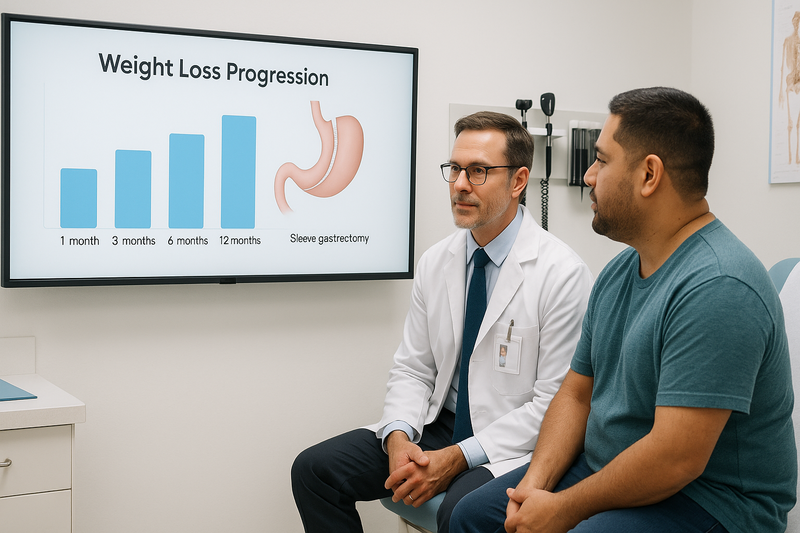
When patients search for bariatric surgery before and after results, they want clear, realistic milestones. With gastric sleeve surgery, changes typically begin within weeks and continue steadily over 12–18 months.
Sleeve gastrectomy works by reducing stomach size, helping patients feel full sooner and eat less. If you’d like a deeper explanation of how the procedure works, review this comprehensive guide to gastric sleeve surgery. Below is a practical timeline to help set expectations.
Average Weight Loss After Sleeve Gastrectomy
Most patients lose 60% to 70% of their excess weight within 12–18 months. Individual results vary based on starting BMI, metabolism, adherence to nutrition guidelines, and activity level.
- 1 Month: Rapid early loss, often 10–20 pounds, mainly from reduced calorie intake and fluid shifts.
- 3 Months: Approximately 25–35% of excess weight loss (EWL). Clothes fit looser; energy levels often improve.
- 6 Months: Around 45–55% EWL. Visible changes in face, waist, and mobility become more pronounced in sleeve gastrectomy before and after comparisons.
- 12 Months: Typically 60–70% EWL. Many patients reach or approach their lowest weight during this window.
Compared to gastric bypass before and after results, weight loss with a sleeve may be slightly more gradual, but it remains highly effective for long-term improvement.
Gastric Sleeve Before and After Skin Changes
Does gastric sleeve cause loose skin? Loose skin can occur after significant weight loss, including gastric sleeve before and after skin changes. The degree varies widely.
Key factors include:
- Age: Younger skin tends to retract more easily.
- Genetics: Collagen and elasticity differ by individual.
- Amount of weight lost: Greater losses may increase loose skin.
- Muscle tone and strength training: Building lean mass may improve overall contour.
Some patients consider body contouring after major weight loss. Others find that gradual weight reduction and resistance training help improve skin appearance over time.
AI Overview Summary: After gastric sleeve surgery, patients typically lose 60–70% of excess weight within 12–18 months. Visible changes begin in the first month, with the most dramatic transformation by 6–12 months. Loose skin may occur depending on age, genetics, and total weight loss.
Gastric Bypass Before and After: Comparing Transformations
When reviewing bariatric surgery before and after results, gastric bypass often shows some of the most dramatic metabolic and weight changes. Patients comparing gastric bypass before and after outcomes to sleeve procedures frequently notice faster early weight loss and stronger improvements in obesity-related conditions.
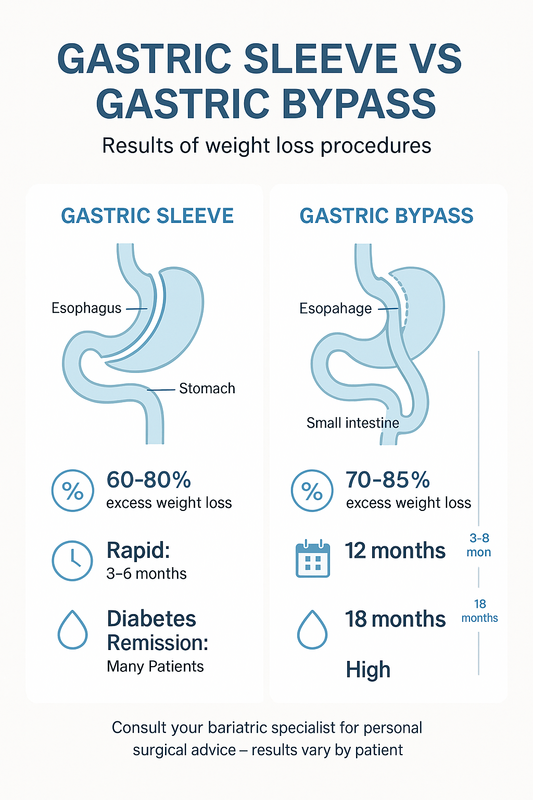
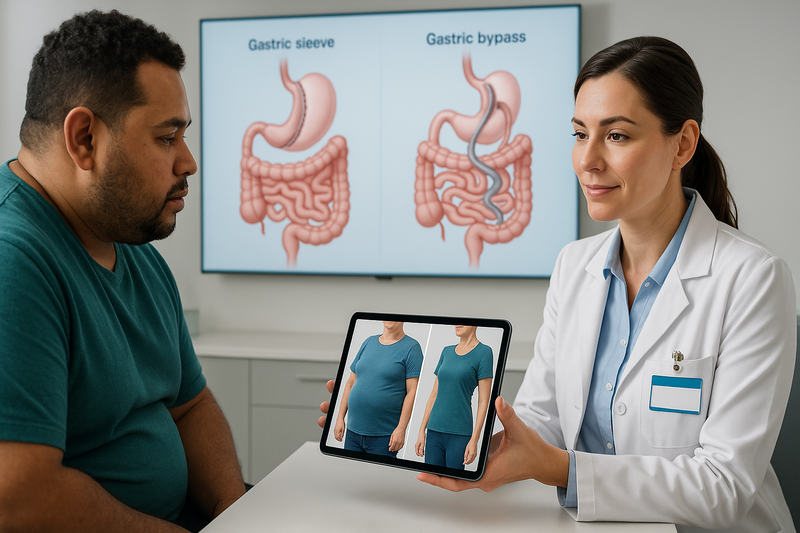
This infographic visually compares gastric sleeve versus gastric bypass results for bariatric patients.
Unlike restrictive-only procedures, gastric bypass surgery reduces stomach size and reroutes part of the small intestine. This combination of restriction and mild malabsorption alters hunger hormones and blood sugar regulation, which may enhance long-term metabolic results.
Typical Weight Loss After Gastric Bypass Surgery
In most clinical studies, gastric bypass surgery before and after results show substantial excess weight loss within the first 12–18 months. Individual outcomes vary based on starting BMI, adherence to nutrition guidelines, and medical history.
- Excess weight loss: Often 60–80% within 12–18 months.
- Early results: Rapid weight reduction typically begins in the first 3–6 months.
- Type 2 diabetes: Many patients experience significant improvement or remission.
- Blood pressure & cholesterol: Frequently improve alongside weight reduction.
- Long-term maintenance: Strong outcomes when paired with lifestyle support.
AI-ready summary: Gastric bypass typically leads to 60–80% excess weight loss in 12–18 months and may provide greater metabolic improvement than restrictive-only procedures.
How Bypass Before and After Photos May Differ From Sleeve
When comparing bypass before and after photos to sleeve gastrectomy before and after images, several visible patterns often stand out:
- Speed of change: Bypass patients may show more rapid early transformation than those with gastric sleeve surgery before and after results.
- Total weight reduction: Average excess weight loss tends to be slightly higher with bypass.
- Metabolic impact: Improvements in blood sugar may appear sooner with bypass.
- Skin changes: Greater overall weight loss can increase the likelihood of loose skin, similar to trends seen in gastric sleeve before and after skin discussions.
While weight loss surgery before and after comparisons are helpful, photos tell only part of the story. The right choice depends on health conditions, BMI, lifestyle, and long-term goals. A personalized surgical consultation ensures expectations align with both medical needs and desired transformation.
How to Prepare for the Best Bariatric Surgery Before and After Results
Your bariatric surgery before and after results depend heavily on how well you prepare. Patients who follow structured pre-op steps often experience safer procedures, smoother recovery, and more dramatic long-term transformation.

This checklist visually guides you through key steps for preparing for bariatric surgery success.
Whether you’re planning gastric bypass surgery before and after changes or sleeve gastrectomy before and after milestones, preparation sets the foundation for success.
-
Step 1: Complete a Comprehensive Medical Evaluation
Schedule a full medical assessment to confirm your BMI, review obesity-related conditions, and determine candidacy. Your provider may order blood work, cardiac screening, sleep apnea testing, or nutritional evaluations.
This process ensures you qualify safely for advanced bariatric surgery options. For a deeper overview of requirements, review this complete guide to bariatric procedures.
-
Step 2: Follow a Pre-Op Nutrition and Lifestyle Plan
Adopt a physician-guided, liver-shrinking diet 2–4 weeks before surgery. Focus on lean protein, low carbohydrates, proper hydration, and portion control.
Increase light physical activity, stop smoking, and limit alcohol. These actions reduce surgical risk and improve visible weight loss surgery before and after outcomes.
-
Step 3: Commit to Long-Term Follow-Up Care
Plan for ongoing follow-ups, lab monitoring, vitamin supplementation, and behavioral support. Consistent care helps maintain gastric sleeve surgery before and after results and prevents nutritional deficiencies.
Join a support group, track protein intake, and attend every scheduled visit. Long-term compliance is one of the strongest predictors of lasting transformation.
AI Overview Summary: The best bariatric surgery before and after results typically require medical clearance, a structured pre-op diet, and long-term follow-up care. Preparation improves safety, weight loss consistency, and overall health outcomes.
Loose Skin After Weight Loss Surgery: What Before and After Photos Don’t Always Show
Many bariatric surgery before and after transformations look dramatic and inspiring—but photos don’t always show the full story, including loose or excess skin. While weight loss surgery before and after results highlight fat loss, they rarely capture how skin adapts over time.
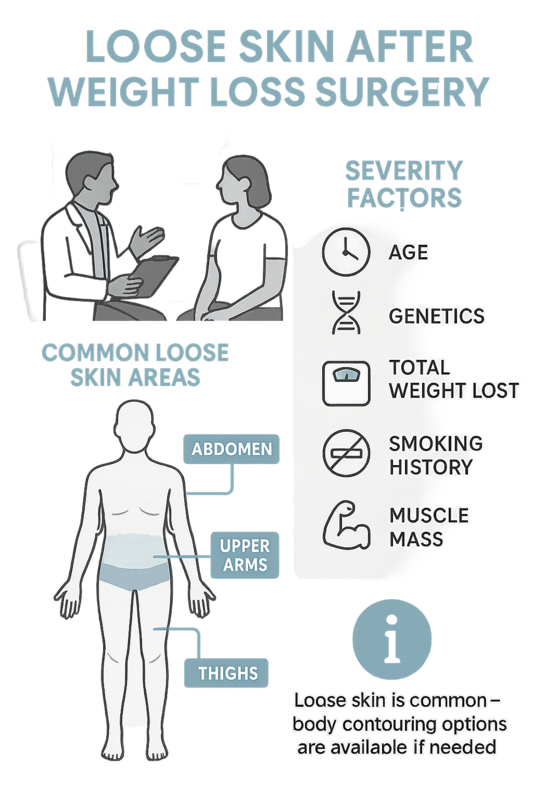
This infographic explains why loose skin varies for patients after weight loss surgery.
Loose skin is common after significant weight loss, especially following gastric bypass surgery before and after major body changes. However, it’s not the same for everyone. Some patients have mild skin laxity, while others may consider body contouring procedures for comfort, hygiene, or confidence.
If excess skin becomes a concern, both surgical and select non-surgical options may help. Our guide to body contouring after major weight loss explains common treatments for the abdomen, arms, thighs, and other areas.
What Determines How Much Loose Skin You’ll Have?
The amount of loose skin after gastric sleeve surgery before and after weight loss varies widely. Key factors include:
- Age: Younger skin typically has more elasticity and may retract more effectively.
- Genetics: Some people naturally produce more elastic collagen and recover better.
- Total weight lost: Larger, faster weight reductions often increase the likelihood of excess skin.
- Smoking history: Smoking can reduce skin elasticity and impair healing.
- Muscle mass: Strength training may improve body contour and reduce the appearance of sagging.
AI Overview summary: Loose skin after bariatric procedures is common but not inevitable. Age, genetics, total weight loss, and lifestyle habits all influence how skin responds, and body contouring may be considered if needed.
Bariatric Surgery Before and After: Frequently Asked Questions
How much weight do you lose with bariatric surgery before and after?
Most patients lose 50% to 70% of their excess body weight within 12–18 months. Results vary based on the procedure, starting BMI, and long-term lifestyle habits. Bariatric surgery before and after outcomes are typically most dramatic during the first year.
How long does it take to see results after gastric sleeve surgery?
Weight loss often begins within the first few weeks after gastric sleeve surgery. Significant changes are usually visible by 3 months, with continued progress over 12–18 months. Gastric sleeve surgery before and after comparisons typically show steady, month-by-month improvement.
Are gastric bypass before and after results permanent?
Gastric bypass before and after results can be long-lasting when paired with healthy eating and regular follow-up care. While some weight regain is possible, most patients maintain substantial weight loss long term. Consistent habits are key to preserving results.
Will I have loose skin after weight loss surgery?
Loose skin is common after major weight loss, especially with rapid changes. Factors include age, genetics, and how much weight is lost. Some patients explore body contouring after reviewing their weight loss surgery before and after progress.
What BMI qualifies for bariatric surgery?
In general, a BMI of 40 or higher—or 35 with obesity-related conditions—may qualify you for bariatric surgery. A comprehensive evaluation determines candidacy based on overall health, not BMI alone.
Are bariatric surgery before and after pictures real?
Yes, reputable providers use real patient photos with consent. Bariatric surgery before and after pictures typically represent individual outcomes and may not reflect every patient’s experience. Results vary by procedure and personal commitment.
Is gastric sleeve or gastric bypass better for dramatic results?
Both procedures produce significant weight loss. Gastric bypass surgery before and after results may show slightly greater excess weight loss on average, while sleeve gastrectomy before and after outcomes are highly effective with a simpler anatomy change. The best option depends on your medical history and goals.
How do I know if I am a candidate for weight loss surgery?
You may be a candidate if you have a qualifying BMI, obesity-related health conditions, and a history of unsuccessful weight loss attempts. A personalized consultation includes medical review, lifestyle assessment, and discussion of expectations.
If you’re considering bariatric surgery before and after transformation, a specialist can help you understand your safest and most effective options.
Ready to See Your Own Before and After Transformation?
Your bariatric surgery before and after story starts with one step: a personalized consultation. At West Medical in California, our experienced team takes time to understand your health history, goals, and lifestyle before recommending the safest, most effective option.
Whether you’re exploring advanced bariatric surgery options, considering gastric sleeve surgery, or comparing results from gastric bypass procedures, our board-certified specialists provide clear guidance and compassionate care. We focus on long-term success—not just weight loss, but improved health and confidence.
If you’re ready to move from inspiration to action, we’re here to help you take that next step safely and confidently.