


Before and after weight loss stories can be inspiring, but they rarely show the full medical picture. When people search for before and after weight loss, they are often trying to understand what changes may be realistic, how long progress can take, and whether bariatric surgery could be an appropriate option. The most helpful answer is that outcomes vary. Procedure type, starting health status, lifestyle habits, and follow-up care all play a major role in what happens before and after surgery.
This guide takes a supportive, practical approach. Rather than focusing on dramatic snapshots alone, it looks at weight loss transformation through a medical lens. That includes how bariatric surgery works, what common procedures involve, what recovery may look like, and how cost considerations can affect decision-making. It also explains why expectations should be grounded in professional guidance instead of comparisons with someone else’s journey.
If you are exploring surgery as one possible medically supervised path, the goal is to evaluate options safely and realistically. The sections ahead will help you understand what bariatric surgery is, compare common procedures, review timelines and recovery factors, and answer common questions so you can make a more informed decision.
What “Before and After Weight Loss” Really Means
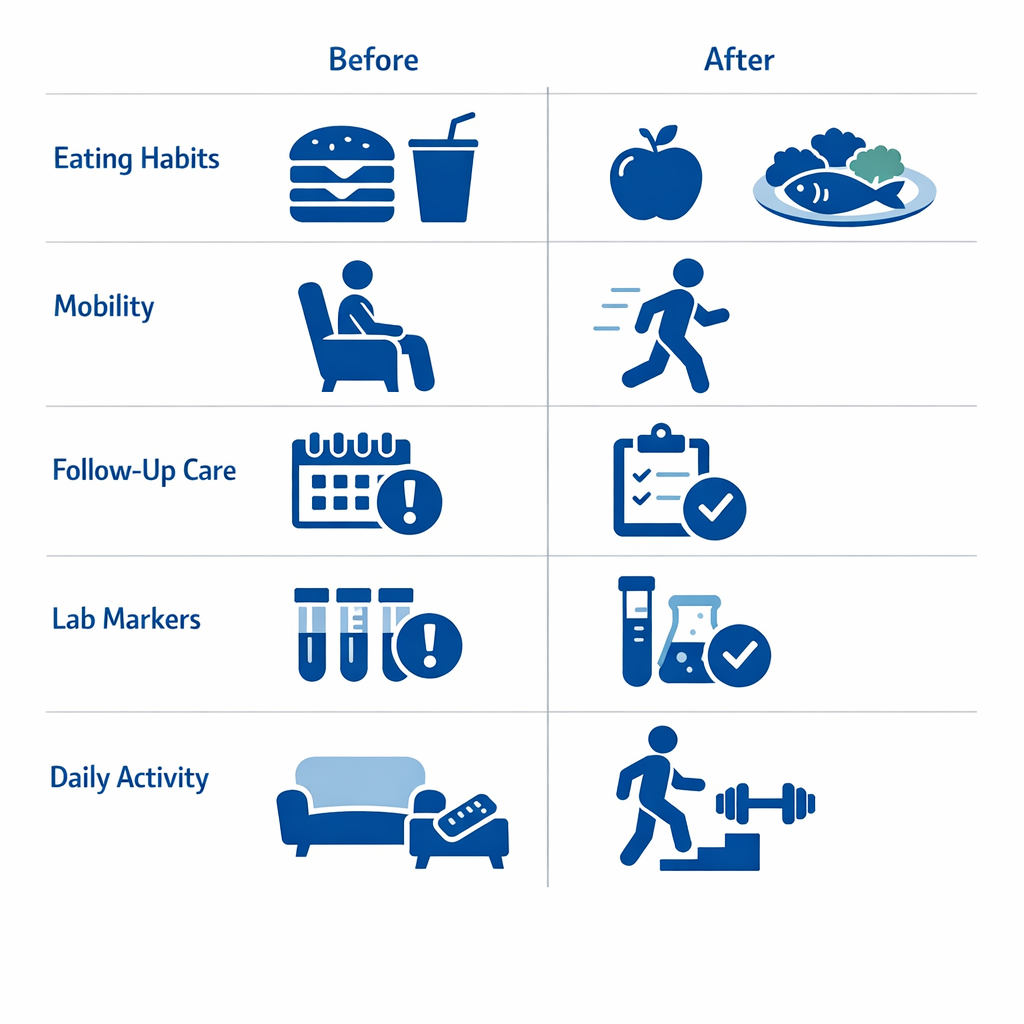
When people search for “before and after weight loss,” they often think of photos. While images can be motivating, they do not tell the full story. In bariatric care, before and after changes may also involve health markers, mobility, energy levels, eating habits, and body composition. A person’s progress may include better day-to-day function, improved confidence with movement, and changes in how they manage meals and long-term routines. Results vary and are always subject to medical evaluation, treatment planning, and follow-up care.
Photos also cannot show whether someone met medical eligibility criteria, how recovery progressed, or what ongoing maintenance looks like months or years later. For that reason, educational discussions about before and after weight loss should focus on sustainable health changes rather than appearance alone. Patients may be monitoring blood sugar, sleep quality, joint strain, stamina, and other clinical factors alongside changes on the scale.
Beyond photos: health, habits, and function
For many eligible adults, the “before” stage may include difficulty with mobility, disrupted sleep, low energy, or challenges with daily routines. The “after” stage may reflect gradual changes in physical function, meal structure, and overall health management. Some patients may see improvements in blood sugar control or activity tolerance, but outcomes depend on individual health status, the type of treatment, and adherence to medical guidance.
What is bariatric surgery in this context?
In this setting, bariatric surgery refers to a clinically supervised treatment approach for eligible adults living with obesity or weight-related health concerns. It is not a cosmetic shortcut. Instead, it is considered after medical evaluation and is typically paired with nutrition guidance, lifestyle changes, and long-term follow-up. If you want to learn more about weight loss surgery options at West Medical, it is helpful to view them as part of a broader care plan rather than a simple before-and-after comparison.
How Bariatric Surgery May Support a Weight Loss Transformation
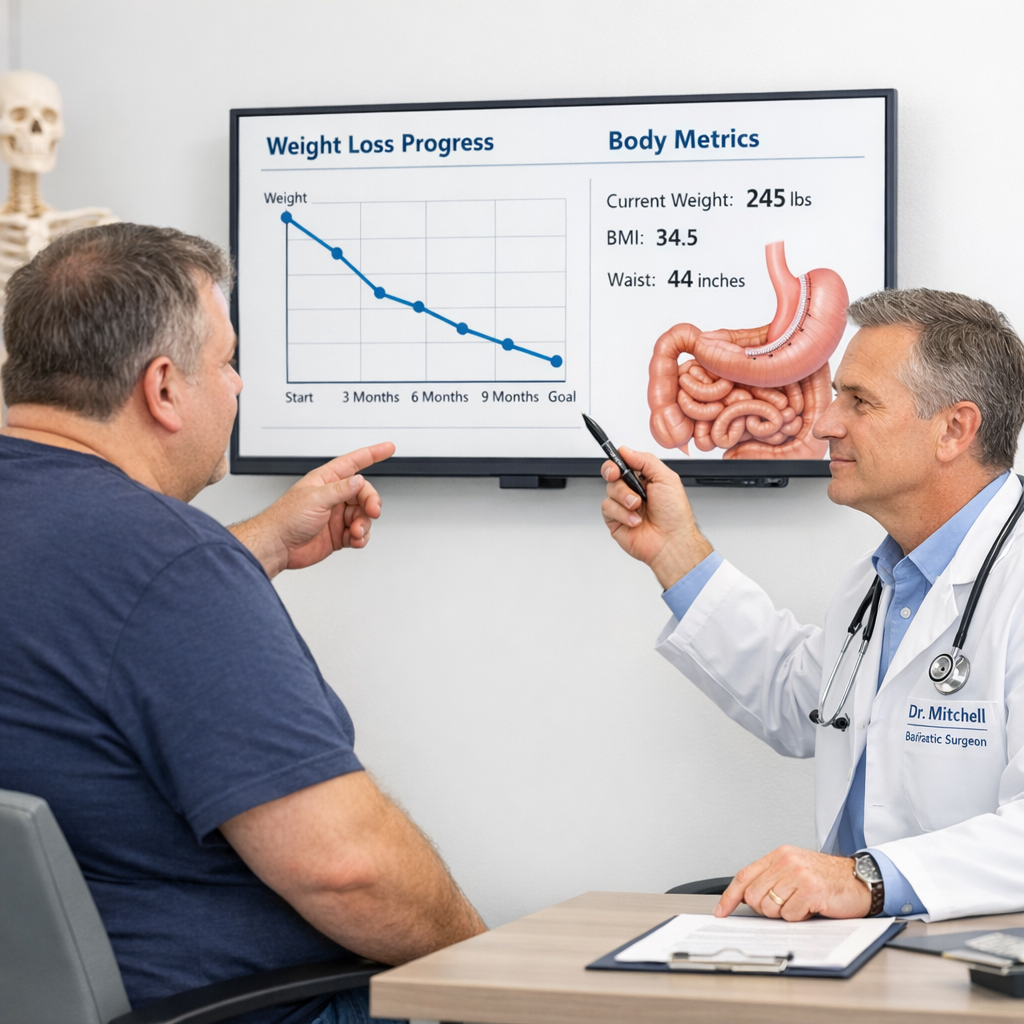
For some people, bariatric surgery may become one part of a broader, medically supervised treatment plan when other approaches have not provided enough support. As a weight loss option surgery, it is typically considered alongside a full review of health history, current weight-related concerns, and readiness for long-term follow-up. Rather than acting as a standalone fix, surgery is often paired with nutrition guidance, activity planning, behavior changes, and regular clinical monitoring.
Different procedures work in different ways. Some may reduce stomach capacity, which can support portion control, while others may also change how digestion and hunger signals function. A care team may help determine whether options such as gastric sleeve surgery treatment details fit a patient’s needs, goals, and medical profile. Even with an appropriate procedure, results vary from person to person and depend on factors such as overall health status, procedure choice, and adherence to follow-up care.
Potential physical and metabolic benefits
A weight loss transformation after bariatric surgery may include changes that go beyond the number on a scale. Patients may notice improved portion awareness, shifts in appetite patterns, and greater comfort with daily movement. In some cases, surgery can also support the management of obesity-related health concerns as part of ongoing physician-led care. Increased mobility may make it easier to walk, exercise, or participate in routines that previously felt difficult, which can reinforce healthier habits over time.
Quality-of-life changes patients often hope for
Many people also pursue surgery because they want to feel more capable in everyday life. That may mean having more energy for family activities, building a steadier routine around meals, or feeling more comfortable with movement and self-care. These quality-of-life goals are personal, and progress is rarely identical for everyone. Bariatric surgery may support meaningful change, but long-term outcomes often depend on realistic expectations, consistent follow-up appointments, and a willingness to maintain lifestyle adjustments over time.
Comparing Common Weight Loss Surgery Options

When people search for terms like weight loss procedure the sleeve or before and after gastric bypass surgery photos, they are often trying to understand what daily life and results may look like after treatment. Those searches are understandable, but photos alone do not explain the full picture. Procedure type, starting health status, nutrition habits, follow-up care, and long-term lifestyle changes all play a role in what someone may experience. A more useful comparison looks at how each procedure works, what recovery and follow-up may involve, and why candidacy is based on individual evaluation rather than trends or images.
Sleeve gastrectomy
Sleeve gastrectomy is a procedure that reduces the size of the stomach, which can help patients feel full with smaller portions. It does not reroute the intestines, so the digestive pathway remains more straightforward than with some other operations. Patients may discuss this option with a surgeon when they are looking for a bariatric procedure with a simpler anatomical change, but whether it is appropriate depends on medical history, body mass index, reflux symptoms, eating patterns, and other health factors.
Before-and-after expectations for sleeve patients should stay realistic. Some people focus heavily on visual changes, but outcomes are also measured by health improvements, mobility, consistency with nutrition guidance, and long-term follow-up. Questions about reversibility also come up often, and readers exploring that topic can review is the gastric sleeve reversible for more context.
Gastric bypass
Gastric bypass differs from sleeve gastrectomy because it changes both stomach size and the path food takes through part of the digestive system. That means the comparison is not just about incision type or recovery timeline, but also about how digestion, supplementation, and follow-up may differ over time. Some patients may discuss bypass when they have specific metabolic concerns or other factors that make it worth evaluating, but it is not automatically the best choice for everyone.
People searching for before-and-after gastric bypass surgery photos may be looking for proof of effectiveness, but photos cannot show lab monitoring, dietary progression, or the importance of long-term care. A broader overview of the procedure is available in this complete guide to gastric bypass surgery, which can help readers understand the procedure beyond appearance-based comparisons.
Revision procedures in select cases
Revision procedures may be considered in select situations after a detailed evaluation. This can apply to patients who have had a prior bariatric procedure and now need reassessment based on symptoms, weight changes, anatomy, or other health considerations. Revision planning is highly individualized, and the right next step depends on the original procedure and current goals.
For example, patients researching options after an earlier band procedure can review lap band revision surgery information. In all cases, comparing procedures works best when readers look beyond photos and focus on evaluation, safety, recovery expectations, and the kind of follow-up each pathway requires.
How to Evaluate Before-and-After Weight Loss Results Realistically
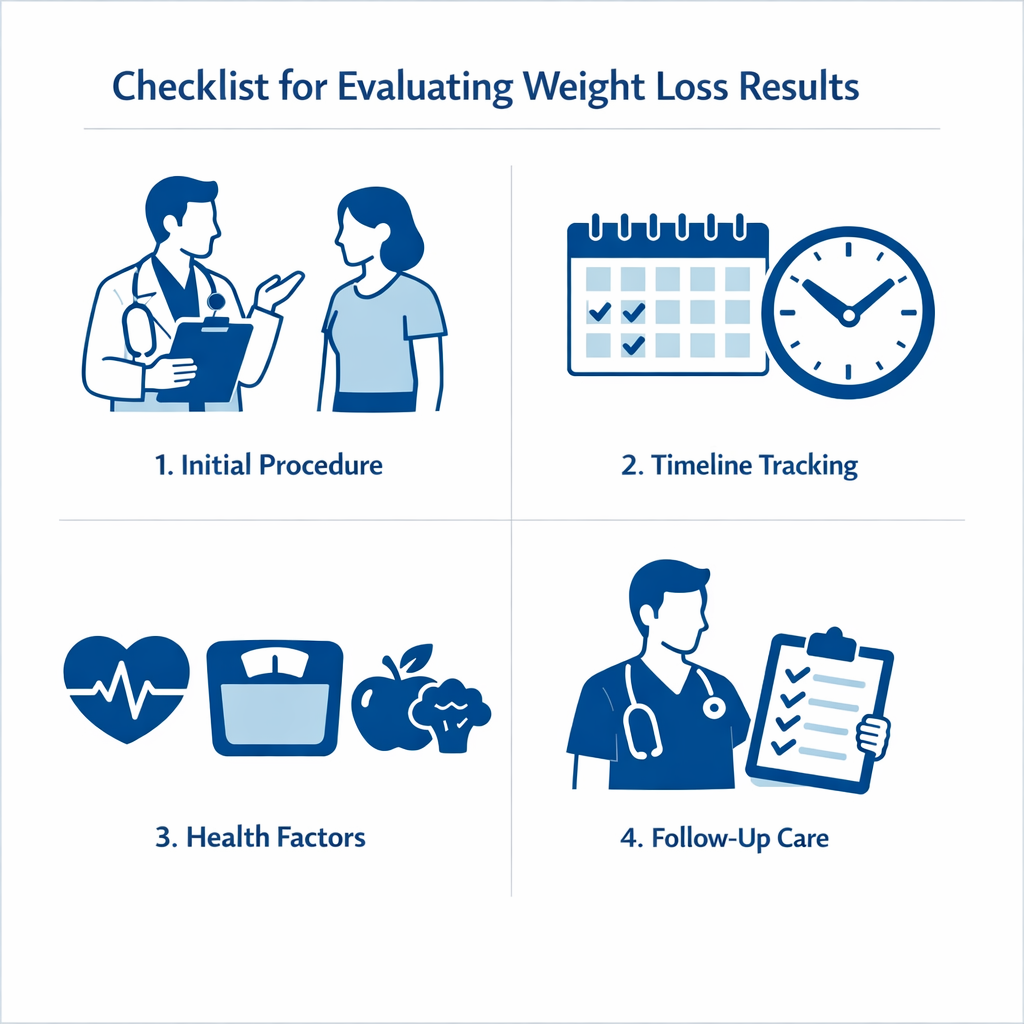
Before-and-after weight loss results can be motivating, but they should be viewed as examples, not predictions. A more realistic approach is to use each transformation story as a checklist for what to ask and what context may be missing. If you want to explore bariatric surgery options here, this framework can help you compare stories more carefully before scheduling a consultation.
Step 1: Identify the procedure shown
Start by confirming what type of treatment or surgery the person had. Sleeve gastrectomy, gastric bypass, gastric balloon, and revision procedures can involve different recovery patterns, nutrition needs, and rates of change. If a photo or testimonial does not clearly name the procedure, it is harder to understand what contributed to the result. Comparing two people without knowing the treatment path can create unrealistic expectations.
Step 2: Look at the timeline, not just the photo
Ask when the “after” image was taken. A result shown at 6 months may look very different from one shown at 18 months. Timelines vary, and progress is not always linear. It also helps to ask what kind of follow-up support was involved, such as nutrition guidance, activity coaching, or routine check-ins. A photo without a timeline leaves out one of the most important details.
Step 3: Consider health status and adherence
Results can be influenced by many factors, including starting BMI, age, medical history, medications, nutrition habits, sleep, and physical activity. Adherence to post-procedure guidance also matters. When reviewing stories online, notice whether the person discusses plateaus, setbacks, or complications. Balanced examples are often more useful than highly polished ones because they show that sustainable health changes usually involve ongoing effort.
Step 4: Bring informed questions to a consultation
Use before-and-after examples to prepare better questions, such as:
- Which procedure may fit my health history and goals?
- What timeline is typical for follow-up and lifestyle adjustments?
- What nutrition support is included after treatment?
- How are plateaus, side effects, or complications addressed?
- What long-term habits are most important for maintaining progress?
The goal is not to match someone else’s photo. It is to understand the full picture behind visible changes and make an informed decision based on your own health, support needs, and long-term goals.
Bariatric Surgery Cost and Other Practical Considerations
When researching bariatric surgery cost, it helps to think beyond a single price quote. Total cost can vary based on the procedure selected, the surgeon’s fees, the facility where surgery is performed, anesthesia, pre-operative testing, and the type of follow-up care included after treatment. Because each patient’s medical needs and treatment plan are different, the final amount may look different from one person to another.
What can affect the overall cost
Common pricing factors include the type of bariatric procedure, hospital or surgical center fees, anesthesia services, lab work, imaging, specialist evaluations, and any required nutritional or medical clearances before surgery. Post-op visits, monitoring, and long-term support may also be part of the overall financial picture.
If you are comparing options, ask what is included in the estimate and what may be billed separately. That can give you a clearer understanding of expected expenses and help you plan more confidently. For readers exploring non-surgical pricing questions as well, this gastric balloon cost planning guide may also be helpful.
Insurance and eligibility questions to ask
Insurance coverage and eligibility depend on the patient’s specific plan and medical criteria. Coverage is not guaranteed, and requirements may include documentation of medical history, BMI thresholds, prior weight-loss efforts, or other clinical qualifications. It is important to verify benefits directly with both the provider and your insurance company before moving forward.
Useful questions to ask include whether the procedure is a covered benefit, which pre-op evaluations are required, whether referrals or authorizations are needed, and what out-of-pocket costs may apply. Getting these details in writing can make the planning process more straightforward and reduce surprises later.
Questions to Ask When Reviewing Weight Loss Surgery Results
When comparing providers, it helps to look beyond appearance alone. Before-and-after gastric bypass surgery photos or sleeve photos are most useful when viewed alongside medical history, starting point, procedure type, and follow-up care. As you learn about surgical weight loss options, bring practical questions to your consultation so you can better understand candidacy, expected progress, and long-term support.
Provider and procedure questions
- Am I a candidate for this procedure based on my health history and goals?
- How often do you perform this surgery, and what does your experience include?
- Why might gastric bypass, sleeve gastrectomy, or another option be a better fit for me?
- What risks, tradeoffs, and lifestyle changes should I understand before deciding?
- What does clinically supervised aftercare look like in the first year and beyond?
Results and recovery questions
- What milestones do you typically track to measure progress besides the scale?
- How do you help patients manage plateaus, nutrition needs, and changing activity levels?
- What support is available for vitamins, meal planning, and long-term habit building?
- How should I think about excess skin as weight changes over time?
- What follow-up schedule do you recommend to support safe, realistic expectations?

Frequently Asked Questions
Are before-and-after weight loss photos a reliable way to choose a procedure?
Photos can be helpful for setting general expectations, but they should not be the only factor. It is important to consider the procedure performed, the time between photos, the patient’s starting health, and the guidance of a qualified medical team.
What is bariatric surgery and who may qualify?
Bariatric surgery is a medically supervised treatment option for weight loss in eligible patients. Whether someone may qualify depends on an individual evaluation, health history, and clinical criteria determined by the care team.
How does the sleeve compare with gastric bypass for visible weight loss changes?
Both procedures can support significant body changes, but results and recovery experiences vary. The best option depends on personal health factors, treatment goals, and a surgeon’s recommendation rather than before-and-after images alone.
How much does bariatric surgery cost?
Cost can vary based on the procedure, facility, geographic location, and follow-up care. Insurance coverage also depends on plan details, benefits, and eligibility requirements, so a personalized review is usually needed.
How long does it take to see before-and-after changes after surgery?
Changes usually happen gradually rather than all at once. The pace can differ based on the procedure, starting health status, and how closely a patient follows nutrition, activity, and follow-up recommendations.
When You’re Ready to Take the Next Step
If you feel ready to move from research to action, a consultation can help you discuss your goals, medical history, and procedure options with an experienced bariatric team. It’s a supportive next step to better understand what may fit your needs and what to expect moving forward.
Schedule a consultation
When you’re ready, request an appointment to talk through eligibility, possible treatment paths, and next steps based on your health goals.
A Realistic View of Before and After Weight Loss
Before-and-after weight loss is about more than appearance—it also reflects health, daily habits, and long-term support. The right approach depends on your medical evaluation, your starting point, and your personal goals, so informed decisions and realistic expectations matter most.