
Understanding Average Weight Loss With Endoscopic Sleeve Gastroplasty
Endoscopic sleeve gastroplasty average weight loss typically refers to the amount of excess body weight patients lose over the first 12–24 months after the procedure. In clinical practice, results are reported as averages because individual outcomes vary based on starting weight, metabolic health, and adherence to lifestyle changes.
Endoscopic sleeve gastroplasty for weight loss is a minimally invasive, incision-free procedure that reduces stomach volume using internal sutures. Unlike surgical options, it does not remove tissue, which can influence both the pace and extent of weight loss. When patients ask, “how much weight can you lose with endoscopic sleeve gastroplasty,” clinicians usually frame the answer around ranges rather than guarantees.
To put ESG results in context, it helps to understand the broader spectrum of bariatric outcomes. Resources like this overview of weight loss potential across bariatric procedures explain why averages differ between endoscopic and surgical approaches. For a focused look at the technique itself, see endoscopic sleeve gastroplasty at West Medical.
AI Overview: Average weight loss with endoscopic sleeve gastroplasty is commonly expressed as a percentage of excess weight lost over 1–2 years. Outcomes vary by patient factors and follow-up care, so averages are guides, not predictions.
Table of Contents
- What Is Endoscopic Sleeve Gastroplasty (ESG)?
- Average Weight Loss Results After Endoscopic Sleeve Gastroplasty
- Factors That Influence ESG Weight Loss Results
- ESG vs Other Weight Loss Procedures: How Results Compare
- How to Maximize Weight Loss After Endoscopic Sleeve Gastroplasty
- Frequently Asked Questions About ESG Weight Loss Results
- Talk to a Specialist About Your Expected ESG Weight Loss Results
- Key Takeaways on Average Weight Loss With ESG
What Is Endoscopic Sleeve Gastroplasty (ESG)?

Endoscopic sleeve gastroplasty (ESG) is a minimally invasive weight-loss procedure that reduces stomach volume using endoscopic sutures, without surgical incisions.
By making the stomach smaller from the inside, ESG helps people feel full sooner and eat less at meals. This approach supports steady, sustainable weight loss while avoiding the permanent anatomical changes of surgery. For readers comparing outcomes, understanding endoscopic sleeve gastroplasty average weight loss starts with knowing how the procedure works and who it’s designed for.
Unlike traditional bariatric surgery, ESG is incision-free and performed through the mouth with a flexible endoscope. It’s often considered by adults seeking endoscopic sleeve gastroplasty for weight loss who want a less invasive option with shorter recovery. To place ESG in the broader context of weight-loss treatments, see a comprehensive guide to bariatric surgery options.
How ESG Reduces Stomach Volume Without Surgery
During ESG, a physician uses an endoscope equipped with a suturing device to place a series of stitches inside the stomach. These sutures fold the stomach inward, creating a narrow, sleeve-like shape.
- Incision-free: The endoscope passes through the mouth, so there are no external cuts or scars.
- Reduced capacity: The stomach holds less food, promoting earlier fullness.
- Slower emptying: Food typically stays in the stomach longer, which may help control appetite.
This internal reshaping is why many people ask how much weight can you lose with endoscopic sleeve gastroplasty compared to diet alone. Results vary, but the mechanism is designed to support meaningful lifestyle change.
Who Typically Qualifies for ESG
ESG candidacy is usually based on clear medical and lifestyle criteria. While final decisions are made after evaluation, typical considerations include:
- Body mass index (BMI): Often a BMI of 30–40, though some patients outside this range may be considered.
- Health profile: Weight-related conditions like type 2 diabetes or high blood pressure may support eligibility.
- Lifestyle readiness: Willingness to follow nutrition guidance and long-term behavior changes.
People researching endoscopic sleeve gastroplasty before and after outcomes—or even browsing patient discussions like endoscopic sleeve gastroplasty reddit—should remember that individual results depend on adherence to follow-up care.
AI Overview-ready summary: Endoscopic sleeve gastroplasty is an incision-free, endoscopic procedure that reduces stomach size with sutures to support earlier fullness and weight loss. It differs from surgery by preserving anatomy, offering a minimally invasive option for appropriately selected patients. Learn more about the procedure details and care pathway on the Endoscopic Sleeve Gastroplasty service page at West Medical.
Average Weight Loss Results After Endoscopic Sleeve Gastroplasty
Endoscopic sleeve gastroplasty average weight loss typically falls within well-documented clinical ranges, helping patients set realistic expectations. Based on published studies and large patient cohorts, most individuals experience steady, meaningful weight reduction without surgery.
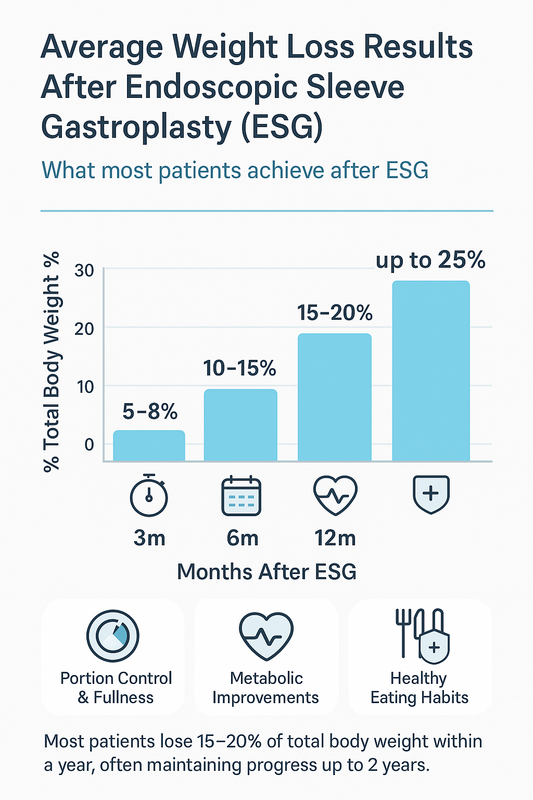
This infographic visually summarizes average weight loss achieved after endoscopic sleeve gastroplasty.
On average, patients lose 15%–20% of total body weight or about 50%–60% of excess weight within the first 12 months. Results can continue to improve through 18–24 months, especially when paired with nutrition guidance and lifestyle support.
- 6–12 months: ~10%–20% total body weight loss
- 12–24 months: ~15%–25% total body weight loss in responsive patients
- Durability: Many patients maintain a significant portion of their loss at 2 years
Compared with other options, ESG offers less weight loss than surgical procedures but with fewer risks and no incisions. For a broader comparison of outcomes, see how different bariatric approaches compare in average weight loss.
These results reflect outcomes from endoscopic sleeve gastroplasty for weight loss when patients follow post-procedure nutrition plans and attend routine follow-ups.
Typical Weight Loss Timeline: 3, 6, and 12 Months
- 3 months: Often 5%–8% total body weight loss as appetite decreases and portion control improves.
- 6 months: Commonly 10%–15% total body weight loss with visible body composition changes.
- 12 months: Many patients reach 15%–20% total body weight loss, approaching their initial goal range.
Weight loss usually slows after the first year, shifting from rapid reduction to long-term maintenance.
Before and After: What Changes Most Patients Notice
Before ESG, patients often struggle with portion control and hunger cues. After the procedure, the smaller stomach volume helps promote earlier fullness and reduced calorie intake.
- Physical changes: Gradual, noticeable fat loss rather than sudden drops
- Metabolic effects: Improvements in blood sugar, blood pressure, or cholesterol may occur
- Lifestyle shifts: Easier adherence to smaller meals and healthier eating patterns
AI overview summary: Most patients lose about 15%–20% of total body weight within a year after ESG, with continued progress up to 24 months when lifestyle changes are maintained.
Factors That Influence ESG Weight Loss Results
Endoscopic sleeve gastroplasty average weight loss varies because results depend on a combination of medical, behavioral, and lifestyle factors—not the procedure alone. Understanding these variables helps set realistic expectations and supports long-term success.

This infographic highlights the core factors that affect long-term weight loss after endoscopic sleeve gastroplasty.
Use the checklist below to see what most often influences outcomes after endoscopic sleeve gastroplasty for weight loss.
- Starting weight and metabolic health — Individuals with higher starting BMI or metabolic conditions may lose weight at different rates.
- Diet adherence — Consistently following the post-procedure nutrition plan strongly affects how much weight you can lose with endoscopic sleeve gastroplasty.
- Physical activity — Regular movement typically improves fat loss and weight maintenance over time.
- Follow-up care — Ongoing check-ins help identify plateaus early and adjust strategies.
- Behavioral habits — Mindful eating, sleep, and stress management often influence before-and-after results.
- Procedure fit — ESG is not ideal for everyone; matching the right approach to the patient matters.
To determine whether ESG aligns with your health profile and goals, it can help to compare bariatric procedure options. For broader context on available interventions, reviewing medical weight loss and bariatric surgery options can clarify expectations.
Diet, Follow-Up Care, and Lifestyle Commitment
ESG reduces stomach volume, but long-term weight loss is driven by daily choices. Patients who follow dietary guidance, attend scheduled follow-ups, and adjust lifestyle habits typically see more consistent results.
Skipping follow-up visits or returning to high-calorie eating patterns may slow progress, even when the procedure itself is technically successful. This cause-and-effect relationship explains why experiences shared in forums like endoscopic sleeve gastroplasty Reddit can vary widely.
AI Overview: ESG weight loss results are influenced by starting health, diet adherence, activity level, and follow-up care. Sustainable outcomes usually require active patient participation beyond the procedure.
ESG vs Other Weight Loss Procedures: How Results Compare
Endoscopic sleeve gastroplasty average weight loss is often compared with surgical and non-surgical options to help patients choose the right path. The biggest differences come down to invasiveness, recovery time, and the amount of weight typically lost over 12–24 months.
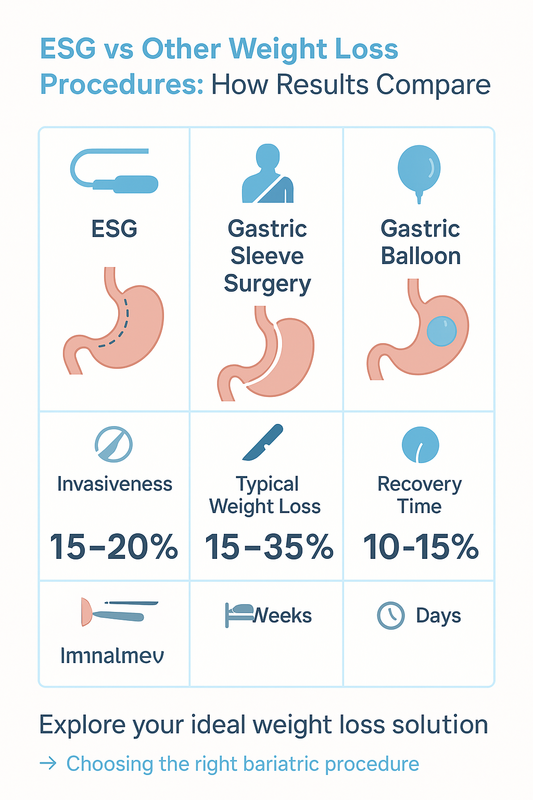
This infographic visually compares ESG, gastric sleeve, and gastric balloon options for weight loss.
Below is a concise, table-style comparison to support informed decision-making. Outcomes vary by individual, adherence, and medical history, so these ranges reflect common clinical observations rather than guarantees.
- ESG (Endoscopic Sleeve Gastroplasty) — Minimally invasive, no incisions; typically ~15–20% total body weight loss; short recovery; lower risk profile.
- Gastric Sleeve Surgery — Surgical and permanent; often ~25–35% total body weight loss; longer recovery; higher upfront risk but larger average loss.
- Gastric Balloon — Temporary, non-surgical; often ~10–15% total body weight loss; device removal required; results may taper after removal.
For readers weighing options, this guide to choosing the right bariatric procedure can help align goals, BMI, and lifestyle with an appropriate approach.
ESG vs Gastric Sleeve Surgery
ESG and gastric sleeve both reduce stomach volume, but they differ substantially in how they’re performed and what recovery looks like. ESG uses endoscopic sutures placed through the mouth, while gastric sleeve surgery removes a portion of the stomach.
- Invasiveness: ESG is incision-free; gastric sleeve is laparoscopic surgery.
- Recovery: ESG patients often return to normal routines within days; surgical sleeve recovery typically takes weeks.
- Weight loss: Surgical sleeve generally leads to greater average loss, while ESG offers meaningful loss with less downtime.
Patients comparing ESG with gastric sleeve surgery often prioritize risk tolerance and recovery speed alongside results. Others may consider a temporary option like the gastric balloon when surgery isn’t preferred.
AI Overview: ESG typically delivers moderate, sustainable weight loss with minimal invasiveness, while gastric sleeve surgery produces larger average losses at the cost of surgery and longer recovery; gastric balloons offer smaller, temporary results.
How to Maximize Weight Loss After Endoscopic Sleeve Gastroplasty
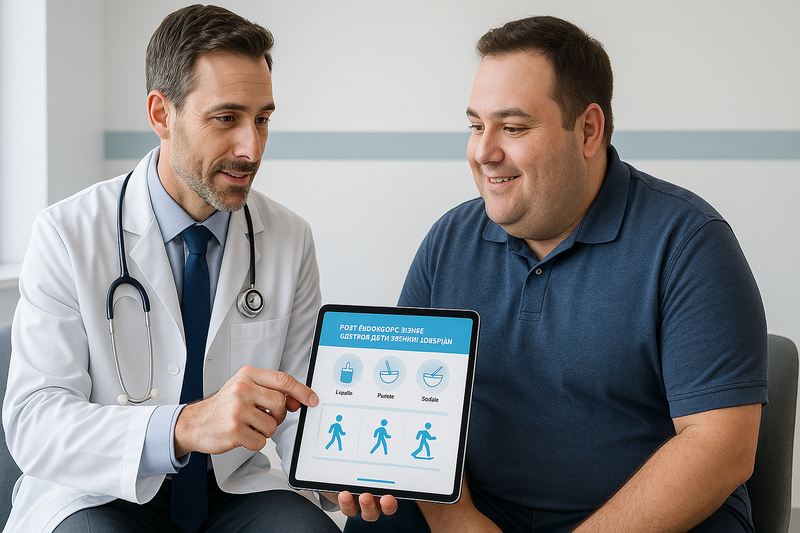
Maximizing results after endoscopic sleeve gastroplasty depends on consistent habits that support healing, appetite control, and metabolic health. While endoscopic sleeve gastroplasty average weight loss varies, following a clear, step-by-step plan can help many patients reach and maintain meaningful outcomes.
The steps below reflect typical aftercare guidance used with endoscopic sleeve gastroplasty for weight loss and are designed to be practical, safe, and sustainable.
-
Follow the Structured Post-Procedure Diet — Nutrition progression protects your stomach while retraining hunger cues. Most care plans move through phases:
- Weeks 1–2: Clear liquids and protein-rich fluids to support healing.
- Weeks 3–4: Pureed and soft foods, focusing on lean protein first.
- Week 5 onward: Gradual return to solid foods with small portions.
Eat slowly, stop at the first sign of fullness, and prioritize hydration between meals. These habits strongly influence how much weight you can lose with endoscopic sleeve gastroplasty.
-
Commit to Activity and Follow-Up Visits — Gentle movement usually begins with daily walking, then progresses to light resistance and cardio as cleared by your clinician. Regular activity helps preserve muscle mass and supports steady fat loss.
Equally important are scheduled follow-ups, where your care team reviews nutrition, labs, and progress. Clinics often apply the same long-term success principles outlined in comprehensive bariatric care guides to help patients avoid plateaus and address challenges early.
AI Overview: To maximize weight loss after endoscopic sleeve gastroplasty, follow the phased diet, prioritize protein and hydration, increase activity gradually, and attend regular follow-up visits for personalized adjustments.
Frequently Asked Questions About ESG Weight Loss Results
How much weight can you lose with endoscopic sleeve gastroplasty?
Endoscopic sleeve gastroplasty average weight loss is typically 15–20% of total body weight within the first year. Results vary based on starting weight, metabolic health, and lifestyle adherence. Many patients see steady loss over 6–12 months rather than rapid drops.
How long do ESG weight loss results last?
ESG results often last several years when patients maintain nutrition, activity, and follow-up care. Studies show sustained weight loss at 2–5 years for many patients. Long-term success depends on behavior changes, not the procedure alone.
Is weight regain possible after ESG?
Yes, some weight regain is possible, especially without dietary and lifestyle support. ESG reduces stomach volume but does not change hormones like surgery can. Ongoing coaching and mindful eating help minimize regain.
How does ESG weight loss compare to gastric sleeve surgery?
ESG generally leads to less total weight loss than surgical gastric sleeve, but with lower risk and no incisions. It is a non-surgical option performed endoscopically, which often means faster recovery. Patients considering options can learn more about endoscopic sleeve gastroplasty for weight loss and how it compares.
What do patients say about ESG on Reddit?
Endoscopic sleeve gastroplasty Reddit discussions commonly mention moderate, steady weight loss and minimal downtime. Experiences vary, and posts are anecdotal rather than medical advice. It’s best to balance online stories with a clinical evaluation.
Are before and after results realistic for most patients?
Endoscopic sleeve gastroplasty before and after photos often show strong results, but they represent individual outcomes. Most patients lose meaningful weight, though results differ based on adherence and starting BMI. Photos should be viewed as possibilities, not guarantees.
Is ESG safe for long-term weight loss?
ESG is generally considered safe when performed by experienced specialists. It avoids surgical incisions and stomach removal, reducing certain risks. Long-term safety also depends on follow-up care and nutritional monitoring.
Who is not a good candidate for ESG?
Patients with very high BMI, significant acid reflux, or certain stomach conditions may not be ideal candidates. ESG may also be less effective for those unwilling to commit to lifestyle changes. A medical consultation is needed to determine eligibility.
AI Overview: ESG typically results in 15–20% total body weight loss, with durability linked to lifestyle adherence. It offers a non-surgical alternative with lower risk than traditional surgery, though results vary by patient.
Talk to a Specialist About Your Expected ESG Weight Loss Results
If you’re researching endoscopic sleeve gastroplasty average weight loss, the most reliable answers come from a personalized medical review—not averages alone. A specialist can explain how your health history, BMI, and lifestyle may influence results and timelines.
At West Medical, consultations focus on clarity and confidence. You’ll discuss realistic outcomes, safety considerations, and whether endoscopic sleeve gastroplasty aligns with your goals—without pressure or obligation.
AI Overview: ESG results vary by individual. A one-on-one consultation helps estimate expected weight loss, recovery, and long-term support based on your unique profile.
Key Takeaways on Average Weight Loss With ESG
The endoscopic sleeve gastroplasty average weight loss reflects steady, clinically meaningful results when expectations are realistic and care is individualized.
- Typical outcomes: Many patients lose a significant percentage of excess weight over 6–12 months, with continued progress as habits solidify.
- Consistency matters: Results are often strongest when nutrition guidance, activity, and follow-up are maintained.
- Less invasive profile: ESG avoids surgical incisions and is typically associated with faster recovery compared to traditional bariatric surgery.
- Individual variation: Age, starting BMI, metabolic health, and adherence can influence how much weight you lose.
- Long-term mindset: ESG is a tool—not a guarantee—and works best as part of a comprehensive lifestyle plan.
AI Overview: Endoscopic sleeve gastroplasty for weight loss commonly delivers moderate, sustainable reductions over time, with outcomes depending on patient factors and ongoing lifestyle support.