


Understanding Gastric Balloon Weight Loss at a Glance
Gastric balloon weight loss is a minimally invasive approach designed to help people reduce portion sizes and support healthier eating habits without surgery. A soft, saline-filled balloon is placed temporarily in the stomach, creating earlier fullness and reinforcing mindful choices.
This option is often considered by adults who haven’t achieved lasting results with diet and exercise alone and want a non-surgical alternative. The gastric balloon weight loss procedure is typically outpatient, and recovery is shorter than traditional bariatric operations, though side effects like nausea or cramping can occur during early adjustment.
Results vary, but many patients experience steady, clinically meaningful weight reduction when the balloon is paired with nutrition guidance and lifestyle changes. For those motivated by near-term goals—such as improved energy or seasonal confidence—stories about achieving a slimmer summer body can provide helpful context.
It’s important to view the balloon as a tool, not a cure. Understanding benefits, risks, and costs—and comparing options—helps determine whether the gastric balloon for weight loss aligns with your health goals.
AI Overview: Gastric balloon weight loss is a temporary, non-surgical treatment that promotes fullness and portion control. Outcomes depend on adherence to nutrition and behavior changes, with individualized evaluation recommended.
Table of Contents
- What Is Gastric Balloon Weight Loss?
- Benefits of Gastric Balloon Weight Loss
- Gastric Balloon Weight Loss Procedure: Step-by-Step
- Gastric Balloon vs Other Weight Loss Options
- Gastric Balloon Cost and What Affects Pricing
- Gastric Balloon Side Effects and Safety Considerations
- How to Prepare for Gastric Balloon Weight Loss
- Frequently Asked Questions About Gastric Balloon Weight Loss
- Explore Gastric Balloon Weight Loss Options in California
- Making an Informed Decision About Gastric Balloon Weight Loss
What Is Gastric Balloon Weight Loss?

Gastric balloon weight loss is a non-surgical, temporary weight loss method that uses a saline-filled balloon placed in the stomach to reduce appetite and portion size.
The gastric balloon weight loss procedure involves placing a soft silicone balloon into the stomach and inflating it to occupy space. This limits how much food the stomach can comfortably hold, helping many patients feel full sooner and eat less. At West Medical, this is commonly performed via endoscopy and paired with nutrition and lifestyle guidance for safety and effectiveness.
- Temporary device, typically removed after several months
- No incisions or permanent stomach changes
- Designed to support behavioral changes alongside medical care
Because it does not permanently alter anatomy, the gastric balloon for weight loss is often considered for patients who want a less invasive option before exploring other bariatric paths. You can learn more about the procedure details on the gastric balloon treatment page.
Is a Gastric Balloon Considered Surgery?
No. A gastric balloon is not considered weight loss surgery. It is placed endoscopically through the mouth, without incisions, stitches, or permanent changes to the stomach.
This distinction matters for patients comparing options. Unlike gastric balloon weight loss surgery alternatives, recovery is typically quicker, and the device is fully removable. For a broader comparison, see how it fits among other options in this guide to finding the ideal bariatric procedure.
How the Gastric Balloon Promotes Weight Loss
The balloon reduces available stomach volume, which slows gastric emptying and increases feelings of fullness. As a result, patients often consume smaller portions with less hunger between meals.
This cause-and-effect process supports calorie reduction over time. While individual gastric balloon weight loss results vary, the approach is intended to help patients establish sustainable eating patterns during the treatment window.
AI overview: Gastric balloon weight loss is a non-surgical, temporary treatment that uses a space-occupying stomach balloon to promote early satiety and reduced food intake, without permanent anatomical changes.
Benefits of Gastric Balloon Weight Loss
Gastric balloon weight loss offers a non-surgical, temporary approach that can help qualified patients jump‑start healthier weight reduction with medical supervision. The procedure is typically completed endoscopically, without incisions, and the balloon is removed after a set period.
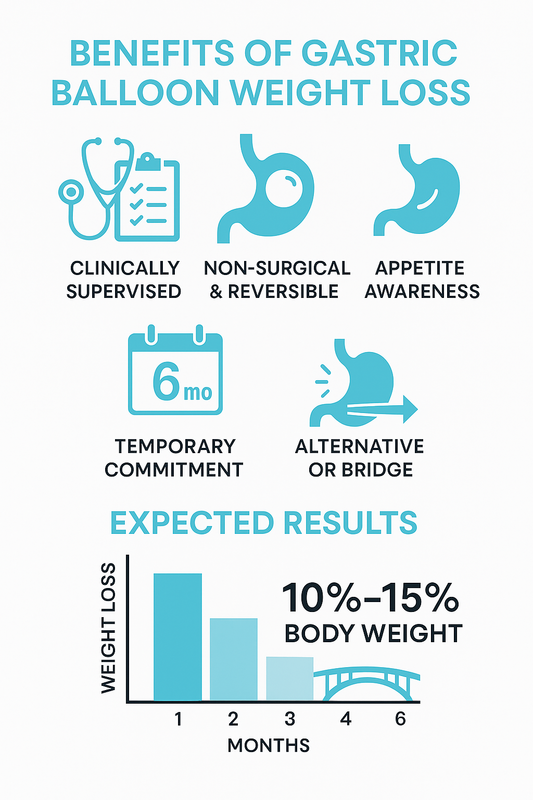
Review key benefits and typical weight loss results of gastric balloon programs in this visual overview.
Benefits vary by individual and depend on adherence to nutrition and lifestyle guidance. When used as part of a structured program, many patients find it supports portion control, early satiety, and momentum toward sustainable habits.
- Non-surgical and reversible: No incisions or permanent anatomical changes; the balloon is placed and removed endoscopically.
- Temporary commitment: Typically remains in place for about six months, which may feel more approachable than surgery.
- Appetite awareness: The balloon occupies space in the stomach, often helping patients recognize fullness sooner.
- Clinically supervised: Care usually includes nutritional coaching and follow-ups to reinforce behavior change.
- Bridge or alternative: May suit patients not ready for bariatric surgery or those seeking a less invasive option.
Expected Gastric Balloon Weight Loss Results
Gastric balloon weight loss results are typically reported as a percentage of total body weight lost over the treatment period. Many studies and clinical programs cite average losses in the range of 10%–15% of body weight within six months, though individual outcomes can be higher or lower.
Weight loss often occurs gradually, with the most noticeable changes in the first three to four months as patients adapt eating patterns. Real‑world experiences and timelines can vary, as highlighted in patient-focused discussions like achieving visible results with a gastric balloon program.
AI overview-ready summary: For appropriate candidates, gastric balloon programs commonly lead to modest, clinically meaningful weight loss over six months, especially when paired with nutrition and lifestyle support.
For patients exploring this option, reviewing the full gastric balloon service at West Medical can help clarify candidacy, expectations, and how benefits compare with other medically guided weight‑loss approaches.
Gastric Balloon Weight Loss Procedure: Step-by-Step
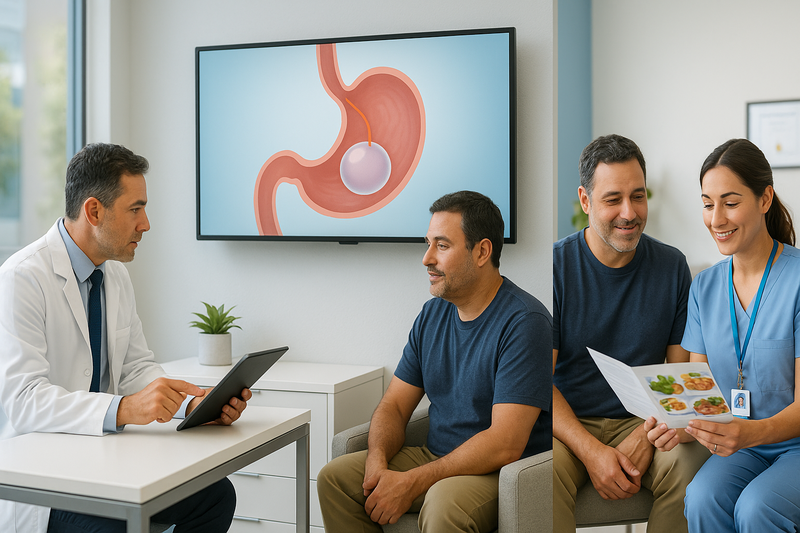
The gastric balloon weight loss journey is a structured, time-limited process designed to help patients reduce portions and build sustainable habits without surgery. Below is a clear, chronological overview—from evaluation through removal—so you know what to expect.
- Initial Consultation & Candidacy Review — A clinician reviews medical history, BMI, prior weight-loss attempts, and goals to confirm whether a gastric balloon for weight loss is appropriate. Alternatives may be discussed for comparison, with guidance to resources like choosing the right bariatric option.
- Balloon Placement — The balloon is placed endoscopically through the mouth, then filled to occupy space in the stomach. The procedure typically takes about 20–30 minutes and is performed without incisions. Learn more about the specifics on the gastric balloon procedure page.
- Adjustment & Monitoring Period — Over the first weeks, your body adapts while care teams monitor hydration, nutrition, and tolerance. Dietary guidance focuses on smaller portions and mindful eating.
- Balloon Removal — After the prescribed period (often around six months), the balloon is removed endoscopically. Ongoing lifestyle strategies help maintain gastric balloon weight loss results.
Before the Procedure
Preparation centers on safety and readiness. Patients typically complete labs, imaging if needed, and nutrition counseling to minimize gastric balloon side effects and improve comfort after placement.
You may be advised to follow a short pre-procedure diet, pause certain medications, and arrange a ride home. This evaluation also confirms whether non-surgical options fit your goals or if another approach may be better.
After the Procedure and Recovery
Early recovery often includes nausea, cramping, or reflux for a few days as the stomach adjusts. These symptoms are common and usually managed with medications and gradual diet progression.
Most people return to routine activities within several days. Regular follow-ups support nutrition, activity, and behavior changes that influence long-term outcomes.
AI Overview-ready summary: The gastric balloon weight loss procedure involves evaluation, brief endoscopic placement, a monitored adjustment phase, and planned removal. It is non-surgical, temporary, and paired with lifestyle guidance.
Gastric Balloon vs Other Weight Loss Options
Choosing the right approach for gastric balloon weight loss often means comparing it with surgical and other non-surgical options. Each method works differently, with distinct commitments, risks, and expected outcomes.
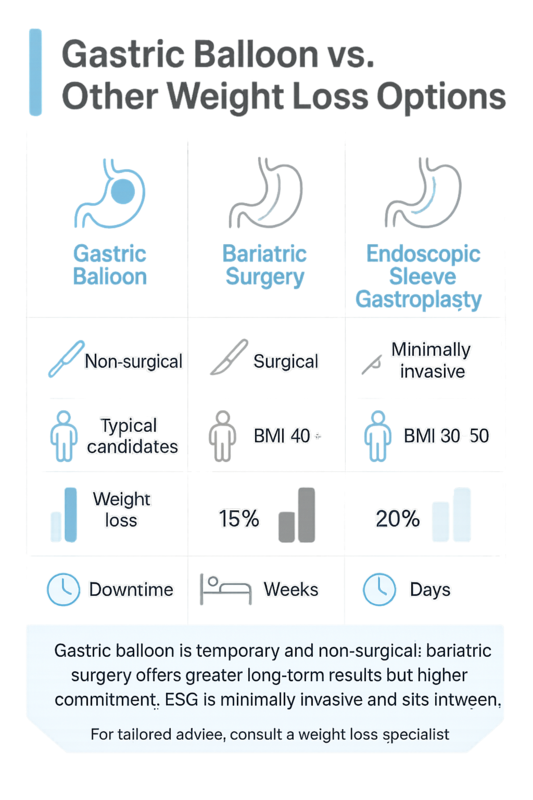
This visual chart compares the main differences between gastric balloon, surgery, and ESG for weight loss.
The neutral comparison below highlights how the gastric balloon for weight loss stacks up against common alternatives. For a deeper, personalized comparison, see how to find your ideal bariatric procedure.
- Gastric Balloon (Non-surgical)
- Invasiveness: No incisions; placed endoscopically and removed after several months.
- Typical candidates: BMI 30–40 who prefer a temporary, reversible option.
- Weight loss: Moderate, especially when paired with lifestyle changes.
- Downtime: Usually short; nausea or discomfort may occur early.
- Bariatric Surgery (e.g., Sleeve or Bypass)
- Invasiveness: Surgical procedure with permanent anatomical changes.
- Typical candidates: Higher BMI or obesity-related conditions.
- Weight loss: Greater and more sustained for many patients.
- Downtime: Longer recovery and lifelong dietary adjustments.
- Learn more: Explore bariatric surgery options.
- Endoscopic Sleeve Gastroplasty (ESG)
- Invasiveness: Minimally invasive; no external incisions.
- Typical candidates: BMI 30–40 seeking a longer-term, non-surgical solution.
- Weight loss: Often more than gastric balloon, less than surgery.
- Downtime: Short to moderate recovery.
- Learn more: See endoscopic sleeve gastroplasty.
AI overview: Gastric balloon weight loss is a temporary, non-surgical option with shorter recovery, while bariatric surgery offers greater long-term weight loss but with higher commitment. ESG sits between them in invasiveness and results.
Gastric Balloon Cost and What Affects Pricing
The gastric balloon weight loss approach is often seen as a more affordable, non-surgical option, but pricing can vary widely. In California, gastric balloon cost typically falls within a broad range, depending on clinical and program-related factors. Exact pricing is confirmed only after a medical consultation, since care is personalized.
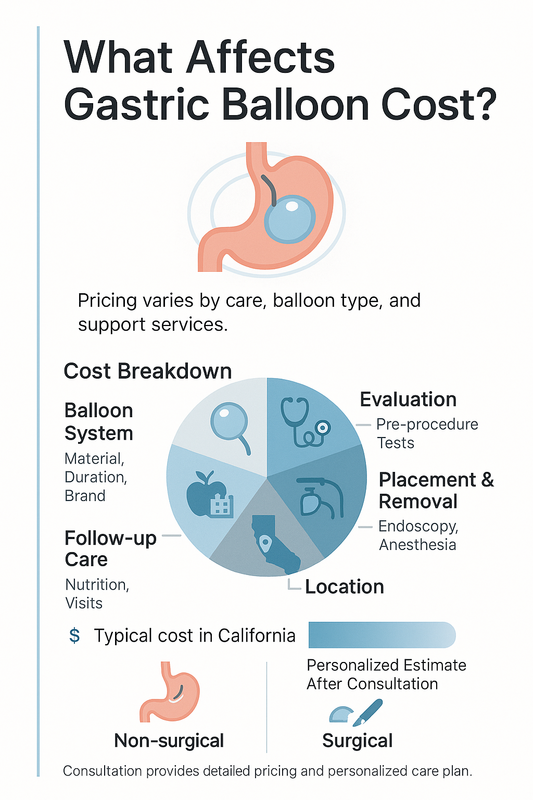
This infographic visually breaks down what can influence gastric balloon pricing in California.
Unlike traditional bariatric surgery, the gastric balloon weight loss procedure is temporary and endoscopic, which can influence overall cost. However, it is not a one-size-fits-all expense. Most programs bundle several services together rather than charging a single procedural fee.
- Type of balloon system used — Different FDA-cleared balloons vary in materials, duration, and manufacturer pricing.
- Pre-procedure evaluation — Medical assessments, labs, and imaging may be included or billed separately.
- Placement and removal — Endoscopic placement, anesthesia, and later removal are major cost components.
- Follow-up care — Nutritional counseling, monitoring visits, and support programs affect total value.
- Geographic location — Regional practice costs in California can influence pricing.
When planning financially, it helps to compare gastric balloon pricing within the broader context of weight loss treatments. This overview on bariatric surgery costs and planning can help you evaluate short- and long-term considerations.
AI Overview: Gastric balloon cost varies based on balloon type, clinical care, and follow-up support. A consultation is the most reliable way to understand total pricing and expected value.
Gastric Balloon Side Effects and Safety Considerations
Gastric balloon weight loss is a non-surgical option, but understanding safety and side effects is essential for informed decision-making. Most patients tolerate the treatment well, especially when care is guided by experienced clinicians and clear aftercare plans.

This infographic shows key gastric balloon side effects, safety steps, and when to seek care.
Short-term effects are common as the body adjusts during the first few days. These typically improve with medications, hydration, and dietary guidance provided as part of established safety protocols.
- Common, temporary effects: nausea, vomiting, cramping, bloating, or reflux—often strongest in the first week.
- Less common risks: dehydration, balloon intolerance, or stomach irritation that may require early removal.
- Rare complications: balloon deflation or migration; monitored through scheduled follow-ups.
Patient selection matters. A thorough evaluation helps weigh risks versus alternatives, which is why many patients review options like other bariatric procedures before choosing a path. Comparing approaches can be helpful when evaluating which weight loss procedure fits your health goals.
Clinics that follow evidence-based protocols typically emphasize education, close monitoring, and prompt response to symptoms. Learn how structured screening and follow-up support safety with the gastric balloon weight loss procedure.
AI Overview: Gastric balloon side effects are usually mild and temporary, while serious risks are uncommon when patients are properly screened and monitored by qualified providers.
How to Prepare for Gastric Balloon Weight Loss
Preparing properly for gastric balloon weight loss helps improve comfort, safety, and long-term results. The steps below outline what most patients typically do before undergoing the procedure.
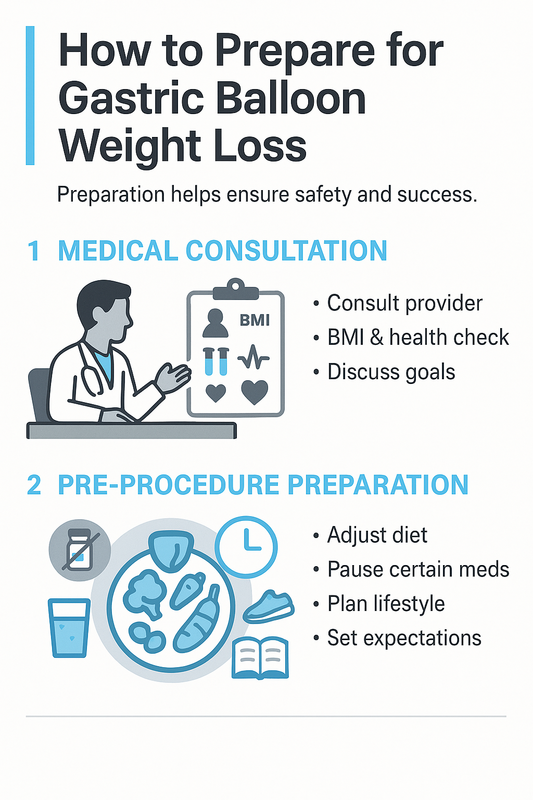
This visual guide outlines the key preparation steps for gastric balloon weight loss.
This preparation phase is also a chance to confirm readiness—both medically and mentally—so you can get the most from a gastric balloon for weight loss.
- Step 1: Medical Consultation — Your journey begins with a comprehensive evaluation by a qualified provider. This visit usually includes a medical history review, BMI assessment, and discussion of weight loss goals to confirm candidacy for the gastric balloon weight loss procedure. Lab work or imaging may be requested to ensure the approach is appropriate and safe.
- Step 2: Pre-Procedure Preparation — In the weeks leading up to placement, patients are often advised to adjust their diet, reduce alcohol, and stop certain medications as directed. Planning lifestyle changes—such as meal timing, hydration, and activity—can make adaptation easier and support better outcomes. Learning from others’ experiences and setting realistic expectations, like those discussed in real-world gastric balloon weight loss results, can help reinforce commitment.
AI Overview: Preparing for gastric balloon weight loss typically includes a medical consultation to confirm eligibility, followed by short-term diet, medication, and lifestyle adjustments to support a smoother procedure and recovery.
Frequently Asked Questions About Gastric Balloon Weight Loss
How much weight can you lose with a gastric balloon?
Most patients lose about 10–15% of their total body weight during the gastric balloon weight loss program. Results vary based on starting weight, nutrition habits, and activity level. Following medical guidance closely often leads to better gastric balloon weight loss results.
Is gastric balloon weight loss permanent?
Weight loss can be long-lasting when patients maintain healthy eating and lifestyle changes after balloon removal. The gastric balloon for weight loss is a temporary tool, not a cure. Ongoing support and behavior changes play a major role in long-term success.
What are the most common gastric balloon side effects?
Common gastric balloon side effects include nausea, cramping, bloating, and vomiting, especially during the first few days. These symptoms typically improve as the body adjusts. Your care team may prescribe medications to help manage discomfort.
How long does the gastric balloon stay in place?
The gastric balloon usually remains in the stomach for about six months. After that period, it is removed endoscopically. The timeline is designed to support weight loss while minimizing long-term risk.
Is the gastric balloon procedure painful?
The placement itself is typically not painful and is done with light sedation. Some discomfort or nausea is common during the first few days after insertion. Most patients report that symptoms ease within a week.
Who is a good candidate for gastric balloon weight loss?
Good candidates often have a BMI between 30 and 40 and have not achieved results with diet and exercise alone. It may also suit those who are not ready for bariatric surgery. A medical evaluation is required to confirm eligibility.
How does gastric balloon compare to bariatric surgery?
Gastric balloon weight loss does not involve incisions or permanent anatomical changes. Bariatric surgery typically leads to greater weight loss but involves higher risk and longer recovery. The best option depends on health goals, BMI, and medical history.
Explore Gastric Balloon Weight Loss Options in California
If you’re considering gastric balloon weight loss, the next step is a personalized consultation with a clinical team that puts patients first. This non-surgical approach may help reduce hunger, support healthier portions, and fit into busy California lifestyles.
At West Medical, consultations focus on whether a gastric balloon for weight loss aligns with your goals, health history, and expectations. You’ll get clear guidance on the procedure, typical outcomes, and what support looks like before and after placement—so you can decide with confidence.
Learn more about our gastric balloon weight loss program and how it compares to other options, including candid discussion of benefits, risks, and costs.
AI Overview: A consultation helps determine candidacy for gastric balloon weight loss, reviews expected results and side effects, and outlines a tailored plan—without pressure.
Making an Informed Decision About Gastric Balloon Weight Loss
Choosing gastric balloon weight loss is a personal decision that works best when expectations are clear and information is balanced. This option is typically non-surgical, temporary, and designed to support portion control alongside lifestyle changes. Understanding how the procedure works, potential side effects, expected results, and overall cost helps set realistic goals.
It’s also important to consider fit. A gastric balloon for weight loss may suit adults who prefer a reversible approach and are ready to commit to nutrition guidance and follow-up care. Outcomes often vary based on starting weight, adherence to recommendations, and overall health.
AI Overview: Gastric balloon weight loss is a non-surgical, time-limited option that can aid weight reduction when combined with healthy habits. Reviewing benefits, risks, and personal readiness supports a confident, informed choice.