


Gastric bypass is a bariatric procedure designed to support weight loss and improve metabolic health under medical supervision. Many people research gastric bypass when diet, exercise, and other treatments have not led to lasting results, or when weight-related health conditions are affecting daily life. It is also common to have questions about safety, recovery, long-term results, and whether this operation is the right fit compared with other options.
This guide is meant to give a balanced, practical overview. It will explain how the procedure works, what benefits it may offer, and what risks and trade-offs should be considered before moving forward. Because every patient starts from a different place, outcomes can vary based on overall health, surgical approach, and long-term habits after treatment.
You will also find clear discussion of recovery, candidacy, and how gastric bypass compares with sleeve gastrectomy. Where relevant, the article will touch on revision-related considerations as well, so readers can better understand how surgeons evaluate previous procedures, changing health needs, and next-step options.
What this guide covers
- How gastric bypass changes digestion and supports weight loss
- Potential benefits, risks, and long-term considerations
- What recovery may involve after surgery
- How it compares with sleeve gastrectomy and other options
- When it may be time to seek a bariatric evaluation
What Is Gastric Bypass?
Gastric bypass usually refers to Roux-en-Y gastric bypass, a type of bariatric surgery that changes how food moves through the digestive system. In simple terms, the surgeon creates a small pouch at the top of the stomach and then connects that pouch to a lower part of the small intestine. This means food bypasses most of the stomach and the first section of the small intestine before continuing through the rest of digestion.
That change has two main effects. First, the smaller stomach pouch limits how much food can be eaten at one time, which is often called restriction. Second, because food skips part of the small intestine, the body absorbs calories and nutrients differently, sometimes described at a high level as malabsorption. The procedure may also affect gut hormone signaling involved in hunger, fullness, and blood sugar regulation, but it is important not to overstate those effects or treat surgery as a guaranteed outcome.
If you are comparing procedures, it also helps to know that mini gastric bypass surgery is not the same as Roux-en-Y gastric bypass. They are different operations with different surgical designs. Patients exploring weight loss surgery options with West Medical should understand exactly which procedure is being discussed.
Roux-en-Y gastric bypass anatomy in simple terms
When people ask about roux en y gastric bypass anatomy, the easiest way to picture it is as a new pathway for food. The small pouch becomes the new, smaller entry point for meals. The larger remaining part of the stomach stays in the body, but food no longer passes through it in the usual way. The surgeon also divides and reroutes the small intestine so food travels from the pouch into a lower segment of intestine sooner than it did before.
Even though this sounds complex, the goal of the anatomy change is straightforward: create a smaller stomach chamber and shorten the early part of the digestive route that food normally takes.
How the procedure supports weight loss
Gastric bypass can support weight loss by helping patients feel full with smaller meals and by changing how digestion happens. Because food follows a different route, the body does not process every meal in exactly the same way it did before surgery. Some patients also notice changes in appetite and eating patterns over time.
Still, surgery is a tool, not a stand-alone solution. Long-term success depends on follow-up care, nutrition guidance, vitamin supplementation when prescribed, physical activity, and lasting behavior changes. A patient-friendly definition of gastric bypass should include both parts of the story: the operation changes anatomy, and healthy habits help patients make the most of that change.

Why Patients Consider Gastric Bypass
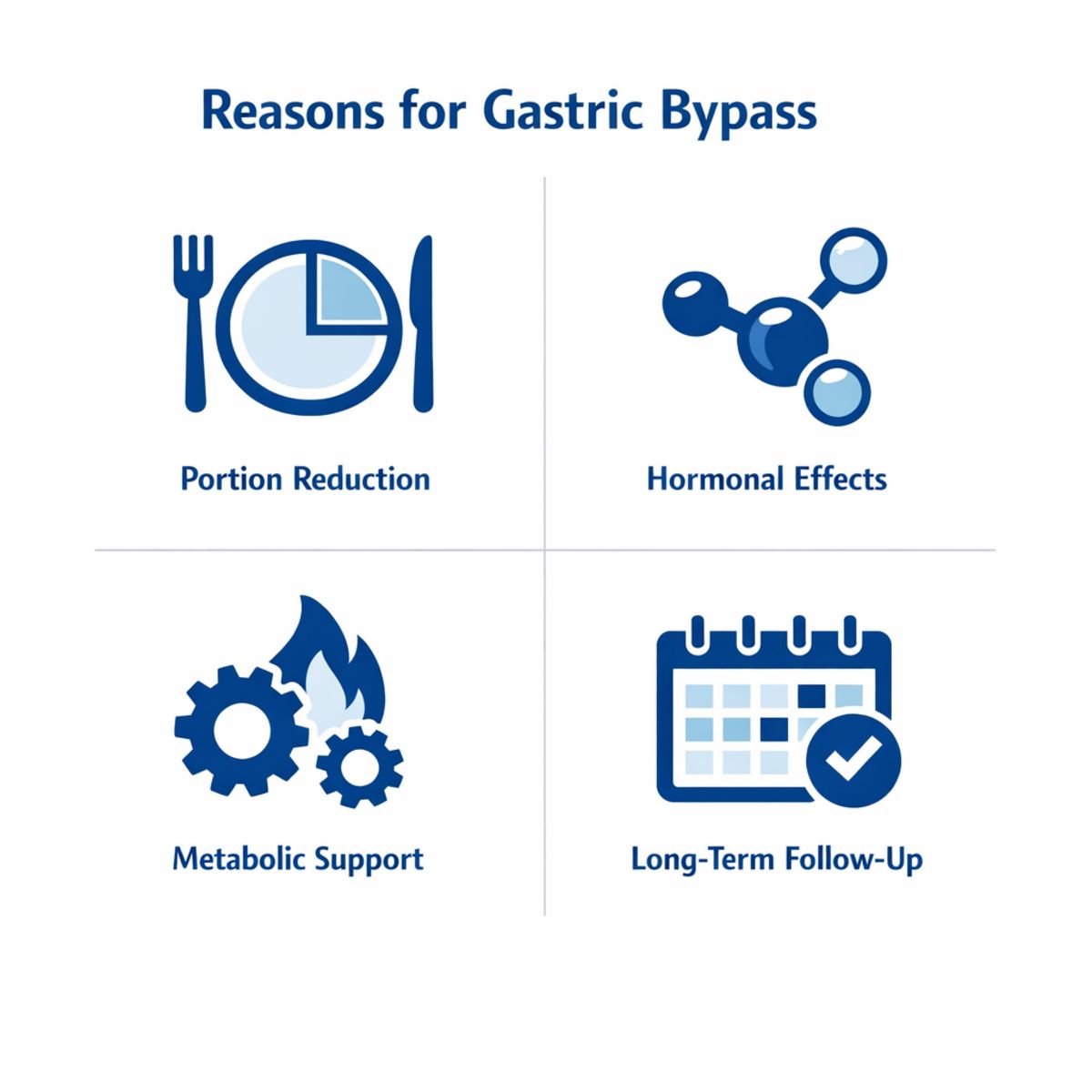
Patients may consider gastric bypass for several reasons, often centered on the goal of meaningful weight reduction and broader metabolic support. For some people, this bariatric surgery is part of a larger treatment plan aimed at improving obesity-related health concerns, supporting daily function, and making long-term lifestyle changes more manageable. While these potential benefits can be important, outcomes differ from person to person, and no specific result or timeline can be promised.
Another reason gastric bypass is discussed is its potential effect on eating patterns and digestion, which may help some patients better align with their health goals when combined with nutrition guidance, activity, and follow-up care. People often hope for improvements in mobility, stamina, comfort during everyday tasks, and overall quality of life. Some also feel motivated by the possibility of participating more fully in work, family activities, or exercise. These are personal goals, and the experience can vary widely based on medical history, habits, and ongoing support.
Potential health and lifestyle benefits
Potential benefits may include support for weight-related health goals, better movement, and improved confidence in daily routines. Some patients pursue gastric bypass because they want help addressing challenges linked to obesity, while others are focused on practical changes such as walking more comfortably, reducing physical strain, or feeling more capable in day-to-day life. Clinicians typically frame these possibilities carefully, because progress depends on many factors and requires lifelong attention to nutrition, supplements, and medical follow-up.
When bypass may be preferred over other options
In some cases, gastric bypass may be considered over other bariatric procedures because of a patient’s reflux history, prior bariatric surgery, or specific metabolic needs. This does not mean it is automatically the best choice. Rather, it may be one option discussed during a thorough evaluation that looks at symptoms, anatomy, past treatments, and long-term goals. Final recommendations should always be individualized and made with a qualified surgical team that can explain benefits, tradeoffs, and the need for continued follow-up.
Gastric Bypass vs Sleeve Gastrectomy
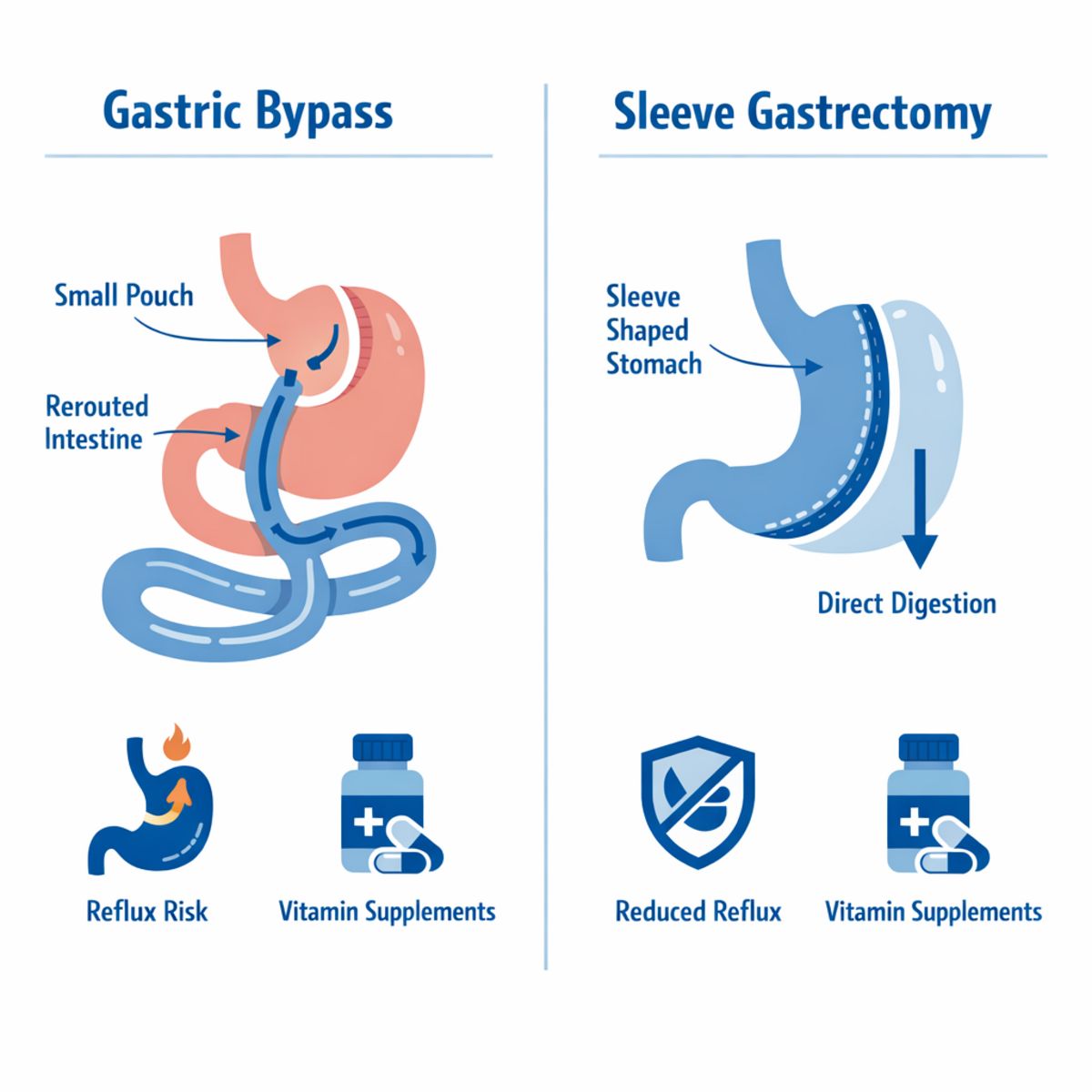
When comparing gastric bypass with sleeve gastrectomy, the biggest difference is how each procedure changes digestion. Gastric bypass creates a smaller stomach pouch and reroutes part of the small intestine, while sleeve gastrectomy removes a portion of the stomach but does not bypass the intestine. Both are established forms of weight loss surgery, but they affect anatomy, eating patterns, and long-term follow-up in different ways. Many patients also research gastric sleeve surgery with West Medical when weighing these options.
How the anatomy differs
In gastric bypass, food moves from a small stomach pouch into a rerouted section of the intestine, which changes both restriction and absorption. In sleeve gastrectomy, the stomach is reduced to a narrow sleeve, so patients eat less at one time, but food still follows the usual intestinal pathway. This is why people often hear bypass described as both restrictive and malabsorptive, while gastric sleeve surgery is primarily restrictive.
That anatomical difference can shape decision-making. Some patients and surgeons discuss bypass when reflux symptoms are a major concern, while weight loss surgery with the sleeve may be considered in other situations based on medical history, goals, and risk profile. The right discussion is individualized rather than one-size-fits-all.
Lifestyle, supplements, and follow-up
Both procedures require long-term nutrition habits, portion awareness, hydration, protein intake, and routine follow-up. However, gastric bypass often involves distinct nutrient supplementation and lab monitoring considerations because intestinal rerouting can affect absorption more directly. Sleeve gastrectomy patients also need vitamins and ongoing care, but the supplementation plan may differ depending on the individual and the clinical program.
Recovery experiences can overlap, but long-term success with either option depends on consistent follow-up and realistic expectations. Rather than asking which operation is universally better, it is usually more helpful to ask which procedure best fits a patient’s anatomy, symptoms, and health priorities.
Where revision surgery fits into the conversation
Some patients later explore revision pathways after a prior bariatric procedure. In that setting, gastric bypass may come up as one possible option depending on the original surgery, current anatomy, symptoms, and a full medical evaluation. Questions about gastric sleeve revision success should also be approached carefully, because outcomes vary based on why the revision is being considered and what procedure was performed first. A consultation can help clarify whether bypass, sleeve-based options, or another approach is most appropriate.
Who May Qualify and How Evaluation Works
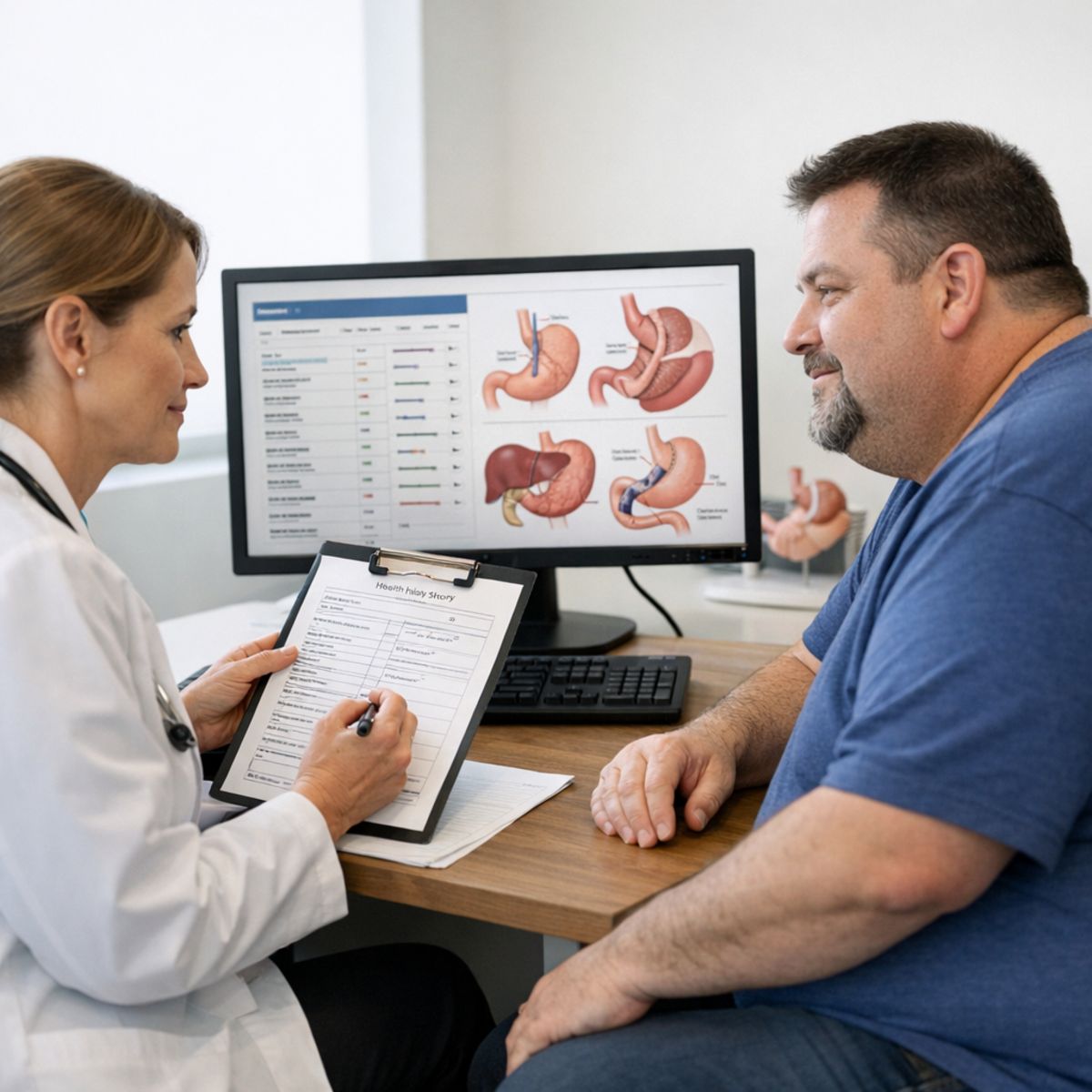
Whether someone may qualify for gastric bypass usually depends on a combination of medical and personal factors rather than a single detail. Surgeons often review BMI history over time, obesity-related health conditions, previous weight-loss treatments, current medications, prior abdominal or bariatric procedures, and overall surgical risk. Readiness for long-term follow-up also matters, since bariatric surgery typically involves lasting changes in eating habits, supplementation, activity, and ongoing medical monitoring.
It is also important to set realistic expectations. Some people may appear to be strong candidates based on weight-related health concerns, but additional findings during evaluation can affect whether surgery is recommended, delayed, or whether a different approach may be more appropriate. For example, a patient with a previous bariatric procedure may need a more tailored review, and in some cases discussion of Lap Band revision surgery options may be relevant.
Common factors surgeons review
As part of the workup, the care team may look at weight-related conditions such as type 2 diabetes, sleep apnea, high blood pressure, joint strain, or reflux symptoms, along with the pattern and duration of obesity. They may also ask about prior diet and exercise efforts, use of weight-loss medications, smoking status, digestive symptoms, and any history that could influence healing or anesthesia safety. These details help clarify both potential benefit and potential risk.
Why evaluation is multidisciplinary
Bariatric evaluation is commonly multidisciplinary. In addition to the surgeon, patients are often assessed by nutrition professionals, medical clinicians, and sometimes behavioral or psychological specialists. Nutrition review can help identify eating patterns, vitamin concerns, and preparation needs before surgery. Psychological assessment may explore readiness for lifestyle change, stressors, and support systems. Medical testing may include labs, imaging, or other studies based on individual history.
Ultimately, medical eligibility for bariatric procedures depends on individual evaluation and health criteria. A surgeon-led assessment is the best way to determine whether gastric bypass is appropriate, whether another procedure may be considered, or whether additional preparation is needed first.
How to Prepare for Gastric Bypass
Preparing for gastric bypass usually involves several steps before surgery, plus some planning for the first part of recovery at home. Your surgeon and care team will give instructions based on your health history, goals, and procedure plan, so use the general roadmap below as a starting point and follow their guidance for anything specific.
Pre-op checklist
- Attend all consultations. These visits help confirm that gastric bypass is appropriate for you and give you time to review expectations, risks, and recovery milestones.
- Complete required testing. Many patients are asked to finish lab work, imaging, screenings, or other evaluations before surgery can be scheduled or finalized.
- Follow nutrition guidance. Your team may outline eating changes to begin before surgery and explain what the early post-op diet may look like. This is also a good time to ask about hydration goals.
- Review medications and supplements. Bring an up-to-date list of prescriptions, over-the-counter products, and vitamins so your surgeon can tell you what to ask about before surgery.
- Plan for recovery at home. Arrange help with transportation, meals, childcare, or daily tasks if needed, and make sure you understand basic activity limits and follow-up plans.
Questions to ask your surgeon
- What testing or appointments do I need to complete before surgery?
- What should I know about the first days and weeks of recovery?
- Which supplements will I likely need after gastric bypass?
- How much fluid should I aim for, and what hydration issues should I watch for?
- When can I walk, drive, work, and return to normal activities?
- How often will follow-up visits be scheduled in the first year?
Because preparation instructions can vary by surgeon and by medical history, the safest approach is to ask clear questions early and keep a written list of the steps your own care team wants you to follow.
Risks, Recovery, and Long-Term Commitments
Gastric bypass is a major surgery, so it is important to understand both the potential benefits and the practical responsibilities that come with it. While the procedure is performed by experienced surgeons in clinically supervised settings, it is not risk-free. Possible complications can include leaks, bleeding, infection, strictures, ulcers, nutritional deficiencies, and dumping syndrome. Some people may also experience side effects as their body adjusts to smaller meals and changes in digestion. Results vary, and all treatment decisions should be subject to medical evaluation.
Common risks and side effects to discuss
A balanced conversation with your care team should include both short-term surgical risks and long-term nutritional concerns. Because gastric bypass changes how food is absorbed, patients usually need lifelong vitamin and mineral supplementation and regular lab monitoring. Ongoing follow-up helps identify issues such as iron, vitamin B12, calcium, or folate deficiencies before they become more serious. This kind of monitoring is a routine part of responsible aftercare.
What recovery usually involves
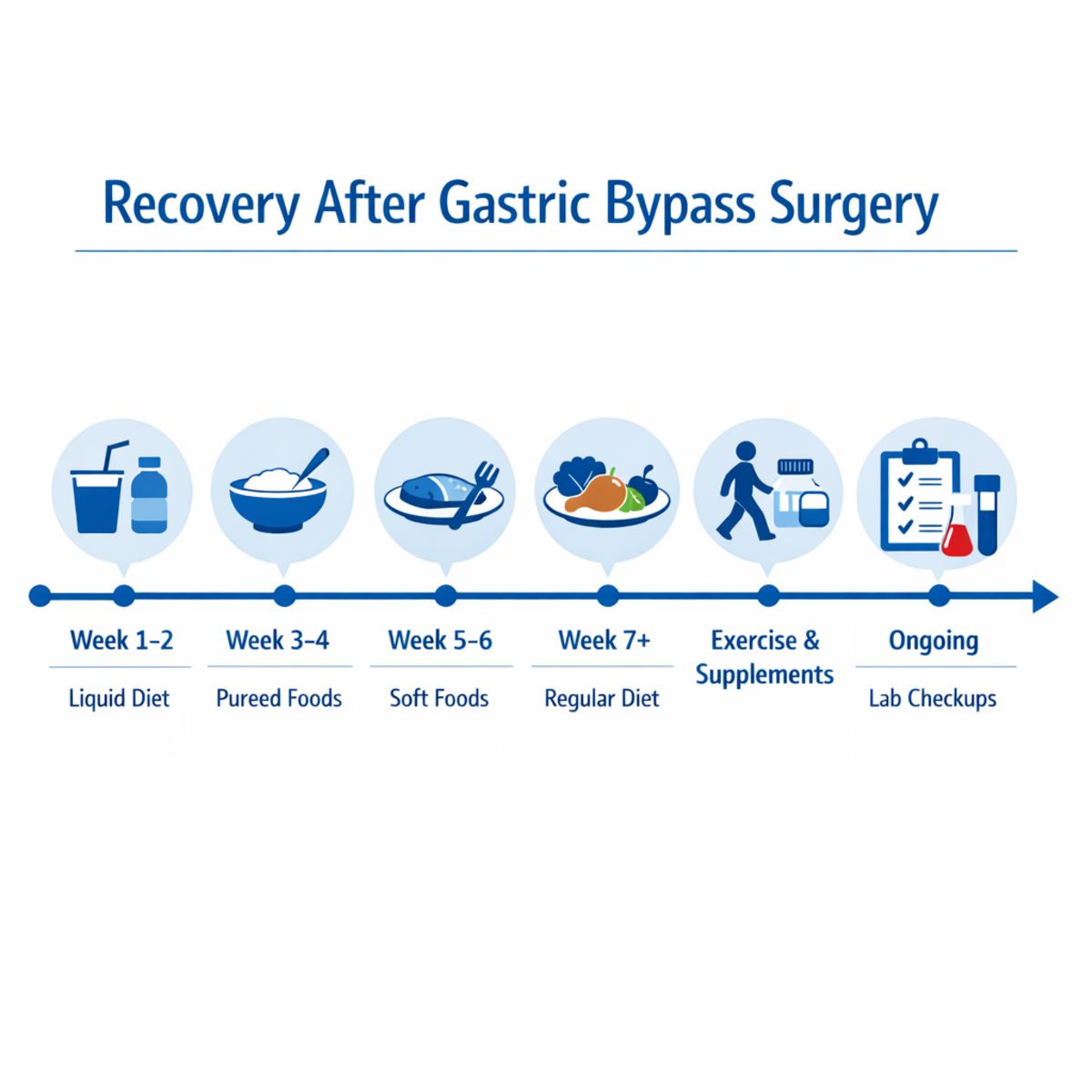
Recovery is often gradual rather than immediate. Patients can expect a staged diet progression, starting with liquids and advancing carefully based on clinical guidance. Activity is usually reintroduced in steps, with walking encouraged early and heavier exertion delayed until cleared by the surgical team. Follow-up visits are important for checking healing, reviewing symptoms, adjusting nutrition plans, and supporting long-term habits that help maintain results.
Cost is another practical consideration. Total expenses and insurance coverage can vary by provider, plan details, location, and medical eligibility. Coverage is never guaranteed, and requirements may include documentation, prior authorization, or other insurer-specific steps. The most reliable approach is to confirm costs, benefits, and next steps directly with the care team and your insurance provider.
Frequently Asked Questions About Gastric Bypass
Quick answers to common concerns
How does gastric bypass help with weight loss?
Gastric bypass changes the digestive system to reduce how much food the stomach holds and alter how calories and nutrients move through the intestines. This can support significant weight loss, but long-term results still depend on nutrition, activity, follow-up care, and recommended lifestyle changes.
Is gastric bypass the same as sleeve gastrectomy?
No. Sleeve gastrectomy removes a large portion of the stomach, while gastric bypass creates a small stomach pouch and reroutes part of the small intestine. Both are bariatric procedures, but they differ in technique, expected effects, nutritional considerations, and which patients may be better suited for each option.
Who may qualify for gastric bypass?
Eligibility is individualized. In general, bariatric teams consider body mass index, obesity-related health conditions, prior weight-loss efforts, overall health, and readiness for long-term follow-up. A full evaluation is needed to determine whether gastric bypass is appropriate and whether another procedure may be a better fit.
What are the long-term nutritional requirements after gastric bypass?
Most patients need lifelong vitamin and mineral supplementation after gastric bypass, along with regular lab monitoring. Protein intake, hydration, meal structure, and follow-up visits are also important. Specific supplement plans vary, so patients should follow the guidance of their bariatric surgeon, dietitian, and care team.
Can gastric bypass be considered after a previous bariatric procedure?
In some cases, yes. Gastric bypass may be considered as a revisional bariatric surgery after another procedure, depending on symptoms, anatomy, weight-loss response, and overall medical history. Revisional surgery is complex, so it requires careful imaging, testing, and discussion with an experienced bariatric team.
How long does recovery take after gastric bypass?
Recovery varies by patient, surgical approach, and job demands. Many people need several weeks before returning to normal routines, with diet progression happening in stages. Your surgeon will provide activity restrictions, follow-up timing, and warning signs to watch for during recovery and healing.
When to Talk With a Bariatric Specialist
If you are thinking about bariatric surgery or a revision procedure, a professional evaluation can help you understand your options. It may be time to talk with a specialist if you have ongoing symptoms, concerns about weight regain, questions about a prior procedure, or specific health and weight-loss goals you want to discuss.
A personalized evaluation can clarify your options
A bariatric specialist can review your symptoms, weight-loss history, prior procedures, and goals. The best procedure, if any, depends on your anatomy, overall health status, and a full medical evaluation.
Key Takeaways on Gastric Bypass
Gastric bypass can be an effective bariatric tool for selected patients, especially when it is supported by long-term follow-up, nutrition guidance, and lasting lifestyle changes. Understanding how gastric bypass works can help you weigh its potential benefits alongside its risks and the commitment required after surgery.
It is also important to remember that there is no one-size-fits-all path. For some people, sleeve gastrectomy or a revision procedure may be more appropriate depending on anatomy, medical history, and personal goals. A balanced decision considers not only expected weight-loss outcomes, but also recovery, long-term habits, and ongoing care.
Making an informed choice
Individual outcomes vary, and the best next step is a thoughtful discussion with an experienced bariatric team. With clear information and expert support, you can move forward with greater confidence and choose the approach that best fits your health needs and goals.