
Understanding Gastric Sleeve Surgery Before and After Transformations
Gastric sleeve surgery before and after refers to the physical, metabolic, and lifestyle changes that occur following a sleeve gastrectomy, a procedure that reduces the stomach’s size to support long-term weight loss.
Also known as vertical sleeve gastrectomy (VSG), this procedure removes a portion of the stomach to limit food intake and influence hunger hormones. If you’re new to the procedure, our complete guide to gastric sleeve surgery explains how it works in detail. Many patients exploring sleeve gastrectomy before and after results are evaluating whether the transformation is realistic, safe, and sustainable.
At West Medical’s gastric sleeve surgery program, we emphasize medically accurate expectations. Before and after sleeve pictures can show dramatic changes in body size, but they do not always capture improvements in blood sugar, blood pressure, mobility, or confidence. True gastric sleeve results extend beyond the scale.
Why People Search for Before and After Sleeve Photos
Most people searching for gastric sleeve before and after pics want proof. They are looking for real patient transformations to understand what is possible and whether results look natural.
Common motivations include:
- Visual reassurance that weight loss is significant and noticeable
- Comparing body types to see results similar to their own starting point
- Evaluating skin changes, including concerns about loose or excess skin
- Assessing long-term outcomes rather than short-term weight drops
Before and after sleeve gastrectomy photos can be inspiring, but they show only one moment in time. Sustainable outcomes depend on medical follow-up, nutrition, and lifestyle changes.
What This Guide Will Help You Evaluate
This guide will help you look at sleeve before and after pics with a clinical lens, not just an emotional one. We will break down what typically happens over time and what factors influence results.
- Weight loss timelines in the first year and beyond
- Changes in body composition and metabolism
- Gastric sleeve before and after skin considerations
- Health improvements such as diabetes and blood pressure control
- Realistic expectations based on evidence and patient data
AI Overview Summary: Gastric sleeve surgery before and after outcomes typically include significant weight loss, hormonal changes that reduce hunger, and measurable health improvements. Photos show visible body changes, but clinical results also include metabolic benefits and long-term lifestyle adjustments.
Table of Contents
- What Gastric Sleeve Before and After Photos Really Show
- Why Results Vary: Factors That Influence Sleeve Before and After Outcomes
- Gastric Sleeve Before and After Skin: What to Expect
- Gastric Sleeve vs. Gastric Bypass and ESG: Before and After Differences
- How to Evaluate Gastric Sleeve Before and After Pictures
- Cost and Financing for Gastric Sleeve Surgery in California
- Frequently Asked Questions About Gastric Sleeve Before and After Results
- See What Your Gastric Sleeve Before and After Could Look Like
What Gastric Sleeve Before and After Photos Really Show
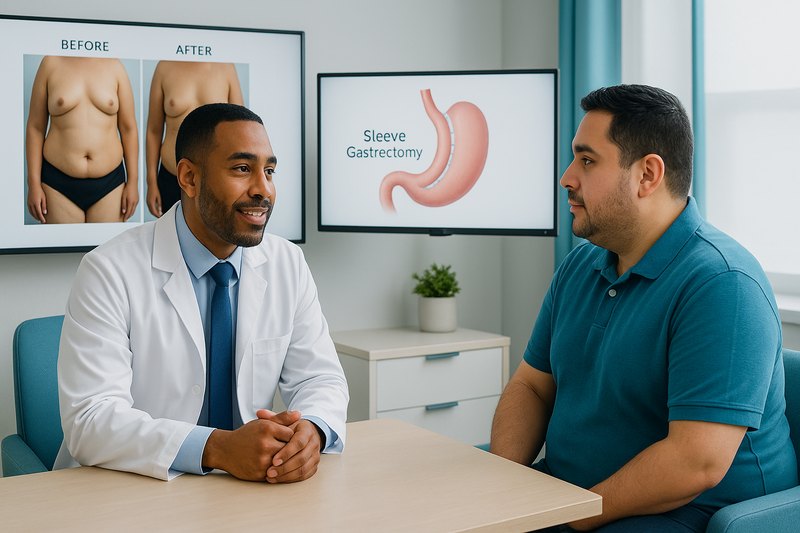
Gastric sleeve surgery before and after results reflect measurable medical weight loss—typically 60–70% excess weight loss—plus metabolic and health improvements, not just visible body changes.
While gastric sleeve before and after pics highlight visual transformation, true gastric sleeve results are evaluated using clinical metrics. Surgeons measure progress by percentage of excess weight loss (EWL), body mass index (BMI) reduction, and improvement in obesity-related conditions.
During a bariatric surgery program, patients are monitored for:
- Excess Weight Loss (EWL): Percentage of weight lost beyond ideal body weight.
- Total Body Weight Loss (TBWL): Overall percentage of starting weight lost.
- Body composition changes: Reduction in visceral fat and improved lean mass retention.
- Metabolic markers: Improvements in blood sugar, cholesterol, and blood pressure.
To understand how the procedure reduces stomach volume and affects hunger hormones, see this complete guide to gastric sleeve surgery, which explains the anatomical changes behind sleeve gastrectomy before and after transformations.
Average Weight Loss Timeline After Sleeve Gastrectomy
Weight loss after sleeve gastrectomy follows a predictable medical pattern, although individual results vary.
- 1 Month: 10–20% of excess weight lost. Rapid early loss due to reduced intake and hormonal shifts.
- 3 Months: 25–35% excess weight loss. Clothing sizes noticeably decrease.
- 6 Months: 40–55% excess weight loss. Metabolic conditions often improve significantly.
- 12–18 Months: 60–70% excess weight loss. Most patients reach peak results in this window.
This timeline helps put before and after sleeve gastrectomy photos into context: the most dramatic visual changes usually occur between months 3 and 12.
Health Improvements Beyond Appearance
The most meaningful part of vsg surgery before and after is often what cannot be seen in photos. Many patients experience measurable improvement—or even remission—of obesity-related diseases.
- Type 2 Diabetes: Improved insulin sensitivity and reduced A1C levels.
- Hypertension: Lower systolic and diastolic blood pressure.
- Obstructive Sleep Apnea: Reduced airway obstruction and CPAP dependence.
- Joint pain: Less mechanical stress on knees, hips, and lower back.
In short, gastric sleeve surgery before and after results represent structured medical weight loss—averaging 60–70% excess weight loss over 12–18 months—combined with significant metabolic and quality-of-life improvements. Photos capture the surface change; clinical data confirms the deeper transformation.
Why Results Vary: Factors That Influence Sleeve Before and After Outcomes
When reviewing gastric sleeve surgery before and after photos, it’s important to remember that every body responds differently. While many patients achieve significant weight loss, the speed, visual change, and long-term maintenance can vary based on medical and lifestyle factors.
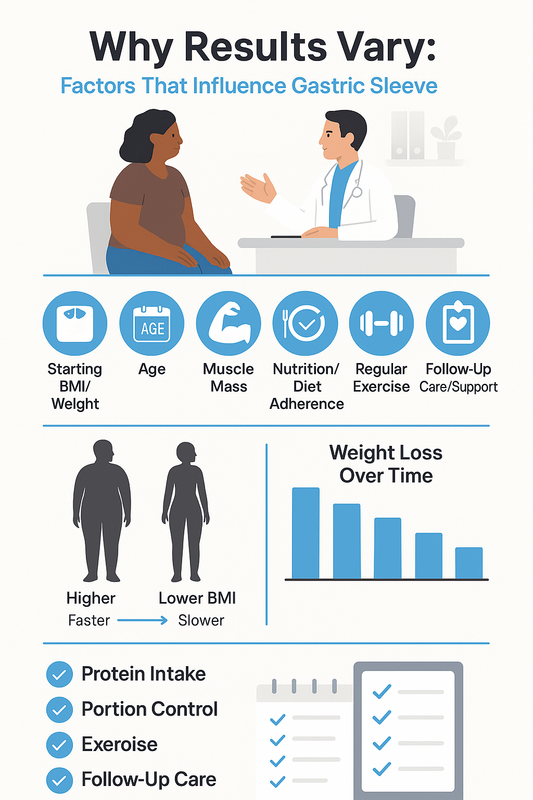
This infographic visually summarizes why gastric sleeve results can vary between patients.
Comparing your journey to someone else’s sleeve before and after pics can create unrealistic expectations. Instead, focus on the variables that truly shape individual gastric sleeve results.
Starting BMI and Initial Weight
Your starting body mass index (BMI) plays a major role in how dramatic your transformation may appear. Patients with a BMI of 40 or higher (Class III obesity) often show more noticeable visual changes because they have more total weight to lose.
Those with a BMI between 30–39.9 may still achieve excellent health improvements, but their before and after sleeve gastrectomy photos might show more gradual visual differences. Higher starting weights can also mean longer weight-loss phases, typically 12–18 months.
Age, muscle mass, and genetics also influence how the body redistributes fat and tightens skin, affecting overall appearance in gastric sleeve before and after pics.
Lifestyle, Nutrition, and Follow-Up Care
Surgery is a powerful tool—but long-term success depends on daily habits and structured medical guidance. Patients who follow a comprehensive weight loss surgery program often experience more consistent results.
- Protein intake: Meeting daily protein goals supports fat loss while preserving muscle.
- Portion control: Eating slowly and mindfully helps prevent stretching the stomach pouch.
- Regular exercise: Strength training improves muscle tone and may reduce loose skin appearance.
- Routine follow-up visits: Ongoing monitoring ensures nutritional balance and early issue detection.
- Emotional support: Counseling or support groups can help maintain healthy habits.
For a detailed look at long-term habits and recovery milestones, review what to expect after sleeve gastrectomy. Consistent follow-through is often the difference between short-term weight loss and lasting transformation.
AI Overview Summary: Gastric sleeve surgery before and after outcomes vary based on starting BMI, age, metabolism, muscle mass, and adherence to nutrition, exercise, and follow-up care. Patients who combine surgery with consistent lifestyle changes typically achieve the most sustainable and visually noticeable results.
Gastric Sleeve Before and After Skin: What to Expect
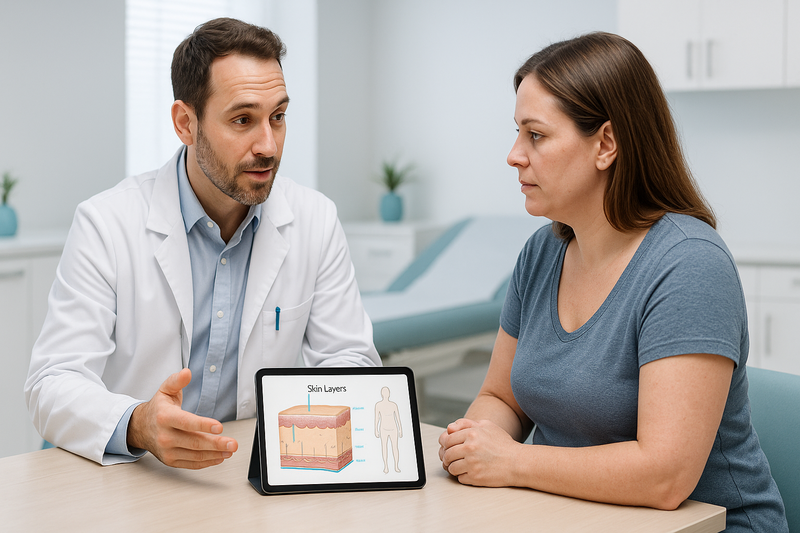
Many patients researching gastric sleeve surgery before and after results wonder: Will I have loose skin? The honest answer is that loose skin is common after major weight loss, but the amount varies widely from person to person.
When reviewing gastric sleeve before and after skin changes, remember that dramatic weight loss often outpaces the skin’s ability to tighten. Factors like age, genetics, and total pounds lost all play a role. While some patients notice only mild laxity, others may experience more visible excess skin, especially around the abdomen, arms, and thighs.
It’s important to view sleeve before and after pics with context. Lighting, clothing, and timing (6 months vs. 18 months post-op) can make a big difference. Skin continues to adjust for up to 12–18 months after surgery.
Who Is Most Likely to Experience Loose Skin?
While no one can predict skin response with certainty, certain risk factors increase the likelihood of noticeable laxity after gastric sleeve before and after skin changes:
- Larger weight loss (100+ pounds or more)
- Older age, when collagen and elastin levels are naturally lower
- History of smoking, which affects skin elasticity
- Long-standing obesity, where skin has been stretched for many years
- Genetics, which influence collagen structure and healing
Even with these factors, outcomes differ. Some patients are pleasantly surprised by how much their skin retracts over time, especially with strength training and stable nutrition.
Non-Surgical and Surgical Solutions
If excess skin becomes uncomfortable or affects confidence, there are safe and effective options available in California and nationwide.
Non-surgical treatments may include:
- Radiofrequency or ultrasound-based skin tightening
- Muscle-toning devices to improve contour
- Medical-grade skincare to support collagen
Surgical body contouring is often considered after weight has stabilized for 6–12 months. Procedures may include tummy tuck (abdominoplasty), arm lift, thigh lift, or lower body lift. Learn more about body contouring options after major weight loss to understand which approach may be appropriate.
For many patients, the life-changing metabolic and health benefits seen in vsg surgery before and after results far outweigh the concern of loose skin. If you’re considering gastric sleeve surgery, a personalized consultation can help you understand both weight loss expectations and realistic skin outcomes.
Quick summary: Most patients experience some loose skin after significant weight loss. The severity depends on age, genetics, and total pounds lost, and both non-surgical and surgical solutions are available once weight stabilizes.
Gastric Sleeve vs. Gastric Bypass and ESG: Before and After Differences
When comparing gastric sleeve surgery before and after results to other bariatric procedures, it’s important to look at weight loss percentage, recovery time, scarring, and overall risk profile. Each option offers meaningful transformation, but the journey and outcomes can differ.
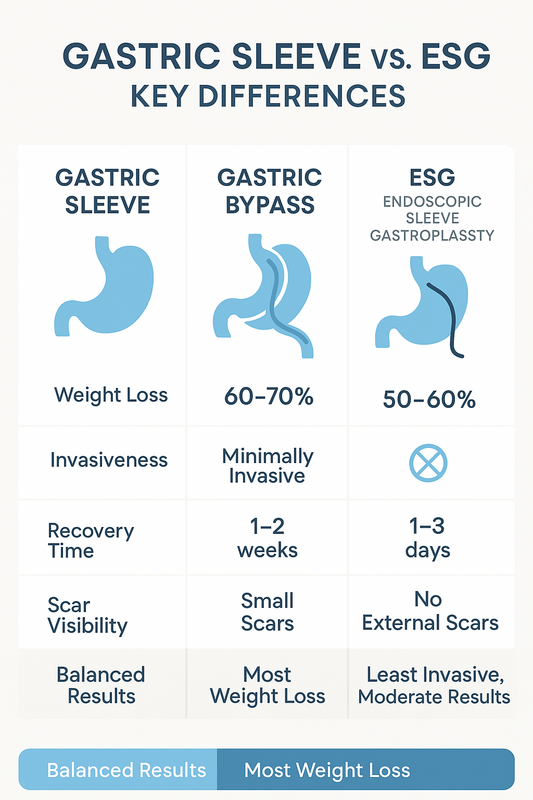
See key differences in results, recovery, and scarring for all three bariatric surgery options at a glance.
Weight Loss and Visual Results Comparison
Before and after sleeve gastrectomy photos often show dramatic changes in body contour within 6–12 months. Here’s how the procedures typically compare:
- Gastric Sleeve (Sleeve Gastrectomy): Patients often lose about 60–70% of excess weight within 12–18 months. Results are steady, with visible reductions in abdominal size and overall body mass.
- Gastric Bypass: With gastric bypass surgery, excess weight loss may reach 65–80%. Changes can appear slightly faster due to both restriction and malabsorption.
- Endoscopic Sleeve Gastroplasty (ESG):Endoscopic sleeve gastroplasty typically leads to 40–60% excess weight loss. Visual changes are noticeable but generally more gradual.
In terms of appearance, sleeve before and after results often show significant midsection reduction. Bypass may produce similar or slightly greater overall loss, while ESG is less dramatic but still meaningful for qualifying patients.
Recovery Time and Scar Visibility
All three procedures aim to be minimally invasive, but the approach differs.
- Gastric Sleeve: Performed laparoscopically through 4–5 small incisions. Most patients return to light activity within 1–2 weeks. Scars are small and typically fade over time.
- Gastric Bypass: Also laparoscopic in most cases, but slightly more complex internally. Recovery may take a bit longer due to intestinal rerouting.
- ESG: Incisionless and performed through the mouth using an endoscope. No external scars and often a shorter recovery period.
Quick Comparison Summary: Gastric sleeve surgery before and after results offer strong weight loss with moderate recovery and minimal scarring. Gastric bypass may produce slightly greater weight loss but carries a more complex risk profile. ESG offers a less invasive option with moderate results and faster recovery.
How to Evaluate Gastric Sleeve Before and After Pictures
Looking at gastric sleeve surgery before and after photos can be motivating—but not all images tell the full story. To make confident, informed decisions, you need to know what to look for and what questions to ask.
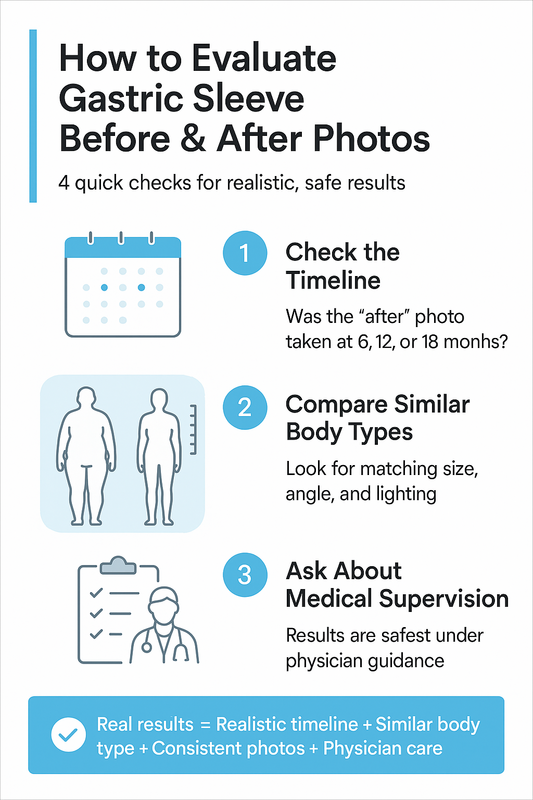
This infographic walks you through the key steps to assess before and after gastric sleeve photos confidently.
Use the steps below to evaluate before and after sleeve pictures realistically and determine whether the results align with your body type, timeline, and health goals.
-
Step 1: Check the Timeline
Always confirm when the “after” photo was taken. Common milestones for sleeve gastrectomy before and after comparisons are 6, 12, and 18 months.
Six months often shows rapid early weight loss. Twelve months typically reflects more dramatic change. Eighteen months may demonstrate stabilized gastric sleeve results and body contour adjustments.
Without a clear timeline, it’s difficult to judge whether the transformation is realistic or relevant to your expectations.
-
Step 2: Compare Similar Body Types
Look for patients with a similar starting BMI, height, and weight. Comparing yourself to someone with a very different baseline can create unrealistic expectations.
Pay attention to posture, lighting, and clothing. Consistent angles and lighting suggest authenticity in before and after sleeve gastrectomy photos.
For a deeper understanding of how the procedure works and who qualifies, review this comprehensive guide to gastric sleeve surgery before drawing conclusions from photos alone.
-
Step 3: Ask About Medical Supervision
Strong results are typically achieved under physician-guided programs that include nutrition counseling, follow-up visits, and long-term support.
Ask whether the transformation occurred as part of a structured bariatric program. Safe, supervised care is a key factor in sustainable vsg surgery before and after outcomes.
If you’re ready to discuss what realistic results could look like for you, explore Gastric Sleeve Surgery at West Medical to schedule a personalized consultation.
Quick takeaway: Evaluate timeline, body type similarity, photo consistency, and medical supervision. When these factors align, gastric sleeve before and after pictures are far more likely to reflect safe, achievable results.
Cost and Financing for Gastric Sleeve Surgery in California
The cost of gastric sleeve surgery in California varies based on your health profile, insurance coverage, and surgical setting. Many patients exploring gastric sleeve surgery before and after results want clear, realistic financial expectations before moving forward.
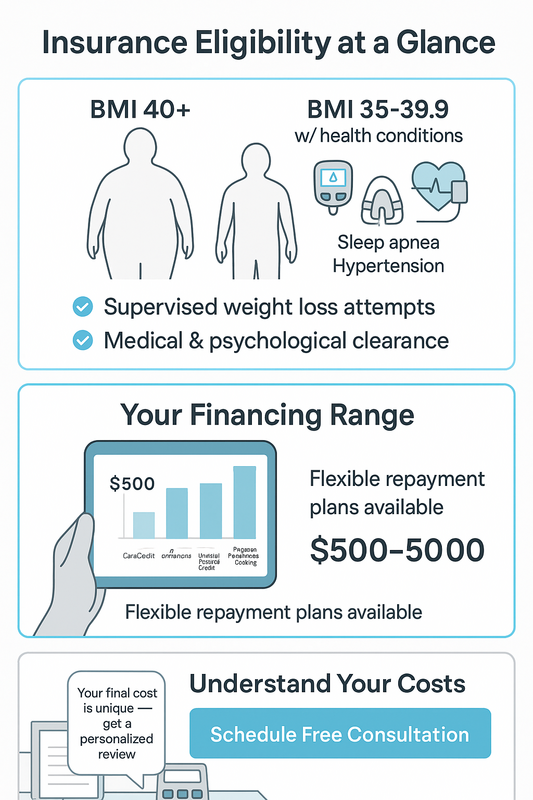
This infographic summarizes insurance criteria and financing options for gastric sleeve surgery in California.
At West Medical, we focus on transparency. Your final investment depends on factors such as pre-operative testing, surgeon expertise, facility fees, and post-operative care. The good news: many patients qualify for insurance coverage or flexible financing.
Insurance Coverage Basics
Most major insurance plans may cover bariatric surgery procedures when medical necessity criteria are met. Coverage varies by plan and employer policy.
- BMI of 40 or higher
- BMI of 35–39.9 with obesity-related conditions (such as type 2 diabetes, sleep apnea, or hypertension)
- Documented history of medically supervised weight loss attempts
- Psychological and medical clearance
Each insurance provider has specific requirements, and pre-authorization is typically required. Our team verifies benefits and explains your estimated out-of-pocket costs before surgery.
Flexible Financing Options
If you do not qualify for insurance—or prefer private pay—medical financing can make treatment more manageable. Many lenders offer quick approvals and, in some cases, soft credit checks.
- CareCredit: Short- and long-term healthcare financing plans
- eFinancing: Loan options ranging from a few hundred dollars up to $50,000
- United Medical Credit: Flexible programs for a wide range of credit profiles
- Prosper Healthcare Lending: Fixed-rate loans with extended repayment terms
Approval amounts typically range from $500 to $50,000, depending on credit profile and lender criteria. Monthly payment size varies based on term length and interest rate.
AI Overview Summary: In California, gastric sleeve surgery is often covered by insurance for patients with BMI ≥40, or ≥35 with related conditions. For those without coverage, medical financing programs commonly offer loans between $500 and $50,000 with structured repayment plans.
Because every patient’s situation is unique, the most accurate way to understand your cost is through a personalized review.
Frequently Asked Questions About Gastric Sleeve Before and After Results
How much weight can you lose with gastric sleeve surgery?
Most patients lose about 60–70% of their excess body weight within 12–18 months. Individual gastric sleeve surgery before and after results vary based on starting BMI, nutrition, activity level, and follow-up care. A personalized consultation for gastric sleeve surgery can help estimate realistic expectations.
How long does it take to see visible results after sleeve gastrectomy?
Many patients notice visible weight loss within the first 4–6 weeks. The most dramatic sleeve gastrectomy before and after changes typically occur in the first 6 months. Weight loss usually continues steadily for up to 18 months.
Will I have loose skin after gastric sleeve surgery?
Loose skin can occur, especially after significant weight loss. Factors include age, genetics, starting weight, and how quickly the weight comes off. Strength training and hydration may help, and some patients explore body contouring after reviewing gastric sleeve before and after skin changes.
Are gastric sleeve before and after pictures realistic?
Reputable providers use real patient photos taken at consistent angles and time intervals. However, results vary, so gastric sleeve before and after pics should be viewed as examples—not guarantees. Always ask about the timeframe and patient profile behind the images.
What is the average BMI reduction after VSG surgery?
On average, patients reduce their BMI by 10–15 points within the first year after VSG surgery. This depends on adherence to dietary guidelines and medical follow-up. Your surgeon can calculate projected changes based on your starting BMI.
Do gastric sleeve results last long term?
Yes, gastric sleeve results can last long term when supported by healthy lifestyle habits. Long-term success depends on nutrition, activity, and ongoing medical care. Learn more about life after surgery in what to expect after sleeve gastrectomy.
Is gastric sleeve safer than gastric bypass?
Both procedures are considered safe when performed by experienced surgeons. Gastric sleeve surgery is less complex because it does not reroute the intestines, which may reduce certain risks. The best option depends on your health history and weight loss goals.
Can I regain weight after sleeve surgery?
Weight regain is possible if lifestyle habits change significantly over time. However, most patients maintain substantial weight loss when they follow dietary guidelines and attend regular follow-ups. Consistency is key to sustaining sleeve before and after results.
See What Your Gastric Sleeve Before and After Could Look Like
Your gastric sleeve surgery before and after journey is personal. While online photos can be inspiring, the most accurate projection comes from a one-on-one medical evaluation with an experienced bariatric team.
At West Medical, we assess your health history, BMI, lifestyle, and goals to estimate realistic gastric sleeve results. You’ll understand what changes are likely, how long they may take, and what support is available at every stage.
If you’re ready to explore whether gastric sleeve surgery is right for you, the next step is simple: schedule a private consultation and receive a personalized plan designed around your body and your goals.
Get a Personalized Evaluation in Southern California
Our Southern California team offers a free, confidential consultation to review your candidacy, explain the procedure, and outline what your sleeve before and after transformation may realistically involve. You’ll have time to ask questions and feel fully informed before making any decision.
Take the first step toward a healthier future and Schedule Free Consultation with a compassionate, clinically advanced team you can trust.