

Orthopedic doctors diagnose, treat, prevent, and help patients recover from problems affecting the musculoskeletal system. If you are wondering what do orthopedic doctors do, the short answer is that they care for bones, joints, muscles, ligaments, tendons, and the spine to improve movement, reduce pain, and restore function.
Their work includes both surgical and nonsurgical care. Many people assume orthopedics always means an operation, but that is not the case. Orthopedic doctors often begin with treatments such as physical therapy, activity changes, braces, injections, or medication before considering surgery when it is truly needed.
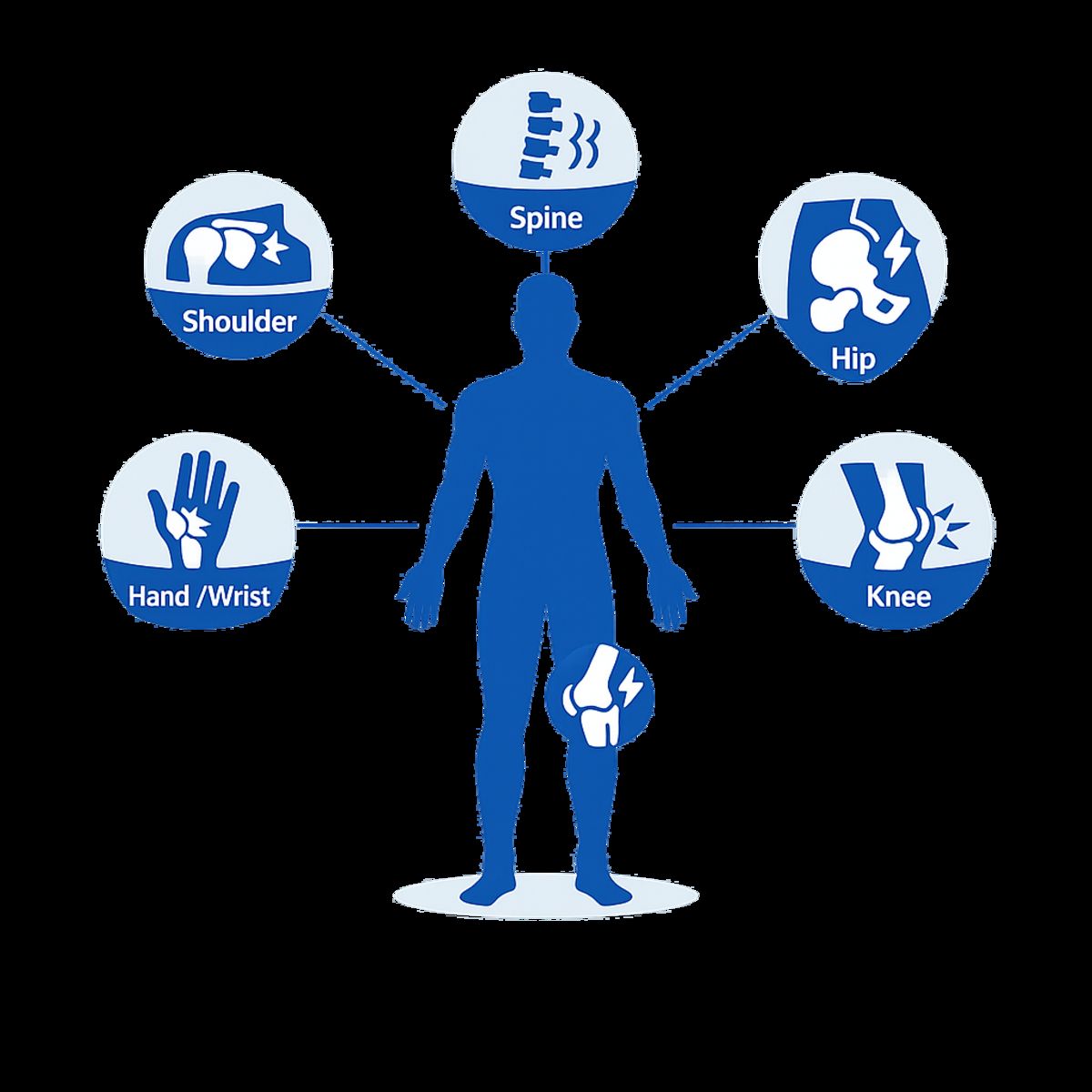
They commonly treat injuries and conditions involving the knees, hips, shoulders, hands, feet, back, neck, and other parts of the body that support movement. In the rest of this article, you will learn the kinds of conditions orthopedic doctors manage, the treatments they use, and when it may be time to see one.
What Is Orthopedic Care?
Orthopedic care is the area of medicine focused on the musculoskeletal system, which includes the bones, joints, cartilage, ligaments, tendons, muscles, and spine. These structures work together to help you move, stay balanced, and perform everyday activities. When one part is injured or not working well, it can affect nearby tissues too, which is why symptoms like pain, stiffness, weakness, swelling, or instability often overlap.
Orthopedic medicine covers a wide range of concerns, from sports injuries and arthritis to back discomfort, fractures, tendon problems, and joint pain. A patient may visit orthopedic clinics for an evaluation of knee pain, shoulder instability, hip stiffness, hand numbness, or ongoing neck and spine issues. The goal is to identify the source of the problem and recommend the right treatment, whether that means activity changes, medication, bracing, injections, rehabilitation, or surgery when appropriate. If you are looking for comprehensive orthopedic care at West Medical, this type of evaluation is often the first step.
The body systems orthopedic doctors treat
Orthopedic doctors treat conditions affecting the body’s support and movement system. That includes bones that can break or weaken, joints that can become inflamed or worn down, cartilage that cushions movement, ligaments that stabilize joints, tendons that connect muscle to bone, and muscles that help create motion. The spine is also a major part of orthopedic care because back and neck symptoms can involve discs, joints, nerves, and surrounding soft tissues. For example, knee pain may involve cartilage, ligaments, and muscle weakness at the same time, just as shoulder pain may come with instability or limited range of motion.
Orthopedic doctor vs orthopedic surgeon
Not every orthopedic doctor performs surgery as the first or only treatment. In general, orthopedic physicians evaluate musculoskeletal problems, make diagnoses, review imaging, and guide conservative care when possible. An orthopedic surgeon has specialized training to perform operations, but surgery is usually considered only when non-surgical treatment is not enough or when the injury clearly requires it, such as certain fractures or severe joint damage. This means a visit to an orthopedic specialist does not automatically mean you will need an operation.
Who may be involved in your care
Orthopedic care is often team-based. Depending on your needs, your care team may include an orthopedic nurse, physician assistant, imaging specialists, and physical therapy or rehabilitation professionals. Together, they help with education, testing, treatment planning, recovery support, and follow-up. This coordinated approach helps patients understand their condition and move forward with a plan that fits their symptoms, goals, and daily life.

What Conditions Do Orthopedic Doctors Treat?
Orthopedic doctors evaluate a wide range of problems affecting bones, joints, muscles, ligaments, tendons, and the spine. Some concerns start with a sudden injury, while others develop gradually through repetitive motion, aging, sports participation, or everyday wear and tear. In general, orthopedic care focuses on identifying the source of pain, stiffness, weakness, instability, or reduced mobility and then recommending the most appropriate next steps.
Many conditions can be grouped by body area or by the type of issue involved. This makes it easier to recognize when symptoms may benefit from an orthopedic evaluation, especially if they are limiting daily activity, exercise, work tasks, or sleep.
Acute injuries and sudden pain
Orthopedic specialists commonly assess acute injuries such as fractures, dislocations, sprains, strains, and ligament tears. These problems often happen after falls, collisions, twisting motions, or sports activity. A sports orthopedic physician may also evaluate ACL injuries, meniscus tears, shoulder instability, rotator cuff injuries, and ankle sprains that occur during training or competition. Other examples include runner’s knee, tennis elbow, and overuse injuries that begin as mild irritation but interfere with performance over time.
Joint-specific symptoms can also guide where to seek care. For example, ongoing shoulder pain, weakness, or limited range of motion may lead someone to explore shoulder orthopedic care for joint pain, while swelling, catching, or discomfort with walking and stairs may point to knee orthopedic care for mobility issues.
Chronic pain and degenerative conditions
Not all orthopedic conditions begin with a single event. Many people seek care for chronic pain that builds gradually. Common examples include osteoarthritis, bursitis, tendonitis, repetitive strain injuries, and joint degeneration that affects comfort and movement over time. Orthopedic doctors also evaluate carpal tunnel syndrome, tendon wear in the shoulder or elbow, hip pain related to joint changes, and foot or ankle pain linked to alignment or overuse.
These issues often show up as stiffness in the morning, pain with activity, swelling after use, reduced grip strength, or difficulty bending, lifting, reaching, or walking comfortably. Even when symptoms seem manageable at first, persistent limitations in function or quality of life are common reasons to schedule an evaluation.
Spine, neck, and back-related concerns
Orthopedic care can also include the spine. A back specialist orthopedic physician may evaluate ongoing back and neck pain, posture-related discomfort, scoliosis, or symptoms that radiate into the shoulders, arms, hips, or legs. In some cases, a spine orthopedic surgeon may be involved when persistent spinal issues need more detailed assessment, especially if pain is associated with numbness, tingling, weakness, or changes in mobility.
Examples of spine-related conditions that may be reviewed include herniated discs, degenerative changes, and other structural concerns affecting the neck or back. While symptoms alone do not confirm a diagnosis, persistent or recurring pain, reduced flexibility, or nerve-like symptoms are all reasons many patients consider orthopedic evaluation.
How Orthopedic Doctors Diagnose and Treat Problems

Orthopedic care usually follows a clear step-by-step process designed to identify the source of pain, stiffness, weakness, or instability before deciding on treatment. Rather than jumping straight to a procedure, orthopedic doctors typically begin by learning how symptoms started, how they affect daily activities, and what has or has not helped so far. This evidence-based approach helps match the treatment plan to the specific joint, bone, muscle, tendon, or ligament problem involved.
Step 1: Evaluation and diagnosis
The first visit often starts with a medical history and symptom review. A doctor may ask when the problem began, whether it followed an injury, what movements make it worse, and whether there is swelling, numbness, locking, or giving way. They also look at overall health, past injuries, activity level, and any previous treatments. After that, the physical exam helps narrow down the cause. This may include checking range of motion, strength, balance, alignment, tenderness, and joint stability, along with watching how the patient walks, stands, reaches, or bends.
If more detail is needed, imaging or other tests may be recommended. X-rays can show fractures, arthritis, or alignment issues. MRI may be used to evaluate soft tissues such as cartilage, ligaments, tendons, or discs. CT scans, ultrasound, or lab work may also be appropriate in certain cases. These tools support the diagnosis, but they are usually considered alongside the history and exam rather than used alone.
Step 2: Nonsurgical treatment options
Many orthopedic problems can be managed without surgery, especially in the early stages or when symptoms are mild to moderate. Conservative treatment may include medication guidance to reduce pain or inflammation, bracing or supportive devices, physical therapy to improve strength and movement, and activity modification to avoid aggravating the area while healing. In some situations, injections may be considered to help with inflammation or pain control as part of a broader treatment plan.
This phase is often focused on improving function and helping patients return to daily routines as safely as possible. Progress is usually monitored over time, and the plan may be adjusted based on how symptoms respond. Starting with nonsurgical care does not mean the condition is being minimized. It means treatment is being tailored to the diagnosis, symptom severity, and the patient’s goals.
Step 3: When orthopedic surgery may be considered
Orthopedic surgery is one option among many and is generally considered when there is significant structural damage, ongoing instability, nerve compression, advanced joint wear, or symptoms that do not improve with appropriate conservative care. The recommendation depends on the individual evaluation, imaging findings, overall health, and functional needs. When surgery is discussed, the goal is usually to explain why it may help, what alternatives exist, and what recovery may involve so patients can make informed decisions about their care.
How to Know When to See an Orthopedic Doctor
It can be hard to tell whether a sore joint or lingering ache just needs time or whether it makes sense to get specialist input. In general, it may be worth scheduling an orthopedic visit if symptoms are ongoing, keep coming back, or start interfering with daily life, exercise, work, or sleep. If you want to learn about orthopedic evaluation and treatment, a specialist can help assess bones, joints, muscles, ligaments, and tendons and discuss next steps.
Signs it may be time to schedule an evaluation
Consider making an appointment if you notice:
- Joint or muscle pain that does not improve as expected
- Swelling, stiffness, or reduced range of motion
- Weakness, numbness, or a feeling that a joint is unstable
- Pain that makes walking, lifting, reaching, or exercise more difficult
- Symptoms that keep returning even after rest or home care
A primary care doctor may also recommend orthopedics when symptoms are persistent, imaging needs review, or a more focused musculoskeletal evaluation would be helpful.
After an injury or recurring sports problem
If pain starts after a fall, twist, collision, or other trauma, an orthopedic evaluation may be appropriate when symptoms continue, movement feels limited, or the joint seems to give way. Repeated sprains, recurring shoulder or knee pain, and sports-related discomfort that returns with activity can also be reasons to seek a specialist’s opinion.
How to prepare for your visit
To make the appointment more productive, bring notes on when symptoms started, what makes them better or worse, any prior imaging or treatment records, and a current medication list. It can also help to write down questions about treatment options, activity limits, and what recovery may involve.

Orthopedic Doctors vs Other Specialists
If you have joint pain, back pain, a sports injury, numbness, or ongoing stiffness, it can be hard to know which type of doctor to see first. Orthopedic care focuses on the bones, joints, muscles, ligaments, tendons, and related structures that help your body move. Other specialists may also play an important role, depending on whether the problem seems structural, inflammatory, nerve-related, or part of a broader health issue.
Orthopedics vs primary care
Primary care is often a practical first stop for mild or new symptoms. A general doctor can evaluate common strains, minor sprains, early arthritis symptoms, or aches that may improve with rest, medication, or basic imaging. They can also help rule out non-musculoskeletal causes of pain.
Orthopedics may make more sense when pain follows an injury, limits movement, keeps coming back, or does not improve with initial treatment. Orthopedic specialists are trained to assess problems such as fractures, torn ligaments, cartilage injuries, joint damage, and other conditions affecting movement and function.
Orthopedics vs rheumatology, neurology, and physical therapy
Rheumatologists typically focus on inflammatory and autoimmune conditions, such as rheumatoid arthritis or lupus, that can affect joints and connective tissues. Neurologists focus on the brain, spinal cord, and nerves, so they may be the right fit when symptoms involve nerve pain, weakness, tingling, or coordination problems.
Physical therapists are not a replacement for orthopedic evaluation, but they are often a key part of treatment. They help improve strength, flexibility, balance, and recovery after injury or surgery. In many cases, care works best when these professionals complement one another, with each addressing a different part of the problem.
Common Treatments Orthopedic Doctors May Recommend
Orthopedic treatment plans are tailored to the diagnosis, symptom severity, activity level, and overall health of the patient. Depending on the condition, care may begin with conservative options and progress only if needed. Patients can explore orthopedic treatment options at West Medical as part of understanding the range of care that may be considered.
Nonsurgical treatment options
Many orthopedic concerns are first managed without surgery. Common recommendations may include physical therapy, guided exercise modification, braces or supports, and medication guidance to help manage inflammation or discomfort. In some cases, doctors may also discuss injections or minimally invasive procedures to address pain sources or improve function. These approaches are often used to support mobility, reduce strain on injured tissues, and help patients return to daily activities as safely as possible.
When surgery may be part of the plan
Orthopedic surgery may be recommended when a structural problem is unlikely to improve with conservative care alone, or when the severity of an injury requires more direct repair. Depending on the issue, this can range from minimally invasive techniques to more involved procedures. Surgery is typically considered alongside imaging findings, symptoms, goals, and overall health. Results vary, and no treatment approach can guarantee pain relief or a specific recovery timeline.

Frequently Asked Questions
Do orthopedic doctors only perform surgery?
No. Many orthopedic doctors diagnose musculoskeletal problems and start with non-surgical treatment such as physical therapy, bracing, medication, activity changes, or injections. Surgery is only one part of orthopedic care, and it is usually considered when conservative treatment does not relieve symptoms or when an injury clearly requires repair.
What body parts do orthopedic doctors treat?
Orthopedic doctors treat the musculoskeletal system, including bones, joints, muscles, tendons, ligaments, and sometimes the spine. Common areas include the shoulders, elbows, wrists, hands, hips, knees, ankles, feet, neck, and back. They also evaluate fractures, arthritis, tendon injuries, joint instability, and overuse conditions.
When should I see an orthopedic surgeon instead of a general doctor?
You may need an orthopedic surgeon when pain persists, movement is limited, a joint feels unstable, or there is concern for a structural injury such as a torn ligament, tendon damage, or a fracture. A general doctor may also refer you after an initial evaluation if symptoms are not improving or imaging suggests a specialized problem.
Can orthopedic doctors help with sports injuries?
Yes. Orthopedic doctors commonly evaluate sports injuries such as sprains, strains, ligament tears, tendon problems, cartilage injuries, and overuse conditions. They can help confirm the diagnosis, guide treatment, recommend rehabilitation, and advise when it is safe to return to exercise, training, or competition.
Do orthopedic doctors treat back and neck pain?
Sometimes. Some orthopedic specialists focus on spine-related conditions and evaluate back or neck pain caused by issues such as disc problems, arthritis, spinal stenosis, or structural changes. Not all back or neck pain is orthopedic in origin, so the right specialist depends on the cause, severity, and how long symptoms have lasted.
When You’re Ready to Take the Next Step
If pain, stiffness, limited mobility, or recurring injuries are making daily activities harder, it may be time to request a professional evaluation. An orthopedic consultation can help you better understand what may be contributing to your symptoms and what treatment options may be appropriate based on your needs and medical assessment.
At West Medical, your visit can focus on an individualized review of your concerns, movement limitations, and health history so you can discuss next steps with greater clarity and confidence.
Key Takeaways About Orthopedic Doctors
Orthopedic doctors diagnose and treat problems affecting bones, joints, muscles, ligaments, and tendons. They help evaluate symptoms, identify the cause of pain or limited movement, and recommend care based on the condition and its severity. Treatment may include nonsurgical options like rest, physical therapy, medication, or injections, while surgery is considered when it is the most appropriate next step.
A clearer understanding of orthopedic care
In short, an orthopedic doctor focuses on musculoskeletal health and works to relieve pain, restore function, and support recovery. If symptoms are persistent or getting worse, a professional evaluation can help you move forward with more clarity and confidence.