


If you are comparing gastric bypass vs gastric sleeve, you are asking one of the most common questions in bariatric care. Both procedures are established weight loss surgeries performed under clinical supervision, but they work in different ways and may suit different health needs. This overview is designed to give you a balanced, practical starting point without oversimplifying a decision that should always involve a full medical evaluation.
In general, gastric bypass changes both stomach size and how food moves through part of the digestive system, while gastric sleeve reduces stomach size without rerouting the intestines. Those differences can affect recovery, eating patterns, risk profile, and how each procedure fits a person’s medical history. Because individual outcomes vary, no single option is automatically “better” for everyone, and candidacy depends on overall health status, goals, and surgeon assessment.
This article will compare how each procedure works, the potential benefits and risks, recovery expectations, and common cost factors. It will also help you understand the kinds of questions to discuss with a surgeon so you can approach the decision with clearer expectations and medically responsible guidance.
What this comparison will cover
- How gastric bypass and gastric sleeve procedures work
- Key benefits and limitations of each option
- Risks, side effects, and recovery considerations
- Cost-related factors that may influence planning
- How to discuss the right choice with a qualified surgeon
What Is Gastric Bypass?
Gastric bypass is a type of bariatric surgery that helps with weight loss by making the stomach smaller and changing the path food takes through part of the digestive system. In simple terms, the surgeon creates a small stomach pouch, then connects that pouch to a lower section of the small intestine. Because of this, patients usually feel full with much smaller portions, and the body may absorb fewer calories from food than it did before surgery.
This procedure does more than just limit how much someone can eat. By rerouting part of the small intestine, gastric bypass can also affect hunger signals, blood sugar response, and other metabolic processes. That is one reason it is often discussed as more than a restrictive-only procedure. It is different from surgeries that simply reduce stomach size without changing digestion, and it is also different from gastric resection in broader surgical contexts.
For patients researching weight loss surgery options with West Medical, it helps to think of gastric bypass as a procedure that changes both portion size and how the body processes food. That combination is part of what sets it apart and is why it is often compared with sleeve gastrectomy later in the decision-making process.
How the procedure works
After the small stomach pouch is created, food bypasses the larger remaining part of the stomach and part of the upper small intestine. The rest of the digestive system still works, but the route is shorter. In practical terms, this can mean earlier fullness, smaller meals, and changes in nutrient and calorie absorption. Because digestion is altered, patients usually need careful follow-up, nutrition guidance, and vitamin supplementation as recommended by their care team.
Why some patients consider it
Some people discuss gastric bypass with a surgeon because they have significant weight-loss goals or obesity-related health concerns. Others may be looking for a procedure with both restrictive and metabolic effects. Still, candidacy is never one-size-fits-all. A full medical evaluation, discussion of risks and benefits, and commitment to long-term follow-up care all play an important role in deciding whether this procedure is appropriate.

What Is Gastric Sleeve Surgery?
Gastric sleeve surgery, also called sleeve gastrectomy, is a type of bariatric procedure that reduces the size of the stomach. In simple terms, a portion of the stomach is removed so the remaining stomach forms a smaller, sleeve-shaped pouch. Because the stomach holds less food, many patients feel full sooner and may find portion control easier as part of a medically supervised weight loss plan.
A key point is that sleeve gastrectomy changes the stomach itself, but it does not reroute the intestines. Food continues to move through the digestive tract along the normal intestinal pathway. That makes it different from gastric bypass, which involves both creating a smaller stomach pouch and changing how food travels through part of the digestive system.
People comparing gastric bypass often also research terms like weight loss surgery sleeve surgery and sleeve bariatric surgery. If you are exploring gastric sleeve surgery at West Medical, it may be one of several options discussed during consultation. Which procedure is appropriate depends on individual health history, goals, and a full medical evaluation rather than a one-size-fits-all approach.
How sleeve gastrectomy works
By making the stomach smaller, sleeve gastrectomy limits how much food can be eaten at one time. Patients often describe feeling satisfied with smaller meals. While the procedure changes stomach capacity, it does not create a new route for digestion, so food still passes from the stomach into the small intestine in the usual way.
How it differs from bypass at a high level
At a high level, the main difference is anatomy. Sleeve gastrectomy reduces stomach size only, while bypass reduces stomach size and reroutes part of the digestive tract. Because of that distinction, the procedures may differ in how they are explained during consultation, what follow-up considerations are reviewed, and which patients may be candidates after medical assessment.

Gastric Bypass vs Sleeve: The Biggest Differences
When comparing gastric bypass vs sleeve, the biggest differences usually come down to how the anatomy is changed, how digestion works afterward, and how much long-term follow-up is needed. Both procedures are designed to support weight loss and improve obesity-related health concerns, but they do so in different ways. For readers searching for the difference between gastric bypass and sleeve, it helps to think about the comparison in three categories: anatomy, daily lifestyle, and ongoing nutritional care.
How the anatomy changes differ
A gastric sleeve vs bypass comparison starts with the stomach and intestines. In sleeve gastrectomy, a large portion of the stomach is removed, leaving a smaller, tube-shaped stomach. Food still follows the usual digestive pathway through the stomach and then into the intestines. The main effect is restrictive: patients feel full with much smaller portions.
In gastric bypass, the stomach is made smaller and part of the small intestine is rerouted. That means the procedure combines restriction with a degree of malabsorption in broad terms. Because food bypasses part of the digestive tract, the digestive process changes more than it does with sleeve surgery. This is one of the clearest differences people mean when they ask to compare gastric bypass and sleeve.
- Sleeve: smaller stomach, no intestinal rerouting, digestion follows the usual path.
- Bypass: smaller stomach plus intestinal rerouting, digestion is altered more significantly.
- Complexity: gastric bypass is generally considered more complex because it changes more of the digestive system.
How daily eating and supplements may differ
Both surgeries require major eating habit changes, including smaller meals, slower eating, careful hydration, and prioritizing protein. However, gastric bypass sleeve recovery and long-term routines may differ in intensity. After sleeve surgery, patients still need structured nutrition and vitamin guidance, but because the intestines are not rerouted, the nutritional follow-up pattern may be somewhat more straightforward for some people.
With gastric bypass, long-term vitamin and mineral monitoring is especially important because digestive absorption is changed. Clinicians often watch closely for nutrient deficiencies and adjust supplements over time. Some patients also notice different food tolerances after bypass compared with sleeve, which is one reason follow-up visits matter so much for both procedures.
- Portion sizes: both procedures lead to much smaller meals.
- Digestive changes: bypass usually creates more noticeable digestive changes than sleeve.
- Supplements: both require supplements, but bypass often involves more intensive long-term monitoring.
- Follow-up: both benefit from ongoing clinical support, lab work, and individualized nutrition guidance.
Why one option may be discussed over another
When surgeons compare gastric bypass vs sleeve with a patient, the conversation is rarely one-size-fits-all. Reflux history, metabolic conditions, prior abdominal surgery, current medications, and overall health can all influence which procedure gets more discussion. In some cases, one option may appear better suited based on symptoms or health goals, but candidacy decisions are individualized and should be made with a qualified bariatric team.
It is also worth noting that comparisons involving lap band surgery are a little different. A lap band procedure works through an adjustable device rather than stomach removal or intestinal rerouting, so a lap band vs sleeve or bypass discussion raises different questions about anatomy and long-term management. For patients exploring revision pathways, you can review lap band revision surgery options here.
In short, the biggest difference between gastric bypass and sleeve is that sleeve primarily reduces stomach size, while bypass changes both stomach size and the route food takes through the digestive system. That difference can affect recovery, eating patterns, supplement needs, and the kind of long-term follow-up a patient may need.
Potential Benefits of Each Procedure

Both gastric bypass and sleeve gastrectomy can be effective tools within a broader weight-loss treatment plan, but the potential advantages of each procedure are not identical. The benefits a patient may experience often depend on overall health, eating patterns, activity level, long-term follow-up, and how well the care plan fits individual needs. For that reason, discussions about surgery should stay balanced and realistic, including conversations about before and after weight loss expectations.
Benefits often associated with gastric bypass
Gastric bypass is often discussed as a procedure that may offer strong weight-loss support for some patients, particularly when paired with structured follow-up care. It is also commonly noted for metabolic effects that can be meaningful in certain cases, especially when obesity is linked with other health concerns. Some patients and clinicians consider bypass when they are looking for a procedure with a long clinical history and a well-established role in bariatric treatment. Still, bypass outcomes vary, and it is not automatically the best fit for every person.
Benefits often associated with sleeve gastrectomy
Sleeve gastrectomy is often associated with a simpler digestive pathway because it does not involve intestinal rerouting. That difference may appeal to patients who prefer a more straightforward anatomy after surgery. Sleeve surgery is also commonly viewed as an effective option for weight-loss support when combined with lifestyle changes and ongoing medical guidance. As with bypass, gastric sleeve surgery results can vary widely from one patient to another. In many cases, the most important benefit is not choosing the “better” procedure in general, but choosing the procedure that best matches a patient’s health status, priorities, and long-term commitment to care.
Recovery, Risks, and Long-Term Follow-Up
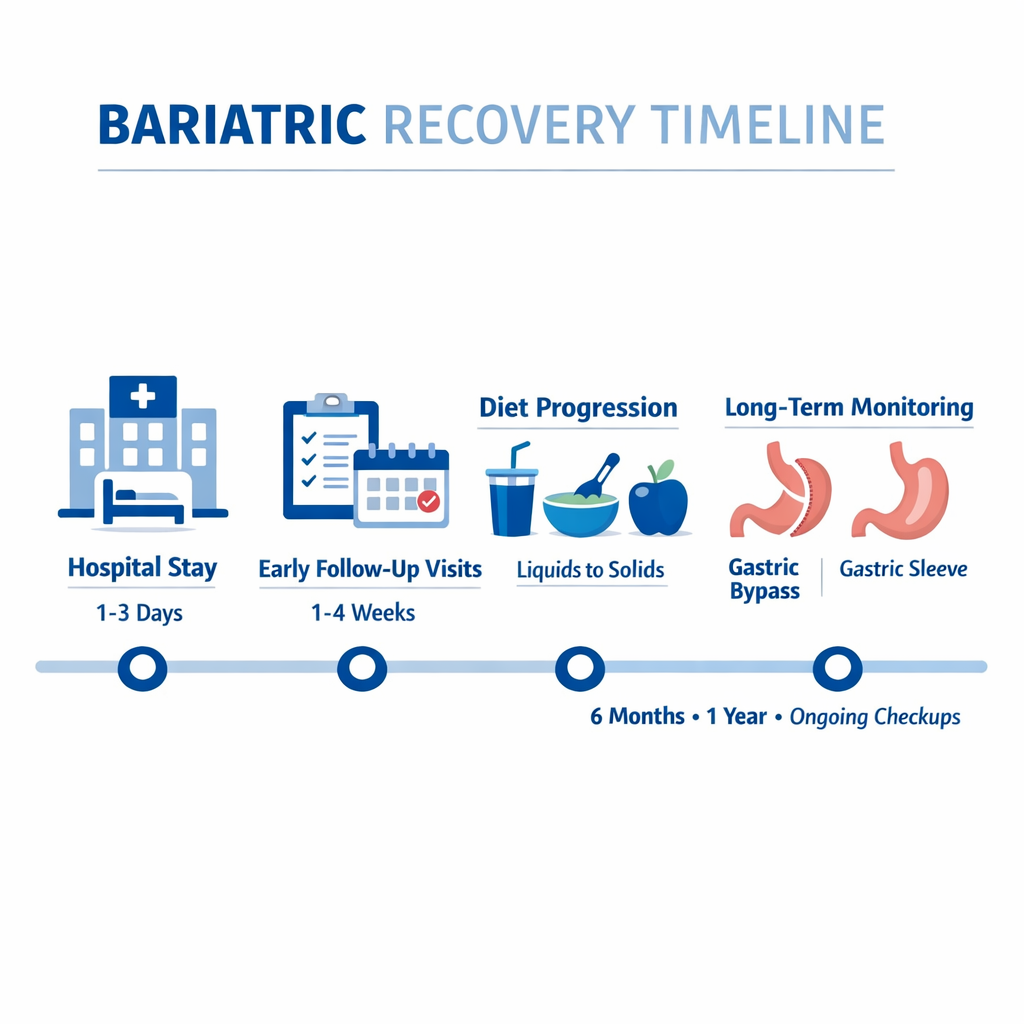
Recovery after bariatric surgery is a process, and the experience can vary from person to person. In general, gastric bypass sleeve recovery includes a gradual return to daily routines, a staged diet progression, regular hydration, light movement, and scheduled follow-up visits. Most patients are guided from liquids to soft foods and then to more regular textures over time, based on their surgeon’s and dietitian’s instructions. Following the care plan closely can support healing and help patients adjust safely to new eating habits.
During the first weeks, it is common to focus on small sips of fluid, protein goals, walking, rest, and learning how your body responds to meals. Activity is usually increased gradually rather than all at once. Patients are typically advised to avoid heavy lifting until cleared by their care team and to contact their provider if they have questions about symptoms, hydration, or tolerance of foods. Because each person’s health status is different, recovery timelines and comfort levels are not exactly the same for everyone.
What recovery may look like in the first weeks
Early recovery often centers on consistency and patience. The care team may provide detailed guidance on meal stages, portion sizes, vitamin use, fluid intake, and safe activity. Many patients also benefit from keeping follow-up appointments so their team can review progress, answer questions, and make adjustments when needed. These visits are an important part of care, not an optional extra.
Why long-term follow-up matters
No bariatric procedure is risk-free, and it is important to discuss benefits and risks with an experienced surgeon. Possible concerns can include nutritional deficiencies, reflux considerations, dumping syndrome after gastric bypass, and the need for lifelong supplements where appropriate. Procedures are performed by experienced surgeons, but outcomes still depend on individual health factors, medical history, and how closely a patient follows nutrition, activity, and follow-up recommendations.
Long-term follow-up helps support lasting results and overall health. Ongoing appointments may include nutrition counseling, behavior support, weight monitoring, and lab work to check vitamin, mineral, and protein levels over time. This long-term monitoring can help identify issues early and guide changes in supplements or diet if needed. Bariatric surgery is best understood as a long-term commitment that works alongside continued medical care and healthy habits.
Cost Factors to Consider
The total cost of gastric bypass or sleeve surgery can vary based on several factors, so it is important not to rely on general estimates alone. Common variables include the type of procedure, the surgeon’s experience, facility and hospital fees, anesthesia, pre-operative testing, and the follow-up care included in your treatment plan. In some cases, nutritional counseling, lab work, or additional medical evaluations may also affect overall out-of-pocket responsibility.
What can affect total cost
Insurance coverage can also make a significant difference, but benefits vary by plan, medical necessity requirements, and patient eligibility criteria. If you are exploring Medi-Cal, West Medical accepts AltaMed Medi-Cal, and coverage depends on the specific AltaMed plan and the patient’s eligibility criteria. Because coverage details and treatment needs differ from person to person, the most reliable way to understand expected costs is to request a personalized consultation and benefits review.
If you want a broader look at cost factors for bariatric procedures, comparing related treatment considerations can help you prepare better questions for your provider and insurer.
How to Talk With a Surgeon About the Right Option
When you are deciding between procedures, your consultation is the best time to turn general research into a clear plan. You can prepare by bringing a short list of questions and asking how your health history, goals, and daily habits may affect the discussion. If you are still comparing options, ask whether gastric bypass or sleeve gastrectomy may be a better fit for your situation and why. If you want to learn about gastric sleeve surgery, it can also help to review the basics before your visit so your questions are more specific.
Questions to bring to your consultation
- How do my BMI, overall health, and weight-loss goals affect the options we discuss?
- Does my history of reflux, diabetes, or prior abdominal surgery matter here?
- What risks, recovery timeline, and support at home should I plan for?
- What vitamin or supplement needs should I expect long term?
- How often will follow-up visits be needed after surgery?
Factors that may shape the discussion
Your surgeon may ask about eating patterns, lifestyle, medical conditions, previous operations, and your readiness for long-term follow-up. Some readers who have seen the term gastric resection may also want to confirm exactly which procedure is being discussed, since wording can be confusing. Final recommendations depend on a full medical evaluation, so use the visit to get clarity, not to self-diagnose.
Frequently Asked Questions About Gastric Bypass
What is the main difference between gastric bypass and sleeve gastrectomy?
The main difference is that gastric bypass changes both the stomach and the digestive pathway, while sleeve gastrectomy mainly reduces stomach size. In gastric bypass, the surgeon creates a small stomach pouch and reroutes part of the small intestine. In a sleeve procedure, a large portion of the stomach is removed, but the intestines are not rerouted.
Is gastric bypass better than gastric sleeve surgery?
Neither procedure is automatically better for everyone. The right option depends on factors such as your medical history, eating patterns, reflux symptoms, weight-loss goals, and how your surgical team evaluates your overall health. A bariatric specialist can explain which approach may fit your needs more appropriately.
How long does gastric bypass sleeve recovery usually take?
Recovery varies from person to person and depends on the procedure performed, your general health, and how healing progresses. Early recovery often focuses on rest, walking, hydration, and a staged diet, while longer-term recovery includes adjusting to new eating habits and follow-up care. Your surgeon will give guidance based on your specific case rather than a one-size-fits-all timeline.
Can gastric bypass or sleeve surgery guarantee weight loss?
No, neither gastric bypass nor sleeve surgery can guarantee weight loss. Results can vary based on the procedure, underlying health conditions, nutrition, activity, and how closely follow-up recommendations are followed. These surgeries are tools that work best as part of a long-term treatment plan.
How do I know if I may be eligible for bariatric surgery?
Eligibility is usually based on a combination of body mass index, weight-related health conditions, previous treatment efforts, and a full medical evaluation. Your care team may also review nutritional, psychological, and lifestyle factors before recommending surgery. The best way to find out is through a formal consultation with a qualified bariatric provider.
Take the Next Step With Expert Guidance
Choosing between gastric bypass and sleeve surgery is a personal medical decision that should be made with expert guidance and a clear understanding of your health history, goals, and treatment options. A consultation can help you discuss candidacy, potential risks, expected lifestyle changes, and the next steps in care based on your individual needs.
If you are ready to move from research to a one-on-one conversation, our team can provide the personalized evaluation and support you need to make an informed decision.
Final Thoughts on Gastric Bypass vs Gastric Sleeve
When comparing gastric bypass vs gastric sleeve, it helps to remember that both procedures can be effective tools when they are matched to the right patient and supported by long-term follow-up. Each option has distinct benefits, considerations, and lifestyle implications, so the best choice is rarely one-size-fits-all.
A decision best made with medical guidance
Your medical history, weight-loss goals, and overall health all play an important role in determining the most appropriate path. With realistic expectations and guidance from an experienced surgeon, you can make an informed decision with greater confidence. Keep learning, ask questions, and seek a professional evaluation to find the approach that best supports your long-term success.