
Sleeve gastrectomy is a bariatric procedure that reduces the size of the stomach to help support weight management in people who may be living with obesity or obesity-related health concerns. It is typically considered as part of a broader medical plan, not as a quick fix, and whether it is appropriate depends on a full clinical evaluation, overall health status, and a person’s readiness for long-term nutrition, activity, and follow-up changes.
If you are researching sleeve gastrectomy, this guide is designed to answer the core questions clearly and carefully. Outcomes can vary from person to person, and no procedure is suitable for everyone, so it is important to approach the decision with realistic expectations and professional medical advice. A qualified bariatric team can help assess potential benefits, possible risks, and whether this option aligns with your health needs and treatment goals.
Below, you will find a practical overview of how the procedure works, who may be a candidate, what recovery may involve, how results are typically evaluated, how sleeve gastrectomy compares with other bariatric options, and what next steps to discuss during a consultation.
What this guide covers
- Procedure basics and how sleeve gastrectomy changes stomach size
- Potential benefits, limitations, and important risks to understand
- Recovery, follow-up care, and long-term lifestyle considerations
- How results are reviewed over time and why they differ between individuals
- Comparisons with other bariatric procedures and how to prepare for next-step discussions
What Is Sleeve Gastrectomy?
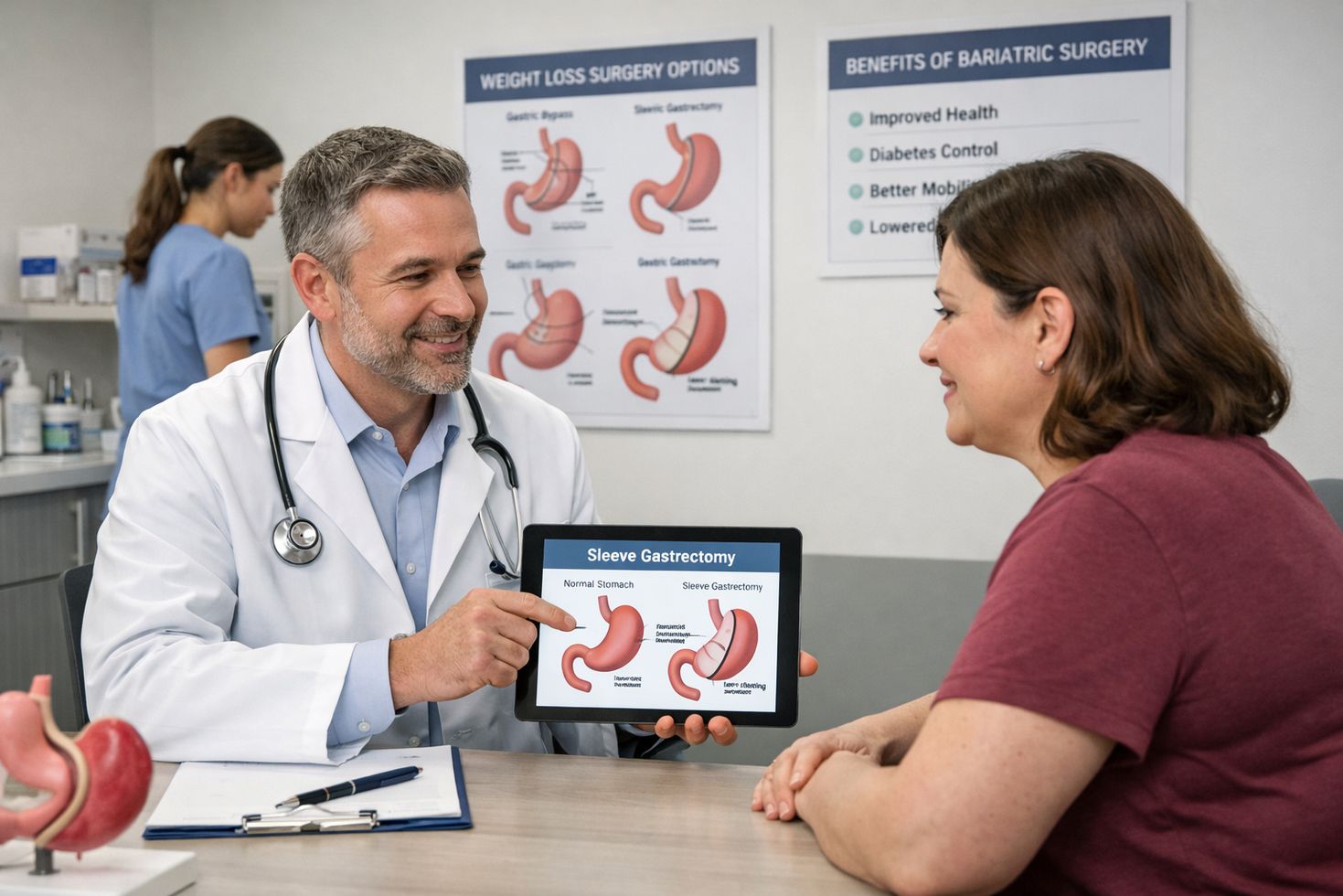
Sleeve gastrectomy, often called sleeve gastrectomy gastric sleeve surgery, is a type of bariatric procedure designed to support weight loss by making the stomach smaller. During the operation, a significant portion of the stomach is removed, leaving behind a narrow, sleeve-shaped stomach. If you want to review more gastric sleeve surgery details at West Medical, it can help to think of the procedure as changing how much food the stomach can comfortably hold rather than rerouting the digestive tract.
How the procedure changes the stomach
The main anatomical change is reduced stomach capacity. With a smaller sleeve-shaped stomach, many patients feel full sooner when eating smaller portions. This restriction-based effect can make portion control more manageable and may support long-term changes in eating habits when combined with medical guidance and lifestyle adjustments. In simple terms, the stomach has less room, so meals are typically smaller than before surgery.
Sleeve gastrectomy may also influence appetite-related hormones because the part of the stomach removed plays a role in hunger signaling. While hormone changes can be part of how the procedure works, results vary from person to person, so it is best to describe this as a possible contributing factor rather than a guaranteed effect.
Why it is considered a bariatric surgery option
Sleeve gastrectomy is considered one of several weight loss surgery options because it is intended to help people reduce food intake and support meaningful weight loss under the care of a qualified medical team. Unlike gastric bypass, it does not involve intestinal rerouting, which is an important difference in how the procedure is performed and how digestion continues afterward. That said, no single bariatric procedure is right for everyone, and the best option depends on an individual evaluation, health history, and treatment goals.
Why Patients Consider Sleeve Gastrectomy
For many people, sleeve gastrectomy becomes part of the conversation after years of trying different diets, exercise plans, or short-term programs without lasting results. The goal is not a quick fix. Instead, patients often look at this procedure as one tool within a longer-term medical plan that may help support meaningful weight loss when combined with ongoing nutrition, activity, and follow-up care. When people research gastric sleeve surgery results, they are often trying to understand whether the procedure fits their health goals, daily routines, and readiness for lifestyle change.
Potential weight loss and health support
One of the main reasons patients consider sleeve gastrectomy is the potential for significant weight reduction over time. By reducing stomach size, the procedure can support portion control and may help some patients feel satisfied with smaller meals. That said, results vary, and long-term success usually depends on consistent habits, regular medical monitoring, and a realistic understanding of the process.
Some obesity-related health concerns may also improve after bariatric surgery, depending on the individual and their overall medical picture. A surgeon and care team will typically evaluate whether the procedure may help support better health markers, mobility, energy, or quality of life. It is important to view these possible changes as individualized outcomes rather than guaranteed results.
Practical reasons this option appeals to many patients
Patients also often appreciate the practical features of sleeve gastrectomy itself. It is commonly performed laparoscopically, which can support a less invasive surgical approach than open surgery in appropriate cases. In addition, the procedure does not involve intestinal bypass, which is an important decision factor for some individuals comparing bariatric options.
Another reason this path appeals to many people is the structure that comes with it. Rather than cycling through repeated short-term dieting efforts, patients may value a clinically supervised process with education, follow-up visits, and accountability. For someone seeking a more organized, medically guided approach to weight management, sleeve gastrectomy can represent a thoughtful next step to discuss with a qualified provider.
Who May Be a Candidate and What Evaluation Involves
If you are wondering whether a consultation may be appropriate, the answer usually depends on several health and lifestyle factors rather than any single number. In general, bariatric procedures are considered for people with obesity-related health concerns, a higher body mass index, and a history of trying structured weight-loss approaches without lasting success. Readiness for long-term changes also matters, including nutrition habits, follow-up care, and commitment to the recommendations that support recovery and results.
Medical eligibility for gastric sleeve surgery or another bariatric procedure can only be determined through an individual evaluation. A surgeon and care team may look at your current weight, overall health, medications, prior abdominal procedures, and conditions such as diabetes, sleep apnea, high blood pressure, or reflux. If you previously had a bariatric procedure, your doctor may also discuss lap band revision surgery treatment options when relevant. This process is meant to identify the safest and most appropriate path for your specific situation.
Common candidacy factors
Common candidacy considerations often include BMI, weight-related medical conditions, previous supervised or independent weight-loss efforts, and whether you are prepared for lasting behavior changes after surgery. That may include following dietary guidance, taking supplements if recommended, attending follow-up visits, and staying engaged with your care team. These factors are used as part of a broader clinical picture, not as a simple approval checklist.
What the preoperative workup may include
Before any procedure is recommended, the preoperative workup may include a review of your medical history, physical health, lab testing, and discussion of current symptoms and treatment goals. Many patients also complete nutrition counseling to understand eating changes before and after surgery. A psychological or mental health readiness assessment may be part of planning as well, helping the team evaluate support systems, expectations, and any factors that could affect recovery or long-term success.
In some cases, insurance coverage may be discussed, but coverage depends on your specific plan and medical eligibility. Most importantly, the evaluation process is designed to support safety and individualized care, so recommendations are tailored to the person rather than applied the same way to everyone.
How to Prepare for Recovery After Gastric Sleeve Surgery
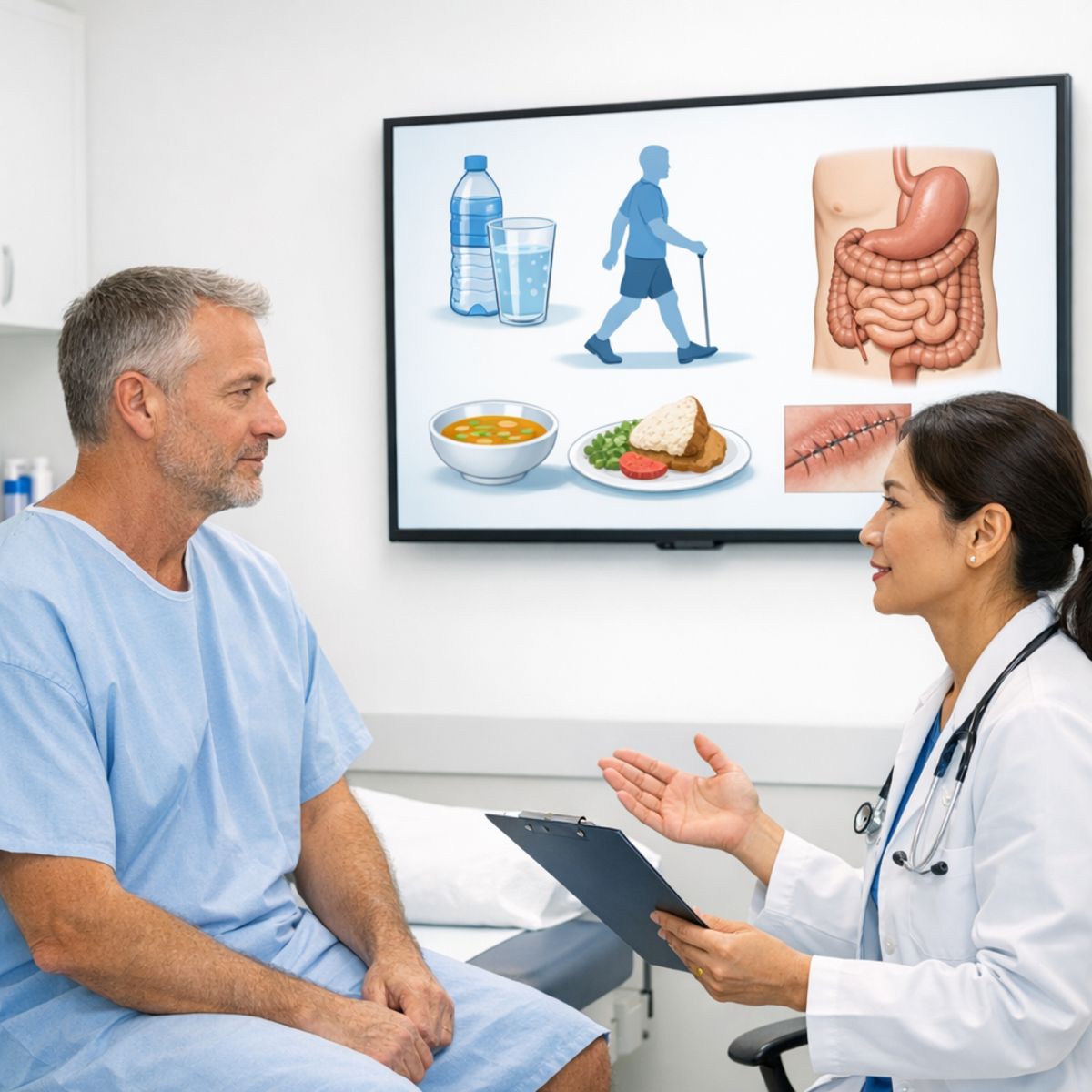
Recovery gastric sleeve surgery planning is often easier when you know the broad stages ahead of time. While every patient heals at a different pace, most people benefit from having a simple framework for the first days, the eating progression, and the habits that support long-term success. The most important rule throughout recovery is to follow your own surgeon’s and dietitian’s instructions, since their protocol should guide decisions about fluids, food, activity, and follow-up care.
Step 1: Focus on the first days after surgery
Right after surgery, your care team will usually emphasize a few priorities: getting up to walk, taking small sips of approved fluids, resting, and using pain-management guidance exactly as directed. Gentle walking can support circulation and help you ease back into movement, while hydration becomes a major focus because your stomach capacity is much smaller. Many patients are also given instructions for incision care, bathing, and what symptoms are expected versus what should prompt a call to the office.
It can help to prepare your home in advance with a place to rest, easy access to approved fluids, and a plan for help with daily tasks if needed. Keep your discharge instructions nearby and pay close attention to warning signs your team has reviewed, such as worsening pain, fever, trouble drinking, repeated vomiting, shortness of breath, or concerns about your incisions. If something feels off, contact your surgical team rather than trying to guess what is normal.
Step 2: Follow the staged eating plan
One of the biggest parts of recovery gastric sleeve surgery is adjusting to a staged diet. Many programs move patients from clear or full liquids to pureed foods and then to soft foods before a broader maintenance pattern is introduced. Exact timing varies by surgeon, so avoid comparing your plan to someone else’s online. Your team may also set goals for protein intake, hydration, meal spacing, and portion size.
As you progress, eat slowly, take very small bites when allowed to advance textures, and stop when you feel comfortably full. Rushing, overeating, or introducing foods too soon can make recovery harder. Many patients also find it useful to track fluids and protein so they can see whether they are meeting the targets recommended by their dietitian.
Step 3: Build long-term habits that support results
Recovery does not end once you are eating more normally. Long-term success after gastric sleeve surgery usually depends on consistent habits such as staying hydrated, taking prescribed vitamins or supplements, attending follow-up visits, and gradually increasing activity based on medical guidance. These appointments matter because your team can monitor healing, nutrition, tolerance of foods, and overall progress.
Behavior changes also play a major role. Planning meals, prioritizing protein, avoiding grazing, and staying engaged with your care team can all support your adjustment after surgery. Most importantly, remember that recovery experiences vary. Use general expectations to prepare, but let your own surgical team’s instructions lead the way at every stage.
Sleeve Gastrectomy vs Other Weight Loss Surgery Options
When comparing weight loss surgery sleeve surgery with other procedures, the right choice usually depends on your medical history, eating patterns, long-term goals, and your surgeon’s recommendations. Rather than thinking about one option as universally better, it helps to understand how each procedure works and what kinds of follow-up considerations may come with it.
Sleeve gastrectomy vs gastric bypass
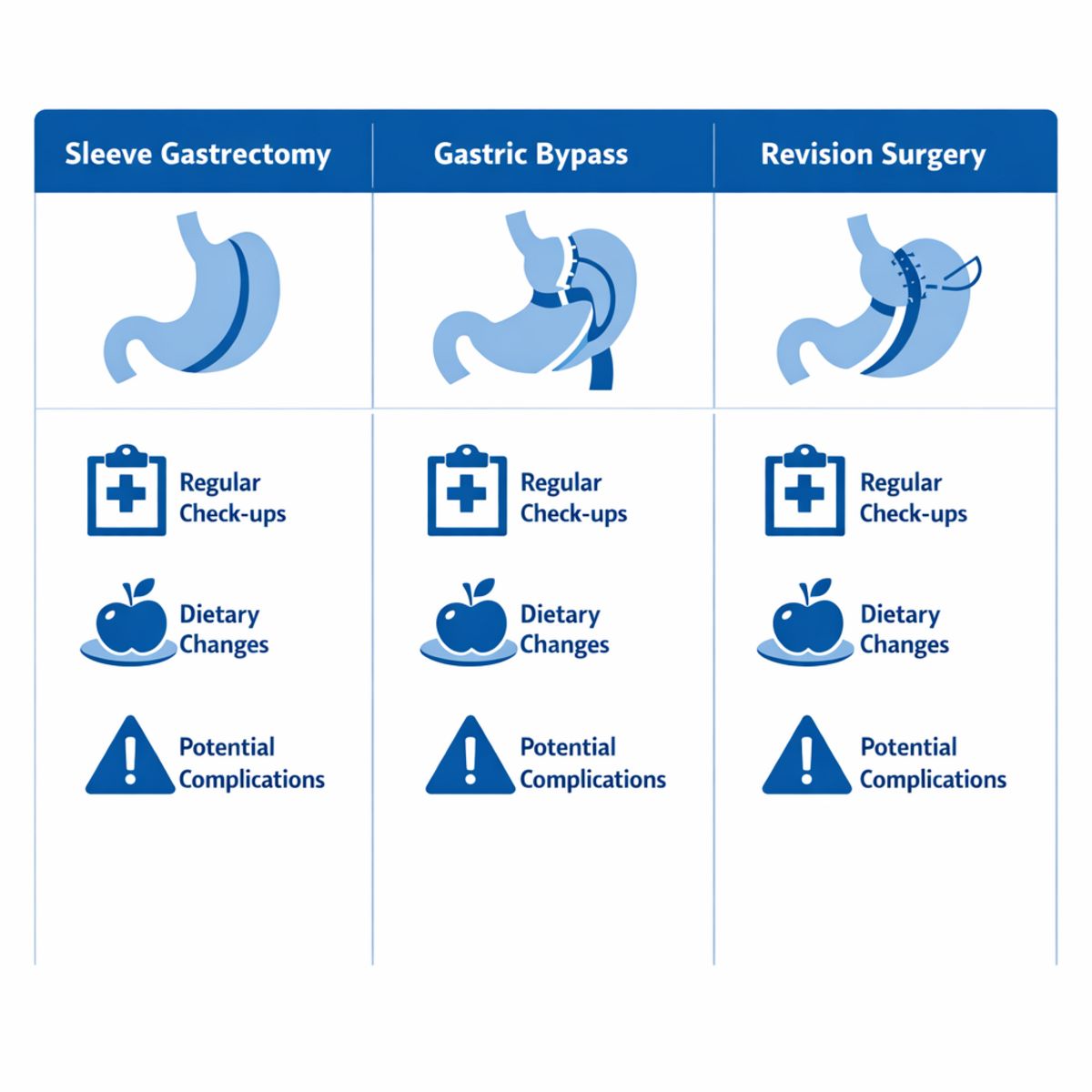
Sleeve gastrectomy and gastric bypass are both established bariatric procedures, but they change the digestive system in different ways. In a sleeve gastrectomy, a large portion of the stomach is removed, leaving a smaller, sleeve-shaped stomach. Gastric bypass also creates a smaller stomach pouch, but it additionally reroutes part of the small intestine. That difference in anatomy is one reason patients often discuss each option carefully with their care team.
Because gastric bypass involves intestinal rerouting, follow-up needs and nutritional considerations may differ from sleeve surgery. Sleeve gastrectomy does not bypass the intestines, which can make it feel more straightforward for some patients, while bypass may be recommended in certain clinical situations based on symptoms, health conditions, or prior treatment history. If you want a deeper overview, you can read more about gastric bypass benefits risks and alternatives.
For many people, the decision is less about finding a single “best” surgery and more about matching the procedure to the person. A surgeon may review factors like reflux history, previous abdominal procedures, weight-related conditions, and expected lifestyle changes before recommending one of the available weight loss surgery options with West Medical.
When revision conversations may come up
Revision procedures may be considered in select cases after a prior bariatric surgery, but they are not automatically needed and are not the right fit for everyone. These conversations may come up if a patient has had an earlier procedure, is experiencing concerns that need evaluation, or needs a fresh review of current anatomy and treatment goals.
For example, patients with a previous gastric band may discuss lap band revision surgery treatment options after a detailed assessment. The key takeaway is that revision planning is individualized. Prior surgery, current symptoms, anatomy, and overall health all help determine whether sleeve gastrectomy, gastric bypass, or a revision-related alternative makes the most sense.
Results, Risks, and Long-Term Considerations
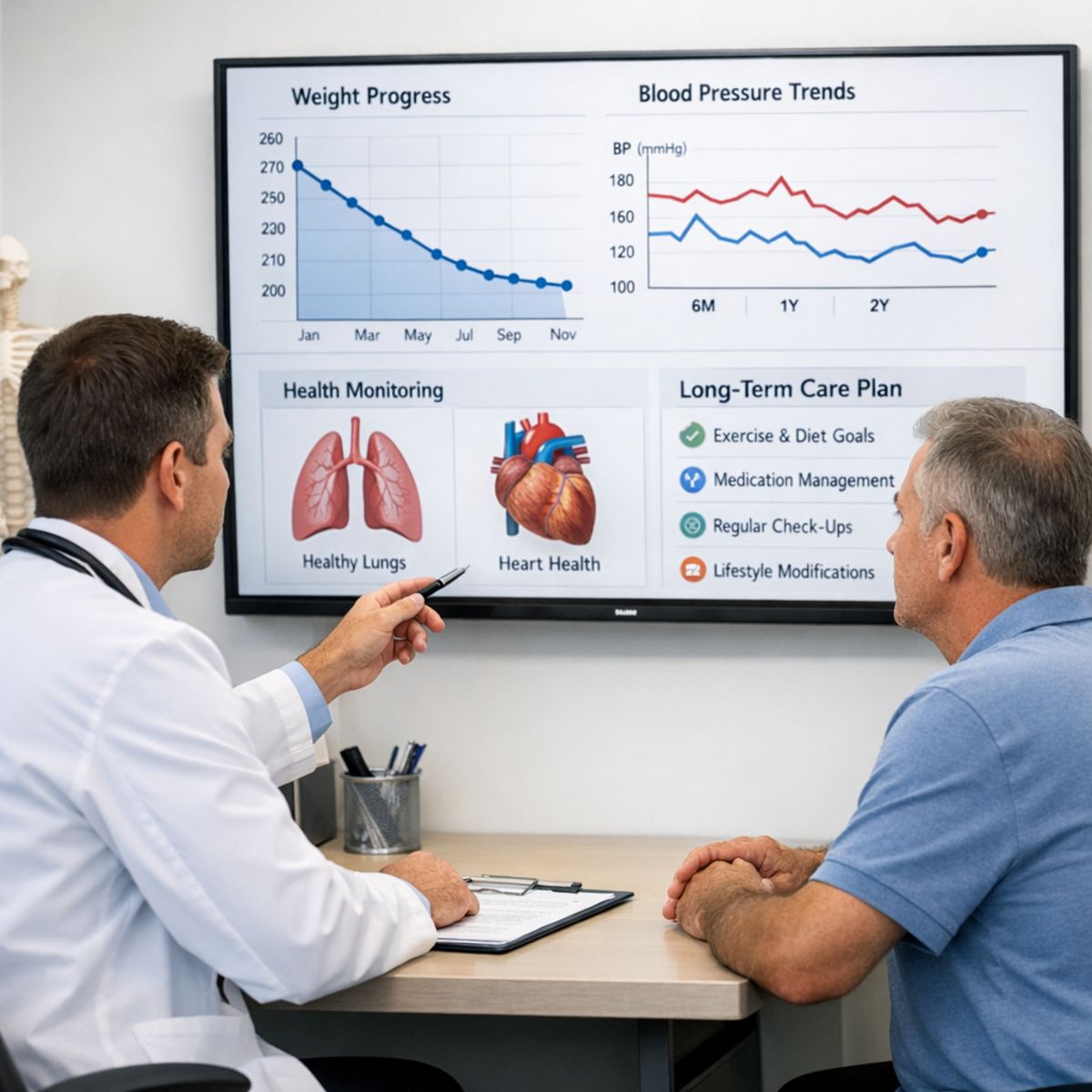
Gastric sleeve surgery results are best understood as trends, not guarantees. Many patients see meaningful progress over time, but outcomes vary and are always subject to medical evaluation, starting health status, nutrition, activity, and how closely long-term follow-up recommendations are followed. If you want to learn more about gastric sleeve surgery, it helps to compare benefits with the ongoing lifestyle commitment it requires.
What results can look like over time
Progress is usually gradual rather than instant. Early changes may be influenced by healing, diet progression, and fluid shifts, while longer-term results depend more on sustainable eating habits, physical activity, and regular check-ins with the care team. Discussions around gastric sleeve success rate should also be approached carefully, because published outcomes differ across studies and patient populations. Age, metabolic health, preoperative weight, and adherence all play a role, so no single statistic can predict an individual result.
Important risks and tradeoffs to understand
Like any major procedure, gastric sleeve surgery is not risk-free. General surgical concerns and longer-term issues can include leaks, reflux symptoms, nutritional deficiencies, dehydration, or the need for additional monitoring or treatment. Some patients do very well, while others may need medication adjustments, dietary support, or further care over time. Lifelong habits matter, and follow-up appointments are important for tracking nutrition, symptoms, and overall health after surgery.
Questions about excess skin and body contouring
After major weight loss, some people ask about plastic surgery after gastric sleeve to address excess skin or changes in body shape. That is a separate conversation from the bariatric procedure itself and depends on factors such as skin elasticity, the amount of weight lost, personal goals, and medical readiness. Not everyone wants or needs body contouring, but it can be helpful to know that this topic sometimes becomes part of long-term planning.
Frequently Asked Questions About Sleeve Gastrectomy
Quick answers to common concerns
Is sleeve gastrectomy the same as gastric sleeve surgery?
Yes. “Sleeve gastrectomy” and “gastric sleeve surgery” are commonly used to describe the same procedure, which reduces the size of the stomach. Exact surgical details, candidacy, and expected results should always be discussed with a qualified bariatric specialist.
How long does recovery from gastric sleeve surgery usually take?
Recovery timelines vary by patient, health status, and surgical approach. Many people return to light daily activities within a few weeks, but full recovery and adjustment to eating habits can take longer. Your surgeon can give guidance based on your specific situation.
What are the main risks of sleeve gastrectomy?
As with any major surgery, risks can include bleeding, infection, blood clots, leaks, acid reflux, and nutritional concerns. The level of risk depends on individual factors. A thorough pre-operative evaluation helps patients understand benefits, limitations, and possible complications.
How much weight can someone lose after gastric sleeve surgery?
Weight loss varies widely and depends on starting weight, medical history, eating habits, activity level, and long-term follow-up. Sleeve gastrectomy can be an effective tool, but it does not guarantee a specific result. Sustainable success usually requires lasting lifestyle and nutrition changes.
Can sleeve gastrectomy be revised later if needed?
In some cases, yes. A sleeve gastrectomy may be revised or converted to another bariatric procedure if medically appropriate. Whether revision is possible depends on the reason for concern, anatomy, symptoms, and overall health, so this requires individualized surgical evaluation.
Will I need plastic surgery after gastric sleeve?
Not everyone does. Some patients consider body contouring after major weight loss if they have excess skin that affects comfort, mobility, or appearance. That decision is personal and usually made later, after weight has stabilized and overall health goals are clearer.
When to Schedule a Consultation
If you have reviewed your options and want guidance tailored to your goals, a consultation can be a helpful next step. It gives you time to talk through your medical history, weight loss goals, and possible procedure options with an experienced bariatric team in a setting focused on informed decision-making.
A one-on-one visit is also the best place to discuss candidacy, potential risks, and what outcomes may be realistic based on your individual health profile. Rather than relying on general information alone, you can get answers specific to your situation and a clearer understanding of possible next steps.
Take the next step with expert guidance
When you feel ready to explore your options in more detail, requesting an appointment is a supportive way to continue the conversation.
Key Takeaways on Sleeve Gastrectomy
Sleeve gastrectomy is a bariatric surgery option that reduces stomach size and may be considered by people with obesity-related health concerns after a full medical evaluation. Recovery typically involves a staged return to eating, activity, and daily routines, along with close follow-up from a qualified care team. Just as important, long-term success depends on sustainable habits such as nutrition, movement, and ongoing support.
A balanced path forward
The right bariatric approach is not the same for everyone. Personal goals, medical history, and professional guidance all matter when deciding whether sleeve gastrectomy is appropriate. A balanced next step is to use what you have learned here as a starting point for an informed conversation with a healthcare professional, rather than trying to self-diagnose or choose a procedure on your own.