

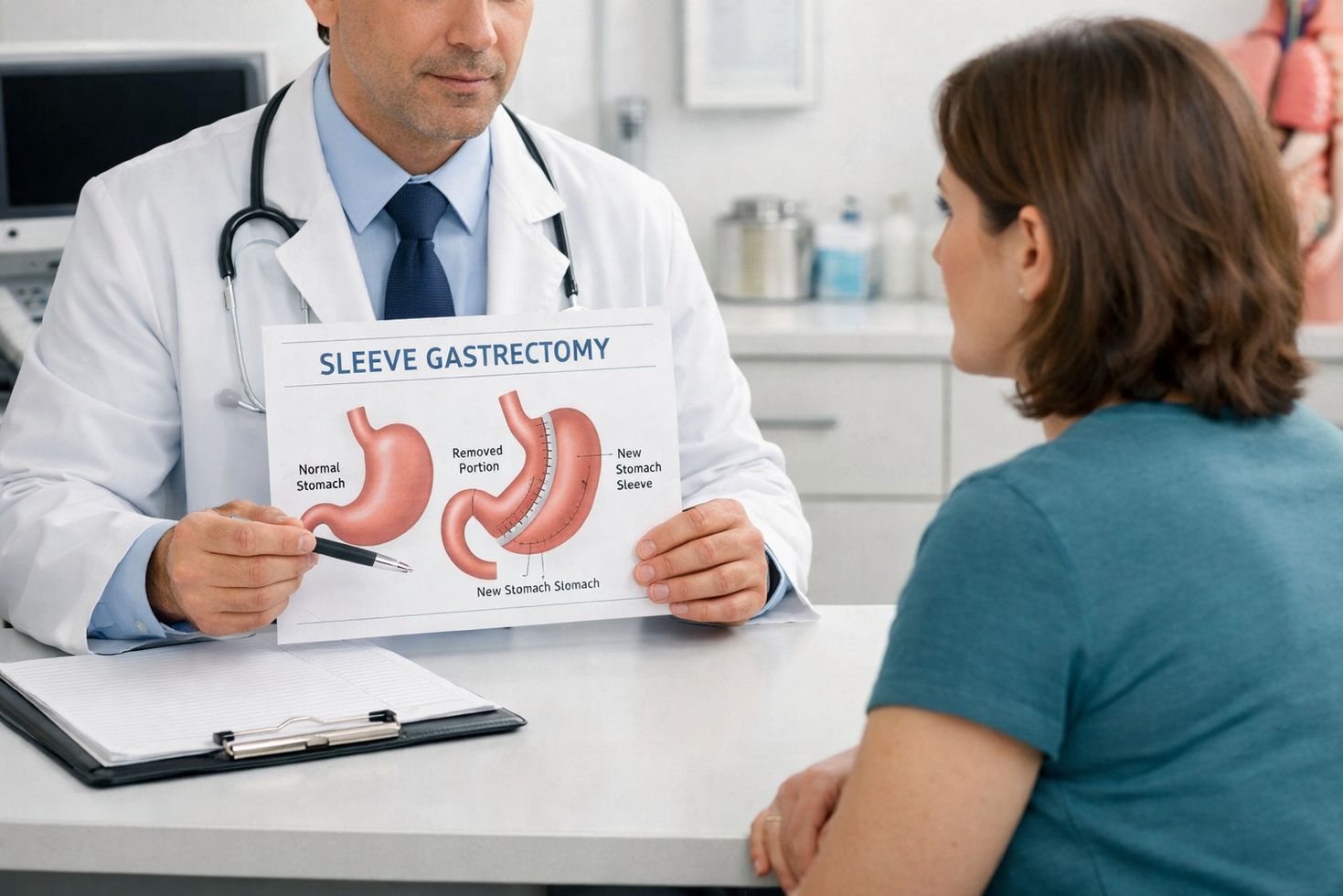
Weight loss surgery sleeve surgery, often called sleeve gastrectomy, is a bariatric procedure that reduces the size of the stomach to help support weight loss and improve certain obesity-related health conditions. It is not fat removal surgery, and it does not guarantee a specific amount of weight loss. Instead, it is one treatment option that may be considered as part of a broader medical plan that includes evaluation, nutrition changes, and long-term follow-up.
Many people researching this procedure have practical and personal questions about safety, recovery, eligibility, lifestyle changes, and what results may realistically look like. Those are important concerns. While sleeve surgery can be effective for some patients, candidacy and outcomes vary based on individual health history, body mass index, existing medical conditions, and the recommendations made during a professional evaluation.
This guide covers the basics of sleeve surgery in plain language, including how the procedure works, who may qualify, possible benefits, known risks, recovery expectations, and how it compares with other weight loss treatment options. The goal is to help you understand the topic clearly so you can have more informed conversations with a qualified medical team.
What Is Sleeve Surgery?
Sleeve surgery, also called sleeve gastrectomy or bariatric sleeve surgery, is a type of bariatric surgery used to treat obesity under medical supervision. In this procedure, a surgeon removes a large portion of the stomach and leaves behind a smaller, sleeve-shaped stomach. The smaller stomach limits how much food a person can eat at one time, and the procedure may also affect hunger-related hormones, which can help support long-term weight loss and metabolic health.
In simple terms, the bariatric surgery meaning is surgery designed to help eligible patients lose weight and improve obesity-related health conditions. Bariatric procedures are not quick fixes or cosmetic shortcuts. They are medical treatments recommended for certain patients based on factors such as body mass index, overall health, and weight-related conditions. Sleeve surgery is one of the most common options because it changes stomach size without rerouting the intestines.
Some people search for sleeve surgery using phrases like stomach reduction surgery. That term can describe the basic idea, but it is more accurate to call the procedure sleeve gastrectomy. If you want a deeper overview, read more about sleeve gastrectomy benefits recovery and risks.
Bariatric surgery meaning in simple terms
Bariatric surgery is a category of operations that help with weight loss by changing how the digestive system works. The goal is not just to reduce food intake, but also to support better health in people living with obesity. Depending on the procedure, bariatric surgery may help improve conditions such as type 2 diabetes, sleep apnea, high blood pressure, and joint strain. Sleeve surgery fits into this category because it is intended as a medical treatment, not just a change in appearance.
Why sleeve surgery is not fat removal surgery
A common misconception is that sleeve surgery is a kind of fat removal surgery. It is not. Sleeve gastrectomy does not remove body fat directly the way cosmetic procedures such as liposuction are designed to do. Instead, it reduces stomach size to help patients eat less and manage hunger differently over time. That makes it a medical obesity treatment performed with clinical evaluation, eligibility criteria, and follow-up care. While weight loss can change body shape, the purpose of bariatric sleeve surgery is to improve health outcomes, not to contour the body cosmetically.
How Weight Loss Surgery With the Sleeve Works
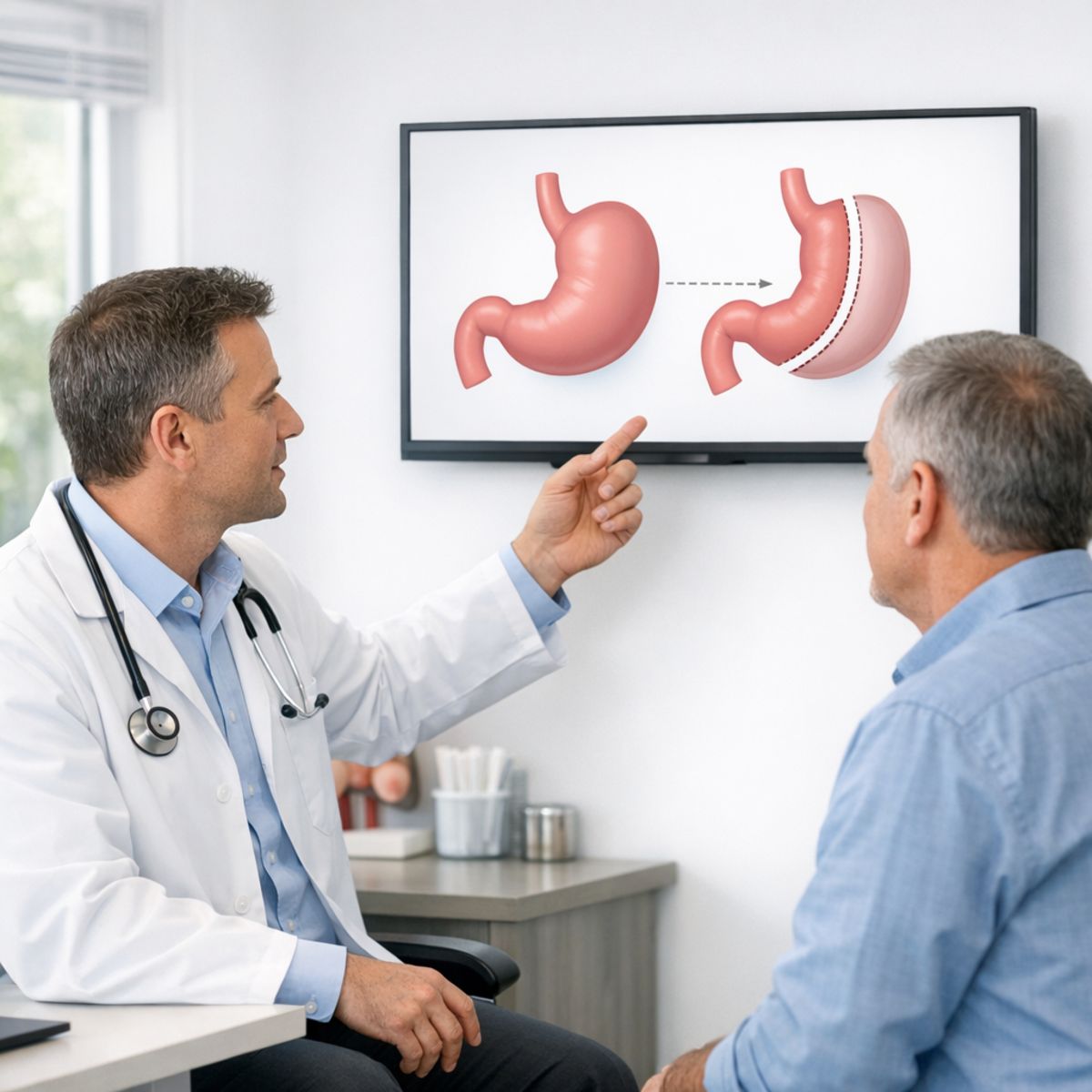
Weight loss surgery with the sleeve works by reducing the size of the stomach so it holds much less food at one time. In general, the procedure is performed using a minimally invasive laparoscopic approach, which uses small incisions and specialized instruments. The goal is not to change willpower, but to create physical and metabolic changes that can support healthier eating patterns and long-term weight management.
Smaller stomach, earlier fullness
After sleeve surgery, the stomach is reshaped into a much smaller, narrow pouch. Because there is less space available, many patients can feel full sooner than they did before surgery. This can make portion control more manageable and may help reduce the tendency to eat large meals. Even so, the surgery does not remove the need for mindful food choices. Eating slowly, prioritizing protein, staying hydrated, and following nutrition guidance remain important parts of the process.
How hunger signals may change
Sleeve surgery may also affect hormones involved in appetite regulation. In particular, changes in the part of the stomach that produces certain hunger-related signals can lead some people to notice less hunger or fewer cravings. Responses vary from person to person, so these effects should be viewed as helpful support rather than a guarantee. The procedure can make healthy habits easier to follow, but it is still a tool, not a standalone cure.
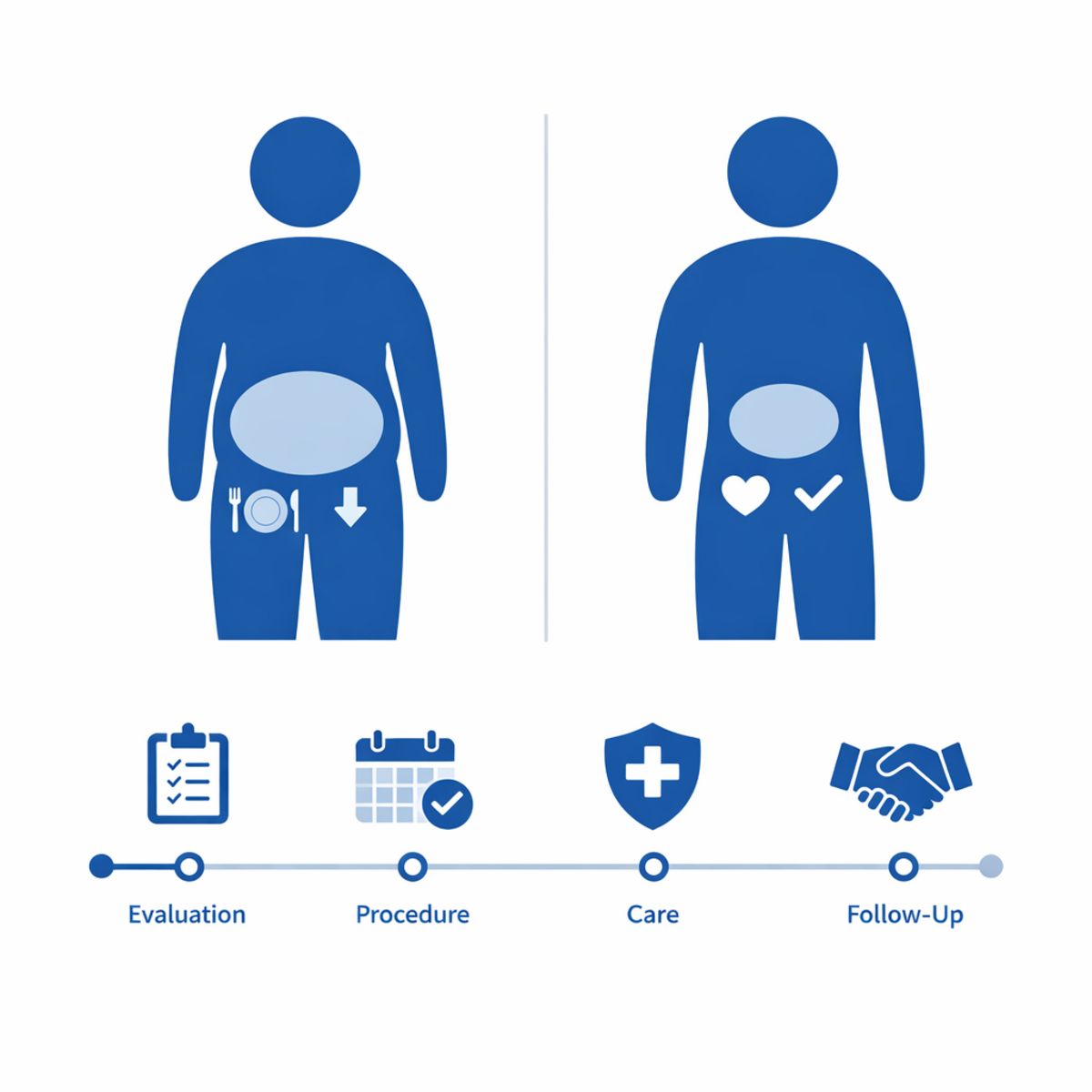
Long-term success depends on consistent follow-up care, regular physical activity, recommended vitamin supplementation, and adherence to medical and nutrition guidance. Ongoing partnership with your care team helps monitor progress, address challenges, and support safe, sustainable changes over time.
Potential Benefits of Bariatric Sleeve Surgery

Bariatric sleeve surgery is often considered by people who have struggled with excess weight and related health concerns despite ongoing efforts with diet, activity, and medically guided care. While no procedure can guarantee a specific result, some patients may experience meaningful changes in daily life when surgery is paired with careful follow-up and long-term lifestyle adjustments.
Health changes the procedure may support
For some individuals, bariatric sleeve surgery may support improvements in mobility, stamina, and overall comfort with everyday activities. Patients sometimes report having more energy for walking, exercise, work, or family routines as weight changes over time. In medically appropriate cases, a supervised weight-loss journey may also help improve certain obesity-related health markers, such as blood sugar control, blood pressure, sleep-related breathing issues, or joint strain. These changes are not guaranteed, and the degree of improvement can vary based on a person’s starting health, medical history, and consistency with nutrition, movement, and follow-up care.
It is also important to keep expectations realistic. Surgery is typically one part of a broader treatment plan that may include nutritional counseling, lab monitoring, behavior changes, and regular visits with a bariatric care team. The most durable progress often depends on that ongoing partnership and on how well the plan fits the patient’s individual needs.
Why some patients prefer the sleeve approach
Some patients are interested in the sleeve approach because it reduces stomach size without rerouting the intestines. For certain people, that may make the procedure feel more straightforward to understand compared with other bariatric operations, though the right option always depends on a full medical evaluation. Sleeve surgery may be recommended or discussed based on weight-related conditions, anatomy, prior surgical history, and personal treatment goals.
Patients may also appreciate that decision-making can be highly individualized. A bariatric specialist can help explain possible benefits, limitations, and tradeoffs of each option so the choice is based on safety, long-term support, and realistic expectations rather than promises. Outcomes vary from person to person, and success with bariatric sleeve surgery is closely tied to medical guidance, follow-up appointments, and sustainable lifestyle changes over time.
Sleeve Surgery vs Other Weight Loss Procedures
When comparing bariatric treatments, it helps to look at how each option works, what lifestyle changes it may involve, and whether it matches a person’s medical history. Sleeve surgery is often considered by patients who want a surgical option that reduces stomach size without rerouting the intestines, but it is not the only pathway. A balanced review of sleeve gastrectomy compared with other options can make the next conversation with a specialist more productive.
Sleeve surgery vs gastric bypass
Both sleeve surgery and gastric bypass are established bariatric procedures, but they differ in anatomy and follow-up considerations. Sleeve surgery removes a portion of the stomach to create a smaller, sleeve-shaped stomach. Gastric bypass also reduces stomach size, but it additionally changes how food moves through part of the digestive tract. Because of that, bypass is generally considered more complex from an anatomical standpoint.
For some patients, reflux history can be an important discussion point. Sleeve surgery may not be the ideal fit for everyone with significant reflux symptoms, while bypass may be considered in certain cases where reflux is a major concern. Follow-up needs also vary. Both procedures require long-term nutritional monitoring and lifestyle commitment, but bypass may involve additional attention to absorption-related issues. The right choice depends on factors such as weight-loss goals, existing conditions, prior abdominal history, and how a surgeon evaluates overall risk and benefit.
Surgical vs non-surgical pathways
Not every patient evaluating weight loss treatment will move directly to surgery. Depending on eligibility, some people may explore medically supervised weight management, medication-based treatment, endoscopic approaches, or other less invasive interventions. These pathways can play an important role, especially for patients who are not ready for surgery, do not meet criteria, or want to begin with a different level of intervention.
Rather than self-selecting a procedure based on online comparisons alone, it is usually more helpful to seek an individualized evaluation. A specialist can review health history, symptoms, goals, and prior weight-loss efforts to explain where sleeve surgery fits among the available options and whether another approach may be more appropriate.

Who May Qualify, and What About Cost or Coverage?
Whether someone may qualify for treatment is usually determined through a medical evaluation, not by a single symptom or number alone. A clinician may look at factors such as body mass index, weight-related health conditions, prior weight-loss efforts, current medications, overall health history, and whether ongoing follow-up is appropriate. Readiness to follow pre- and post-treatment guidance can also be part of the discussion. Because every person’s health situation is different, the safest next step is a personalized review rather than assuming eligibility based on general information online.
Medical eligibility is individualized
In many cases, candidacy depends on a full clinical assessment that considers both medical need and safety. Some people may be evaluated based on BMI together with conditions such as diabetes, sleep apnea, high blood pressure, or other concerns related to weight. Previous attempts at medically supervised weight loss, nutrition changes, or other conservative measures may also be reviewed. This process helps determine whether a treatment approach is appropriate and what type of follow-up may be needed over time.
Coverage and out-of-pocket costs can vary
Cost is not one-size-fits-all. Insurance coverage, required documentation, prior authorization, and out-of-pocket responsibility can vary based on the insurer, the specific plan, and whether medical necessity criteria are met. If insurance is being considered, it is important to confirm details directly with the plan and care team. Coverage may depend on the specific AltaMed plan and patient eligibility requirements, and it should not be assumed that every plan or Medi-Cal option is accepted. Even when a service is medically appropriate, deductibles, copays, coinsurance, and non-covered items may still affect total cost.
How to Prepare for Sleeve Surgery and Support Recovery
Preparing for sleeve surgery usually starts well before the procedure itself. While each program is different, most patients can expect a general process that includes consultation, medical evaluation, testing, nutrition counseling, and detailed pre-op instructions from the surgical team. The goal is to help you understand what to expect, build habits that support recovery, and make sure your care plan fits your health needs.
Before surgery: evaluation and preparation
A typical first step is meeting with the surgeon or bariatric team to review your health history, goals, and whether sleeve surgery is an appropriate option. Many programs also include lab work, imaging, or other testing, along with nutrition visits that explain eating changes before and after surgery. You may also receive guidance about activity, meal planning, and practical preparation at home for the first days after the procedure.
It can also help to plan ahead for transportation, time away from work, and support from family or friends. Because requirements vary by patient and by practice, it is important to follow the specific instructions your surgeon gives you rather than relying on a one-size-fits-all checklist.
After surgery: recovery basics
Early recovery often focuses on a few core priorities: staying hydrated, gradually increasing walking and light movement, following a staged diet progression, and attending follow-up visits. Many patients move through phases of liquids and soft foods before returning to a broader long-term eating pattern, but the pace can differ depending on the surgeon’s protocol and individual recovery.
Follow-up care is a key part of the process. These visits help your team monitor healing, nutrition, and progress over time. If something feels off or you are unsure whether a symptom is expected, contact your care team promptly so they can advise you. In general, the best recovery plan is the one designed for you by your surgeon and support team, with realistic expectations and steady adherence to their instructions.

Risks, Limitations, and Common Misconceptions
Is sleeve surgery risk-free or guaranteed to work? No. Like all surgeries, it carries risks, and the right choice depends on your health history, goals, and a careful discussion with an experienced surgeon.
Common concerns patients ask about
A common myth is that results are effortless or permanent no matter what. In reality, surgery is a tool, not a shortcut. Weight loss and long-term outcomes can depend on nutrition, activity, follow-up care, and daily habits. Some patients may also have concerns about reflux, vitamin and mineral monitoring, and the need for ongoing lifestyle changes.
Another misconception is that every procedure works the same way for every patient. It does not. A balanced, individualized evaluation matters, just as it does when comparing other procedures such as fibroid operation types recovery and options.
Frequently Asked Questions
Is sleeve surgery the same as gastric bypass?
No. Sleeve surgery and gastric bypass are different bariatric procedures. They change the digestive system in different ways, and the best option depends on a person’s health history, goals, and medical evaluation.
How long does recovery usually take after sleeve surgery?
Recovery varies from person to person. It can depend on the surgical approach, overall health, job demands, and how closely post-operative instructions are followed. A surgeon can give more specific guidance based on the individual case.
Can sleeve surgery help with obesity-related health conditions?
It may help improve some obesity-related health conditions in eligible patients, especially when combined with long-term nutrition, activity, and follow-up care. Results are not the same for everyone, so no outcome can be guaranteed.
Is sleeve surgery considered fat removal surgery?
No. Sleeve surgery is not cosmetic fat removal surgery. It is a bariatric procedure that reduces stomach size and supports weight-loss efforts through medical and metabolic changes, rather than directly removing body fat.
Who may be a candidate for bariatric sleeve surgery?
Candidacy is based on several factors, such as body mass index, obesity-related health conditions, previous weight-loss efforts, and overall medical readiness. The safest way to know is through a full evaluation with a qualified bariatric specialist.
When to Talk With a Specialist
If you’re weighing your options, speaking with a specialist can help you move forward with clarity. A consultation is a chance to discuss your symptoms, goals, and medical history, and to understand which treatment path may be appropriate based on an individual evaluation. There is no one-size-fits-all answer, and the next step depends on your specific needs, preferences, and clinical considerations.
Get personalized guidance
If you’re ready to review your options and next steps with the care team, requesting an appointment is a practical place to start.
Key Takeaways on Sleeve Weight Loss Surgery
Sleeve weight loss surgery can be an effective tool for some eligible patients, but it is not the right fit for everyone. Benefits, risks, recovery, and long-term results can vary based on individual health needs and goals. Reviewing your options with a qualified specialist can help you make an informed, confident decision.