

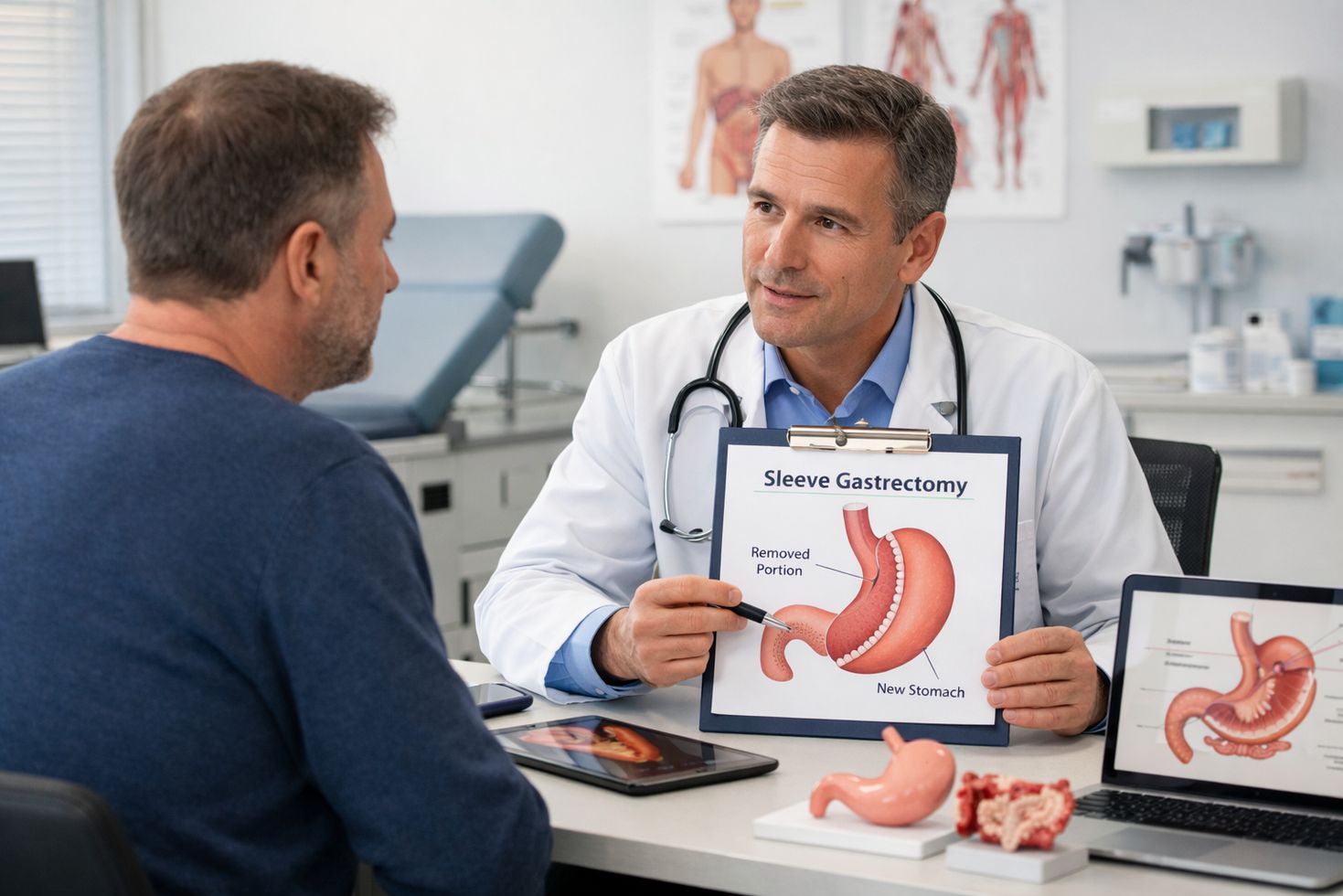
Sleeve gastrectomy is a type of bariatric sleeve surgery that reduces the size of the stomach to help people eat smaller amounts and feel full sooner. Many people research this procedure because they want clear, trustworthy information about how it works, whether it is safe, what recovery may involve, and what kind of results may be possible over time. If you are comparing weight-loss treatment options, it is important to know that sleeve gastrectomy may support weight loss and improvement in some obesity-related health conditions when it is combined with long-term nutrition, activity, and follow-up care.
It is also normal to have questions about risks, eligibility, and whether this approach is the right fit for your health history. Outcomes vary from person to person, and candidacy is always subject to medical evaluation. A qualified care team will typically look at factors such as overall health, weight-related conditions, past treatment efforts, and readiness for lasting lifestyle changes before making recommendations.
In this guide, you will get a practical overview of the procedure itself, potential benefits, possible risks, recovery expectations, and how sleeve gastrectomy compares with other options. The article will also cover alternatives, including Endoscopic Sleeve Gastroplasty, so you can better understand the differences and prepare for an informed discussion with a medical professional.
What Is Sleeve Gastrectomy?
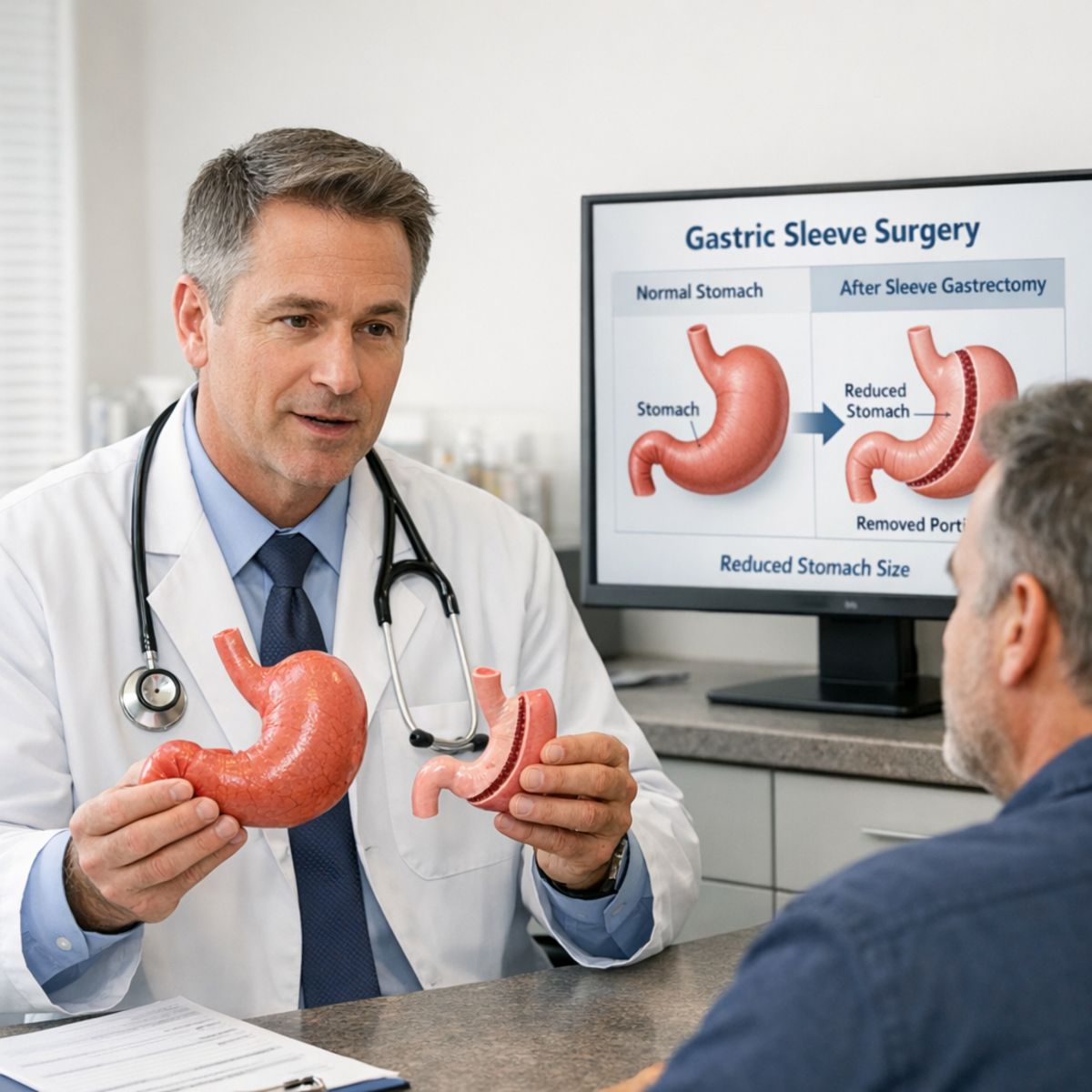
Sleeve gastrectomy, also called a gastric sleeve, is a type of bariatric sleeve surgery designed to help with weight loss by permanently changing the size of the stomach. During the procedure, a large portion of the stomach is removed, leaving behind a much narrower, sleeve-shaped stomach. The result is a smaller stomach pouch that holds less food at one time, which can help patients feel full sooner and support lower calorie intake over time.
In addition to reducing stomach capacity, sleeve gastrectomy may also influence hunger-related hormones. In simple terms, this means some patients notice changes in appetite as well as portion size after surgery. That combination can make the procedure different from non-surgical weight loss methods alone, which typically rely on diet, exercise, medication, and behavior changes without altering stomach anatomy. Even so, surgery is not a shortcut or a risk-free solution, and long-term success still depends on healthy habits and ongoing medical guidance.
How the procedure changes stomach size
The main anatomical change is straightforward: the stomach goes from a larger, more expandable organ to a slim tube or “sleeve.” Because there is less room for food, meals are usually smaller after recovery. This physical change is one reason the procedure can support weight loss. Another reason is that the surgery may affect signals related to hunger, which can help some patients better manage appetite as part of a structured treatment plan.
Why it is considered bariatric surgery
Sleeve gastrectomy is considered bariatric surgery because it is used to treat obesity and support better health in people who may not have achieved lasting results with non-surgical approaches alone. It is typically performed laparoscopically by experienced surgeons, depending on a patient’s health history and individual needs. Rather than being a stand-alone fix, it is one tool within a broader care plan that may include nutrition counseling, activity changes, follow-up care, and review of weight loss surgery options with West Medical.
Potential Benefits of Sleeve Gastrectomy
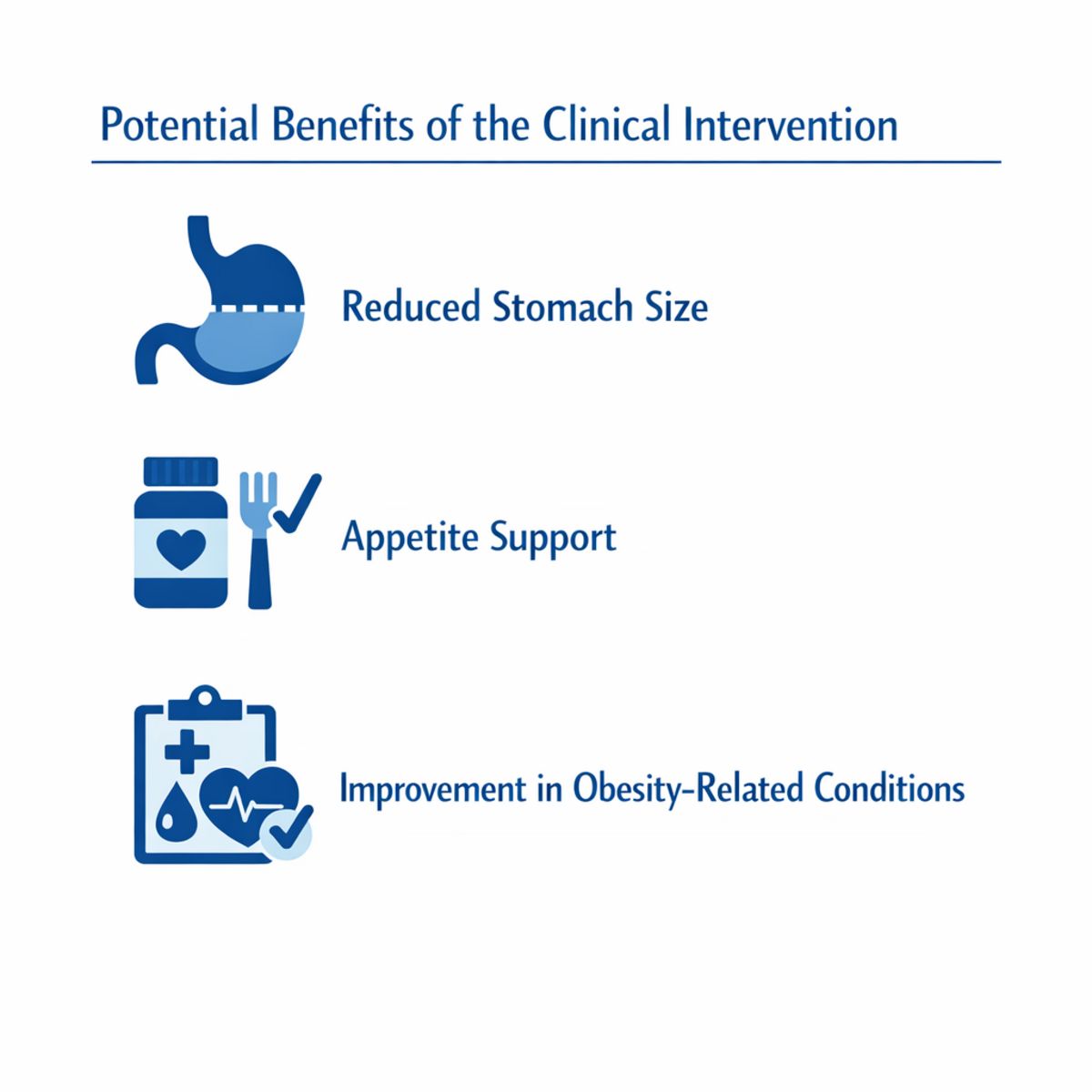
Sleeve gastrectomy may be considered for several reasons, especially by people seeking meaningful weight reduction and broader health support. For many patients, weight loss surgery with the sleeve can help create a structured path toward lower calorie intake, improved portion control, and better long-term habits when combined with nutrition guidance, physical activity, and regular follow-up. While no procedure guarantees a specific result, this approach may support steady progress for appropriately selected patients.
Weight and health improvements patients may seek
One of the main potential benefits is clinically significant weight loss, which may in turn help reduce strain on the joints, improve mobility, and make daily activities feel more manageable. Some patients also report better energy and improved confidence as they move through recovery and lifestyle changes. In addition, sleeve gastrectomy may contribute to improvement in obesity-related conditions such as type 2 diabetes, sleep apnea, and high blood pressure, although the degree of change varies from person to person and should be monitored by a qualified medical team.
These possible benefits are often tied closely to long-term adherence. Food choices, hydration, vitamin use when recommended, activity level, sleep, and attendance at follow-up visits can all influence outcomes. A patient’s starting health status, age, metabolism, and consistency with aftercare may also shape what results are achievable over time.
Why some patients choose the sleeve approach
Some patients prefer sleeve gastrectomy because it does not involve intestinal rerouting, which can make the procedure feel more straightforward compared with gastric bypass. For certain individuals, that distinction matters when discussing anatomy, recovery expectations, and long-term management with a surgeon. It is also a well-established bariatric option that may appeal to those looking for a balance between effectiveness and procedural simplicity, depending on their medical needs.
The best way to understand whether these potential benefits apply to your situation is through a personalized evaluation. Learning more about gastric sleeve surgery with West Medical can help you compare options in the context of your health history, goals, and long-term care plan.
Who May Be a Candidate for Sleeve Gastrectomy
Sleeve gastrectomy may be considered for some adults living with obesity, but candidacy is not something a person can confirm on their own. Doctors usually look at a combination of factors rather than a single number or symptom. The goal is to understand whether the procedure may be appropriate, safe, and realistic for that individual’s health needs and long-term care plan.
Medical and lifestyle factors doctors review
A bariatric team often reviews body mass index (BMI) along with obesity-related health conditions such as type 2 diabetes, sleep apnea, high blood pressure, joint problems, or other concerns affected by excess weight. They may also ask about previous weight-loss efforts, including nutrition changes, exercise programs, medications, or other supervised approaches. This helps create a fuller picture of what has been tried and what support may still be needed.
Lifestyle readiness is also important. Sleeve gastrectomy requires long-term changes in eating habits, portion sizes, hydration, vitamin use, and follow-up care. A doctor may want to know whether a patient feels prepared to follow post-operative guidance and attend ongoing appointments. This is not about judgment. It is about helping set realistic expectations and supporting safer, more durable results over time.
Why a full evaluation matters
Eligibility for bariatric surgery depends on an individual medical evaluation. That review may include nutrition patterns, mental health history, current medications, prior surgeries, digestive symptoms, and other health criteria that could affect planning or recovery. In some cases, additional testing or specialist input may be recommended before any decision is made.
A full evaluation is meant to be supportive, not discouraging. It helps identify risks, clarify benefits, and match treatment options to the person rather than forcing a one-size-fits-all answer. Insurance coverage may also involve separate plan rules, documentation steps, or approval requirements, and coverage is never guaranteed. For that reason, the best next step for anyone wondering if they may qualify is a professional bariatric assessment tailored to their situation.
How Sleeve Gastrectomy Is Typically Performed

Sleeve gastrectomy is usually explained as a series of stages rather than one isolated event. While the exact process varies based on the surgeon, facility, and a patient’s overall health, most people move through a similar path: evaluation, surgery-day preparation, the procedure itself, a short hospital stay, and early follow-up. For readers comparing options, it can also help to understand what bariatric surgery involves overall before focusing on this specific procedure.
Step 1: Evaluation and preparation
Before surgery is scheduled, patients typically complete consultations and pre-operative testing. This stage may include a review of medical history, lab work, imaging or heart-related screening when needed, and discussions about medications. Many programs also include nutrition counseling, lifestyle planning, and education about what recovery may look like. The goal is to confirm that surgery is appropriate and to help patients feel informed and prepared rather than rushed.
Step 2: The procedure and hospital stay
On the day of surgery, patients are generally checked in, prepared for anesthesia, and guided through final safety steps by the care team. Sleeve gastrectomy is often performed using a laparoscopic approach, which uses small incisions and specialized instruments when appropriate for the patient. In broad terms, the stomach is reshaped into a smaller sleeve-like form. Afterward, patients are monitored in recovery and then moved to a hospital room if an inpatient stay is planned. Many people stay only a short time, but length of stay can vary.
Step 3: Early recovery and follow-up
Early recovery usually focuses on walking, hydration, rest, and gradually progressing through a staged eating plan recommended by the surgical team. Follow-up visits help monitor healing, nutrition, and how well the patient is adjusting in the first days and weeks. Because recovery milestones are not identical for everyone, it is important to follow the instructions provided by your own surgeon and care team instead of relying on general timelines alone.
Recovery After Sleeve Gastrectomy: What to Expect

Recovery for sleeve gastrectomy is often easier to manage when you know the general phases ahead of time. Most people move through recovery in stages rather than all at once, with early attention on hydration and rest, then gradual progress with eating, walking, and returning to daily routines. Exact timing varies from person to person, so your surgeon’s instructions should guide your next steps.
A practical way to think about recovery gastric sleeve surgery is to focus on a few priorities: drinking enough fluids, meeting protein goals as your diet advances, caring for your incisions, increasing activity slowly, and keeping follow-up appointments. It is also normal to have questions about energy levels, soreness, and when you can get back to work or exercise.
The first few days
In the first days after surgery, many patients notice abdominal soreness, fatigue, and some discomfort as they start moving around. Your care team will usually emphasize small, frequent sips of fluid to support hydration. Walking is commonly encouraged early because gentle movement can support circulation and help you ease back into activity. You may also receive instructions for incision care and signs to watch for while healing begins.
Mild discomfort can be expected, but severe pain, trouble drinking fluids, persistent vomiting, fever, worsening redness around incisions, chest pain, shortness of breath, or other concerning symptoms should prompt a call to your care team right away.
The first few weeks
During the next phase, recovery often centers on a staged diet progression. Your surgeon or dietitian may move you through liquids and other approved textures step by step, with a strong focus on hydration and protein intake. Energy can fluctuate during this period, and that does not necessarily mean something is wrong. Many people feel better week by week, but progress is not always perfectly linear.
Activity usually increases gradually as tolerated. Light walking is often part of the plan, while more strenuous exercise may need to wait until your surgeon says it is appropriate. Return-to-work timing also depends on the individual, the physical demands of the job, and how recovery is going overall.
Long-term habits that support recovery
Longer-term recovery is supported by consistent habits. These may include meeting fluid and protein goals, following your nutrition plan, taking supplements if prescribed, and building up exercise gradually. Follow-up visits matter because they allow your team to monitor healing, nutrition, weight-loss progress, and any concerns that come up along the way.
The most helpful expectation is that recovery is a process, not a single milestone. If something feels off or you are unsure whether a symptom is normal, contact your surgeon or bariatric care team for guidance rather than trying to push through on your own.
Risks and Important Considerations
All surgery carries some level of risk, and bariatric procedures are no exception. A balanced discussion of benefits, limitations, and possible complications is an important part of informed decision-making. Risk levels can vary based on the procedure performed, your health history, and how closely you are able to follow post-operative guidance.
Short-term and long-term considerations
In the short term, general surgical risks may include bleeding, infection, reactions to anesthesia, or leaks at surgical connection points. Over time, some patients may experience reflux, changes in digestion, nutritional deficiencies, or the possibility of needing additional treatment or revision. These concerns do not affect every patient, but they are important to understand before moving forward.
Weight loss after surgery can also lead some people to consider plastic surgery for excess skin. That decision is separate from bariatric treatment and depends on personal goals, health, and recovery progress. If you want a broader overview, this guide to gastric bypass benefits risks and alternatives may be helpful.
The most useful next step is a personal conversation with an experienced bariatric team. They can explain how your medical history, medications, lifestyle, and long-term follow-up needs may influence both safety and results.
Sleeve Gastrectomy vs. Other Weight Loss Options
When comparing weight loss surgery types, it helps to look at how each option changes the digestive system, what recovery may involve, and which medical factors affect candidacy. Sleeve gastrectomy is one of the most common bariatric procedures, but it is not automatically the right fit for every patient. The best choice depends on goals, anatomy, reflux history, prior abdominal or bariatric procedures, and the overall risk-benefit discussion with a qualified surgeon.
Sleeve gastrectomy vs. gastric bypass
In a sleeve gastrectomy, a large portion of the stomach is removed to create a smaller, sleeve-shaped stomach. Gastric bypass also makes the stomach smaller, but it additionally reroutes part of the small intestine. That rerouting changes how food moves through the digestive tract and can introduce a malabsorptive component that is not part of a standard sleeve.
For readers researching gastric bypass sleeve recovery, both procedures require meaningful lifestyle changes and long-term follow-up, but recovery details and nutritional monitoring can differ. Because bypass changes intestinal flow, vitamin supplementation and lab surveillance are especially important. Reflux is another key consideration: sleeve gastrectomy may worsen reflux in some patients, while bypass may be preferred in certain individuals with significant GERD, depending on their full medical picture.
Neither procedure is universally better. The right option depends on weight loss goals, obesity-related conditions, anatomy, and whether a patient has issues such as reflux, prior surgery, or concerns about long-term follow-up requirements.
Sleeve gastrectomy vs. Endoscopic Sleeve Gastroplasty
Endoscopic Sleeve Gastroplasty, or ESG, is a less invasive, incision-free endoscopic option that reduces stomach volume using internal sutures placed through the mouth. Unlike surgical sleeve gastrectomy, ESG does not remove part of the stomach. That difference can matter when discussing invasiveness, recovery expectations, and who may be an appropriate candidate.
In broad terms, sleeve gastrectomy is a surgical procedure with permanent stomach removal, while ESG is an endoscopic procedure selected for certain patients based on BMI, health status, and treatment goals. Some people may prioritize a non-surgical approach if they qualify, while others may be better served by an operation with a different risk and effectiveness profile. A thorough evaluation is essential before deciding among these weight loss surgery types.
Patients who have had previous bariatric treatment may also need to discuss revision pathways. In some cases, prior device-based procedures can affect future planning, including lap band revision surgery options. This is one more reason why procedure selection should be individualized rather than based on general comparisons alone.

Cost and Insurance Considerations
Costs for bariatric care can vary based on several factors, so it is important to get details directly from the provider you are considering. The total amount may depend on the type of procedure, the surgeon’s fees, facility charges, pre-operative testing, anesthesia, location, and the follow-up care included in your treatment plan.
What can affect overall cost
In many cases, pricing is shaped by the specific procedure selected, whether hospital or surgical center fees apply, and whether additional appointments, lab work, nutrition support, or post-operative monitoring are part of the process. Because care plans differ from person to person, a personalized quote is usually the most reliable way to understand expected costs.
Insurance coverage can also vary. Coverage for bariatric procedures may depend on your individual health plan, policy terms, and any medical eligibility requirements set by the insurer. For that reason, it is best to confirm benefits, required documentation, prior authorization steps, and any out-of-pocket responsibilities directly with both the provider and your insurance company.
If you are comparing options, consider asking whether consultations have separate fees, whether financing is available, and how the office handles insurance verification. Getting these details upfront can help you make a more informed decision.
Questions to Ask at a Bariatric Consultation
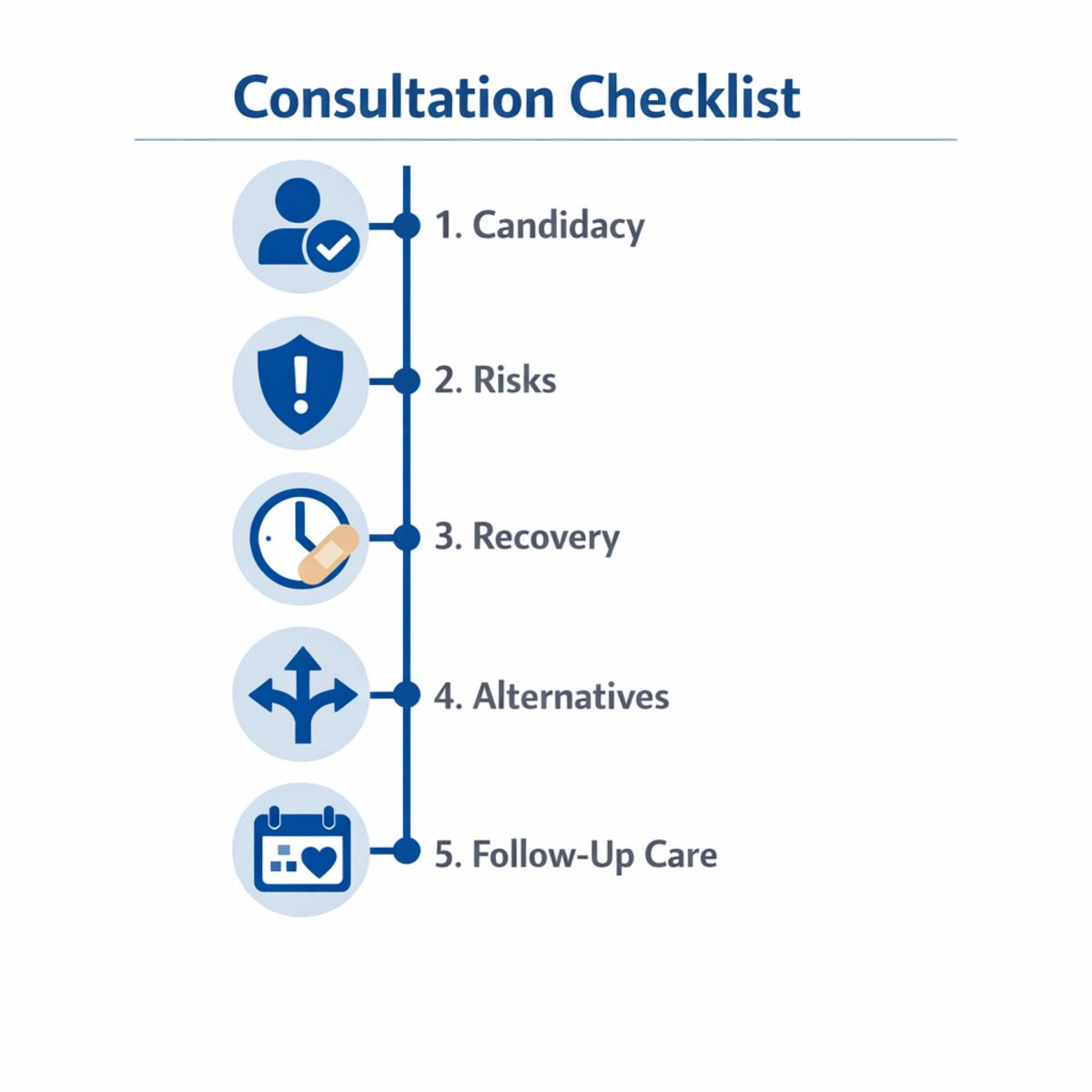
Use this short checklist to prepare for your visit and make the conversation more productive. A consultation is a good time to ask question-based, practical topics that help you compare options and understand what may fit your health history.
Bring these questions to your appointment
- Am I a candidate, and what factors matter most in my case?
- What benefits should I realistically expect?
- What are the main risks, side effects, and possible complications?
- What does recovery usually involve, and how long might it take?
- What nutrition plan and lifestyle changes will I need to follow?
- How often is follow-up care needed after treatment?
- How does sleeve gastrectomy compare with ESG based on my medical history?
- Are there alternatives I should consider, including other bariatric surgery types benefits and risks?
Most importantly, ask for recommendations tailored to you, since individualized guidance matters more than generic online advice.
Frequently Asked Questions About Sleeve Gastrectomy
Quick answers to common concerns
Is sleeve gastrectomy the same as gastric sleeve surgery?
Yes. “Sleeve gastrectomy” and “gastric sleeve surgery” generally refer to the same procedure, in which a large portion of the stomach is removed to create a smaller, sleeve-shaped stomach. Your surgeon can explain how it compares with other bariatric procedures.
How long does recovery for sleeve gastrectomy usually take?
Recovery varies by patient, overall health, and surgical approach. Many people return to light daily activity within a couple of weeks, but full recovery and diet progression usually take longer and should follow the care team’s instructions.
Is sleeve gastrectomy safer than gastric bypass?
Neither procedure is universally “safer” for every person. Each has different benefits, risks, and long-term considerations, so the best option depends on your medical history, weight-related conditions, and specialist evaluation.
Can sleeve gastrectomy help with diabetes or sleep apnea?
It may help improve obesity-related conditions such as type 2 diabetes or sleep apnea in some patients. However, results vary, and no specific outcome can be guaranteed without a full medical assessment and follow-up care.
Is sleeve gastrectomy reversible?
No, sleeve gastrectomy is generally considered a permanent procedure because part of the stomach is removed. In some cases, patients may later need another bariatric procedure, but that is not the same as reversing the sleeve.
What can you eat after bariatric sleeve surgery?
Diet usually progresses in stages, often starting with liquids, then pureed foods, then soft foods, and later regular foods as advised by your care team. Long-term success typically depends on portion control, protein intake, hydration, and following individualized nutrition guidance.
Who may not be a good candidate for weight loss surgery with the sleeve?
Some patients may need a different treatment approach based on medical conditions, prior surgery, severe reflux, nutritional concerns, or readiness for long-term lifestyle changes. Candidacy should always be determined through a comprehensive medical evaluation.
Will I need plastic surgery after weight loss?
Not everyone does. Some people consider body contouring after major weight loss because of excess skin, but that decision depends on the amount of weight lost, skin elasticity, symptoms, personal goals, and medical guidance.
Talk With West Medical About Your Options
If you are comparing sleeve gastrectomy, gastric bypass, or Endoscopic Sleeve Gastroplasty, a consultation can help you understand which approach may be the best fit for your needs. The right next step depends on your medical history, weight-loss goals, and a thorough clinician evaluation, so individualized guidance matters.
West Medical aims to provide supportive, experienced care while helping you review your options clearly and confidently. During your visit, you can discuss candidacy, procedure differences, and practical next steps based on your situation.
Schedule a consultation
Final Thoughts on Sleeve Gastrectomy
Sleeve gastrectomy can be an effective option for some patients, but the benefits, risks, and recovery experience can vary from person to person. As with any weight loss procedure, the best choice depends on your health history, goals, and a careful medical evaluation.
A personalized decision
Comparing your options thoughtfully and seeking individualized guidance can help you move forward with greater clarity and confidence. With the right support and a plan tailored to your needs, you can make an informed decision that feels right for your long-term health.