


Diet surgery, more commonly called bariatric or weight loss surgery, refers to medically supervised procedures designed to support long-term weight management when other approaches have not been enough on their own. These procedures are not quick fixes. They are tools typically used alongside nutrition changes, behavior support, physical activity, and ongoing follow-up care. If you are researching options, this guide is meant to give you a practical overview of how diet surgery works, who it may be for, what preparation can involve, and what factors can affect risks, recovery, and results.
Because bariatric care is highly individualized, eligibility, outcomes, and surgical recommendations depend on your overall health, medical history, and a full clinical evaluation. A care team may look at weight-related health conditions, previous treatment efforts, lifestyle factors, and readiness for long-term follow-up before recommending any next step. That means two people exploring the same procedure may receive different advice based on their needs and safety considerations.
What this guide covers
In the sections ahead, you will find a clear introduction to common procedure types, how candidacy is assessed, what preparation may involve, how options are compared, what can influence costs, and which risks and questions are important to discuss with a qualified medical team. The goal is to help you understand the landscape so you can make informed, realistic decisions with professional guidance.
What Is Diet Surgery?
“Diet surgery” is a common patient phrase, but it is not a formal medical term. In most cases, people use it to mean bariatric surgery, which is a category of medical procedures intended to support long-term weight management. Rather than being a diet plan, bariatric surgery involves a clinical treatment approach that may change the stomach, digestive pathway, or both, depending on the procedure.
These procedures are designed to help with factors that diet-only approaches do not directly change in the same way. Depending on the operation, surgery may help limit portion size, affect hunger and fullness signaling, or alter how the body absorbs nutrients. That is why the phrase “diet surgery” can be misleading: while healthy eating remains important, the treatment itself is a medical intervention, not simply a stricter version of dieting.
How bariatric surgery differs from dieting alone
Dieting alone usually focuses on food choices, calorie intake, and behavior changes. Bariatric surgery, by contrast, is a medically supervised pathway for selected patients and is typically part of a broader care plan that may include nutrition counseling, lifestyle guidance, and follow-up support. It is not a shortcut. It is a treatment option considered when weight-related health concerns and past efforts suggest that a procedural approach may be appropriate.
Which procedures people usually mean
When people say diet surgery, they often mean procedures such as sleeve gastrectomy, gastric bypass, or, in some cases, discussions around adjustable gastric band revision. Each option works differently, so the best way to understand the available weight loss surgery options with West Medical is through accurate, current bariatric terminology and individualized medical guidance.

Why People Consider Diet Surgery
People often begin exploring bariatric surgery after repeated attempts at weight loss have not led to lasting results. For some patients, structured diets, exercise plans, medications, or other approaches may help for a time, but maintaining progress can still be difficult. In that setting, surgery may be considered as one option within a broader care plan rather than a quick fix. Results vary, and the right path depends on a person’s medical history, goals, and evaluation by a qualified clinician.
Another reason people look into weight loss surgery is that excess weight can affect daily life in practical ways. Some individuals report challenges with mobility, lower energy, or difficulty participating in work, family, or social activities. Others may be concerned about obesity-related health issues and want to understand whether bariatric procedures could play a role in treatment. Surgery may help some patients as part of comprehensive obesity care that can also include nutrition counseling, activity changes, and ongoing medical monitoring.
Potential benefits beyond the scale
For the right candidate, potential benefits may extend beyond changes on the scale. Some patients hope for improved comfort with movement, better support for healthier routines, or greater confidence in managing their health. These quality-of-life goals are often just as important as weight-related goals. Still, it is important to keep expectations realistic: bariatric surgery is not risk-free, not universally appropriate, and not guaranteed to produce the same outcome for every person.
Why commitment still matters after surgery
Long-term success usually depends on more than the procedure itself. Follow-up visits, nutrition guidance, vitamin supplementation when recommended, and behavior changes all remain important after surgery. Patients who consider gastric sleeve, gastric bypass, or other bariatric surgery options should understand that ongoing support and consistent habits are often key parts of the process. Surgery may be a helpful tool for some people, but it works best when paired with sustained commitment and medical follow-up.

Comparing Common Weight Loss Medical Procedures
When people begin researching bariatric care, they often want a simple answer about which procedure is best. In practice, the right path depends on several factors, including medical history, body anatomy, prior procedures, eating patterns, reflux symptoms, long-term follow-up readiness, and personal treatment goals. A comparison can help narrow the conversation, but final recommendations should come from a qualified surgical team after a full evaluation.
At a high level, the most common discussions involve sleeve gastrectomy, gastric bypass, and revision pathways for people who previously had gastric banding. These options differ in how they change the stomach or digestive tract, the type of follow-up they require, and the reasons a surgeon may recommend one over another. Readers exploring gastric sleeve surgery with West Medical, reviewing gastric bypass benefits risks and alternatives, or learning about lap band revision surgery options should view each procedure as a category with tradeoffs rather than a one-size-fits-all solution.
Sleeve gastrectomy
Sleeve gastrectomy is often discussed as a restrictive procedure because it reduces stomach size without rerouting the intestines. For some patients, that simpler digestive pathway is an important consideration. People searching for a gastric sleeve surgeon may be asking whether the procedure fits their health profile, weight loss goals, or lifestyle preferences. Typical follow-up still matters: patients usually need structured nutrition guidance, portion control habits, hydration planning, and long-term monitoring to support vitamin intake and overall progress.
Gastric bypass
Gastric bypass changes both stomach size and the path food takes through the digestive system, so it is generally considered more complex than sleeve gastrectomy. That difference can make it relevant in discussions involving reflux, metabolic concerns, or prior weight loss history, depending on the individual case. Because digestion is altered more significantly, gastric bypass surgery doctors often emphasize careful nutritional follow-up, routine lab monitoring, and long-term supplement adherence as part of the treatment plan.
Band-related revision pathways
For patients with a history of gastric banding, the conversation may shift from primary surgery to revision. Prior surgery changes decision-making because scar tissue, anatomy, symptoms, and the reason the original procedure is no longer meeting goals all influence the next step. In some cases, surgeons may discuss band removal alone; in others, they may review conversion to another bariatric procedure. The safest and most appropriate option depends on the details of the patient’s history.
Across all three categories, the main comparison points are surgical approach, expected eating changes, follow-up intensity, and the medical reasons one option may be favored over another. No procedure is universally right for everyone. The best recommendation comes from a personalized review of health conditions, previous operations, anatomy, and long-term goals with an experienced bariatric team.
How to Know if You May Qualify and Prepare for Evaluation

If you are exploring weight-loss surgery, it can help to think of the process as a series of practical steps rather than a single yes-or-no decision. In most programs, qualifications for bariatric surgery are based on an individual review of your health, weight history, and ability to take part in long-term follow-up. That means no article can tell you for certain whether you will qualify, but understanding the usual process can help you prepare for a more informed conversation with a surgeon or care team.
The evaluation often looks at several factors together: body mass index, obesity-related health conditions, previous attempts at weight loss, current medications, and whether you are ready for the nutrition, activity, and follow-up changes that come after surgery. Exact requirements vary by surgeon, facility, and your overall health status.
Step 1: Review candidacy factors
A first evaluation usually starts with your medical and weight-loss history. Your care team may ask how long excess weight has affected your health, what treatments you have tried before, and whether you have conditions such as sleep apnea, type 2 diabetes, high blood pressure, joint pain, or reflux. They may also review past surgeries, family history, tobacco or alcohol use, and any factors that could affect healing or anesthesia safety.
Just as important, the team may discuss your goals and expectations. Bariatric surgery is typically part of a long-term treatment plan, not a stand-alone fix. Readiness for lifestyle change often includes willingness to follow nutrition guidance, attend follow-up visits, take recommended supplements, and build habits that support recovery and weight management over time.
Step 2: Complete pre-op testing and consultations
Once a surgeon believes surgery may be appropriate, the next phase often includes pre admission testing for bariatric surgery. This is not always the same for every patient. In general, it may include blood work, a physical exam, and a review of heart and lung health. Some people may need imaging, sleep testing, endoscopy, or cardiac clearance if their history suggests it is necessary.
Many programs also include a nutrition evaluation to review eating patterns, hydration, protein goals, and vitamin planning. A psychological or behavioral health assessment may be recommended or required in some cases to identify stressors, eating behaviors, or support needs that could affect long-term success. These steps are meant to improve safety and help tailor care, not simply create obstacles.
If you are asked to complete additional consultations, it usually means the team wants a clearer picture of your health before making a recommendation. Asking what each test is for and how it affects planning can make the process feel more manageable.
Step 3: Build a realistic post-op plan
Preparation is not only about qualifying. It is also about setting up daily routines that support recovery. Before surgery, many patients benefit from planning meals, arranging time off, identifying a support person, and understanding follow-up schedules. You may also receive guidance on activity, medication changes, and pre-op eating instructions.
A realistic plan should include nutrition follow-through, gradual physical activity, regular appointments, and a clear understanding of what questions to bring to your care team. If you are considering surgery, the best next step is a personalized evaluation that can explain your options, your risks, and what preparation makes the most sense for your situation.
What the Bariatric Surgery Process Usually Looks Like
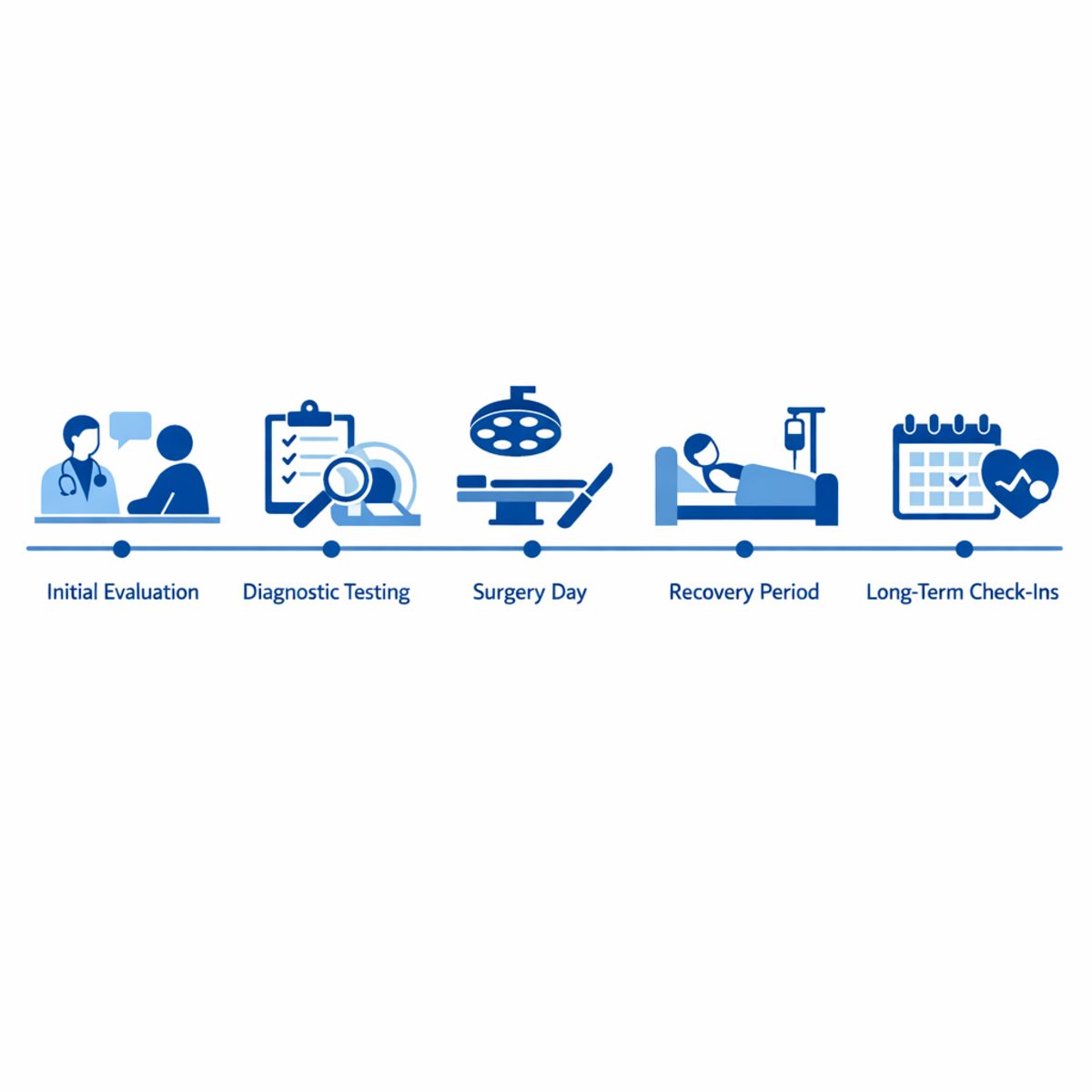
In general, the bariatric surgery process follows a clear sequence designed to help patients prepare safely and understand each next step. First, the journey often begins with an initial consultation, where the care team reviews health history, current concerns, and overall goals. From there, many patients move into a more detailed evaluation that may include medical testing, nutrition counseling, and discussions about lifestyle habits.
Next, the team typically helps determine which procedure may be most appropriate based on medical needs and individual readiness. At this stage, patients may also complete insurance-related requirements or other milestones before surgery is scheduled. Because of that, timelines can vary from person to person depending on health status, coverage rules, and progress through the preparation plan.
Before surgery
Before surgery, preparation usually focuses on building a strong foundation. This may include lab work, specialist clearances, nutrition education, and guidance on habits that support recovery. In addition, patients often receive instructions for the days leading up to surgery so they know what to expect and how to prepare with confidence.
After surgery
After surgery, the focus generally shifts to recovery, diet progression, activity, and follow-up care. For example, patients are commonly guided through gradual eating stages and regular check-ins to monitor healing and overall progress. Just as importantly, long-term support remains part of the process, since individual outcomes depend not only on the procedure itself but also on ongoing adherence to the care plan and recommendations from the medical team.
Overall, the pathway is meant to feel structured rather than uncertain, with each phase helping patients move forward in an organized, supported way.
Diet Surgery Costs, Insurance, and Coverage Questions
Cost is one of the most common concerns when exploring bariatric care, and it is important to approach it realistically. The total expense can vary based on the procedure selected, the surgeon’s recommendations, the facility where surgery is performed, anesthesia services, pre-operative testing, and the type of follow-up care needed afterward. Because each treatment plan is individualized, a personalized consultation is often the best way to understand what may apply in your situation.
If you are comparing weight loss surgery options with West Medical, it is also helpful to ask which services are included in the quoted plan and which may be billed separately. This can help you better understand the full financial picture before making a decision.
What affects the total cost
Several factors may influence the final cost, including the type of procedure, required lab work or imaging, medical clearances, hospital or surgical center fees, anesthesia, and post-operative visits. Some patients may also need nutritional guidance or additional monitoring as part of their care plan. Since needs differ from person to person, exact costs should be confirmed directly with the provider.
Questions to ask about insurance
Insurance coverage depends on your specific plan and whether you meet that plan’s medical eligibility requirements. Coverage is not guaranteed, and benefits can vary widely. Ask your insurer whether prior authorization is required, whether the surgeon and facility are in network, what exclusions may apply, what documentation is needed, and what out-of-pocket costs you may be responsible for, such as deductibles, copays, or coinsurance.
Before moving forward, confirm benefits and financial responsibilities directly with both the provider’s office and your insurance company. Verifying these details in advance can help you plan with greater confidence and avoid surprises.
How to Research Surgeons and Programs Confidently
When comparing gastric banding doctors, gastric bypass surgery doctors, or a gastric sleeve surgeon, focus on fit and credibility rather than marketing claims. A strong bariatric program should clearly explain procedure options, expected outcomes, risks, and long-term support so you can make an informed decision with confidence.
Useful places to start include reputable bariatric surgery directory listings, hospital profiles, and provider websites. As you research, verify credentials, look for procedure-specific experience, and check whether the program offers more than surgery alone. The best choice is not the same for everyone, so compare programs based on your health needs, goals, and comfort with the care team.
Questions to ask during research
- How often does the surgeon perform your procedure, and how much revision experience do they have?
- What pre-op education is included, and who helps with nutrition, mental health, and lifestyle changes?
- What does recovery usually look like, and how often are follow-up visits scheduled?
- How are complications, questions, or long-term concerns handled after surgery?
Red flags to avoid
- Guaranteed outcomes or overly simplified promises
- Vague pricing or unclear explanations of what is included
- Little detail about follow-up care, support services, or emergency contact processes
- Pressure tactics that rush your decision instead of encouraging informed questions

Frequently Asked Questions About Diet Surgery
Quick answers to common concerns
Is diet surgery the same as bariatric surgery?
In most cases, yes. “Diet surgery” is a nonmedical phrase some people use to describe bariatric or weight loss surgery. The more accurate term is bariatric surgery, which includes procedures designed to support weight loss and improve obesity-related health conditions.
Who may qualify for bariatric surgery?
Eligibility depends on factors such as body mass index, weight-related medical conditions, prior weight loss efforts, and overall health status. A surgeon or bariatric program typically reviews medical history, current risks, and long-term goals before making a recommendation. Not every patient is a candidate, and qualification is individualized.
What pre admission testing for bariatric surgery is usually required?
Pre-admission testing often includes blood work, heart or lung evaluation when needed, and a review of medications and medical history. Many programs also require nutrition counseling, psychological screening, and sometimes sleep apnea or gastrointestinal testing. The exact workup varies by procedure, health conditions, and hospital protocol.
How do sleeve gastrectomy and gastric bypass differ?
Sleeve gastrectomy reduces the size of the stomach, while gastric bypass creates a small stomach pouch and reroutes part of the digestive tract. Both can support significant weight loss, but they differ in anatomy, nutritional considerations, reflux effects, and long-term follow-up needs. The better option depends on your health history and treatment goals.
Is diet surgery safe?
Bariatric surgery is commonly performed and is generally considered safe when patients are carefully evaluated and treated by experienced teams. Like any operation, it carries risks such as bleeding, infection, blood clots, or nutritional deficiencies. Your surgeon should explain both the potential benefits and the specific risks that apply to you.
How long does recovery take?
Recovery time varies by procedure, overall health, and the type of work or daily activity you do. Many patients return to light activity within a few weeks, but full adjustment to diet progression and routine can take longer. Your care team will provide a recovery plan based on your procedure and progress.
Can insurance cover weight loss surgery?
Insurance may cover bariatric surgery, but coverage depends on your plan, medical criteria, and required documentation. Some insurers ask for supervised weight loss history, specialist evaluations, or proof of related health conditions. It is important to confirm benefits and preauthorization requirements directly with your insurer and surgical program.
How do I choose between surgeons or programs?
Look for a program that offers comprehensive evaluation, clear education, nutritional support, and long-term follow-up. You may also want to ask about surgeon experience, hospital resources, complication management, and how procedure recommendations are made. The best choice is one that fits your medical needs and supports informed, individualized care.
When You’re Ready to Explore Your Options
If you feel ready to learn more, a consultation can be a practical next step. It gives you the opportunity to talk through your symptoms, goals, medical history, and questions about bariatric procedures with an experienced team in a supportive setting.
Your evaluation is individualized, which means the conversation can focus on your health needs, treatment options, and what preparation may be helpful. If available, it can also be useful to bring prior medical records and any insurance questions you want to discuss during the appointment.
Whether you are just starting your research or narrowing down your options, taking that first step can help you get clear, personalized guidance about what to consider next.
Key Takeaways on Diet Surgery
Diet surgery generally refers to bariatric procedures such as sleeve gastrectomy and gastric bypass. As this article has outlined, there is no single right choice for everyone. Candidacy, preparation, risks, costs, and expected outcomes can all vary based on your health history, current needs, and long-term goals.
That is why informed decision-making matters. Comparing options carefully can help you understand what each procedure involves, what recovery may look like, and how treatment may fit into your broader health plan. For some people, surgery may be an appropriate next step. For others, more evaluation or different approaches may make more sense.
Making an informed decision
The best path is individualized and should be guided by a thorough professional evaluation. If you are still weighing your options, taking time to ask questions and review recommendations with a qualified medical team can help you move forward with greater clarity and confidence.