


Diverticulitis surgery can sound intimidating, but it is not automatically needed for everyone with diverticulitis. Diverticulitis is inflammation or infection affecting small pouches in the colon, called diverticula. Many people improve with non-surgical treatment, while surgery is usually considered in more specific situations, such as complications, repeated episodes, or symptoms that significantly affect daily life and quality of life.
If you are reading because of pain, a recent hospital stay, an abscess, perforation, or worry about whether an operation could lead to a temporary or permanent bag, those concerns are understandable. A balanced discussion matters because the right plan depends on the severity of disease, overall health, and personal goals.
This article will walk through when surgery may be recommended, the main types of procedures used, what recovery can look like, possible risks, and practical questions to ask your care team. The goal is to help you understand the decision-making process without assuming surgery is always the next step.
When Is Diverticulitis Surgery Considered?
Diverticulitis surgery is usually considered when the condition becomes complicated, does not improve as expected, or keeps causing significant problems over time. In uncomplicated diverticulitis, inflammation is present but there is no major structural problem such as a hole, blockage, or abnormal connection to another organ. Many people with uncomplicated cases improve with medical treatment and monitoring rather than an operation.
Surgery may be recommended more often in complicated diverticulitis. This can include perforation, a fistula, bowel obstruction, or an abscess that is not controlled with drainage or antibiotics. In some patients, colon surgery may also be discussed when symptoms continue between flare-ups or when recurrent attacks are affecting quality of life. The decision depends on the individual case, including CT imaging findings, symptom severity, overall health, and the judgment of the treating surgeon.
Uncomplicated vs. complicated diverticulitis
A simple way to think about uncomplicated diverticulitis is that the colon is inflamed, but the problem is still contained. Complicated diverticulitis means the inflammation has led to a more serious issue, such as infection spreading outside the colon, a tear in the bowel wall, a pocket of pus, narrowing that blocks stool, or a fistula forming to another structure. These situations are more likely to require a procedure or surgery because they can be harder to manage with medicine alone.
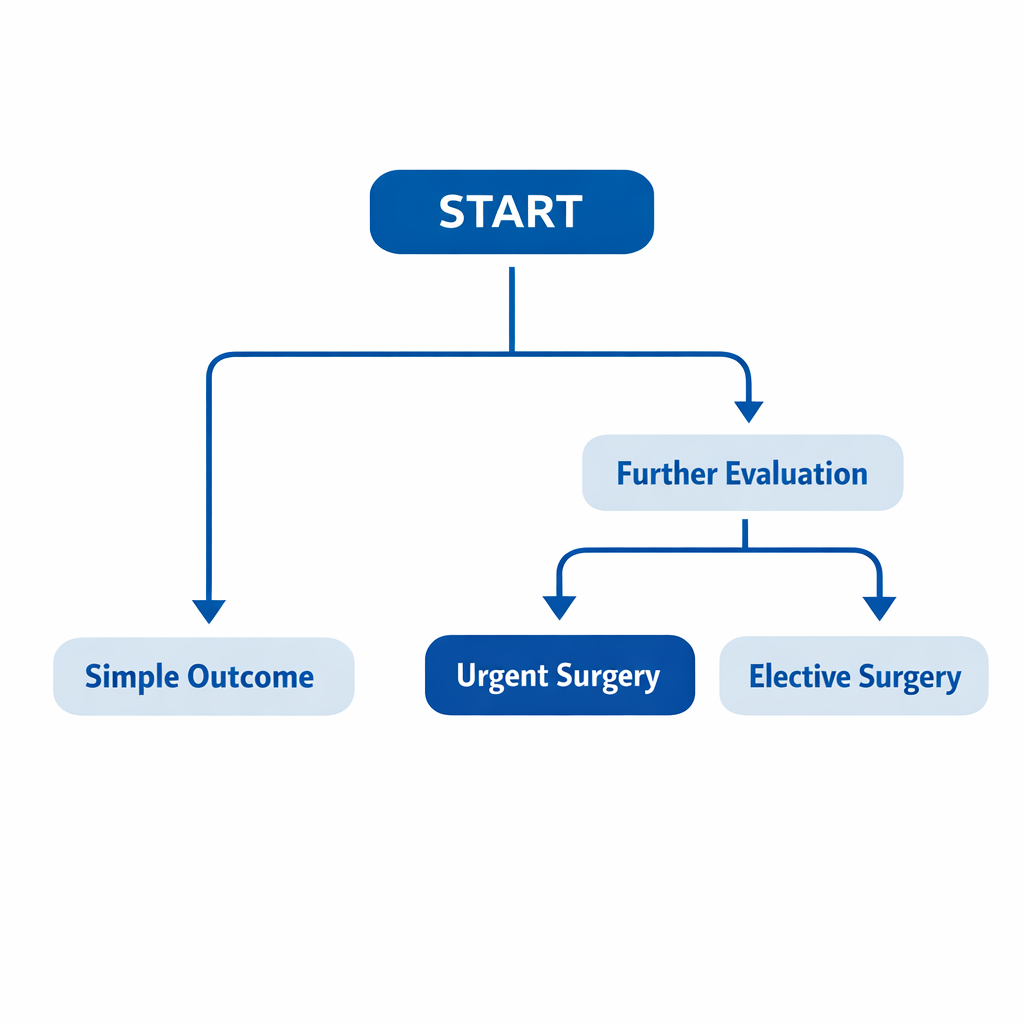
Elective surgery vs. emergency surgery
Not all surgery happens in an emergency. Elective surgery is planned after evaluation, often when a patient has recovered from an acute episode but still has ongoing symptoms or repeated complications. Emergency surgery is reserved for urgent situations, such as a severe perforation, worsening infection, or obstruction that cannot safely wait. Timing matters because a planned operation may allow for more options and a smoother recovery than surgery performed during a crisis.
Because treatment is individualized, there is no single rule that says surgery is needed after a certain number of attacks. A specialist may review imaging, medical history, and current symptoms before recommending next steps. If you are exploring broader surgical care options at West Medical, a personalized evaluation is the best way to understand what may be appropriate.
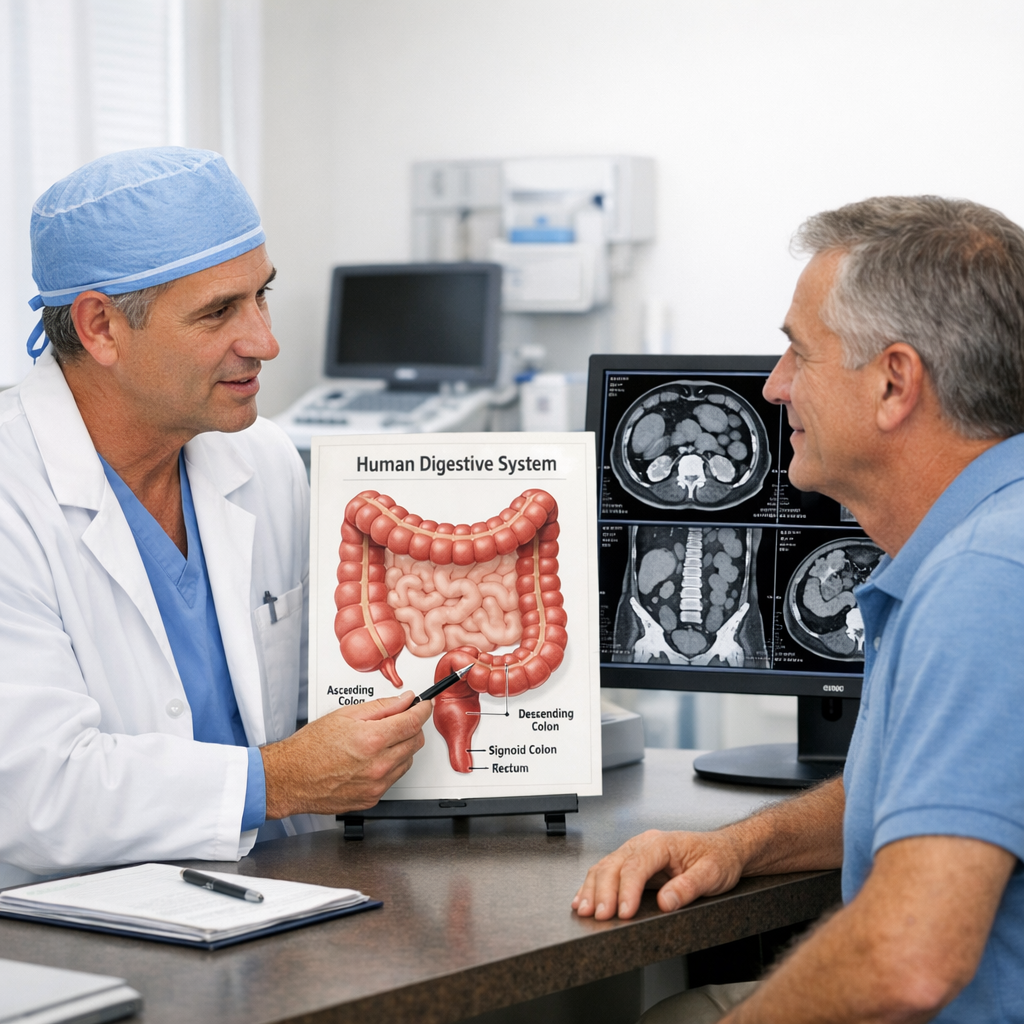
Common Types of Diverticulitis Surgery
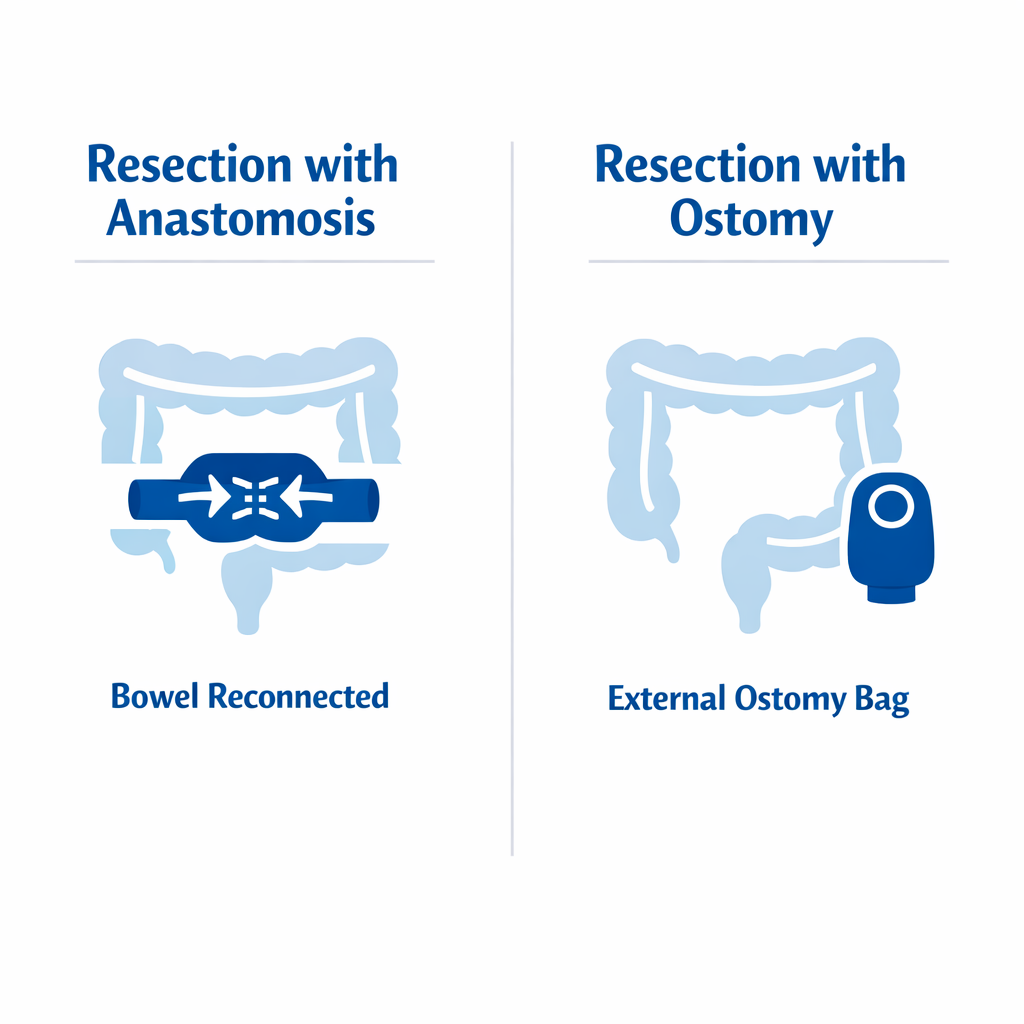
Diverticulitis surgery usually focuses on removing the part of the colon that has been badly damaged by inflammation or infection. The exact operation is chosen based on how severe the problem is, whether there is contamination in the abdomen, the patient’s anatomy, and how stable the patient is at the time of surgery. In some cases, surgeons can reconnect the bowel right away. In others, a temporary or permanent ostomy may be the safer option.
Bowel resection and reconnection
The most common operation is a colon resection, often called a sigmoid colectomy when the sigmoid colon is the diseased segment. In plain language, this means the surgeon removes the unhealthy part of the colon while preserving as much healthy bowel as possible. If conditions are safe, the two healthy ends are then joined back together. This reconnection is called a primary anastomosis.
A primary anastomosis allows stool to pass through the bowel in the usual way after healing. Whether this can be done depends on factors such as swelling, infection, blood supply to the tissue, and overall surgical risk. Patients who are also reviewing broader health factors before surgery may find this bariatric surgery eligibility and treatment guide helpful for understanding how surgeons assess readiness and safety.
When an ostomy may be part of surgery
An ostomy is a surgically created opening that brings part of the intestine to the surface of the abdomen so waste can leave the body into a pouch. The opening itself is called a stoma. If you have seen the phrases ostomy medical term or stomy medical term, they generally refer to this same concept: an ostomy is the procedure, and a stoma is the opening created by that procedure.
Not every patient needs an ostomy. Surgeons may recommend one when the bowel is too inflamed to reconnect safely, when there is significant contamination from a perforation, or when the patient is too ill for a higher-risk reconnection. Some ostomies are temporary and can be reversed later after healing. Others may be permanent if reconnection would not be safe or possible.
Open, laparoscopic, and robotic approaches
Diverticulitis surgery can be performed through an open operation or with minimally invasive techniques such as laparoscopic or robotic surgery. Open surgery uses a larger incision and may be necessary in more complex or emergency situations. Laparoscopic and robotic approaches use smaller incisions and may support less pain and a different recovery experience for some patients.
No single method is best for everyone. The right approach depends on the amount of inflammation, the presence of infection or contamination, scar tissue from prior surgery, body anatomy, and the surgeon’s judgment about what can be done safely.
Potential Benefits and Tradeoffs of Surgery
For some people with diverticulitis, surgery may be considered when the condition is causing repeated problems, complications, or a significant impact on daily life. One possible benefit is removal of the diseased portion of the colon, which may lower the chance of future severe episodes in carefully selected patients. Surgery may also be used to address complications such as strictures, fistulas, perforation, abscesses, or ongoing symptoms that have not improved with other treatments.
At the same time, surgery involves important tradeoffs. It typically requires hospitalization, a recovery period, and temporary limits on normal activities. Some patients notice changes in bowel habits afterward, and as with any operation, there are risks such as infection, bleeding, leakage at the surgical connection, or the need for additional procedures. In certain situations, a temporary or permanent ostomy may also be part of treatment planning, depending on the severity of disease and the type of operation needed.
Results can vary from person to person. The potential value of surgery often depends on factors such as how severe the diverticulitis has been, whether complications are present, overall health, and how recovery goes after the procedure. Because of this, the decision is usually best made after a detailed discussion with a qualified surgical team about expected benefits, possible limitations, and personal priorities.
Quality of life after recurrent diverticulitis
When diverticulitis keeps returning, the decision about surgery is often influenced by quality-of-life concerns as much as by scan findings or lab results. Recurrent flares, emergency visits, missed work, dietary anxiety, or persistent abdominal symptoms can make everyday life feel unpredictable. For some patients, that burden becomes an important reason to discuss whether an operation could be appropriate. The goal is not to promise a perfect outcome, but to weigh whether surgery may offer meaningful relief compared with continued episodes and ongoing uncertainty.
How to Prepare for a Diverticulitis Surgery Consultation

A little preparation can make your visit more productive and help your surgeon give clearer guidance. Use these steps to organize your records, focus your questions, and explain your symptoms in a way that supports better decision-making.
Step 1: Gather your medical history
Bring the most relevant records you have, especially CT scan reports, colonoscopy history if available, a current medication list, your allergy list, and details from any prior hospitalizations for diverticulitis. It also helps to note when attacks happened, what symptoms you had, whether antibiotics were used, and if you needed drainage, emergency care, or admission. If you have operative reports from past abdominal procedures, include those too. A simple folder or phone note with dates can save time during the consultation.
Step 2: Write down your questions
Prepare a short list so you do not forget important concerns. Good questions include: How urgent is surgery in my case? What procedure type do you recommend? What is the likelihood of an ostomy? What should I expect for pain control, hospital stay, and recovery milestones? When can I return to work, exercise, and normal activities? Ask about diet progression after surgery and what follow-up will look like. If you feel overwhelmed, prioritize your top three questions first.
Step 3: Discuss the full picture of your digestive health
Tell the surgeon about all digestive symptoms, not just lower abdominal pain. Changes in bowel habits, bleeding, nausea, vomiting, weight loss, reflux, bloating, or trouble eating may affect next steps or prompt additional testing. Some people also confuse unrelated terms such as endoscopy procedure upper, gastric rugae of stomach, emesis medical term, or slow gastric emptying with lower GI disease. These topics are different from diverticulitis, but they are still worth mentioning if your symptoms overlap or if prior testing raised questions. A complete symptom picture helps your care team separate what is likely related to diverticulitis from what may need separate evaluation.
Surgery vs. Non-Surgical Management
Many mild or uncomplicated cases can be managed without surgery, so the answer is often yes: some people can avoid an operation. Non-surgical care may include bowel rest, temporary diet changes, antibiotics when appropriate, close observation, and follow-up to make sure symptoms improve. The goal is to calm inflammation, control infection, and help the bowel recover without exposing the patient to an unnecessary procedure.
When non-surgical treatment may be enough
If symptoms are limited and imaging suggests uncomplicated disease, treatment may start with observation at home or in the hospital, depending on pain, fever, hydration, and other health factors. Some patients need IV fluids and IV antibiotics, while others may recover with supportive care and careful monitoring. If a small abscess is present, drainage may sometimes be used to control infection without immediate surgery. In these situations, the focus is on short-term recovery and preventing the episode from worsening.
When surgery becomes more likely
Surgery is more likely when the disease is complicated or does not respond to conservative treatment. Examples include perforation, bowel obstruction, fistula, uncontrolled infection, or repeated flare-ups that continue to affect quality of life. In those cases, surgery may be recommended to remove the diseased section of bowel and reduce the risk of ongoing problems. The decision is not based on one factor alone. Doctors usually weigh symptom severity, CT findings, response to treatment, recurrence pattern, and overall health before recommending the next step.
For many readers, the key comparison is this: non-surgical care aims to settle an acute episode, while surgery may be considered when complications develop or when recurrent disease creates longer-term concerns. Understanding the pathway ahead can also help patients prepare for discussions about treatment options and what recovery planning can involve.
Hospital Stay, Recovery, and Risks
It is normal to want a clear picture of what happens after surgery, but recovery is not the same for everyone. Length of hospital stay, time away from normal routines, and the pace of healing can vary based on the type of procedure, whether surgery was planned or urgent, your overall health, and whether any complications occur. Results vary, so the most accurate guidance comes from your own surgical team.
Costs can also differ widely. Rather than relying on a single number, it is more realistic to understand that total expenses may be influenced by hospital charges, surgeon fees, anesthesia, testing, medications, follow-up care, and insurance coverage. If you are comparing options or considering how procedure costs can vary, ask for a detailed explanation of what is and is not included.
What recovery may involve
Early recovery often focuses on pain control, safe movement, hydration, and gradual return of normal body function. Many patients are encouraged to get up and walk as soon as it is safe, since light movement can support circulation and recovery. Your care team may also give instructions about breathing exercises, incision care, bathing, lifting limits, and when to call with concerns.
Diet usually progresses in stages depending on the procedure. Some people begin with liquids before advancing slowly to soft foods and then regular meals, while others may follow a different plan. Temporary changes in bowel habits, bloating, nausea, or appetite can happen during recovery. Follow-up visits are important because they help your surgeon monitor healing and adjust recommendations if needed. If you are preparing for another procedure with recovery planning, be sure to ask what restrictions and milestones are typical in your case.
Risks to discuss with your surgeon
Every operation carries risk, and no surgery should be described as risk-free. General surgical risks can include infection, bleeding, reactions to anesthesia, blood clots, delayed healing, and the possibility of needing additional procedures. Depending on the operation, there may also be procedure-specific concerns such as leaks, narrowing, obstruction, or changes in digestion. The likelihood and seriousness of these risks vary from person to person.
Your personal medical history matters. Conditions such as diabetes, heart or lung disease, prior abdominal surgery, smoking, and certain medications can affect both recovery and complication risk. A transparent conversation with your surgeon about expected recovery, warning signs, and possible complications can help you make a more informed decision and plan ahead with realistic expectations.
Questions to Ask Before Diverticulitis Surgery
Bring a written list to your appointment and take notes so you can make a shared, informed decision with your surgeon. These questions can help you understand your diagnosis, options, and recovery plan.
A practical question list
- How certain are we that surgery is the right treatment for my diverticulitis?
- Are there non-surgical options I should consider first?
- How urgent is surgery in my case?
- What type of surgery do you recommend, and why?
- What is the chance I may need a temporary or permanent ostomy?
- Will I need bowel prep, antibiotics, or diet changes before surgery?
- What risks and complications should I know about based on my health history?
- What kind of pain control, hospital stay, and recovery time should I expect?
- What help will I need at home after discharge?
- What warning signs after discharge mean I should call right away or seek emergency care?
Frequently Asked Questions
Is diverticulitis surgery always necessary?
No. Many people with diverticulitis improve with non-surgical treatment such as rest, diet changes, antibiotics when appropriate, and close medical follow-up. Surgery may become appropriate when there are serious complications, repeated attacks, ongoing symptoms, or concern for problems such as blockage, perforation, abscess, or fistula. The decision is individualized and should be made with a qualified surgeon or treating physician.
What type of doctor performs diverticulitis surgery?
Diverticulitis surgery is usually performed by a general surgeon or a colorectal surgeon. In more complex cases, a colorectal surgeon may be especially involved because of their focused training in diseases of the colon and rectum. In emergency situations, the available surgical team will determine the safest approach based on the patient’s condition.
Will I need a colostomy bag after diverticulitis surgery?
Not everyone needs an ostomy. Some patients can have the diseased section of colon removed and the healthy ends reconnected during the same operation. However, in severe inflammation, infection, perforation, or emergency surgery, a temporary or sometimes permanent ostomy may be the safest option. Your surgeon can explain the likelihood based on imaging, the severity of disease, and the planned procedure.
Can diverticulitis come back after surgery?
It can, although surgery often reduces the risk of future attacks when the affected segment of colon is removed. Recurrence is still possible because surgery does not guarantee that diverticular disease will never cause symptoms again. Long-term outcomes vary based on the extent of disease, overall colon health, and other individual factors.
How long does it take to recover from colon surgery for diverticulitis?
Recovery varies. It depends on whether the surgery was planned or done urgently, whether it was minimally invasive or open, and how a person heals overall. Some people return to light activity within a few weeks, while full recovery may take longer. Hospital stay, lifting restrictions, diet progression, and return to work should all be discussed with the surgical team because recommendations differ from patient to patient.
Is laparoscopic surgery possible for diverticulitis?
Yes, laparoscopic or other minimally invasive techniques may be possible for some patients. These approaches use smaller incisions and may support a shorter hospital stay or recovery in selected cases. However, not everyone is a candidate. Severe infection, scar tissue, prior operations, or emergency conditions can make an open approach safer or necessary. The best method depends on the anatomy, severity of disease, and the surgeon’s judgment.
When to Seek a Surgical Evaluation
Some symptoms and patterns deserve prompt medical attention rather than watchful waiting. If you have severe abdominal pain, fever, vomiting, an inability to pass stool or gas, or symptoms that are getting worse, seek urgent medical care right away. These signs can point to a more serious problem that needs timely evaluation.
Symptoms that should not wait
It may also be time to schedule a surgical evaluation if you have recurrent attacks, were recently hospitalized, or want clearer guidance about whether surgery may be appropriate. A specialist evaluation does not automatically mean you need an operation. It helps determine whether you may be a candidate, reviews treatment options, and supports a plan based on your symptoms, history, and overall health.
Key Takeaways on Diverticulitis Surgery
Diverticulitis surgery is typically considered when complications develop, symptoms continue despite treatment, or recurrent episodes significantly affect quality of life. The best approach is not the same for everyone. The type of operation, whether an ostomy is needed, and how recovery unfolds all depend on the severity of disease, overall health, imaging findings, and the urgency of the situation.
A balanced final perspective
If you are weighing options, a thoughtful conversation with a qualified surgical team can help clarify what fits your history, goals, and expectations. Reviewing prior episodes, scans, and current symptoms together supports informed decisions and more balanced expectations about outcomes. With individualized guidance, patients can move forward with greater confidence and a clear plan.