

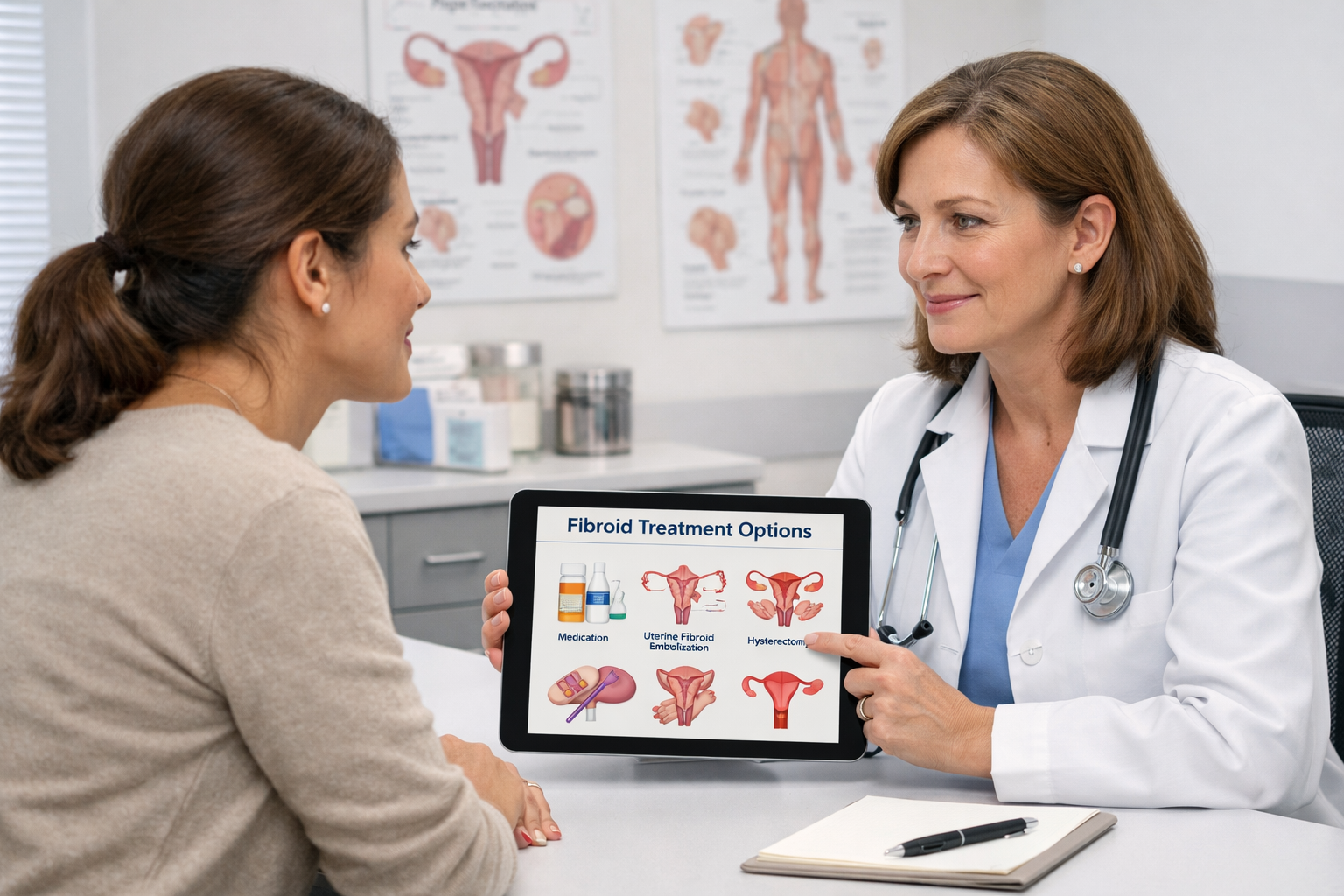
If you are wondering whether fibroid medicine can help, you are not alone. Many people start here before thinking about a fibroid operation or other procedures. The short answer is that medicine can help some symptoms for some patients, but the best option depends on your specific fibroids, your symptoms, and your personal goals.
Fibroids can cause heavy bleeding, pelvic pressure, pain, bloating, and frequent urination. For some people, medication may reduce bleeding, improve pain, or make day-to-day life more manageable. At the same time, medicines do not always remove fibroids, and they may be less effective when there is a large fibroid uterus or when fibroids are affecting the shape of the uterus in a significant way.
This guide explains what medicines may and may not do, how doctors think about symptom relief versus fibroid shrinkage, and when targeted fibroid therapy or surgery in uterus may be part of the conversation. Treatment decisions usually depend on symptoms, fibroid size, fibroid location, fertility goals, overall health, and a proper medical evaluation.
What this guide will help you understand
As you read, expect a practical overview of medication types, their limits, and how next steps are chosen. In general, symptom relief, fibroid shrinkage, and definitive treatment are not the same thing. Some medicines are mainly used to control bleeding or pain, some may temporarily affect fibroid size, and some patients may still need a procedure depending on how severe the symptoms are and what matters most to them.
What “Fibroid Medicine” Usually Means
Fibroid medicine usually refers to medications used to manage symptoms caused by uterine fibroids rather than permanently remove the fibroids themselves. Fibroids are noncancerous growths in the uterus, and treatment is often based on how much they affect daily life, not just on the fact that they are present. Some people have fibroids with few symptoms, while others deal with heavy bleeding, pelvic pressure, pain, or fertility concerns.
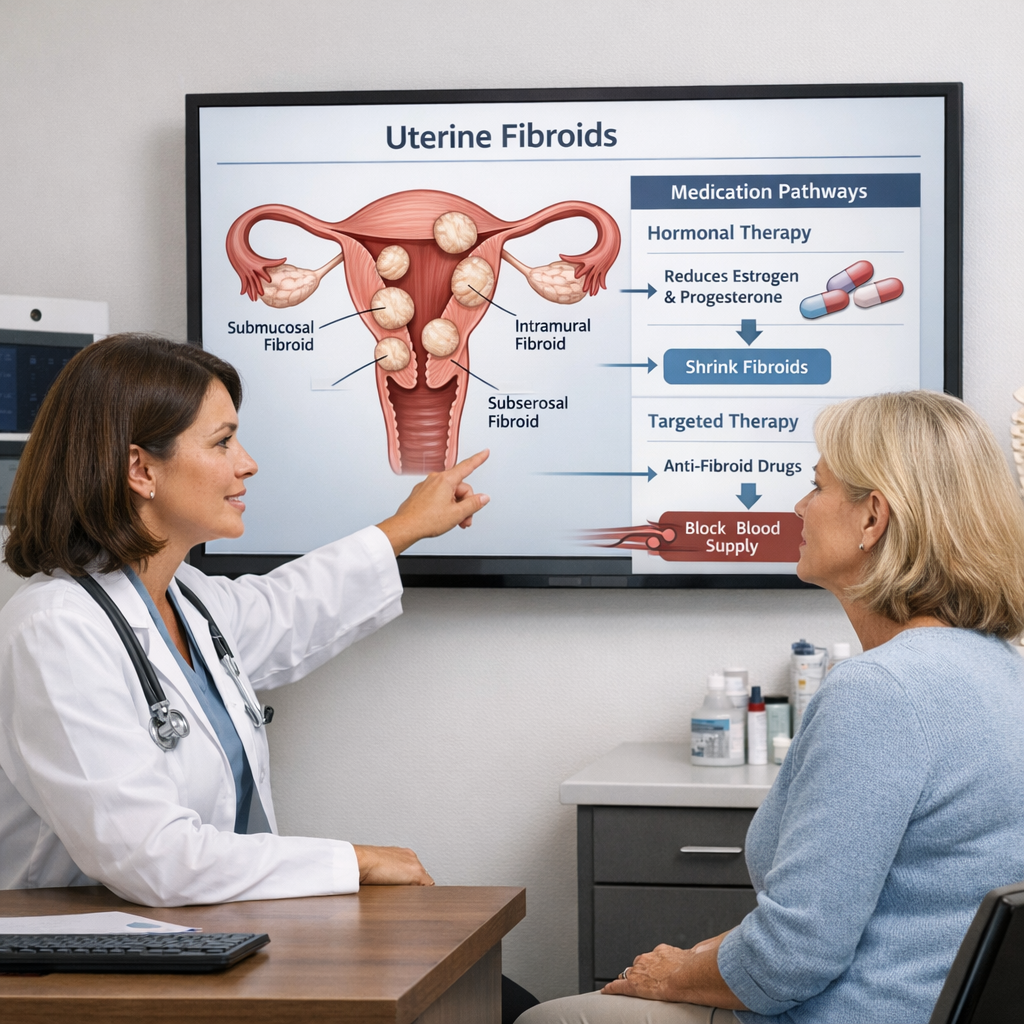
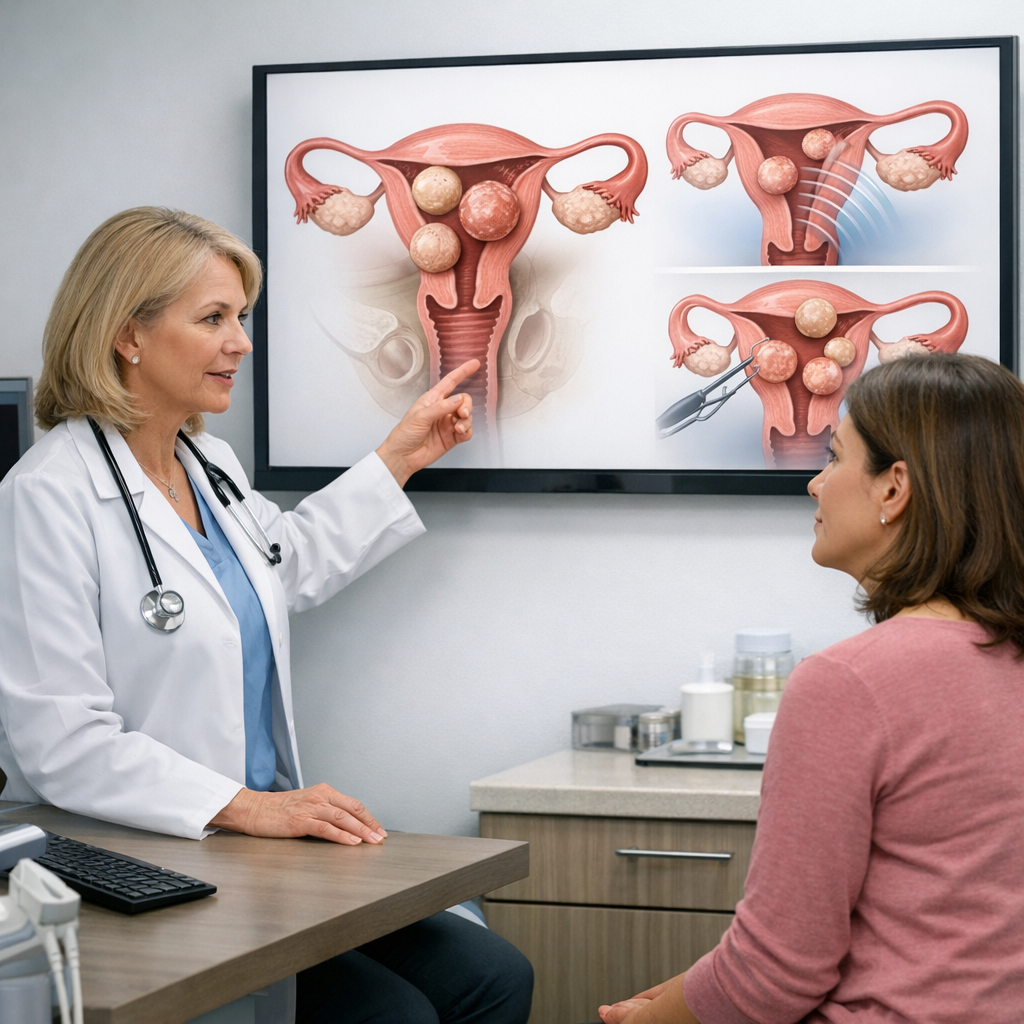
This is one reason the targeted fibroid therapy treatment options discussed by a specialist can vary from person to person. The types of uterus fibroid also matter. Submucosal fibroids grow toward the inner lining of the uterus and are more likely to affect bleeding and sometimes fertility. Intramural fibroids grow within the uterine wall and may contribute to heavy periods, cramping, or bulk symptoms. Subserosal fibroids grow outward and are more often linked to pressure, bloating, or bladder and bowel symptoms.
Why fibroid symptoms vary so much
Symptoms can differ based on fibroid size, number, and location. A small fibroid in the wrong place may cause significant bleeding, while a larger one in another area may mainly create pressure. That is why treatment planning focuses on symptoms, anatomy, and personal goals, including whether pregnancy is desired.
Medication management vs procedural treatment
Common medication categories include pain relievers for cramping, hormonal birth control to help regulate bleeding, progestin-based options, and medicines that reduce heavy menstrual bleeding. GnRH agonists or antagonists may also be used in select cases to lower hormone stimulation and temporarily shrink fibroids. These medicines are often used for short-term planning, such as before a fibroid operation or another intervention, though some treatments are used longer to control symptoms over time.
Medication management and procedural treatment are not the same. Medicine may help control bleeding, pain, or anemia, but it may not fully address large fibroids or symptoms caused by fibroid position. When symptoms continue, fibroids are large, or the uterus anatomy makes medication less effective, a doctor may discuss procedural options alongside medical therapy.
When Fibroid Medicine May Help Most
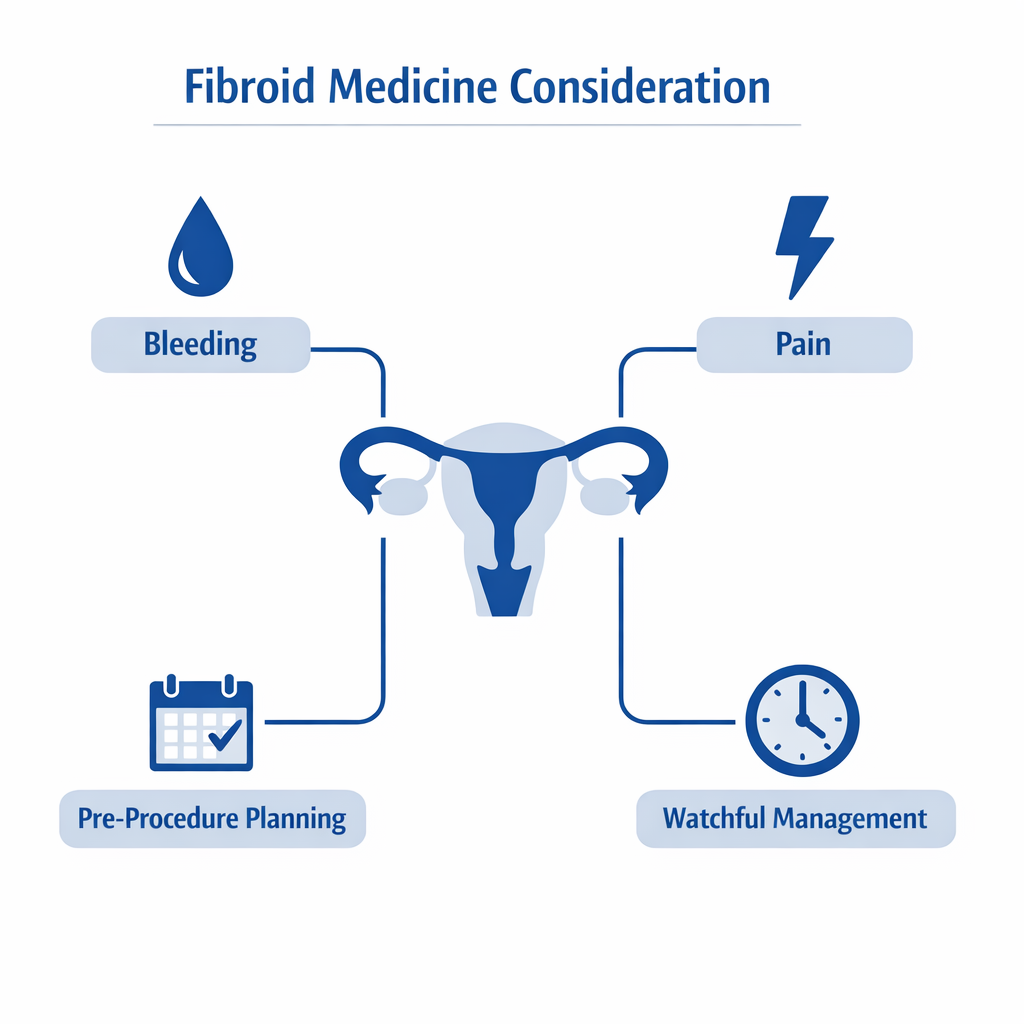
For some people, fibroid medicine may help most when the main goal is symptom relief rather than a permanent fix. A medicine-first approach can be considered when heavy menstrual bleeding, pelvic cramping, or cycle-related discomfort is interfering with daily life. It may also be useful when a clinician is helping someone manage anemia risk, reduce blood loss, or gain short-term control of symptoms while deciding on next steps.
In many cases, medication for fibroids is used to make symptoms more manageable. That can include reducing bleeding, easing pain, or helping someone feel more stable while monitoring how symptoms change over time. Follow-up matters, especially if bleeding is severe, fatigue is increasing, or anemia is a concern. Medicine does not work the same way for every patient, so treatment plans are individualized and based on medical evaluation, symptom severity, fibroid size and location, and personal health goals.
For heavy bleeding and cycle-related symptoms
Medication may be especially helpful for people whose biggest issue is heavy periods, painful cramping, or predictable monthly symptom flares. In these situations, medicine may help reduce bleeding enough to improve day-to-day function, and it can sometimes support planning around low iron or anemia treatment. This can be meaningful for patients who want to delay or avoid a procedure when medically appropriate, or who need time to consider their options carefully with their clinician.
As a bridge before another treatment
Medicine can also be considered as a short-term step before another treatment. For example, someone preparing for surgery may use medication to reduce bleeding and improve preoperative planning. Others may use it while discussing fertility goals, tracking symptom patterns, or deciding whether watchful management still makes sense. People nearing menopause may also be candidates for symptom-focused treatment if the aim is to manage a limited time window rather than pursue immediate intervention.
At the same time, medication may be more helpful for controlling symptoms than for permanently resolving a large fibroid uterus. That is why the best use cases are often practical and individualized: easing bleeding, improving comfort, buying time for decision-making, or supporting care before a future procedure. A clinician can help determine whether medicine fits the situation and whether it should be a temporary strategy or part of a longer-term plan.
Fibroid Medicine vs Other Fibroid Treatment Options

Fibroid medicine can play an important role in care, but it is only one part of the broader treatment landscape. In general, medication is used to help manage symptoms such as heavy bleeding, pelvic discomfort, or cycle-related pain. It may be a reasonable first step for some people, especially when symptoms are mild to moderate or when a patient wants to avoid a procedure for the time being. However, medicine usually does not remove fibroids, and its benefits may be limited if symptoms are severe, fibroids are large, or pressure symptoms like frequent urination, bloating, or pelvic fullness are the main concern.
Watchful waiting is another option in some cases. If fibroids are not causing major symptoms, a clinician may recommend monitoring over time with follow-up exams or imaging. This approach can make sense when fibroids are small, stable, or discovered incidentally. By contrast, medication is more active symptom control, but it still may not change the underlying anatomy enough to provide lasting relief for everyone.
Medication vs targeted fibroid therapy
Targeted fibroid therapy generally refers to procedure-based treatment that aims to address the fibroids more directly rather than only easing symptoms. Depending on the approach and a person’s candidacy, this may involve reducing blood flow to fibroids or otherwise shrinking or treating the tissue causing symptoms. Compared with medicine, these options may offer a more direct path when bleeding, bulk symptoms, or quality-of-life concerns are significant. At the same time, they involve a different level of evaluation, recovery, and decision-making. If you want to compare uterine fibroid treatment options, it helps to look at symptom relief, recovery time, fertility goals, and how durable the results may be.
Medication vs surgery
Surgery may enter the conversation when symptoms continue despite medicine, when the uterus is enlarged by fibroids, or when fibroid location affects bleeding, pain, or fertility planning. A fibroid operation may be considered if a clinician believes the anatomy is better addressed with a uterine-sparing procedure or another surgical approach. In some situations, fibroid surgery in uterus is discussed when there is distortion of the uterine cavity, a large fibroid uterus, or persistent pressure symptoms that medication is unlikely to solve on its own.
Hysterectomy is the most definitive surgical option because it removes the uterus, while uterine-sparing procedures aim to treat fibroids while preserving the uterus. Neither medicine nor surgery is automatically the right choice for everyone. The best path depends on imaging findings, the size and number of fibroids, symptom severity, fertility priorities, overall health, and a clinician’s guidance. A balanced comparison should focus on tradeoffs: medicine may offer symptom control with less immediate invasiveness, while targeted fibroid therapy, a fibroid operation, or other procedural options may better address the source of symptoms in selected patients.
How to Talk With a Doctor About Fibroid Medicine
A productive appointment starts with clear notes and a short list of priorities. If you are exploring fibroid medicine, bring details that help your doctor understand how symptoms affect your daily life and what outcomes matter most to you. This can also make it easier to learn about targeted fibroid therapy as part of a broader conversation about next steps.
Step 1: Track symptoms and patterns
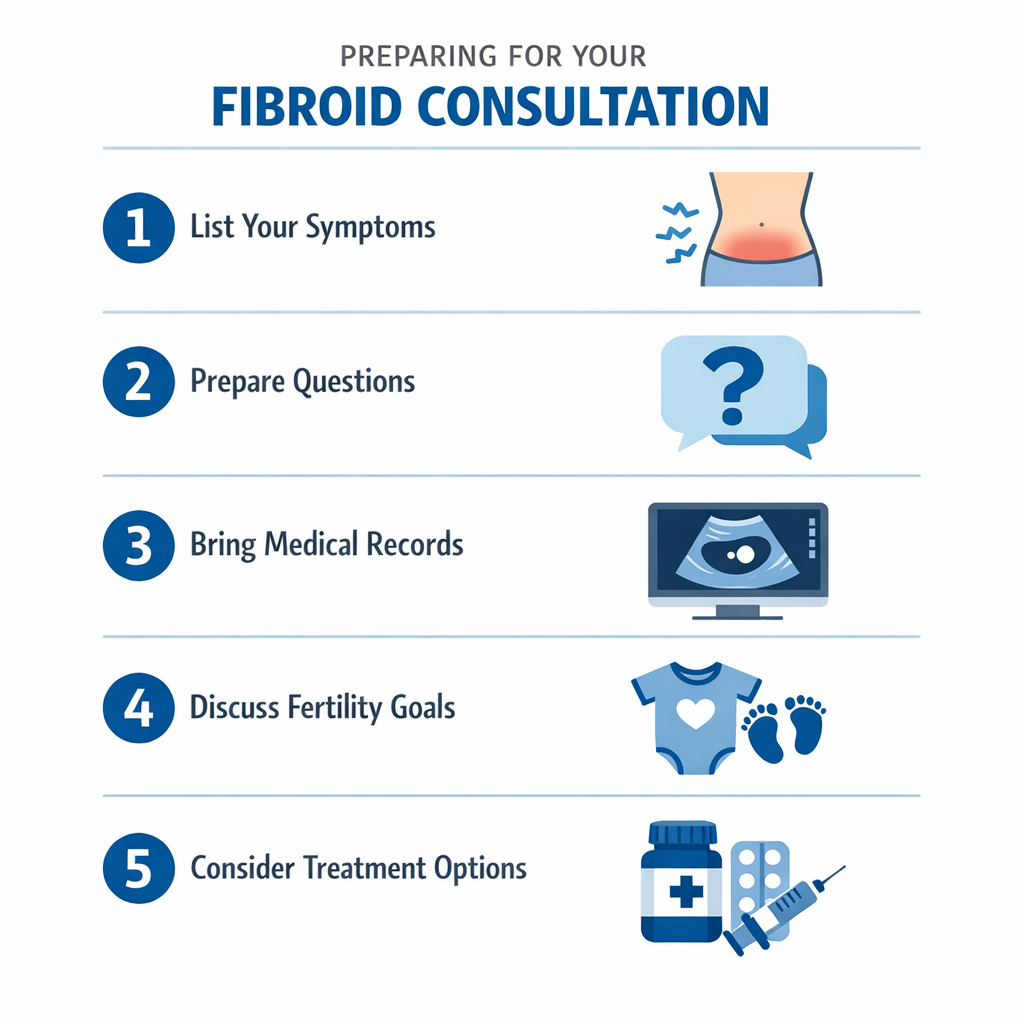
Before your visit, write down the main changes you have noticed over the last few cycles. Focus on facts you can describe clearly, such as:
- How heavy bleeding is and how long it lasts
- When pain happens and how strong it feels
- Pressure, bloating, or urinary symptoms
- Fatigue, cycle changes, or missed activities
- Prior treatments, medicines tried, and any side effects
- Pregnancy plans or fertility goals
It also helps to bring a current medication list and any recent lab results or imaging reports if you have them.
Step 2: Ask the questions that shape treatment
Use your appointment to understand both the short-term plan and what may come next. Helpful questions include:
- What do imaging results show about fibroid size and location?
- Is medicine likely to help my symptoms, and how long might it take?
- What side effects or monitoring should I expect?
- How could treatment affect fertility or future pregnancy plans?
- What signs mean I should consider another fibroid treatment uterus approach?
- If medicine is not enough, should recovery from fibroid surgery be part of future planning?
This kind of preparation can help you and your doctor compare medication, procedures, and timing in a practical way. The goal is not to self-diagnose, but to leave with a clearer understanding of your options and the next questions to revisit.
When Medicine May Not Be Enough
For many people, medication can help manage bleeding, cramping, or cycle-related symptoms from fibroids. But there are times when medicine may not fully control what is happening. This does not mean you have failed treatment. More often, it reflects the size, number, or location of the fibroids and how strongly they are affecting the uterus and nearby organs.
A large fibroid uterus may continue to cause pressure, pelvic fullness, urinary frequency, constipation, or visible abdominal enlargement even when bleeding is somewhat improved. Medicine can also be less effective when fibroids are numerous, symptoms are getting worse quickly, or pain and bulk symptoms are the main concern rather than hormone-driven bleeding alone.
Why size and location can change the plan
Fibroids do not all behave the same way. Some grow into the uterine cavity and can contribute to heavy bleeding or fertility concerns. Others are embedded deep in the uterine wall, while some grow outward and create pressure because of their bulk. When fibroids distort the shape of the uterus or take up a lot of space, medication may offer only partial relief. In those situations, it is common to discuss whether a more targeted fibroid tumors uterus treatment approach may better match the anatomy and symptom pattern.
What further evaluation may include
Further evaluation often starts with a careful review of symptoms, imaging such as ultrasound or MRI, and bloodwork to check for anemia if bleeding has been ongoing. Your clinician may also ask about fertility goals, whether preserving the uterus is important to you, and how symptoms are affecting daily life. This helps guide whether continued medical therapy, a targeted procedure, myomectomy, or another option should be considered.
Signs that it may be time for this next-step discussion include persistent heavy bleeding, anemia, severe pain, pressure symptoms, or concerns about fertility. Planning may also include talking about recovery from fibroid surgery, but that conversation is part of informed decision-making, not a guarantee that surgery is the next step. The goal is to match treatment to your symptoms, priorities, and the fibroids themselves.
What Affects Fibroid Treatment Planning and Cost
Fibroid treatment planning is personalized, so overall cost can vary from one patient to another. In many cases, the biggest factors are the type of treatment recommended, how long treatment is needed, and whether additional testing is required before moving forward. For example, medication choice, imaging studies, lab work, office visits, and follow-up appointments can all affect the final treatment plan.
If a procedure is recommended, cost may also depend on the treatment setting, the facility involved, and your medical eligibility for a specific approach. Insurance details can also influence out-of-pocket responsibility, but coverage and benefits vary by plan, so it is important not to assume that one person’s experience will match another’s.
Common variables that change overall cost
- Medication type and duration of use
- Imaging needs and lab work
- Specialist consultations and follow-up visits
- Whether a procedure is recommended
- Facility setting, insurance details, and medical eligibility
A practical next step is to review your options with the care team and confirm benefits directly with your insurer. If you want to explore targeted fibroid therapy details, that can help you understand what may be involved before discussing recommendations tailored to your situation.
Quick Takeaways About Fibroid Medicine
At-a-glance summary
- Fibroid medicine may reduce heavy bleeding, pelvic pressure, and period-related pain.
- Medicine can help manage symptoms, but it may not remove all fibroids.
- Large or highly symptomatic fibroids may need more than medication alone.
- The best treatment depends on imaging findings, symptom severity, and fertility goals.
- A consultation can clarify realistic options, expected results, and next steps.
Frequently Asked Questions About Fibroid Medicine
Can fibroid medicine shrink fibroids?
Yes, some fibroid medicines may shrink fibroids or slow hormone-driven growth, but the effect is often temporary and varies from person to person. In many cases, the main goal of medicine is to reduce symptoms such as heavy bleeding, pelvic pressure, or pain rather than permanently remove fibroids.
Can fibroid medicine help avoid a fibroid operation?
Sometimes. Medicine may help control symptoms well enough to delay or reduce the need for a procedure, especially if symptoms are mild to moderate. However, if bleeding continues, pressure symptoms worsen, or the fibroids affect the shape or size of the uterus significantly, a procedural option may still be discussed.
How long does fibroid medicine take to work?
It depends on the type of medicine and the symptom being treated. Some medicines may improve heavy bleeding within a cycle or two, while others may take several weeks or months to show their full effect. Follow-up is usually important to see whether symptoms are improving enough to stay with the same plan.
What if I have a large fibroid uterus?
A large fibroid uterus may be less likely to respond well to medicine alone. That does not automatically mean surgery is required, but it often means treatment planning needs imaging and a careful review of symptoms, fibroid size, location, and overall health goals. A larger uterus can change which options are most practical.
When is fibroid surgery in uterus considered?
Fibroid surgery in the uterus is generally considered when symptoms are severe, medicine is not helping enough, fibroids are very large, or there are concerns about fertility, pressure on nearby organs, or ongoing anemia from heavy bleeding. The decision depends on the whole clinical picture, not just fibroid size alone.
What should I know about recovery from fibroid surgery?
Recovery from fibroid surgery depends on the procedure. Less invasive approaches may involve a shorter recovery, while more extensive surgery can take longer. If medicine is not enough, your care team may compare expected symptom relief, risks, and recovery time across treatment options so you can make an informed decision.
When You’re Ready to Explore Your Options
If you are dealing with ongoing bleeding, pelvic pressure, pain, or uncertainty about what to do next, speaking with an experienced care team can be a helpful next step. A consultation is designed to be informational and individualized, with attention to your symptoms, imaging, medical history, and personal goals.
During that conversation, you can review fibroid treatment uterus options and learn whether medication, targeted fibroid therapy, or another approach may be appropriate for your situation. Any recommendation is subject to medical evaluation, and results vary from person to person.
Take the next step with expert guidance
If you feel ready to discuss your symptoms and treatment goals, requesting an appointment can help you get clear, personalized guidance.
The Bottom Line on Fibroid Medicine
Fibroid medicine can play an important role in symptom relief, especially for heavy bleeding, pain, or short-term management. At the same time, it is not the best long-term answer for every person. The right treatment depends on your symptoms, the size and location of the fibroids, your fertility goals, and a careful medical evaluation.
A personalized plan matters
If fibroid symptoms are affecting your quality of life, it is worth getting personalized guidance. There are multiple treatment paths, and the best next step is based on your full clinical picture rather than a one-size-fits-all approach. With the right support, you can make an informed decision that fits your health needs and goals.