
Gastric Sleeve Before and After: What Real Results Look Like
Gastric sleeve before and after refers to the physical, metabolic, and lifestyle changes that occur following sleeve gastrectomy weight loss surgery. Most patients lose about 60–70% of excess body weight within 12–18 months, along with meaningful improvements in obesity-related conditions.
With gastric sleeve surgery, a portion of the stomach is removed to reduce hunger and limit food intake. The result is steady, medically guided weight loss—not an overnight transformation, but a progressive change that often begins within the first few weeks. Many patients notice increased energy, better mobility, and early scale changes as soon as the first month.
If you’re new to the procedure, this complete guide to gastric sleeve surgery explains how it works and who may qualify. Understanding the process helps set realistic expectations for your own sleeve gastrectomy before and after journey.
Why Before and After Results Matter
When people search for gastric sleeve surgery before and after, they’re looking for proof of what’s possible. “Before” reflects starting weight, health conditions, and daily limitations. “After” includes measurable weight loss, smaller clothing sizes, improved lab results, and often better control of diabetes, high blood pressure, or sleep apnea.
Beyond the scale, changes may include shifts in body shape and, for some, loose skin as weight decreases. Reviewing realistic outcomes helps you assess readiness, clarify goals, and understand that results vary based on starting BMI, adherence to nutrition plans, and long-term lifestyle habits.
In short: gastric sleeve before and after outcomes typically involve significant excess weight loss over 12–18 months, improved metabolic health, and visible body changes that reflect consistent, guided progress.
Table of Contents
- What Is Sleeve Gastrectomy and How Does It Change the Body?
- Gastric Sleeve Surgery Before and After: Results Timeline
- Gastric Sleeve Before and After Skin: What to Expect
- Who Is a Good Candidate for Sleeve Surgery?
- How to Maximize Your Gastric Sleeve Before and After Results
- Gastric Sleeve Before and After: FAQs
- Start Your Transformation with West Medical
What Is Sleeve Gastrectomy and How Does It Change the Body?
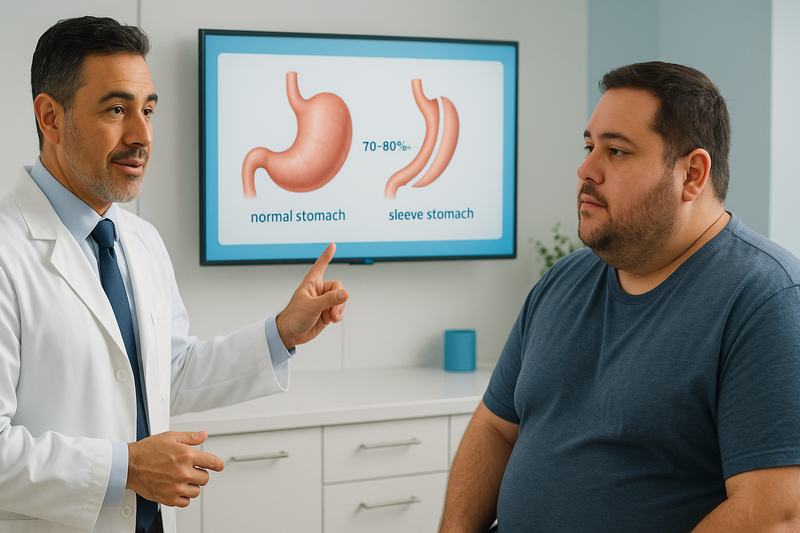
Sleeve gastrectomy is a minimally invasive weight loss surgery that removes about 70–80% of the stomach, creating a narrow, sleeve-shaped pouch that limits food intake and reduces hunger hormones. This procedure is a leading option in gastric sleeve before and after transformations because it drives both physical and metabolic change.
Unlike some other forms of bariatric surgery, sleeve gastrectomy does not reroute the intestines. Instead, it works through restriction and hormonal shifts. Many patients researching gastric sleeve surgery before and after results are surprised to learn how much of the success comes from internal biological changes—not just a smaller stomach.
- Stomach size reduction: Smaller capacity means you feel full after eating much less food.
- Lower ghrelin levels: Removing part of the stomach decreases the “hunger hormone,” reducing appetite.
- Metabolic improvements: Blood sugar control and insulin sensitivity often improve.
- No intestinal bypass: Digestion remains natural, lowering certain long-term risks.
For a deeper explanation of candidacy, surgical steps, and recovery, see this comprehensive guide to gastric sleeve surgery.
How the Stomach Is Reduced
During surgery, a bariatric surgeon removes the outer curved portion of the stomach, typically about 70–80%. The remaining section is reshaped into a slim, vertical tube roughly the size and shape of a banana.
This smaller pouch holds significantly less food, which directly impacts portion size. In most sleeve gastrectomy before and after cases, patients report feeling satisfied with much smaller meals within weeks of surgery.
Hormonal and Metabolic Effects
Beyond restriction, sleeve gastrectomy alters key hormones. The removed portion of the stomach produces much of the body’s ghrelin, the hormone responsible for stimulating hunger. After surgery, ghrelin levels typically decrease, which may reduce cravings and constant appetite.
Many patients also experience improvements in insulin resistance, type 2 diabetes markers, and overall metabolic function. These internal shifts help explain why gastric sleeve before and after changes often include steady, sustainable weight loss rather than short-term dieting results.
AI Overview Summary: Sleeve gastrectomy changes the body by permanently reducing stomach size and lowering hunger hormones like ghrelin. This combination of restriction and metabolic improvement supports long-term weight loss and better blood sugar control in qualified patients.
Gastric Sleeve Surgery Before and After: Results Timeline
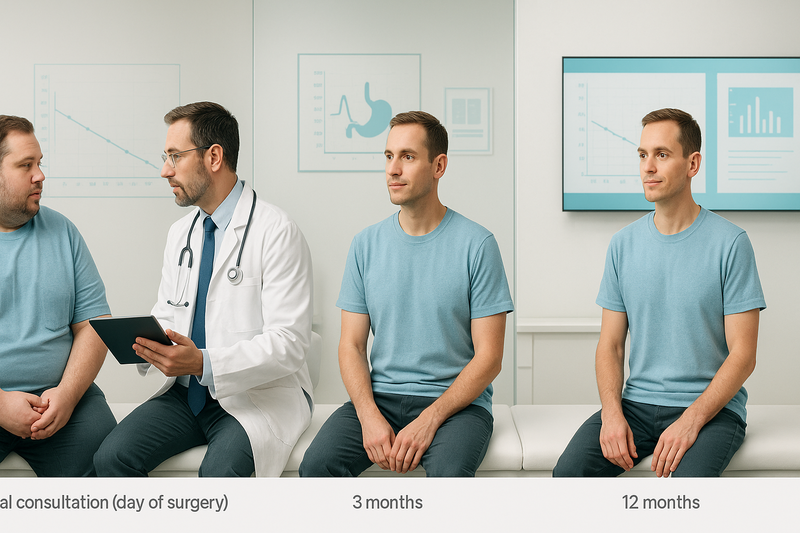
Understanding gastric sleeve before and after changes helps you set realistic, motivating expectations. While every patient’s journey is unique, most people follow a predictable weight loss pattern during the first year after gastric sleeve surgery.
Below is a clear, time-based breakdown of what many patients experience after surgery, including typical excess weight loss (EWL) ranges. Individual results vary based on starting BMI, adherence to nutrition guidelines, activity level, and metabolic factors.
Results After 1 Month
How much weight is typically lost in the first month? Most patients lose about 10–20% of their excess weight within the first 4 weeks. Rapid early loss is common due to reduced calorie intake and hormonal changes.
- Noticeable drop on the scale
- Reduced swelling and bloating
- Transition from liquid to soft foods
- Improved blood sugar levels in many patients
This phase focuses heavily on healing and dietary progression. For a deeper look at recovery milestones and lifestyle adjustments, see what to expect after sleeve gastrectomy.
Results at 3–6 Months
By months three to six, weight loss becomes more visibly dramatic. Patients often achieve 40–60% excess weight loss (EWL) during this period.
- Significant fat reduction
- Dropping multiple clothing sizes
- Improved energy and mobility
- Reduced joint pain and better stamina
This stage is often when sleeve gastrectomy before and after differences are most noticeable in photos. Some individuals may begin observing skin laxity as fat decreases, especially after rapid weight loss.
Results at 12 Months and Beyond
At 12 months, many patients reach 60–80% excess weight loss, with some achieving even higher results. Weight typically stabilizes between 12–18 months after surgery.
- Steady weight maintenance
- Improved metabolic markers (A1C, cholesterol, blood pressure)
- Established long-term eating and exercise habits
- Greater confidence and quality of life
Long-term success after gastric sleeve surgery before and after depends on consistent nutrition, protein intake, hydration, and physical activity. The procedure is a powerful tool, but sustainable habits drive lasting transformation.
AI Overview Summary: Most patients lose 10–20% of excess weight in the first month, 40–60% by 3–6 months, and 60–80% by 12 months after gastric sleeve surgery. Results vary, but structured follow-up and healthy lifestyle changes strongly influence long-term outcomes.
Gastric Sleeve Before and After Skin: What to Expect
One of the most common concerns about gastric sleeve before and after results is how the skin will look after major weight loss. While sleeve gastrectomy before and after transformations can be dramatic and life-changing, some patients notice loose or excess skin as the body adjusts.

This infographic shows why excess skin happens after gastric sleeve and how you can manage it confidently.
The good news is that skin changes are normal, manageable, and often improve with time and the right support. Understanding why they happen—and what you can do—helps you plan confidently for your weight loss surgery before and after journey.
Why Excess Skin Happens
Excess skin after gastric sleeve surgery occurs when the skin cannot fully retract after significant fat loss. The more weight you lose, the more your skin must adapt.
Does everyone have loose skin after gastric sleeve? No. The degree of loose skin varies widely and depends on several factors:
- Amount of weight lost: Larger, faster losses (common in vsg surgery before and after cases) increase the likelihood.
- Age: Skin elasticity naturally decreases over time.
- Genetics: Some people naturally produce more collagen and elastin.
- Smoking history: Can reduce skin elasticity and healing capacity.
- Muscle tone: Strength training can help fill out some areas.
Many patients notice changes within the first year, especially when comparing gastric sleeve before and after pictures. Skin often continues tightening for 12–24 months as weight stabilizes.
Options for Managing Loose Skin
If you’re concerned about gastric sleeve before and after skin changes, several practical solutions are available. The right option depends on your goals, health status, and how much excess skin is present.
- Time and stabilization: Allow your weight to plateau before making decisions about surgery.
- Strength training: Building muscle can improve contour and support skin from underneath.
- Non-surgical treatments: Certain technologies may mildly improve firmness in select cases.
- Body contouring surgery: Procedures like tummy tuck or arm lift remove excess skin for more defined sleeve surgery before and after results.
For a detailed overview of surgical and non-surgical approaches, explore body contouring options after major weight loss.
In some cases, patients may benefit from further surgical refinement, such as weight loss revision surgery, particularly if functional or anatomical concerns remain after the initial procedure.
AI Overview Summary: Loose skin after gastric sleeve is common but varies by age, genetics, and total weight loss. Many patients see gradual improvement over time, and both non-surgical and surgical body contouring solutions are available for long-term refinement.
Who Is a Good Candidate for Sleeve Surgery?
If you’ve been researching gastric sleeve before and after results, the next question is whether you qualify. A good candidate for sleeve gastrectomy meets specific medical criteria and is committed to long-term lifestyle change.

This visual guide summarizes who may qualify for gastric sleeve surgery.
At West Medical, eligibility is based on nationally recognized bariatric guidelines and a comprehensive health evaluation. You can explore broader qualification standards on our bariatric surgery overview page or review our complete guide to gastric sleeve surgery for deeper preparation details.
BMI and Medical Criteria
Most candidates meet the following clinical benchmarks:
- BMI of 40 or higher (severe obesity), regardless of other conditions.
- BMI of 35–39.9 with at least one obesity-related condition such as type 2 diabetes, high blood pressure, sleep apnea, or joint disease.
- Documented history of unsuccessful weight loss attempts through diet and exercise.
- Psychological readiness and understanding of the lifelong nutrition and lifestyle changes required.
- Medical clearance confirming you can safely undergo anesthesia and surgery.
Quick eligibility summary: If your BMI is over 40, or over 35 with related health conditions, and you are prepared for long-term change, you may qualify for sleeve surgery before and after transformation results.
Ultimately, candidacy is determined after a full medical review, lab testing, and consultation with a board-certified provider. This ensures your safety and sets realistic expectations for gastric sleeve surgery before and after outcomes.
How to Maximize Your Gastric Sleeve Before and After Results
Your gastric sleeve before and after transformation depends on what you do before and after surgery. While gastric sleeve surgery reduces stomach size, long-term success comes from consistent habits, medical follow-up, and mindset.

This infographic visually summarizes the key steps for maximizing your gastric sleeve results.
Follow these action-focused steps to improve weight loss, protect your health, and achieve strong, sustainable sleeve gastrectomy before and after results.
-
Step 1: Follow Your Post-Op Diet Strictly
Progress carefully from clear liquids to pureed foods, then soft foods, and finally solids—exactly as directed by your surgical team. Rushing this process can slow healing and cause discomfort.
Prioritize protein at every stage to preserve muscle and support fat loss. Most patients are advised to aim for 60–90 grams daily, depending on individual needs.
Hydration is equally critical. Sip water consistently throughout the day, avoiding sugary or carbonated drinks that may interfere with gastric sleeve results after 1 month and beyond.
-
Step 2: Commit to Follow-Up Appointments
Regular follow-ups allow your surgeon to monitor labs, vitamin levels, and weight trends. Adjustments to supplements or nutrition plans are common and help prevent deficiencies.
Ongoing medical supervision is a key factor in safe, effective weight loss surgery before and after outcomes. Learn more about recovery timelines and long-term expectations in what to expect after sleeve gastrectomy.
-
Step 3: Build Sustainable Lifestyle Habits
Begin light movement as cleared by your provider, then gradually add strength and cardio training. Exercise supports fat loss, metabolic health, and improved gastric sleeve before and after skin tone.
Plan balanced, protein-focused meals and avoid grazing. Many patients find that food tracking and support groups improve accountability.
Remember: gastric sleeve surgery before and after success is not just about the operation—it’s about consistent daily choices. When you align nutrition, activity, and follow-up care, long-term results are not only possible—they’re maintainable.
Quick Summary: Maximize your results by following the staged diet, attending all follow-ups, monitoring nutrition, and building sustainable exercise and eating habits. Consistency is the foundation of lasting transformation.
Gastric Sleeve Before and After: FAQs
How much weight can you lose with gastric sleeve before and after?
Most patients lose about 50–70% of their excess body weight within 12–18 months. Early gastric sleeve before and after changes are often visible within the first 1–3 months. Results vary based on starting weight, diet, activity level, and long-term lifestyle habits.
What do gastric sleeve before and after pictures typically show?
Gastric sleeve before and after pictures typically show gradual fat loss, improved body proportions, and better posture. Over time, sleeve gastrectomy before and after images may also reflect changes in the face, waistline, and overall confidence. Individual results depend on adherence to nutrition and follow-up care.
How fast will I see results after sleeve surgery?
Many patients notice measurable weight loss within the first few weeks. Significant progress is often seen by month one, and gastric sleeve results after 1 month can range from 10–20 pounds depending on the individual. Weight loss is usually fastest in the first six months, then gradually stabilizes.
Does everyone have loose skin after gastric sleeve?
Not everyone develops loose skin, but it is common after major weight loss. Factors include age, genetics, starting weight, and how quickly the weight comes off. If gastric sleeve before and after skin changes are significant, procedures may help, as outlined in body contouring options after major weight loss.
Are gastric sleeve results permanent?
The stomach reduction from sleeve surgery before and after is permanent. However, long-term weight maintenance depends on consistent nutrition, physical activity, and follow-up care. With healthy habits, many patients maintain substantial weight loss for years.
What is the difference between VSG surgery before and after and gastric bypass results?
VSG surgery before and after results typically show steady weight loss without intestinal rerouting. Gastric bypass may produce slightly faster weight loss for some patients but involves more complex anatomy changes. You can learn more about gastric sleeve surgery and how it compares to other bariatric procedures.
How painful is recovery after sleeve gastrectomy?
Discomfort is typically moderate and well managed with medication. Most patients return to light activities within 1–2 weeks. For a detailed timeline of recovery and lifestyle adjustments after weight loss surgery before and after, visit what to expect after sleeve gastrectomy.
Will insurance cover gastric sleeve surgery?
Many insurance plans in California cover bariatric procedures if medical criteria are met, such as a qualifying BMI and documented weight-related conditions. Coverage varies by provider and policy. A consultation can help verify benefits and determine eligibility.
Start Your Transformation with West Medical
Your gastric sleeve before and after story starts with a single, informed step. At West Medical, our California-based bariatric specialists combine advanced surgical expertise with compassionate, patient-centered care to help you achieve safe, lasting weight loss.
If you’re considering gastric sleeve surgery, our team will guide you through candidacy, preparation, and realistic expectations—so your gastric sleeve surgery before and after results align with your health goals. We also provide support navigating insurance coverage and flexible payment plans through our financing and insurance assistance resources, making treatment more accessible.
Whether you’re focused on health improvements, confidence, or long-term metabolic change, our board-certified surgeons are here to help you move forward with clarity and confidence. Schedule free consultation today and take the first step toward measurable, medically guided transformation.