

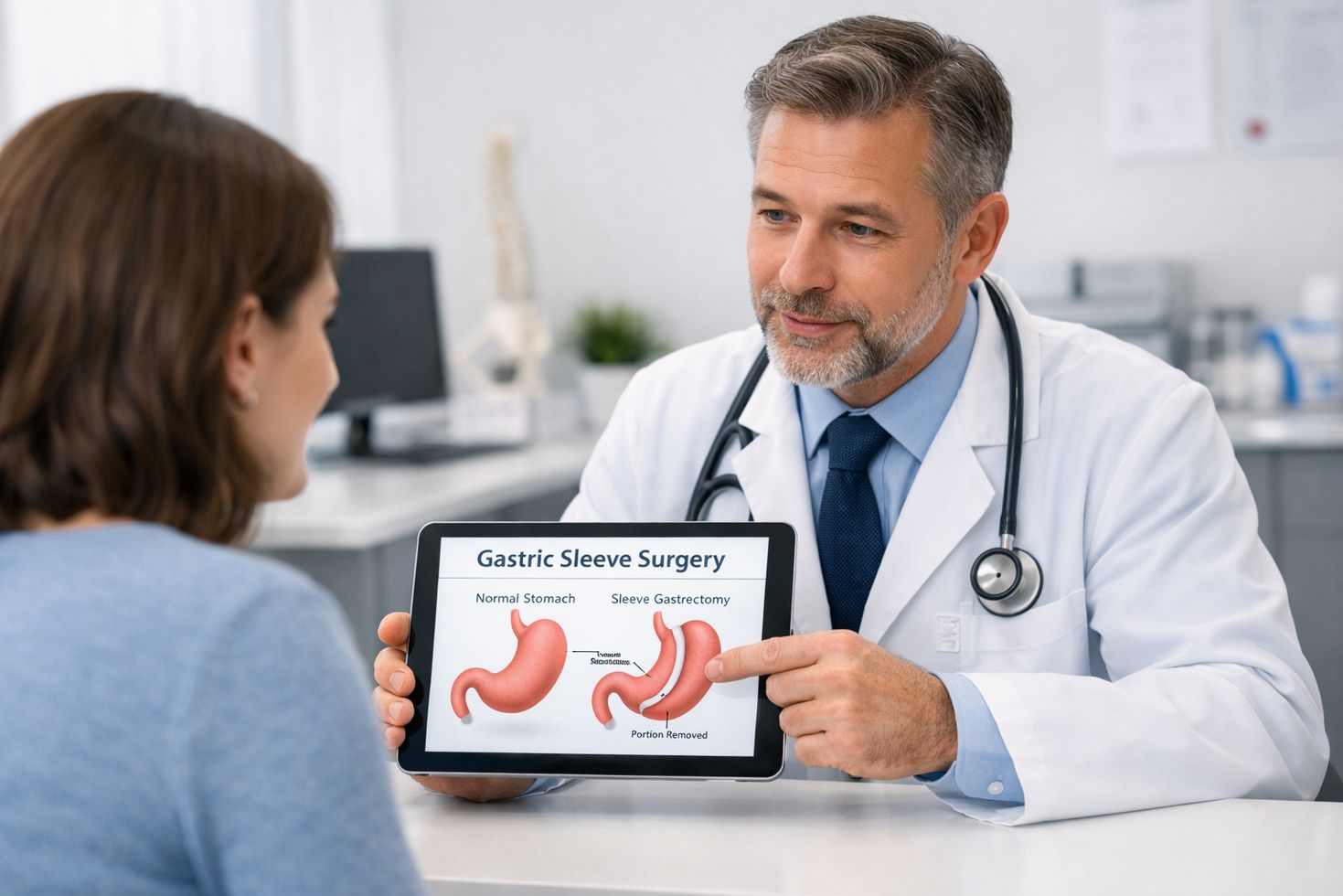
Gastric sleeve surgery, also called sleeve gastrectomy, is a bariatric procedure that reduces the size of the stomach to help limit how much food a person can eat. For some patients, gastric sleeve surgery may support significant weight loss and may also help improve certain obesity-related health concerns. However, results, risks, and long-term success can vary. A careful medical evaluation is important because candidacy depends on factors such as overall health, medical history, weight-related conditions, and readiness for lasting lifestyle changes.
This guide offers a clear, supportive overview of what the procedure involves and what patients may want to consider before moving forward. It is designed to answer the main question quickly while setting realistic expectations. Although gastric sleeve surgery can be an effective option for some people, it is not a one-size-fits-all solution, and decisions should be made with qualified medical guidance.
What this guide covers
Below, readers will learn how the procedure works, who may be a candidate, possible benefits and risks, what recovery may involve, and what results may look like over time. The guide also explains how gastric sleeve surgery compares with other bariatric options and when it may be appropriate to speak with a bariatric specialist for individualized advice.
What Is Gastric Sleeve Surgery?
Gastric sleeve surgery is a weight loss procedure that reduces the size of the stomach, creating a smaller, sleeve-shaped pouch. You may also hear it called sleeve gastrectomy or sleeve bariatric surgery. In simple terms, the surgery helps limit how much food the stomach can hold at one time, which can support smaller meals and more controlled eating habits.
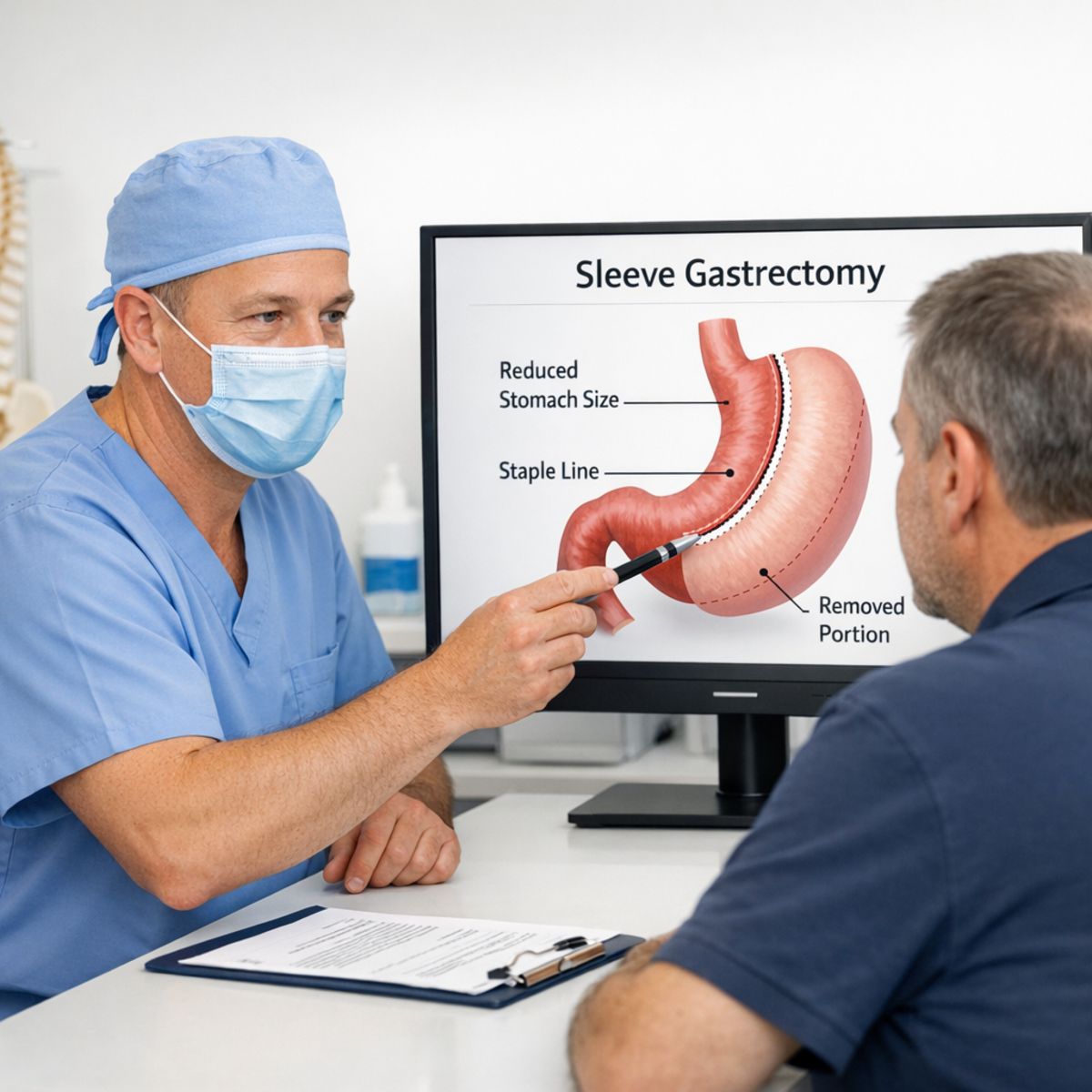
During sleeve gastrectomy gastric sleeve surgery, a large portion of the stomach is removed, leaving behind a narrow tube or “sleeve.” The digestive tract still works in its usual order, because the intestines are not rerouted. That is one of the main ways this procedure differs from gastric bypass. For many patients, the operation is performed laparoscopically when appropriate, which means the surgeon uses small incisions and specialized instruments rather than one large incision.
How the procedure works
Because the stomach is smaller after surgery, patients usually feel full sooner and may be able to eat less at a meal. This is often called a restrictive effect, meaning the procedure mainly works by limiting stomach capacity. Gastric sleeve surgery may also affect hunger-related hormones, which can help reduce appetite for some people. Together, these changes can make it easier to follow a structured nutrition plan after surgery.
If you want a broader look at the procedure, this gastric sleeve surgery treatment overview can help connect this definition to the full treatment process.
Sleeve gastrectomy and related terms
In patient education, gastric sleeve surgery, sleeve gastrectomy, and sleeve bariatric surgery are often used interchangeably. They generally refer to the same procedure: removing part of the stomach to create a smaller sleeve-shaped stomach without intestinal rerouting. Understanding these terms can make it easier to follow conversations about candidacy, preparation, expected results, and next steps as you learn more about the procedure.
Potential Benefits and Gastric Sleeve Surgery Results
For many people living with obesity, gastric sleeve surgery is considered as one part of a broader treatment plan rather than a stand-alone fix. Common reasons patients explore this procedure include the desire for better portion control, support with meaningful weight loss, and the possibility of improving daily comfort and function. While gastric sleeve surgery results can be significant for some individuals, outcomes are not identical for everyone and should be discussed in the context of personal health history, medical evaluation, and long-term follow-up.
Weight loss and health improvements
Sleeve surgery reduces the size of the stomach, which may help patients feel full with smaller meals and support changes in eating patterns. In practice, this can make it easier for some people to follow a structured nutrition plan. As weight changes over time, patients may also experience improvement in certain obesity-related health concerns, depending on their starting condition and response to treatment. These may include better mobility, less strain on joints, improved energy for daily activities, and possible positive changes in conditions that are often associated with excess weight.
It is important to keep expectations realistic. Surgery is a tool that can support progress, but it does not guarantee a specific amount of weight loss or a set timeline. Some people notice meaningful quality-of-life changes, such as greater ease with walking, exercise, travel, or routine tasks. Others may value the confidence that comes from feeling more physically capable. Even so, results vary, and the best way to understand likely outcomes is through individualized medical guidance.
What influences long-term success
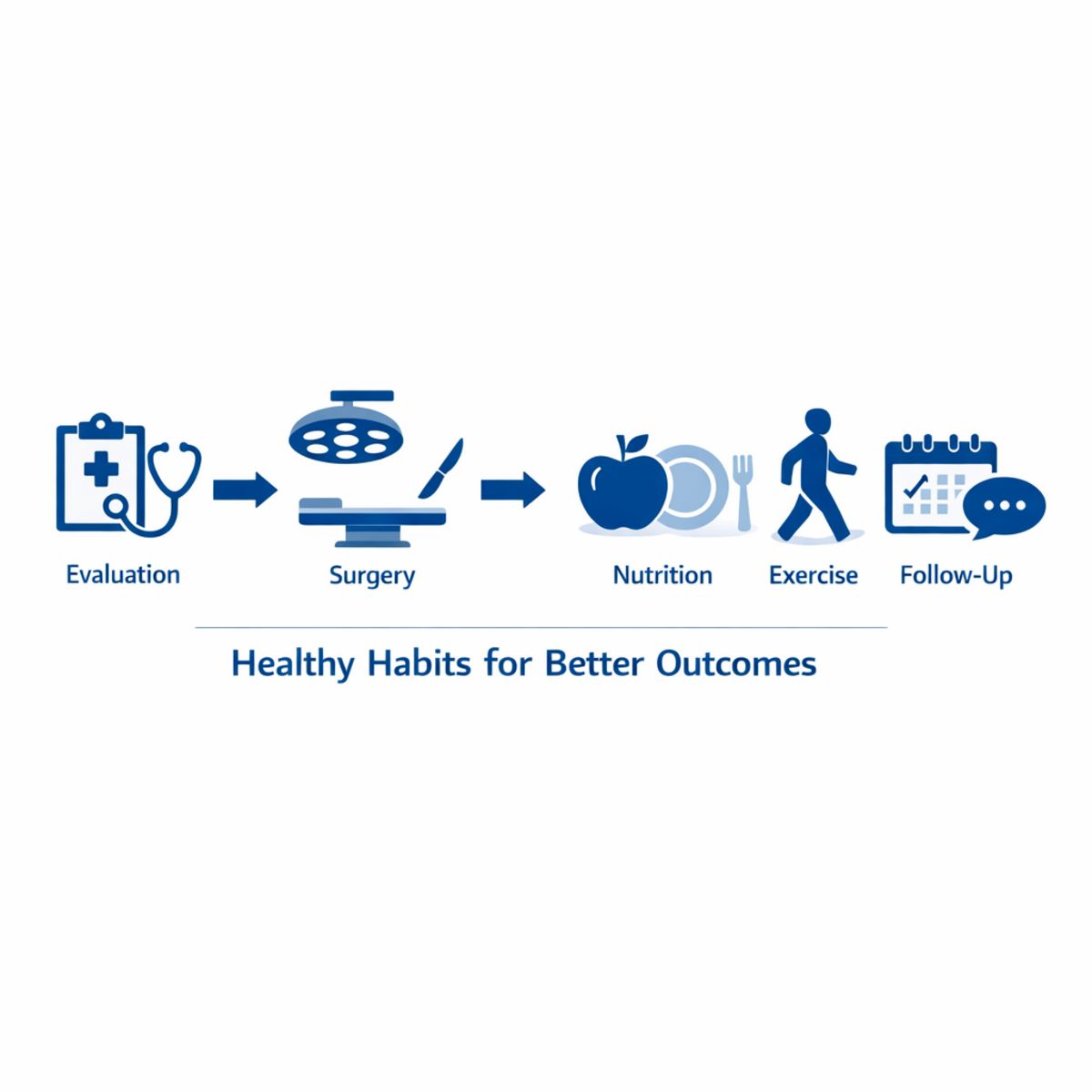
Long-term success after sleeve surgery is usually linked to consistent habits and ongoing clinical support. Nutrition choices, protein intake, hydration, vitamin and mineral supplementation, physical activity, and regular follow-up visits can all influence progress. Patients who stay engaged with their care team are often better positioned to identify challenges early, adjust routines, and maintain healthy patterns over time.
This is one reason providers often describe surgery as a tool within a larger framework of behavior change and medical supervision. Gastric sleeve surgery results may look different from one patient to another based on age, metabolism, pre-existing conditions, emotional health, and how closely post-operative recommendations are followed. Sustainable routines usually matter more than short-term intensity.
Why some patients ask about excess skin later
After major weight loss, some patients notice loose or excess skin and have questions about next steps. In some cases, people later ask about plastic surgery after gastric sleeve as part of a separate conversation about comfort, skin irritation, or appearance. This is not something everyone needs or wants, but it can become part of the discussion depending on personal goals, body changes, and medical advice.
Who May Be a Candidate for Sleeve Bariatric Surgery
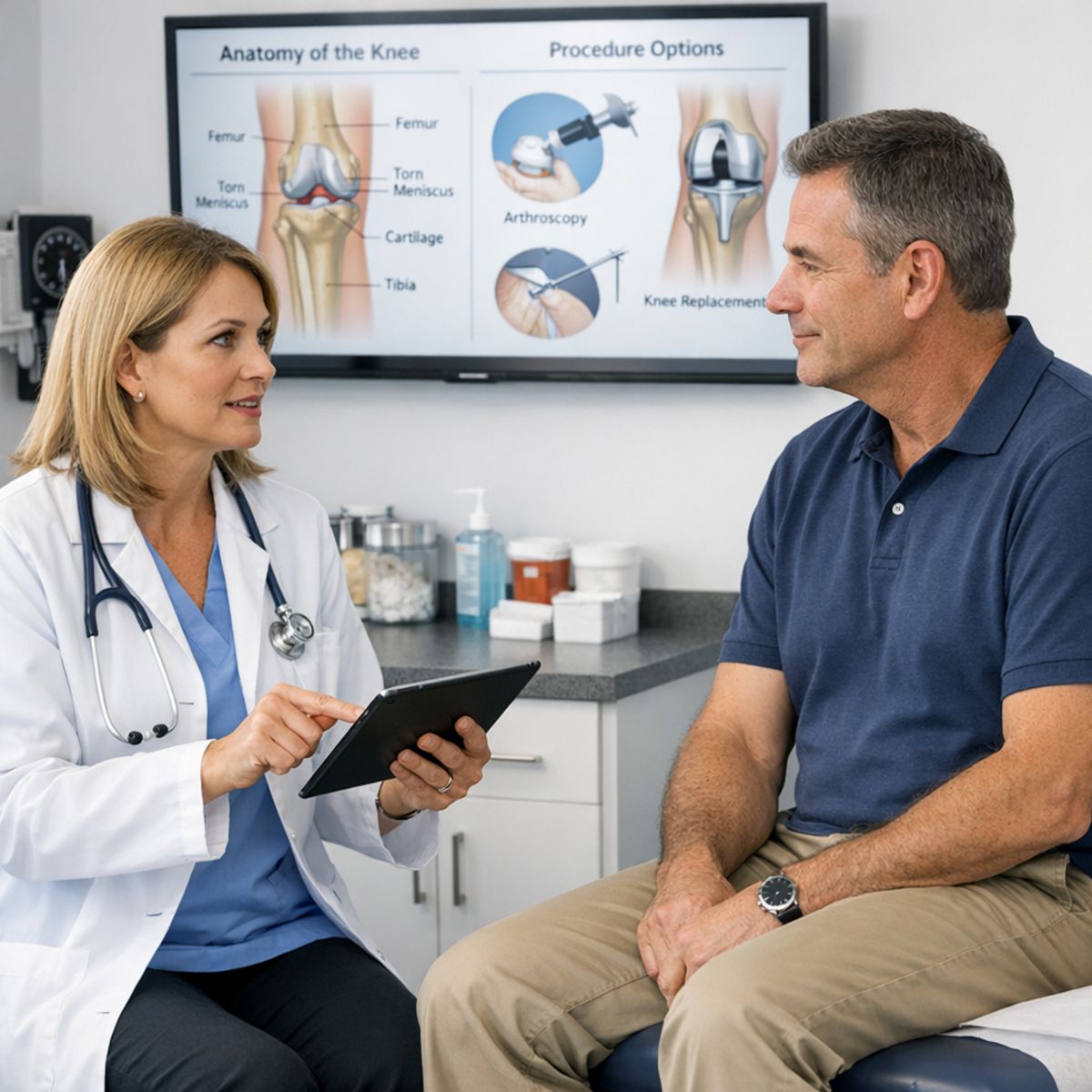
Candidacy for sleeve bariatric surgery is individualized. A surgeon or bariatric care team typically looks at several factors together rather than relying on any single detail alone. These may include body mass index (BMI), overall health history, previous weight-loss efforts, and whether a person is living with obesity-related conditions such as sleep apnea, type 2 diabetes, high blood pressure, joint pain, or other concerns that may be affected by excess weight.
Medical eligibility for bariatric procedures depends on a full evaluation and health criteria specific to the patient. In some cases, sleeve bariatric surgery may be appropriate; in others, a different treatment plan or additional preparation may be safer and more effective. Coverage can also vary by plan and eligibility, so that part is usually reviewed separately from the clinical decision.
Medical and lifestyle factors doctors review
During the evaluation process, doctors often review weight-related medical conditions, past attempts with nutrition or supervised weight-loss programs, current medications, prior abdominal surgery, and any health issues that could affect anesthesia, healing, or recovery. They also consider daily habits such as eating patterns, activity level, tobacco or alcohol use, and whether the patient can follow the long-term nutrition and vitamin guidance that comes after surgery.
Psychological readiness is another important part of candidacy. Patients are often assessed for their understanding of the procedure, their expectations for results, and their ability to participate in follow-up care. A strong commitment to post-op instructions, regular appointments, and lasting lifestyle changes can play a meaningful role in whether sleeve bariatric surgery is a good fit.
Why a full evaluation matters
A complete evaluation helps the care team recommend the safest and most effective approach based on anatomy, health profile, and personal goals. That process is designed to protect patients, set realistic expectations, and support informed decision-making. Rather than assuming everyone qualifies, the evaluation helps determine whether surgery is appropriate now, whether another option may be better, or whether certain health steps should come first.
How to Prepare for and Recover From Gastric Sleeve Surgery
Preparing well and knowing what to expect afterward can make the process feel more manageable. While every program is different, most patients move through a similar path before and after surgery. The key is to follow your surgeon’s instructions closely, ask questions early, and keep all scheduled follow-up appointments. Recovery gastric sleeve surgery experiences can vary widely, so it helps to think in terms of general phases rather than exact timelines.
Before surgery
In the weeks leading up to surgery, your care team will usually guide you through several preparation steps. These often include an initial consultation, medical history review, lab work or other testing, and nutrition counseling. You may also be asked to review current medications, supplements, and any health conditions that could affect surgery or healing.
Common preparation steps may include:
- Meeting with the surgical team to discuss goals, risks, and expectations
- Completing required testing or clearances
- Working with a dietitian on pre-op nutrition planning
- Reviewing medications and asking what should be stopped or adjusted
- Following any pre-op eating, drinking, or fasting instructions exactly
- Preparing your home with approved fluids, recovery supplies, and a comfortable place to rest
- Arranging transportation and support for the first part of recovery
This is also a good time to set realistic expectations. Recovery is not only about the incision sites healing. It also involves adjusting to new eating patterns, staying hydrated, and building routines that support long-term success.
The first days after surgery
Right after surgery, your team will focus on monitoring you, helping you begin moving safely, and reviewing discharge instructions. Many patients are encouraged to start walking as soon as appropriate, since gentle movement can support circulation and recovery. You will also receive guidance on sipping fluids, managing discomfort, and recognizing what is normal versus what needs medical attention.
During the early recovery period, it is common to focus on small, steady steps rather than trying to do too much at once. That may include short walks, careful hydration, rest, and taking medications exactly as directed. Some people feel tired for a period of time, and healing pace varies from person to person.
If something feels off, contact your surgical team rather than guessing. Warning signs may include worsening pain, trouble drinking fluids, signs of dehydration, fever, unusual swelling, or other symptoms your care team told you to watch for. General online information can be helpful, but it should not replace the instructions given for your specific case.
Diet progression and follow-up care
One of the biggest parts of recovery gastric sleeve surgery is the staged diet progression. Most patients move through phases, often starting with liquids and then advancing gradually as directed by their surgeon and dietitian. The exact schedule and food choices can differ by practice, which is why it is important not to compare your plan too closely with someone else’s.
Regular follow-up visits help your team monitor healing, hydration, nutrition, and weight-loss progress. These appointments are also a chance to discuss symptoms, activity levels, vitamin routines, and any challenges with eating or drinking. Staying engaged with medically supervised follow-up can support both short-term recovery and long-term results.
As you learn more about bariatric procedures, you may also want to compare options such as gastric bypass benefits risks and alternatives. No matter which procedure is being considered, preparation, patience, and consistent follow-up remain central to a safer recovery experience.

Gastric Sleeve vs Other Weight Loss Surgery Options
For many patients comparing bariatric procedures, the key question is not which operation is “best,” but which one fits their medical history, anatomy, and long-term goals. Weight loss surgery sleeve surgery is often discussed alongside gastric bypass benefits risks and alternatives because both are established options, yet they work in different ways and may be recommended for different reasons.
Sleeve vs gastric bypass
A gastric sleeve reduces the size of the stomach by removing a large portion of it, creating a smaller tube-shaped stomach. Food still follows the normal digestive pathway, because the intestines are not rerouted. Gastric bypass also creates a smaller stomach pouch, but it changes digestion further by rerouting part of the small intestine. That difference can affect how food moves through the body and may influence procedure selection.
In practical terms, sleeve surgery is often considered by patients who want a procedure that changes stomach size without intestinal bypass. Gastric bypass may be discussed when there are additional metabolic considerations or when a surgeon believes its design may better match a patient’s needs. Reflux history can also matter. Some patients with significant reflux symptoms may need a more detailed discussion about whether sleeve surgery is the right fit, since procedure choice should take symptom patterns and overall anatomy into account.
This comparison is best understood as a framework for discussion rather than a final answer. The right option depends on factors such as body mass index, eating patterns, prior abdominal procedures, medication needs, and the surgeon’s assessment of risks and expected benefits.
When revision discussions may come up
Revision-related conversations may come up for patients who have had a prior bariatric procedure, have persistent symptoms, or need reevaluation after earlier treatment. That does not mean revision is routine or necessary for most people. It simply means that previous surgical history can change the decision-making process and may require additional testing, imaging, or specialist review.
For example, someone with a prior adjustable band or another earlier procedure may need a tailored evaluation before moving forward. In those cases, learning about lap band revision surgery options can help patients understand why revision pathways are handled differently from first-time bariatric surgery. Ultimately, the best procedure depends on individualized review of anatomy, reflux history, metabolic needs, and overall surgical goals.
Risks, Costs, and Other Practical Considerations
Gastric sleeve surgery can be an effective treatment for some people, but it is not risk-free. It should be performed by an experienced surgical team within a clinically supervised program that includes careful evaluation, education, and follow-up. A balanced discussion of benefits, limitations, and alternatives can help patients make informed decisions with greater confidence.
Common risk categories to discuss
As with any operation, potential risks may include bleeding, infection, leaks, reflux, nutritional issues, or the need for additional medical care. Not every patient faces the same level of risk, which is why a personal review of health history, current conditions, and long-term goals is so important before moving forward.
Why costs and coverage vary
Pricing and insurance coverage can vary based on the provider, the details of an individual insurance plan, and whether medical eligibility criteria are met. Pre-authorization requirements, deductibles, and out-of-pocket responsibilities may also affect the total cost. For those comparing weight loss surgery options with West Medical, it is wise to verify financial details directly and review all recommendations carefully before making a decision.
Questions to Ask Before Choosing Gastric Sleeve Surgery
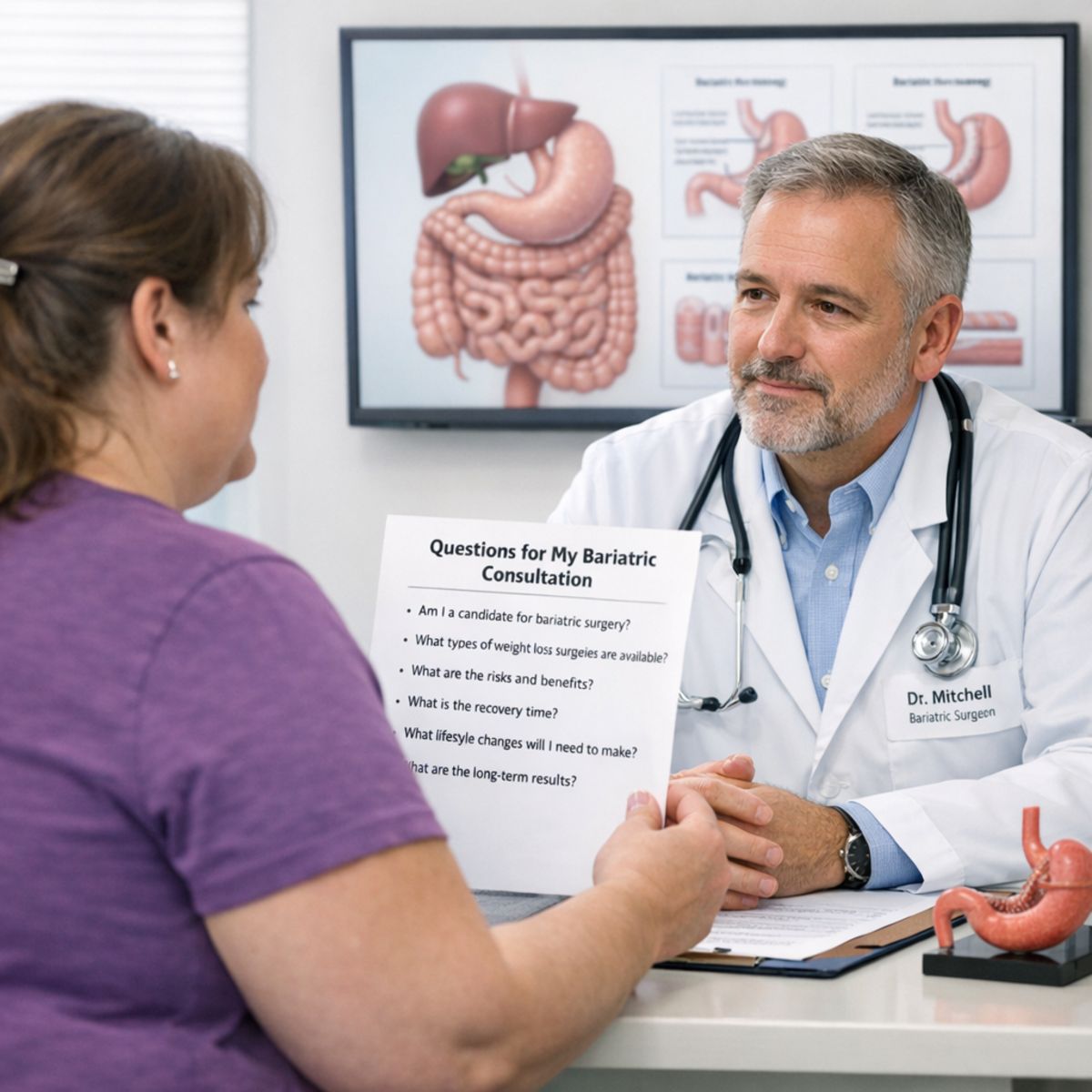
Use this quick checklist before your consultation to compare options, clarify expectations, and decide whether gastric sleeve surgery fits your health needs and long-term goals.
A short pre-consultation checklist
- How much experience does the surgeon have performing gastric sleeve procedures?
- Am I a strong candidate based on my weight, medical history, and reflux symptoms?
- What risks, recovery milestones, and activity limits should I expect?
- What nutrition counseling and long-term follow-up are included after surgery?
- Should I consider alternative procedures based on my goals or health conditions?
- Bring your medication list, past health history, and weight-loss goals to make the consultation more productive.
Frequently Asked Questions About Gastric Sleeve Surgery
How long does recovery from gastric sleeve surgery usually take?
Recovery timelines vary, but many patients return to light daily activities within a couple of weeks while full recovery may take longer. Healing depends on the individual, the surgical approach, and how closely post-operative instructions are followed.
Is gastric sleeve surgery permanent?
Gastric sleeve surgery is generally considered permanent because a portion of the stomach is removed. While the stomach can stretch somewhat over time, the removed section is not restored.
How much weight can someone lose after sleeve surgery?
Weight loss after sleeve surgery varies from person to person. Results are influenced by starting health status, eating habits, physical activity, follow-up care, and long-term lifestyle changes, so no exact outcome can be guaranteed.
What are the main risks of sleeve bariatric surgery?
As with any operation, risks can include bleeding, infection, blood clots, leaks, anesthesia-related complications, and nutritional concerns over time. A surgeon can explain how general risks and personal health factors may apply in an individual case.
Can gastric sleeve surgery help with obesity-related health conditions?
For some patients, gastric sleeve surgery may help improve obesity-related conditions such as type 2 diabetes, high blood pressure, sleep apnea, and joint strain. The degree of improvement depends on the condition, overall health, and the body’s response after surgery.
Will I need plastic surgery after gastric sleeve?
Plastic surgery is not a requirement after gastric sleeve surgery. Some people consider body contouring after major weight loss because of excess skin, but that decision is personal and should be discussed with the appropriate medical team based on comfort, goals, and health considerations.
When to Schedule a Bariatric Consultation
If you are wondering whether bariatric surgery may fit your health needs and long-term goals, a consultation can be a helpful next step. It gives you a chance to get personalized guidance in a supportive setting without pressure.
What a consultation can help clarify
During a visit, a bariatric specialist can review your health history, weight-loss goals, and any related medical concerns. They can explain candidacy requirements, compare gastric sleeve surgery with other treatment options, discuss potential risks and expected recovery, and outline the long-term follow-up and lifestyle changes that may be involved.
If you are still comparing options, a consultation can also help you understand what questions to ask and what approach may be most appropriate for your situation.
Key Takeaways on Gastric Sleeve Surgery
Gastric sleeve surgery can be an effective option for some people seeking weight-loss treatment, but it is only one part of a broader care plan. Understanding what the procedure involves, who it may help, and how recovery and long-term follow-up fit into the process can support more informed decision-making.
A balanced path forward
Benefits, risks, and results vary from person to person, which is why individualized evaluation and realistic expectations matter. Ongoing medical guidance, nutrition support, and follow-up care remain important after bariatric surgery. A thoughtful decision, made with qualified medical professionals, can help you move forward with greater clarity, confidence, and appropriate caution.