

Gastric sleeve surgery is a bariatric procedure that reduces the size of the stomach to help support weight loss and related health goals. Also called sleeve gastrectomy or bariatric sleeve surgery, it is often researched by people who want to better understand their treatment options in a clear, medically grounded way. While it can be an effective tool for some patients, it is not cosmetic fat removal, and it is not the right choice for everyone.
This procedure works by making the stomach smaller, which can help with portion control and appetite regulation. However, eligibility, risks, and results vary based on a full medical evaluation, overall health, and a person’s ability to commit to long-term nutrition, activity, and follow-up care. A qualified clinician can help determine whether gastric sleeve surgery fits your needs, goals, and medical history.
In this guide, you will find a balanced overview of how the procedure works, who may be a candidate, what recovery can involve, and what questions to ask when comparing treatment paths. The goal is to help you feel informed, supported, and better prepared for a discussion with a medical professional.
What this guide covers
- How gastric sleeve surgery works
- Potential benefits, risks, and limitations
- Who may be a candidate
- Recovery and long-term lifestyle changes
- Comparisons, expectations, and common questions
What Is Gastric Sleeve Surgery?
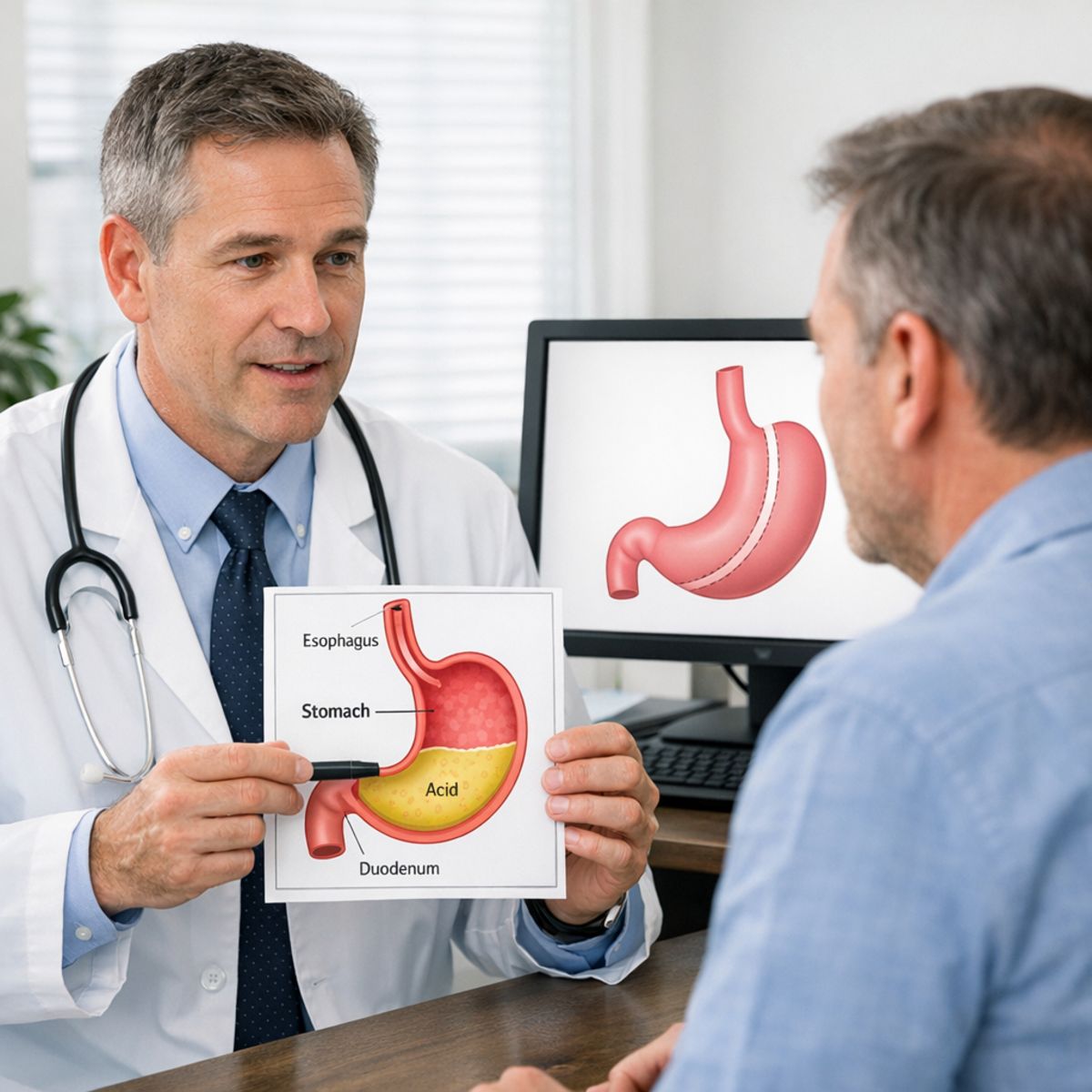
Gastric sleeve surgery, also called sleeve gastrectomy or bariatric sleeve surgery, is a type of bariatric surgery that helps with weight loss by making the stomach much smaller. In simple terms, surgeons remove a large portion of the stomach and leave behind a narrow, sleeve-shaped stomach. Because the new stomach holds less food, many patients feel full sooner and may find portion control easier over time.
You may also hear it described as stomach reduction surgery. That phrase can be helpful for understanding the basic idea, but the medical goal is broader than just reducing stomach size. Gastric sleeve surgery is typically recommended as part of a supervised treatment plan for obesity and obesity-related health concerns. It is a medical tool that can support long-term weight management when combined with nutrition guidance, physical activity, and follow-up care.
Sleeve gastrectomy in simple terms
A sleeve gastrectomy changes the shape and capacity of the stomach without rerouting the intestines. That is one of the main differences between gastric sleeve surgery and some other bariatric procedures. Food still follows the usual path through the digestive system, but it enters a much smaller stomach first. For readers who are new to the term bariatric surgery, it simply refers to surgical treatments used to help manage severe excess weight and related health conditions under clinical supervision.
How it supports weight loss
The smaller stomach can support weight loss in a few practical ways. First, it limits how much food can be eaten at one time, which often helps with portion control. Second, many patients notice fullness sooner during meals. These changes can make it easier to follow a structured eating plan, but the surgery is not a standalone cure. Lasting results usually depend on behavior changes, including meal planning, protein intake, hydration, movement, and regular medical follow-up.
It is also important to keep expectations realistic. Gastric sleeve surgery can be an effective option for some people, but it is not risk-free and it is not the right fit for everyone. A qualified bariatric team evaluates overall health, weight history, and treatment goals before recommending whether this procedure may be appropriate.
Potential Benefits of Gastric Sleeve Surgery
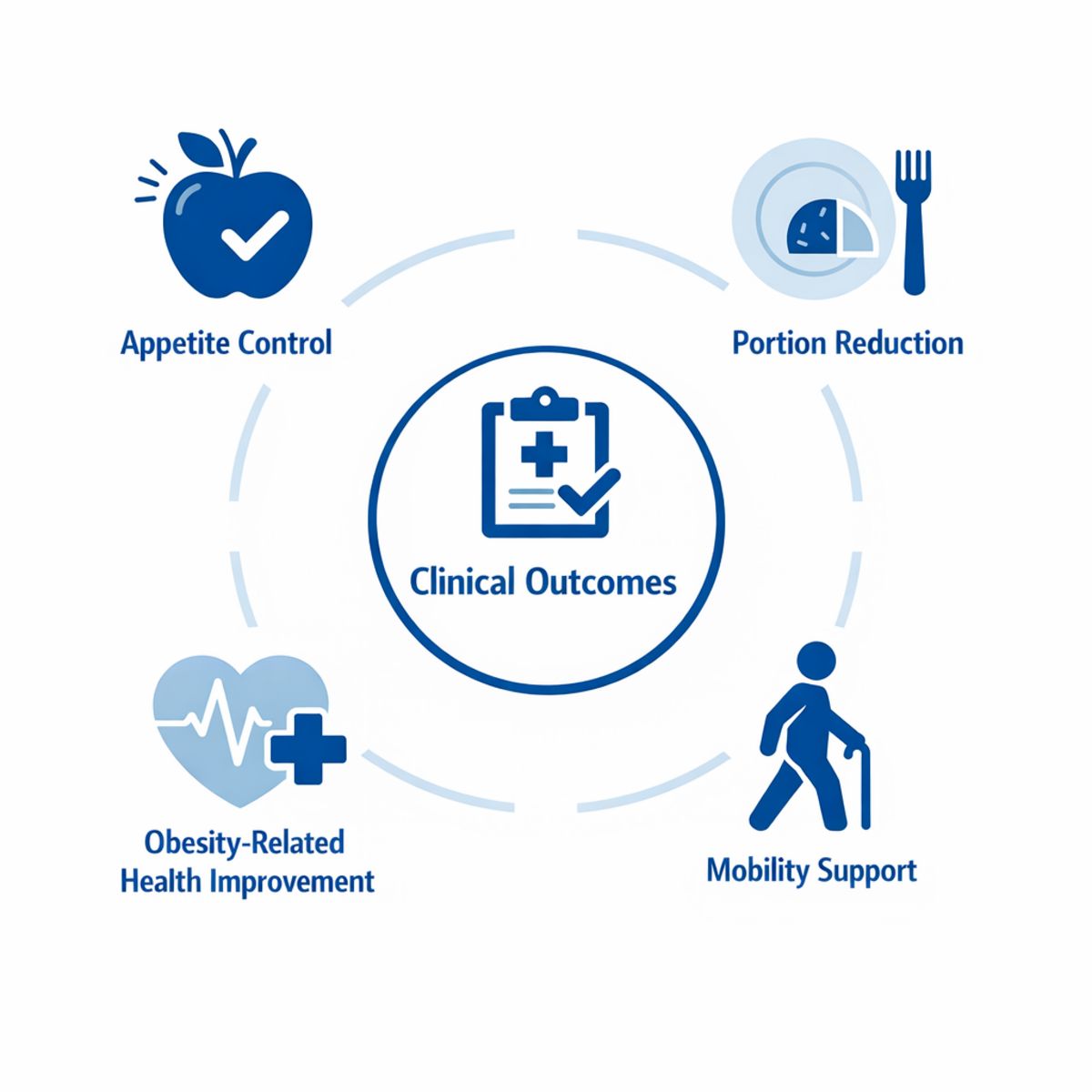
Gastric sleeve surgery is often considered by people who want added support with weight loss after other approaches have not led to lasting results. While no procedure can guarantee a specific outcome, this surgery may help some patients achieve meaningful weight loss when it is paired with long-term changes in nutrition, physical activity, and regular medical follow-up. The goal is not only weight reduction itself, but also support for broader health goals that may matter in daily life.
Weight loss and health goals
One reason patients explore gastric sleeve surgery is that it can support smaller portion sizes and a more structured eating pattern. For some individuals, that may make it easier to follow a medically guided plan over time. As weight changes, there may also be improvement in certain obesity-related conditions, such as type 2 diabetes, sleep apnea, or high blood pressure, when medically appropriate. These changes can vary widely from person to person, and ongoing evaluation by a qualified care team is important when measuring progress.
Some patients also report practical benefits, such as feeling more supported by scheduled follow-up visits, nutrition guidance, and a clearer framework for long-term lifestyle changes. In many cases, these elements are just as important as the procedure itself.
Why long-term habits still matter
Gastric sleeve surgery works best as part of a larger care plan. Long-term eating habits, movement, hydration, and follow-up appointments can all influence results. Surgery may help create a tool for change, but it does not replace the need for consistent habits and clinical supervision. Because outcomes are individualized, realistic expectations and ongoing support remain central to the process.
Who May Qualify and How Evaluation Works

Evaluation for bariatric surgery is usually meant to improve safety and determine whether a procedure is an appropriate fit for the individual patient. It is not a one-size-fits-all checklist, and it should not be viewed as a guarantee of eligibility. Instead, the process often looks at several medical and practical factors together before a recommendation is made.
Common qualification factors
Candidacy commonly depends on body mass index (BMI) in combination with overall health history, prior weight loss efforts, and whether weight-related conditions are present. These may include issues such as type 2 diabetes, sleep apnea, high blood pressure, joint strain, or other obesity-related concerns. A care team may also review past treatments, medications, and whether non-surgical approaches have already been attempted. Even when someone appears to meet general criteria, final eligibility still depends on individualized medical review rather than a simple number alone.
What the pre-op workup may include
The preoperative workup may include lab testing, a review of current conditions, and additional studies if needed to clarify risk or guide planning. Many programs also include nutrition counseling, education about eating changes after surgery, and discussion of long-term follow-up expectations. Psychological readiness may be assessed as part of the process as well, since successful outcomes often depend on understanding the lifestyle changes involved. In some cases, patients may also need medical clearance from other specialists before moving forward.
Coverage and approval considerations
Insurance coverage and approval should be approached carefully. Coverage is not guaranteed and can vary based on the specific plan, required documentation, and medical necessity criteria. If AltaMed coverage is part of the discussion, it is important to note that coverage depends on the specific AltaMed plan and medical eligibility criteria, not on a blanket assumption that every plan is accepted. A surgeon’s office or care coordinator can often help explain what records, referrals, or preauthorization steps may be needed, but the final determination is typically made by the health plan according to its own rules.
How to Prepare for Gastric Sleeve Surgery
Preparing for gastric sleeve surgery usually involves more than choosing a procedure date. Your surgeon may recommend a step-by-step plan based on your health history, goals, and testing results, so it is important to treat your own care team’s instructions as the main guide. A practical approach can make the process feel more manageable and help you know what to expect before surgery day.
Step 1: Complete your consultation and evaluation
Start by attending all scheduled consultations and pre-op appointments. These visits often include a review of your medical history, weight-loss goals, current habits, and whether gastric sleeve surgery is the right fit for you. Your team may also order lab work, imaging, cardiac clearance, sleep testing, or nutrition counseling depending on your needs. This is a good time to ask questions about the timeline, expected recovery, risks, and how how older bariatric procedures compare today if you are still learning about surgical options.
Step 2: Follow your pre-op plan closely
Once your plan is outlined, follow it as closely as possible. Your surgeon may recommend a pre-op diet, changes to portion sizes, hydration goals, or protein targets in the days or weeks before surgery. You may also need a medication review to discuss prescriptions, supplements, blood thinners, or over-the-counter products. If you smoke or use nicotine, your surgical team may advise stopping well before the procedure. Because these instructions differ by patient, avoid treating general checklists as universal rules.
Step 3: Prepare for recovery at home
Before surgery, make a simple recovery plan for your return home. Arrange transportation, confirm who can stay with you if needed, and set up any follow-up visits in advance. Many patients also find it helpful to organize approved fluids, protein products, comfortable clothing, and a place to rest. Write down any last questions for your surgical team, including when to resume normal activities, how to handle discomfort, and what symptoms should prompt a call. The more prepared you are, the easier it may be to focus on healing.

How Gastric Sleeve Surgery Compares With Other Options
When people search for weight loss surgery with the sleeve, they are often comparing several very different procedures. Gastric sleeve surgery is one bariatric option, but it is not the same as gastric bypass, adjustable gastric banding, SADI bariatric surgery, or cosmetic fat removal surgery. The right path depends on a person’s health history, goals, and the type of long-term follow-up they are prepared for.
At a high level, the main differences usually involve how the procedure works, how complex the operation is, and what kind of ongoing monitoring may be needed afterward. Comparing these options clearly can help reduce confusion and support more informed conversations with a qualified bariatric team.
Sleeve vs. gastric bypass
Gastric sleeve surgery mainly works by reducing the size of the stomach. This limits how much food can be eaten at one time and also changes hunger-related signaling. Gastric bypass also makes the stomach smaller, but it adds intestinal rerouting. Because of that extra step, bypass is generally considered more complex than sleeve surgery and may involve different nutritional and follow-up considerations over time.
Some patients researching bariatric sleeve surgery are really trying to understand whether they want a restrictive procedure alone or a procedure that also changes how food moves through the digestive tract. Neither option is automatically best for everyone. The comparison is usually about medical needs, risk factors, and long-term treatment planning.
Sleeve vs. SADI bariatric surgery
SADI bariatric surgery is a different procedure, even though it includes a sleeve component. In simple terms, sleeve surgery removes part of the stomach, while SADI combines that sleeve portion with an intestinal bypass. That means SADI is not just another name for gastric sleeve surgery. It is a distinct operation with its own benefits, risks, and follow-up needs.
This distinction matters because patients may see similar terms online and assume they refer to the same treatment. They do not. If someone is comparing sleeve surgery to SADI, the key difference is that SADI changes both stomach size and intestinal flow, while sleeve surgery focuses on stomach reduction alone.
Why it is not the same as fat removal surgery
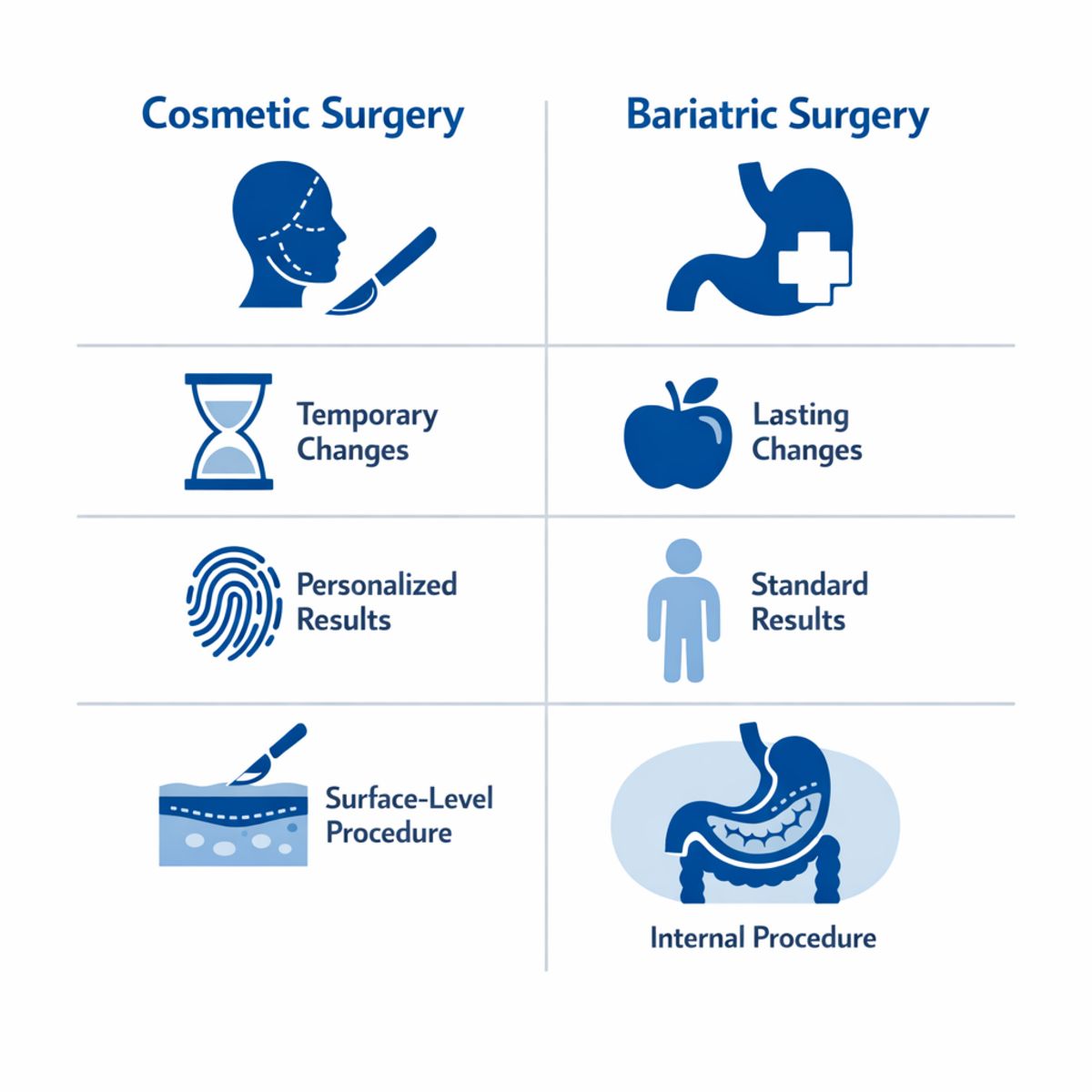
Another common source of confusion is the idea that fat removal surgery and bariatric surgery are interchangeable. They are not. Procedures such as liposuction remove localized fat for body contouring, but they do not treat obesity in the same way bariatric surgery can. They do not change stomach capacity, eating patterns, or digestive processes.
By contrast, gastric sleeve surgery is a metabolic and bariatric treatment designed to support weight loss and obesity-related health improvement under medical supervision. For patients comparing cosmetic procedures with weight loss surgery with the sleeve, the most important point is that these options serve very different purposes.
Risks, Recovery, and Cost Considerations
It helps to go into surgery with practical expectations about healing, follow-up, and financial planning. Recovery is not identical for every patient, and the details depend on the procedure performed, your overall health, and how your body responds in the days and weeks afterward. Many people move through a staged recovery that may include a short hospital stay, gradual increases in walking and daily activity, and a step-by-step diet progression from liquids to soft foods and then more regular meals as advised by the care team.
Follow-up visits are an important part of recovery because they allow your surgeon to monitor healing, review hydration and nutrition, adjust medications if needed, and answer questions about symptoms. Patients are often advised to watch for signs that deserve prompt medical attention, such as fever, worsening pain, trouble drinking fluids, persistent vomiting, or concerns about the incision. If you want a broader example of what recovery planning can involve after surgery, it can be useful to compare how follow-up guidance is structured across different procedures.
What recovery may look like
In broad terms, early recovery often focuses on pain control, hydration, gentle movement, and tolerance of recommended foods and liquids. Activity is usually increased gradually rather than all at once, and return to work or exercise can vary based on the operation and the physical demands of your routine. Your surgeon will give the most relevant guidance for your situation.
Common risks and long-term considerations
As with any operation, there are risks, and it would not be medically accurate to describe surgery as risk-free. Depending on the procedure, possible concerns may include bleeding, infection, anesthesia-related complications, leaks, reflux, nutritional deficiencies, scar-related issues, or the need for additional treatment. Surgeons work to reduce these risks through preoperative evaluation, careful technique, and postoperative monitoring, but no timeline or outcome can be guaranteed.
Cost and coverage questions to ask
Costs and insurance coverage vary by provider, facility, health plan, and medical eligibility criteria. It is reasonable to ask about surgeon fees, facility or hospital charges, anesthesia, lab work, follow-up visits, nutrition support, and whether preauthorization is required. Asking for a clear estimate and a list of what may or may not be included can make financial planning more manageable.

Common Myths and Search Confusions About Sleeve Surgery
People often search sleeve surgery with a few common misunderstandings in mind. A helpful starting point is that bariatric surgery meaning is broader than cosmetic weight reduction. These procedures are intended to support health improvement, weight management, and metabolic change, usually alongside long-term medical guidance.
Myth: Surgery does all the work
Fact: Sleeve surgery can be a powerful tool, but it does not replace daily habits. Nutrition, physical activity, hydration, follow-up visits, and behavior changes still matter. Results can vary from person to person, and long-term success often depends on how consistently the plan is followed.
Myth: It is basically fat removal surgery
Fact: Sleeve surgery is not the same as cosmetic fat removal. It is a bariatric procedure designed to affect how much someone can eat and may also influence appetite and related health conditions. If you want context on how bariatric procedures have evolved over time, it helps show why these treatments are viewed differently from cosmetic surgery.
Another common question: Can the stomach stretch over time? Some change in capacity may happen, especially if eating patterns drift, which is one reason ongoing support and mindful habits remain important after surgery.
Frequently Asked Questions About Gastric Sleeve Surgery
Is gastric sleeve surgery permanent?
Gastric sleeve surgery is generally considered permanent because a portion of the stomach is removed during the procedure. While the stomach can stretch somewhat over time, the removed section is not restored, so patients should view it as a long-term change.
How long does recovery usually take?
Recovery time varies from person to person based on overall health, the details of the procedure, and how closely post-operative instructions are followed. Many patients return to light daily activities within a couple of weeks, but full recovery and adjustment may take longer.
Will I need to follow a special diet afterward?
Yes, most patients follow a staged diet after surgery, typically moving from liquids to soft foods and then to regular foods as directed by their care team. Long term, healthy eating habits, portion control, hydration, and protein intake remain important.
Can gastric sleeve surgery help with obesity-related health conditions?
Some patients may see improvement in obesity-related conditions such as type 2 diabetes, high blood pressure, or sleep apnea after weight loss surgery. Results vary, however, and outcomes depend on individual health factors, ongoing care, and lifestyle changes.
Is gastric sleeve surgery the same as fat removal surgery?
No. Gastric sleeve surgery is a bariatric procedure designed to support weight loss and metabolic health, while fat removal procedures such as liposuction are cosmetic treatments that remove localized fat but do not treat obesity in the same way.
How is sleeve surgery different from SADI bariatric surgery?
Sleeve surgery reduces stomach size only, while SADI is a different bariatric operation that combines a sleeve with an intestinal bypass component. Because of that added bypass, SADI may involve different benefits, risks, and nutritional considerations, so individualized medical guidance is important.
When to Take the Next Step
If you are thinking about bariatric surgery, the next step may be to speak with a qualified bariatric team about your symptoms, health history, goals, and the treatment options that may fit your situation. A consultation can help you understand what questions to ask and what factors are typically reviewed without assuming candidacy or predicting results.
It can also help to write down your questions ahead of time so you feel prepared and informed during the visit. Taking this step does not commit you to treatment. It is simply a way to gather personalized information and make a decision with appropriate medical guidance.
Questions to bring to a consultation
- Am I a potential candidate based on my medical history and current health?
- What risks and possible benefits should I understand?
- What does recovery usually involve, and how long might it take?
- What kind of long-term follow-up and lifestyle support will I need?
- How does insurance coverage or payment planning typically work?
Key Takeaways on Gastric Sleeve Surgery
Gastric sleeve surgery is a weight loss procedure that reduces the size of the stomach, but it is not a one-size-fits-all solution. The best candidates are typically identified through a full medical evaluation that considers weight-related health concerns, overall health status, and readiness for long-term lifestyle changes. While many people look to this option for meaningful weight loss and improvement in obesity-related conditions, it is still important to understand that benefits, risks, and recovery experiences can differ from person to person.
A clear understanding of recovery, nutrition, follow-up care, and long-term habits is just as important as understanding the procedure itself. Results vary, and lasting progress often depends on ongoing medical support, consistent eating habits, physical activity, and adherence to post-operative guidance. For that reason, it is wise to avoid self-diagnosing whether you qualify and instead focus on getting advice tailored to your health history and goals.
A balanced way to think about your options
If you are considering surgical care, a balanced approach is to learn the facts, weigh the potential benefits and risks carefully, and speak with a qualified clinician about what makes sense for your situation. Informed decisions tend to be the most confident ones, and personalized guidance can help you understand whether gastric sleeve surgery—or even explore other treatment options at West Medical—fits into your broader health plan. Whatever path you consider, realistic expectations and professional support can make the process feel clearer and more manageable.