
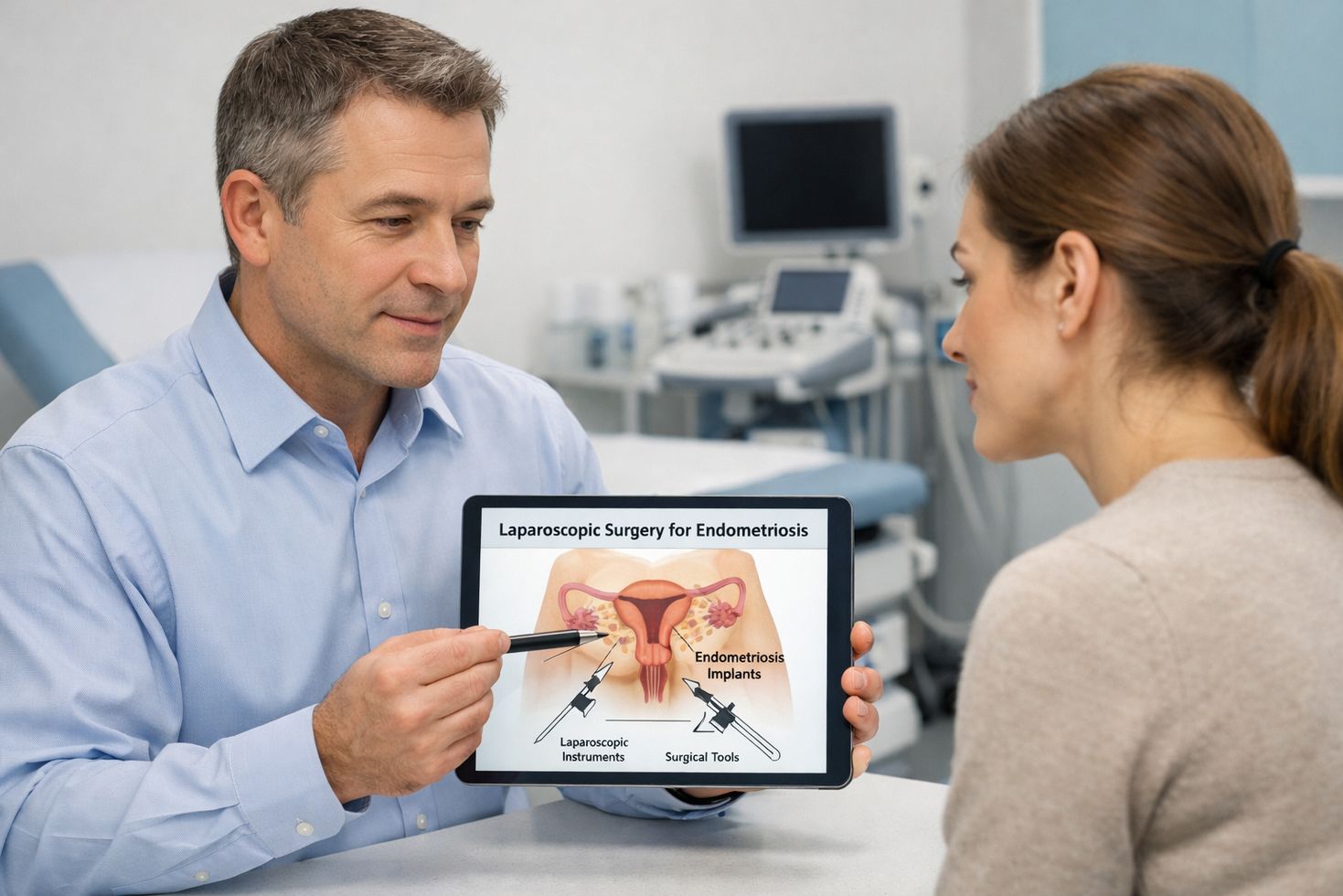
Laparoscopic surgery for endometriosis is a minimally invasive procedure that may be used to help diagnose endometriosis, remove or destroy visible areas of disease, and gather information that supports a more personalized treatment plan. For many people, this topic comes up after ongoing pelvic pain, painful periods, pain with sex, fertility concerns, or symptoms that have not improved with other care. While laparoscopy can play an important role, it is only one part of evaluation and treatment, and whether surgery is recommended depends on your symptoms, medical history, exam findings, imaging, and goals.
Endometriosis can be difficult to recognize because its symptoms may overlap with other gynecologic conditions, including abnormal uterine bleeding or fibroids. That overlap can make the process feel uncertain or frustrating, especially if you have been searching for answers for a long time. This article explains what laparoscopy is, when it may be considered, what it can and cannot show, and how treatment decisions are tailored to the individual rather than based on a one-size-fits-all approach.
If this subject feels confusing, you are not alone. Endometriosis symptoms vary widely from person to person, and the severity of symptoms does not always match what is found during surgery. Because of that, careful medical evaluation matters. The goal is not to promise a specific outcome, but to help you understand how laparoscopy fits into a broader conversation about diagnosis, symptom management, and long-term care.
What Laparoscopic Surgery Means in Endometriosis Care
Laparoscopic surgery for endometriosis is a minimally invasive surgery used to look inside the pelvis through very small incisions. Instead of making one large opening, the surgeon places a thin camera through a small incision, usually near the belly button, and may use additional small openings for surgical instruments. This lets the care team closely examine pelvic structures that may be involved in endometriosis, including the ovaries, fallopian tubes, uterus, and surrounding tissue.
During the procedure, the camera sends magnified images to a monitor so the surgeon can look for endometriosis lesions, scar tissue, inflammation, or other findings that may help explain symptoms such as pelvic pain. In some cases, tissue confirmation may be used when clinically appropriate. If visible endometriosis is found, the surgeon may also remove or destroy lesions during the same surgery, depending on the treatment plan and what is seen at the time of the procedure.
Laparoscopy can be an important part of diagnosis and treatment, but it is usually only one part of a broader care plan. Depending on symptoms, imaging, exam findings, and personal goals, a clinician may also discuss medication, symptom management, fertility considerations, and follow-up care. If you are comparing gynecologic treatment pathways, you can also review uterine fibroid treatment options at West Medical.
Diagnostic vs operative laparoscopy
A diagnostic laparoscopy is mainly performed to inspect the pelvis and help clarify what may be causing symptoms. An operative laparoscopy goes a step further by treating visible disease during the same procedure, such as removing lesions, releasing scar tissue, or addressing related findings when appropriate. In practice, a procedure may begin as diagnostic and become operative if treatment is planned and feasible.
How it differs from open surgery
Compared with open surgery, laparoscopy uses smaller incisions and a camera-based view inside the abdomen and pelvis. This often changes how the surgeon accesses tissue and visualizes anatomy. Recovery expectations may differ as well, but the best approach depends on the individual situation, surgical goals, and the extent of disease.
When Surgery May Be Considered and Potential Benefits
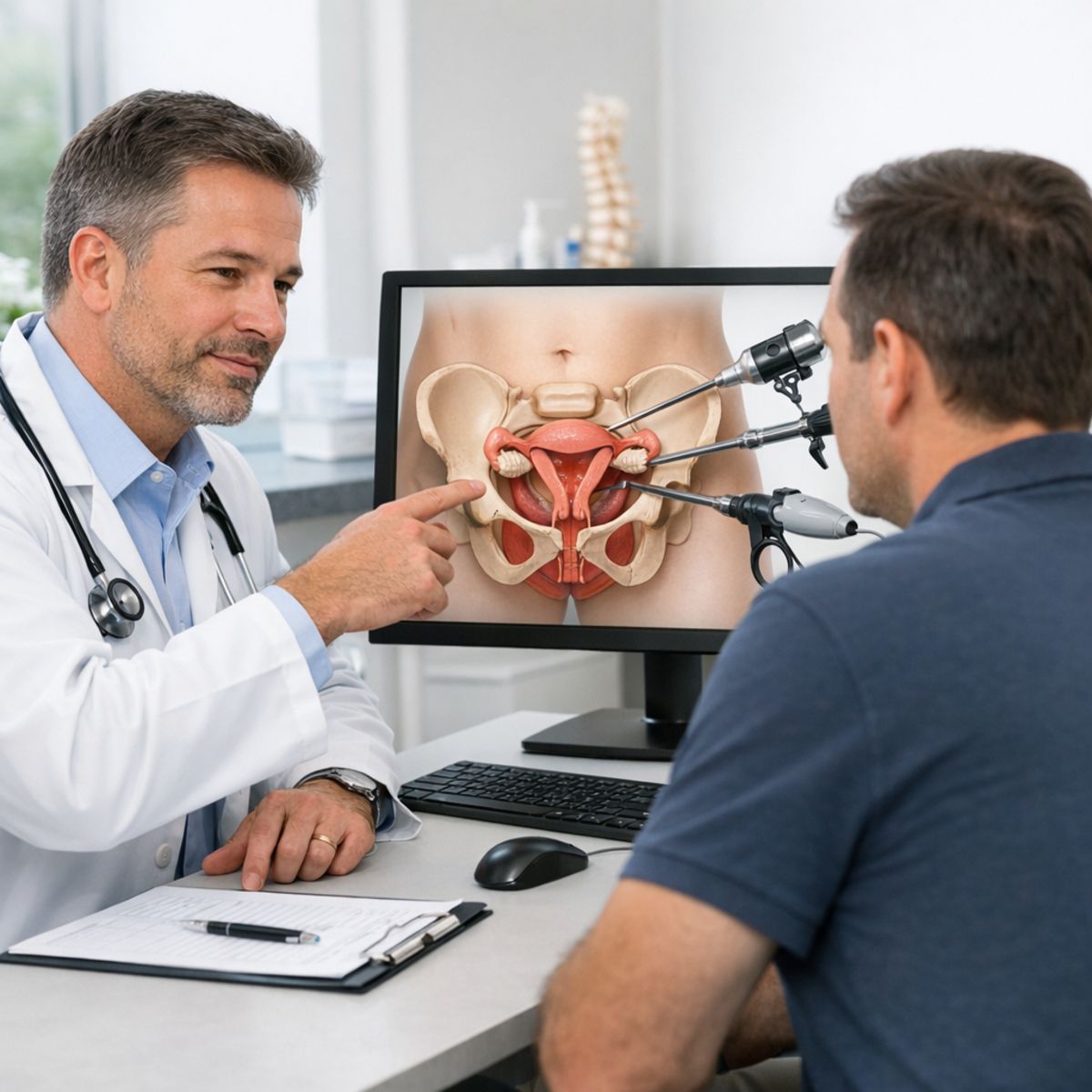
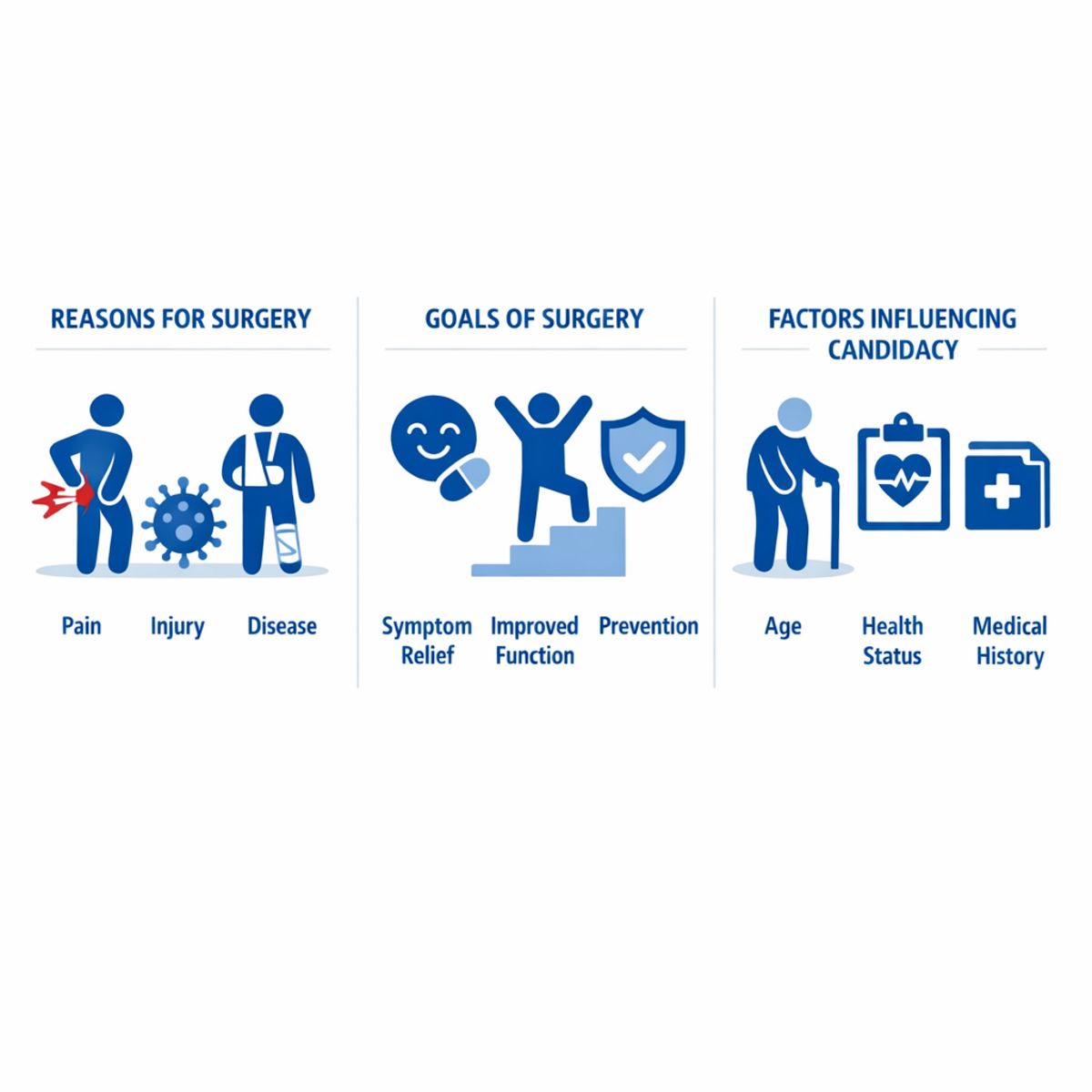
Surgery for endometriosis is usually considered as part of a broader decision-making process, not as the first step for everyone. A specialist may bring it up when symptoms continue despite other treatment approaches, when imaging or an exam suggests more extensive disease, when fertility is being evaluated, or when the diagnosis remains unclear. In some cases, surgery is discussed because persistent pelvic pain, painful periods, or pain with intercourse is affecting daily life, work, relationships, or function.
Candidacy depends on several factors, including symptom pattern, prior treatments, age, reproductive goals, suspected disease extent, and overall health. The location of endometriosis can also matter. For example, suspected deep infiltrating disease, ovarian cysts related to endometriosis, or scar tissue that may be distorting pelvic anatomy can influence whether a surgical consultation makes sense. At the same time, overlapping conditions such as pelvic floor dysfunction, adenomyosis, irritable bowel symptoms, bladder pain, or fibroids can affect both symptoms and treatment recommendations.
Common reasons a specialist may discuss surgery
- Pelvic pain or severe menstrual pain that persists despite medication or hormonal therapy
- Pain with intercourse or bowel and bladder symptoms that raise concern for deeper disease
- Fertility concerns, especially when endometriosis may be affecting pelvic anatomy
- The need for diagnostic clarity when symptoms and imaging do not fully explain what is happening
- Heavy bleeding or pressure symptoms that may need evaluation for fibroids or other causes in addition to endometriosis
Possible benefits with realistic expectations
For selected patients, surgery may help remove visible endometriosis tissue, reduce inflammation related to lesions, and clarify pelvic anatomy. That can sometimes translate into less pain, better day-to-day function, and a clearer understanding of what is contributing to symptoms. In fertility-focused care, surgery may also help identify scar tissue or structural issues that are relevant to treatment planning.
Still, results vary. Symptom improvement can depend on how extensive the disease is, whether other conditions are present, the type of procedure performed, and the individual’s overall health. Some patients may experience meaningful relief, while others may still need ongoing medical therapy, pelvic floor treatment, pain management, or follow-up care over time. Recurrence or continued symptoms can remain part of the long-term picture, which is why realistic expectations are important when weighing potential benefits and risks.
How the Procedure and Recovery Typically Work
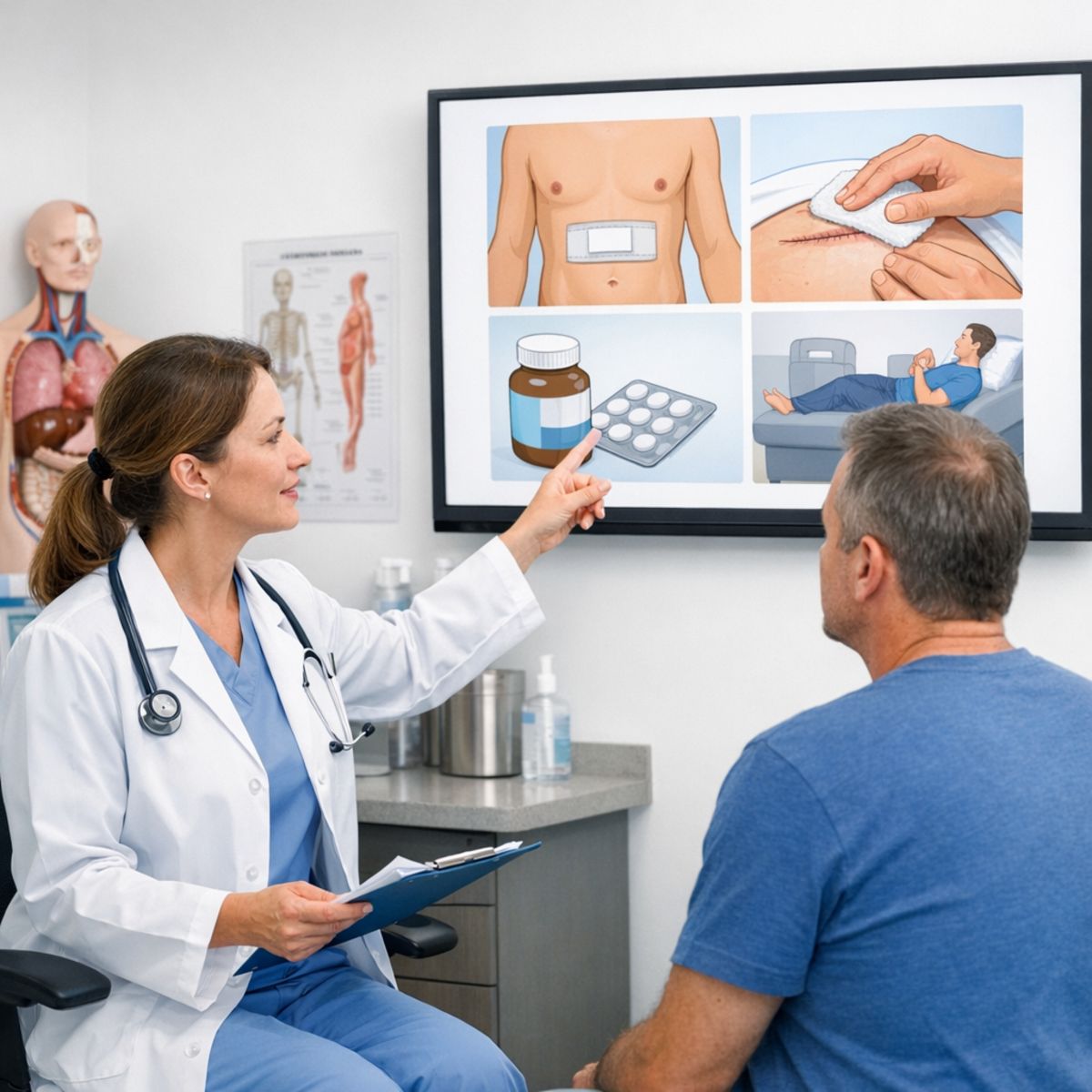
If your clinician recommends laparoscopic surgery for endometriosis, it can help to know the usual sequence ahead of time. While exact protocols vary by surgeon, facility, and the extent of surgery, most people move through a similar process from consultation to early recovery. The steps below are meant to reduce uncertainty and give a practical overview, not replace the personalized instructions from your own care team.
Before surgery
- Consultation and planning: Your surgeon typically reviews symptoms, prior treatments, imaging, and your health history. This visit is often when you discuss goals of surgery, possible findings, and what the procedure may or may not improve.
- Medication and health review: You may be asked about prescriptions, supplements, allergies, and past reactions to anesthesia. Some patients also need lab work, imaging, or other pre-op testing depending on their medical history and the planned procedure.
- Preparation instructions: Before surgery, the care team usually provides details about fasting, arrival time, bathing or skin preparation, and what to bring on the day of surgery. It is important to follow those instructions exactly, since they are tailored to your case and safety needs.
During the procedure
- Anesthesia and setup: The procedure is commonly performed under anesthesia so you are asleep and monitored throughout. The surgical team checks your vital signs and keeps you comfortable and safe during the operation.
- Small incisions and visualization: The surgeon generally makes a few small incisions and uses a camera to view the pelvic area. This allows them to look for visible endometriosis and related findings in a minimally invasive way.
- Treatment when appropriate: If endometriosis is identified, the surgeon may treat visible areas based on the surgical plan and what is appropriate for your anatomy and symptoms. The exact approach depends on case complexity, location of disease, and the surgeon’s judgment.
After surgery and recovery
- Recovery room monitoring: After surgery, you are usually observed while the anesthesia wears off. The team may monitor pain, nausea, bleeding, and your ability to drink fluids or walk before discharge, depending on the setting.
- Early healing at home: Mild to moderate soreness, fatigue, bloating, and temporary activity limits are common parts of early recovery for many patients. Recovery timelines vary widely based on the extent of surgery, your overall health, and how your body heals.
- Follow-up and next steps: A follow-up visit is often used to review findings, discuss pathology if relevant, and talk about symptom management going forward. Your surgeon may also explain when to increase activity, when to return to work, and how to care for incisions.
- Know when to call: Ask your care team which symptoms should prompt a call, since guidance can differ by practice and procedure. If something feels concerning during recovery, use the surgeon’s instructions and contact the team based on the thresholds they provided.
A clear plan can make the process feel more manageable, but individualized medical guidance should always come first. Following your surgeon’s instructions before and after surgery is one of the best ways to support a safer recovery.
Surgery vs Other Treatment Options
Laparoscopic surgery is one option within a broader endometriosis care plan, not the automatic next step for every person. In general, treatment decisions depend on symptoms, imaging or exam findings, fertility goals, response to prior treatment, and how much symptoms are affecting daily life. For some patients, medication-based management is a reasonable first approach. For others, surgery may be considered when pain persists, diagnosis remains uncertain, or there is a need to evaluate and treat visible endometriosis directly.
Medication management vs surgery
Medication management often focuses on symptom control. This may include hormonal therapy to suppress cycling, along with pain management strategies. The benefit is that non-surgical care can be less invasive and may help reduce pelvic pain for some patients. The limitation is that medications do not remove endometriosis lesions, and symptoms can continue or return. Watchful follow-up may also be appropriate in select cases, especially when symptoms are mild and a specialist recommends monitoring over immediate intervention.
Laparoscopic surgery serves a different role. It can help confirm what is happening inside the pelvis and may allow a surgeon to remove or treat endometriosis at the same time. This can be especially relevant when symptoms are ongoing despite medication, when fertility-focused planning is part of the discussion, or when another pelvic condition needs closer evaluation. Surgery, however, also comes with recovery time and procedure-related risks, so the decision should be individualized rather than based on symptoms alone.
When fibroids or heavy bleeding may change the conversation
Not all pelvic symptoms point to endometriosis. Heavy bleeding or abnormal uterine bleeding may suggest fibroids, adenomyosis, hormonal causes, or other gynecologic conditions in addition to or instead of endometriosis. That distinction matters because the workup and treatment pathway can be different. For example, fibroid size and fibroid location can influence whether symptoms are more related to pressure, bleeding, or fertility concerns, while a leiomyoma of uterus may require its own evaluation and treatment plan.
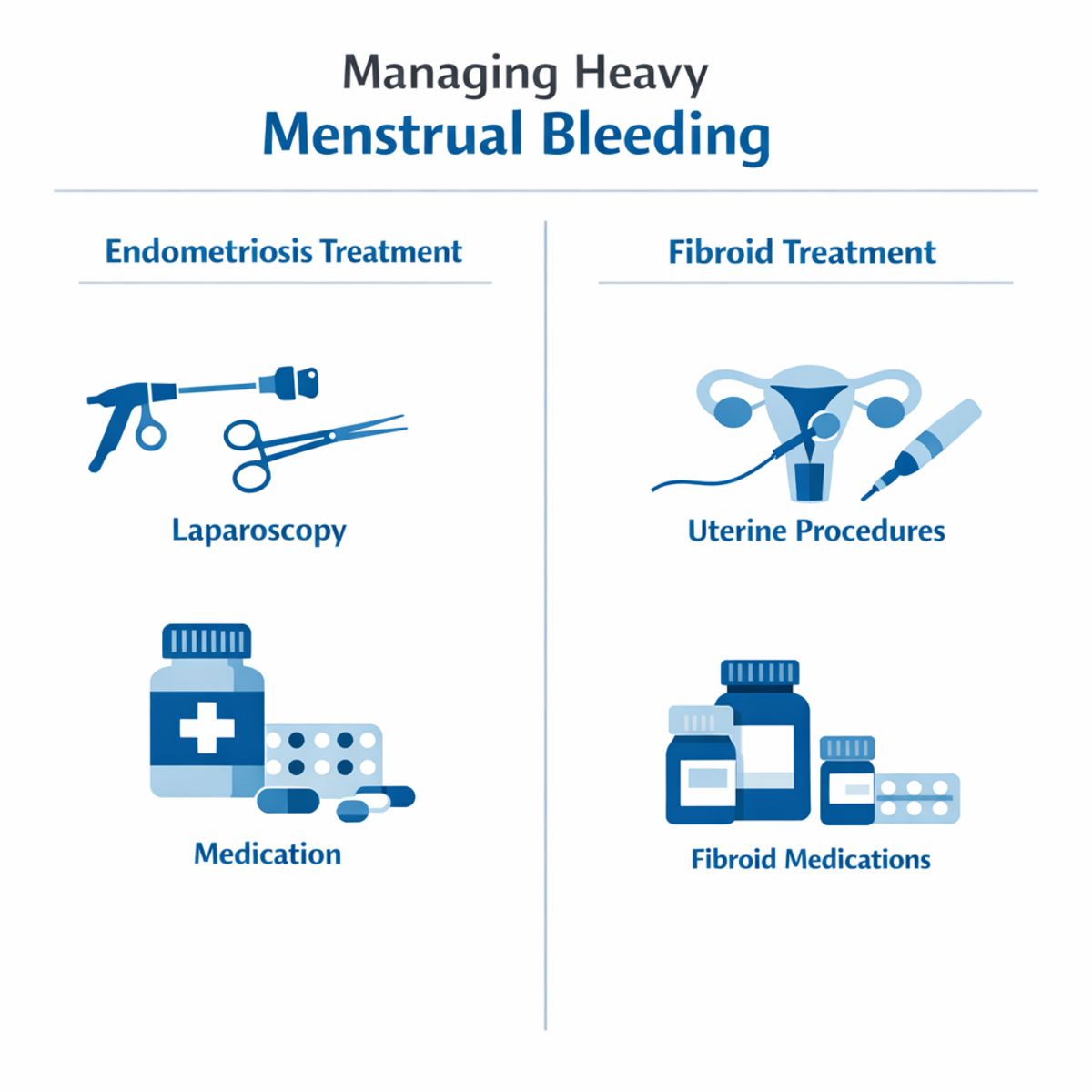
If heavy periods are a major concern, a specialist may discuss menorrhagia treatment separately from endometriosis-focused care. In that setting, non-surgical and surgical pathways for fibroids may be considered based on the uterus, the type of symptoms present, and future pregnancy goals. Readers exploring treatment options for uterine fibroids should understand that fibroid care is a separate condition pathway, even though some symptoms can overlap with endometriosis.
The most helpful next step is usually a detailed conversation with a gynecologic specialist who can compare medication, surgery, and condition-specific alternatives in the context of your symptoms and goals.
Cost, Insurance, and Planning Considerations
Planning for surgery often involves both financial and logistical questions. Total cost can vary based on the surgeon’s fees, the facility where the procedure is performed, anesthesia services, pre-operative testing, and the complexity of the procedure itself. Because each treatment plan is individualized, it is best to ask for a detailed estimate that reflects your specific care recommendations.
Insurance questions should also be verified directly rather than assumed. Benefits, prior authorization requirements, and out-of-pocket responsibilities can differ by plan and by procedure. Before scheduling, contact both your insurance company and the provider’s office so you understand what documentation may be needed and what costs you may be responsible for.
What can affect total cost
- Surgeon fees
- Facility or operating room charges
- Anesthesia services
- Pre-operative lab work, imaging, or testing
- Pathology or specimen-related fees, if applicable
- Post-operative visits, medications, and follow-up care
Questions to ask before scheduling
- What services are included in the estimate, and what may be billed separately?
- Do I need prior authorization or other insurance approvals?
- What deductible, copay, coinsurance, or self-pay costs might apply?
- How much time away from work or daily responsibilities should I plan for?
- Will I need someone to drive me home or help during early recovery?
- What follow-up appointments should I expect after surgery?
Symptoms That Overlap With Endometriosis and Why Diagnosis Matters
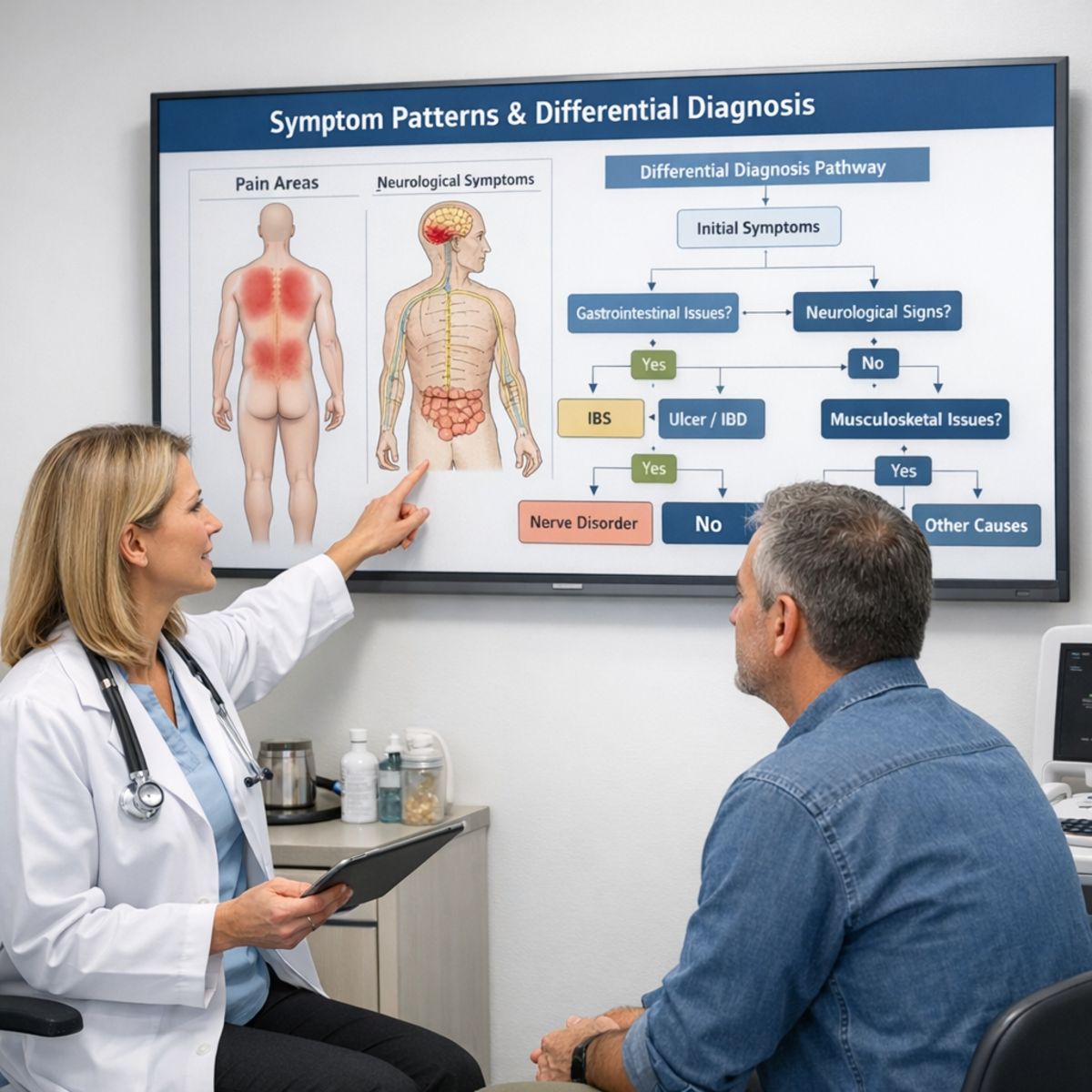
Pelvic pain, painful periods, bloating, pressure, and heavy bleeding are symptoms many people search on their own, but they do not point to just one condition. Endometriosis can cause these problems, yet fibroids, adenomyosis, ovarian cysts, and other gynecologic conditions may create a similar pattern. That overlap is one reason self-diagnosis can be misleading, even when symptoms seem to match what you have read online.
Why symptoms can overlap
Several conditions affect the uterus, ovaries, or surrounding pelvic tissues in ways that can lead to pain, pressure, cramping, or abnormal bleeding. For example, heavy periods may occur with endometriosis, but they are also common with fibroids and adenomyosis. Pelvic fullness or bladder pressure may be more suggestive of fibroids in some patients, while pain with intercourse or bowel symptoms may raise concern for endometriosis. Searches for terms like fibroid surgery in uterus or non-surgical uterine fibroid treatment reflect real treatment pathways, but those options are specific to the diagnosis and should not be assumed to apply to every cause of pelvic symptoms.
Why accurate diagnosis guides treatment choices
The best next step depends on what is actually causing the symptoms, how severe they are, fertility goals, and the overall health picture. A pelvic exam, ultrasound, or MRI may help clarify whether fibroids or adenomyosis are present, while endometriosis may require a broader clinical assessment and, in some cases, surgical evaluation. Because imaging, exam findings, and surgery each play different roles, a specialist can help connect the full symptom pattern to the most appropriate plan.
If fibroids are part of the differential diagnosis, it may help to explore UAE benefits risks and recovery as a separate treatment discussion.
Frequently Asked Questions
Is laparoscopic surgery the only way to diagnose endometriosis?
Laparoscopic surgery can help confirm endometriosis and, in some cases, treat visible disease at the same time. However, evaluation may also include a review of symptoms, a physical exam, and imaging depending on the situation. The right approach varies by patient and should be guided by a qualified clinician.
How long does recovery usually take after laparoscopic surgery for endometriosis?
Recovery after laparoscopic surgery for endometriosis often depends on how extensive the procedure was, along with your overall health and daily activity level. Some people feel better within days, while others need longer before returning to normal routines. Your surgeon’s instructions are the best guide for activity, pain management, and follow-up.
Can endometriosis come back after surgery?
Yes, recurrence is possible after surgery. Even when symptoms improve, some patients may need ongoing monitoring or additional medical management over time. Outcomes can differ based on the extent of disease, treatment plan, and individual factors.
Does surgery help fertility in every case?
Not in every case. Fertility outcomes depend on many factors, including age, ovarian reserve, the severity and location of endometriosis, and whether other reproductive issues are present. A personalized discussion with a specialist is important before making treatment decisions.
When should heavy bleeding be evaluated for fibroids instead of endometriosis?
Heavy bleeding can have more than one cause, including fibroids, endometriosis, hormonal changes, or other gynecologic conditions. It is reasonable to seek evaluation if bleeding is persistent, disruptive to daily life, associated with pelvic pressure, or causing symptoms such as fatigue that may suggest anemia. A proper assessment can help determine the most likely cause and the next steps.
When to Talk With a Specialist
If you have persistent pelvic pain, painful periods, heavy bleeding, fertility concerns, or symptoms that seem to be getting worse, it may be time to speak with a specialist. An individualized evaluation can help clarify whether fibroids, endometriosis, or another condition may be contributing to what you are experiencing.
Signs it may be time to book an evaluation
Consider scheduling a visit if your symptoms are ongoing, affecting daily life, creating uncertainty about the cause, or raising questions about future fertility. The right next step depends on your medical history, imaging, exam findings, diagnosis, and personal goals.
A consultation can help you understand your options and decide what approach makes sense for your situation.
Key Takeaways
Laparoscopic surgery can play an important role in diagnosing and treating endometriosis for some patients, but it is not the right or necessary next step for everyone. Because symptoms can overlap with fibroids, abnormal uterine bleeding, and other pelvic conditions, a broader and individualized evaluation is often essential before deciding on treatment.
A balanced next step
The most helpful approach is to use this information as a starting point for a thoughtful conversation with a specialist who can consider your symptoms, history, imaging, and goals. With a personalized plan, you can move forward with more clarity and confidence.