

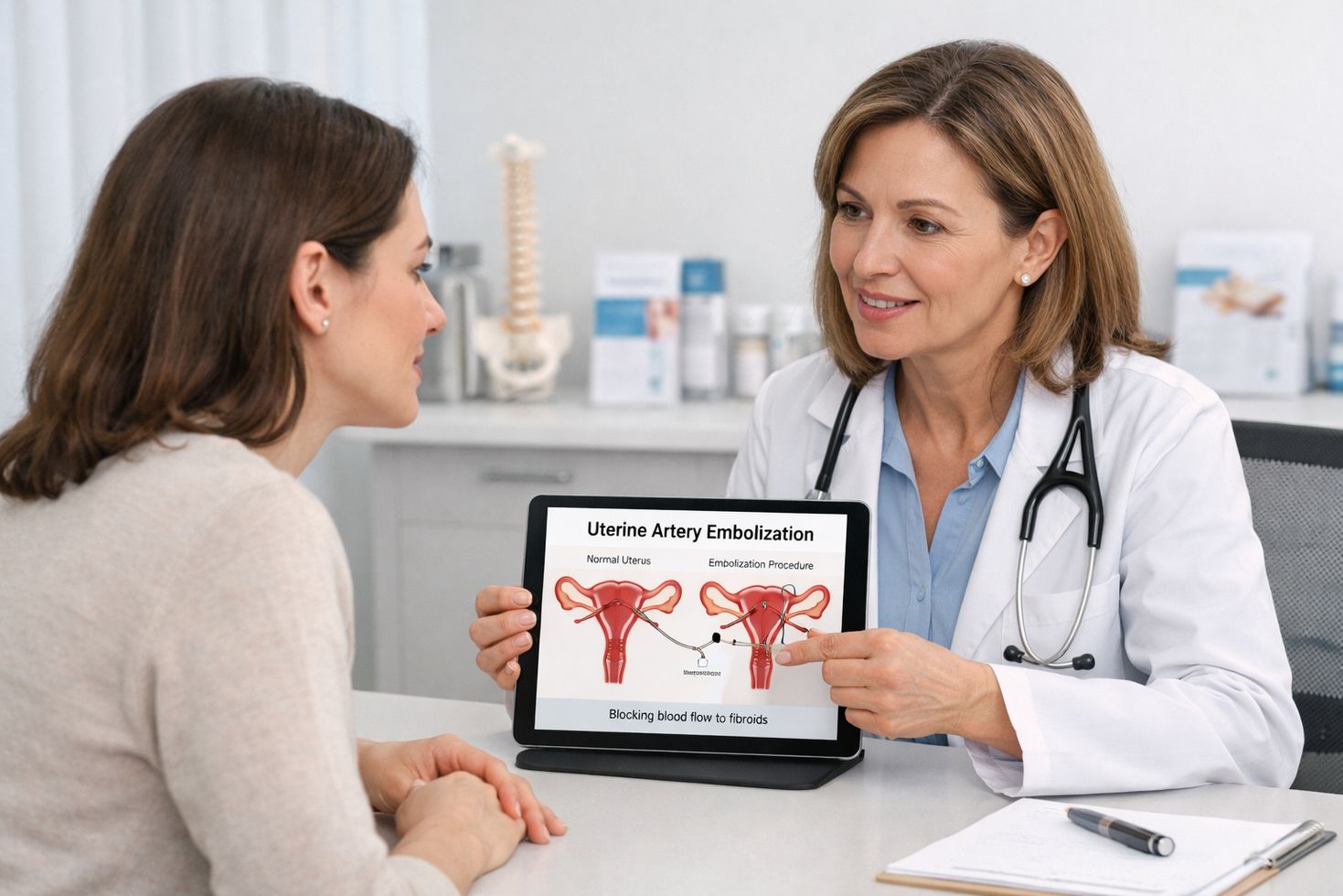
UAE embolization, or uterine artery embolization, is a minimally invasive treatment used to help shrink uterine fibroids by blocking the blood flow that feeds them. Instead of open surgery, the procedure is performed through the blood vessels, which is one reason many patients look into it when comparing fibroid treatment options. If you are dealing with heavy bleeding, pelvic pressure, pain, or concerns about recovery time, it is understandable to want clear, practical information before deciding what to do next.
This guide is designed to give a balanced overview. It explains what UAE is, how it works, and why it may be recommended in some cases but not others. It also keeps expectations realistic: while many people are interested in symptom relief and avoiding major surgery, results can vary, and candidacy depends on a full medical evaluation, imaging, symptoms, and personal health goals.
Below, you will find a straightforward look at benefits, possible risks, recovery, who may be a good candidate, and how UAE compares with other fibroid treatments. The goal is to support informed decision-making so you can better understand the questions to ask when reviewing your options.
What Is Uterine Artery Embolization?
Uterine artery embolization is a minimally invasive treatment used to manage uterine fibroids without removing the uterus. In simple terms, it works by reducing the blood supply that fibroids need in order to grow. This procedure is typically performed by an interventional radiology specialist, which is why you may also see the phrase uterine artery embolization radiology when researching treatment options.
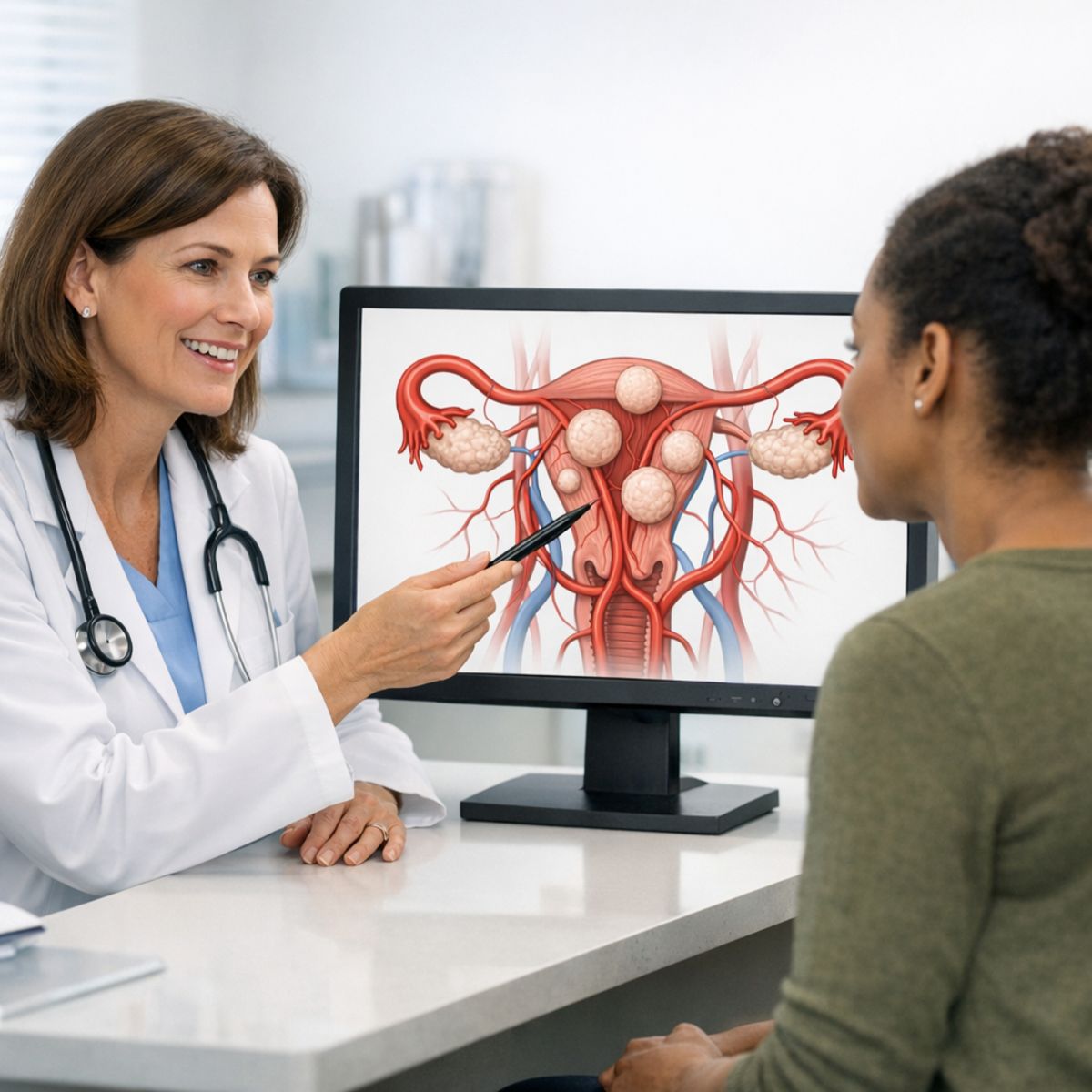
Fibroids are noncancerous growths in or around the uterus. They often receive blood through the uterine arteries, which are the main vessels that help supply the uterus. When fibroids become large or numerous, they can contribute to symptoms like heavy bleeding, pelvic pressure, and a feeling of fullness or bulk in the lower abdomen. Uterine artery embolization, often shortened to UAE, is designed to target that blood flow rather than remove the uterus itself.
How embolization works
During the procedure, a doctor uses imaging guidance to carefully place a thin catheter into the blood vessels that lead to the fibroids. Tiny particles are then delivered through the catheter to block or slow blood flow to those fibroids. With less blood supply, the fibroids gradually shrink over time. The goal is to treat the fibroids in a targeted way while preserving the uterus, making this different from surgery such as a hysterectomy, which removes the uterus.
Because the treatment is guided by imaging, it is highly focused on the vessels feeding the fibroids. For many patients, this offers a non-surgical path to symptom improvement and may be discussed alongside options like targeted fibroid therapy for symptom relief.
What symptoms it may help
As fibroids shrink, patients may notice improvement in heavy menstrual bleeding, pelvic pressure, urinary frequency caused by pressure on the bladder, and abdominal fullness or discomfort related to fibroid size. While every case is different, the overall aim of UAE is to reduce fibroid-related symptoms and improve daily comfort without the need to remove the uterus.
How UAE Embolization Is Performed
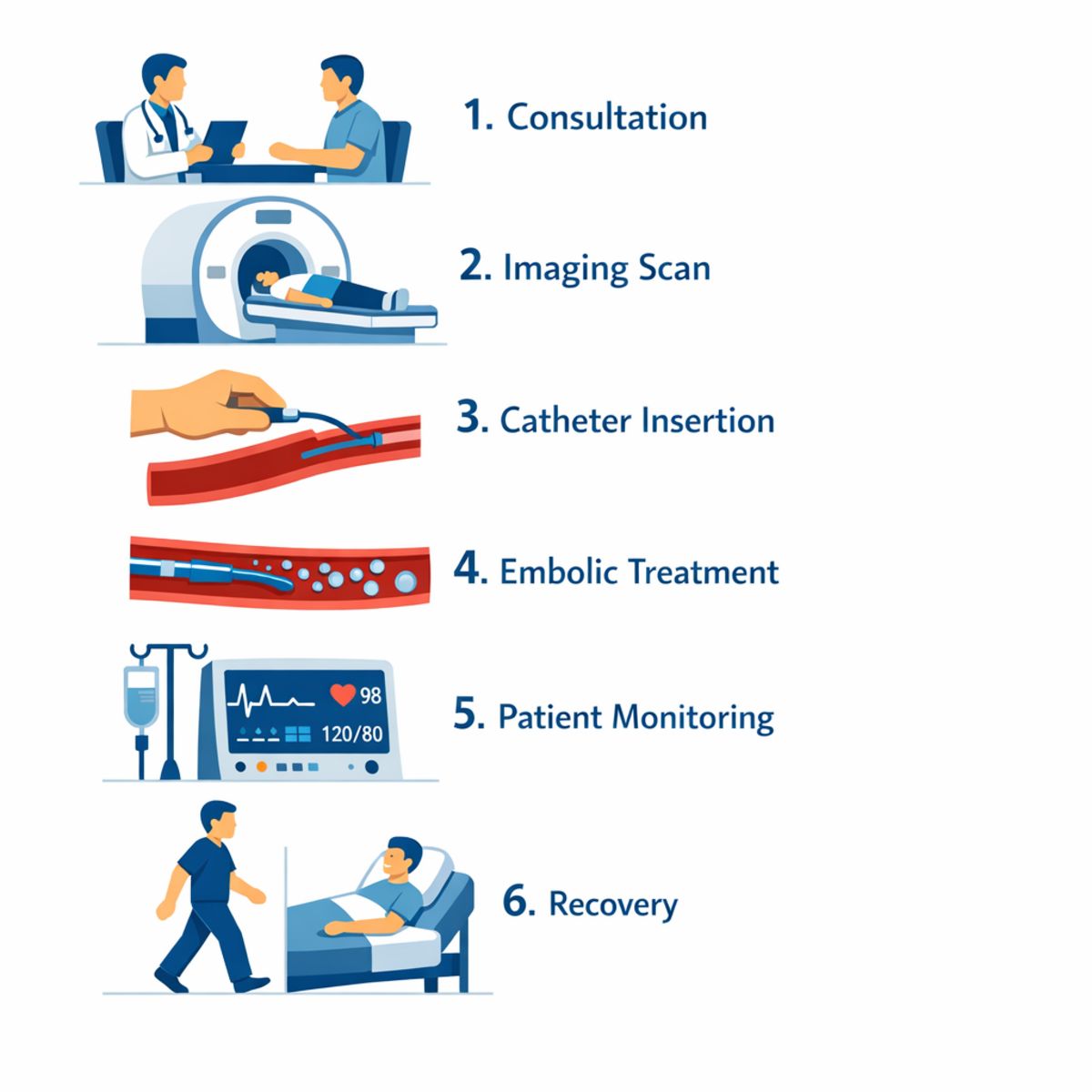
UAE embolization is typically planned as a step-by-step, image-guided treatment designed to address fibroid symptoms without large incisions. While each care plan is individualized, most patients move through the same general stages: consultation and testing before treatment, the procedure itself, and a period of observation afterward. Understanding that sequence can make the experience feel more predictable and less stressful.
Before the procedure
Preparation usually begins with a consultation, symptom review, and discussion of treatment goals. Your care team may ask about bleeding, pelvic pressure, pain, prior procedures, and future fertility considerations so the plan reflects your needs. Imaging is an important part of this evaluation and may include ultrasound or MRI to confirm the size, number, and location of fibroids. Lab work may also be reviewed to check overall health and help guide safe treatment planning.
You may also receive instructions about eating and drinking before the appointment, which medications to continue or pause, and when to arrive. This medication review can include blood thinners, anti-inflammatory drugs, supplements, or other prescriptions that could affect the procedure. The goal of this stage is to make sure the treatment approach is appropriate, carefully planned, and tailored to your medical history.
During the procedure
On the day of treatment, patients are typically positioned comfortably while the team prepares a small access site, often near the wrist or groin. Local anesthesia is commonly used to numb the area, and some patients also receive sedation to help them relax. Rather than making a large incision, the physician guides a thin catheter through the blood vessels using real-time imaging.
An angiogram procedure is then performed to map the blood supply and confirm the catheter position. Once the uterine arteries are identified, tiny embolic particles are delivered through the catheter to reduce blood flow to the fibroids. This is done with imaging guidance throughout the procedure to support precision and safety. After both sides are treated as needed, the catheter is removed and the small access point is bandaged.
Right after treatment
After the procedure, patients are monitored for a period of time while the team checks comfort, vital signs, and the access site. Cramping, pelvic discomfort, fatigue, or nausea can occur in the short term, so pain management and supportive medications are often part of immediate aftercare. Some patients go home the same day, while others may need a short stay depending on symptoms, medical factors, and the treatment plan.
Before discharge, you will usually receive instructions about activity, hydration, medications, and when to call with concerns. Follow-up planning may include a check-in visit and repeat imaging to assess response over time. Although the exact experience varies, the overall process is structured to move from careful evaluation to targeted treatment and close short-term monitoring.
Potential Benefits of UAE for Fibroids
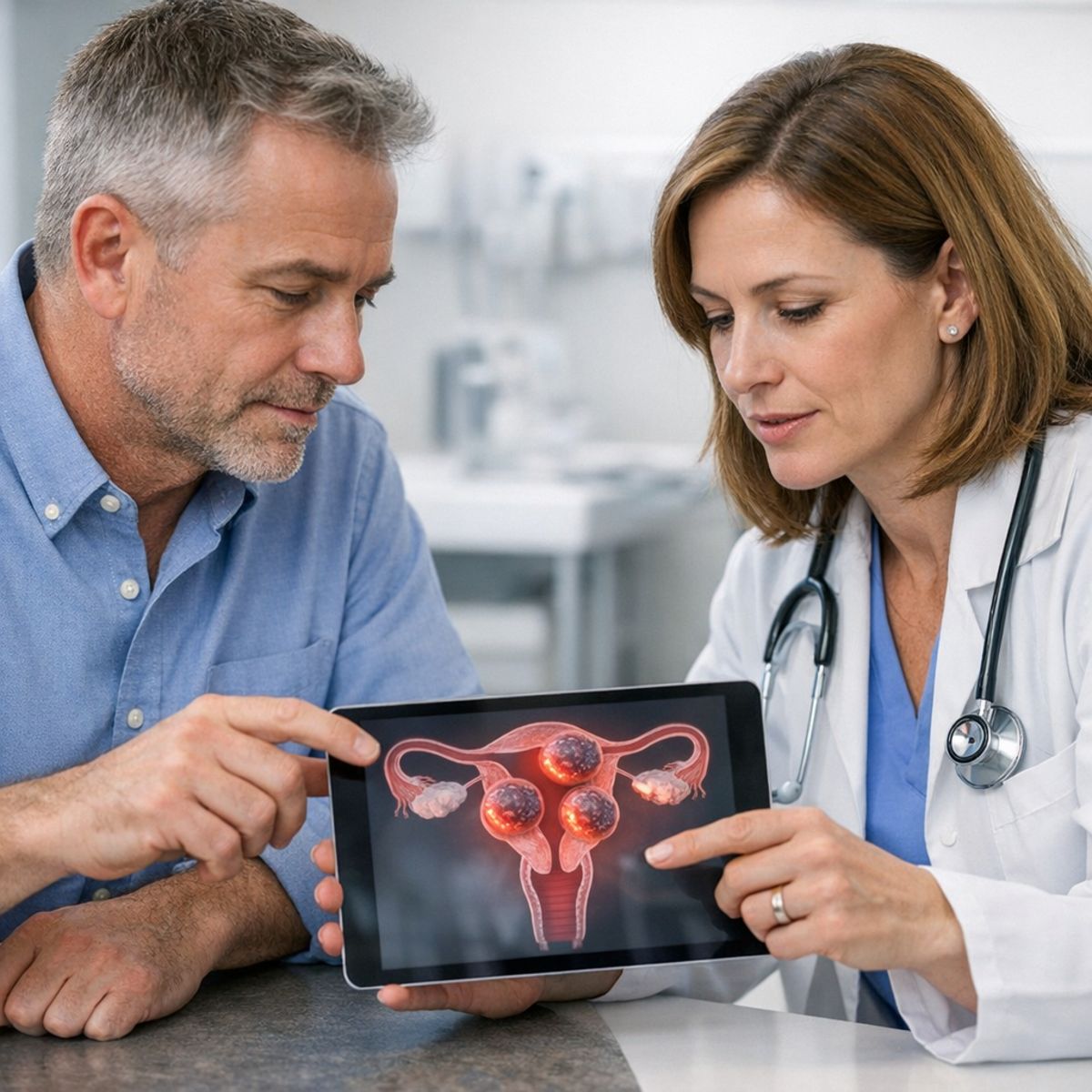
For patients exploring alternatives to more invasive fibroid procedures, uterine artery embolization, or UAE, may offer several potential advantages. It is often considered by people who want treatment focused on symptom improvement while preserving the uterus. Many patients seek care because heavy bleeding, pelvic pressure, bloating, or frequent urination are affecting daily life, and UAE is one option that may help address those concerns over time.
UAE works by reducing blood flow to fibroids, which can lead to shrinkage and, for some patients, meaningful relief. At the same time, outcomes are individualized. Discussions about uterine artery embolization success rate should be handled carefully, because results can vary based on fibroid size, number, location, symptom pattern, and overall health. A specialist can help determine whether the expected benefits match a patient’s goals and anatomy.
Symptom relief goals
One of the main reasons patients consider UAE is the possibility of reducing symptoms without removing the uterus. As fibroid blood supply is blocked, the fibroids may gradually shrink, which may lessen heavy menstrual bleeding, pelvic fullness, pressure, and discomfort. Some patients also hope for improvement in day-to-day quality of life, including less disruption at work, better comfort during activity, and fewer symptoms that interfere with sleep or routine tasks.
Because fibroids behave differently from person to person, symptom improvement is not identical for everyone. Still, UAE is often part of a broader discussion for patients who want a uterus-sparing option and are comparing uterine fibroid treatment options at West Medical.
Why minimally invasive treatment appeals to some patients
Another reason some patients ask about UAE is that it is minimally invasive. Instead of a large abdominal incision, the procedure is typically performed through a much smaller access site. For selected patients, that may mean a shorter interruption to normal routines compared with more invasive surgical paths. The appeal often comes from balancing symptom relief goals with a desire to avoid major surgery when appropriate.
Uterine preservation is also an important consideration for some individuals. While UAE is not the right choice for every case, it may be attractive to patients who want to discuss options beyond hysterectomy. The best approach depends on personal priorities, imaging findings, reproductive plans, and medical history, so benefits should always be weighed in the context of individualized evaluation rather than assumed as guarantees.
How UAE Compares With Other Fibroid Treatments
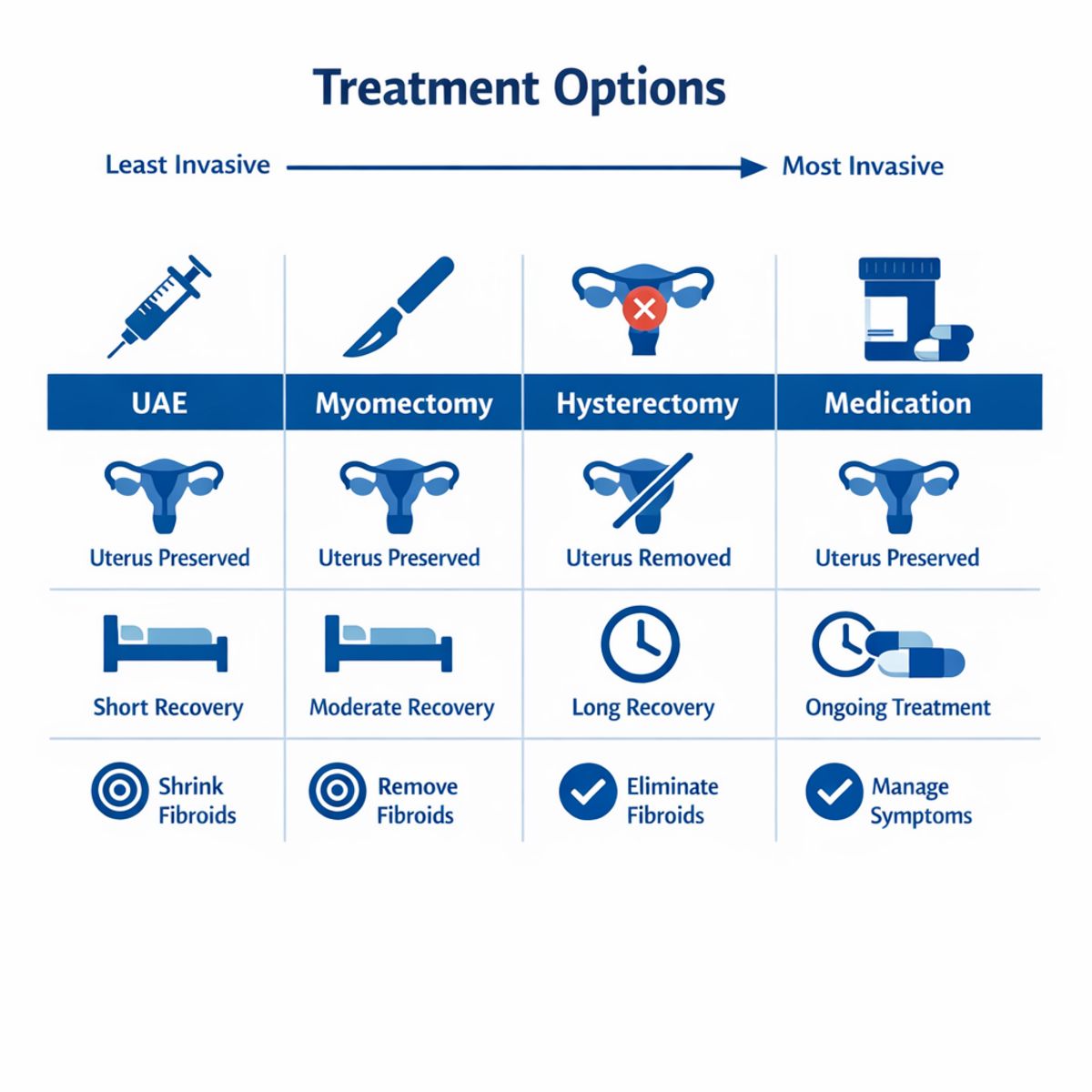
Uterine artery embolization, often called UAE, is one of several treatment options for fibroids. It is designed to reduce fibroid symptoms by blocking the blood supply that helps fibroids grow. For many patients, the main appeal is that it is minimally invasive and preserves the uterus. At the same time, it is important to understand that UAE is not automatically the best choice for every person, and it should be compared thoughtfully with surgery and medication-based management.
At a high level, the main differences between treatment options come down to treatment goals, how invasive the procedure is, whether the uterus is preserved, and what recovery may involve. Medication-based management may help control bleeding, pain, or hormone-related symptoms, but it does not remove fibroids and may not provide lasting relief for everyone. UAE treats the fibroids themselves by reducing their blood flow, which can shrink them and improve symptoms without open surgery.
UAE vs myomectomy or hysterectomy
Myomectomy is a surgical procedure that removes fibroids while leaving the uterus in place. It may be recommended when the number, size, or location of fibroids makes direct removal the better option, especially in patients whose reproductive plans are a major part of decision-making. Hysterectomy removes the uterus entirely and is the most definitive treatment for fibroids because it eliminates the possibility of fibroid recurrence. However, it is also the most invasive of these common options and is not appropriate for someone who wants to preserve the uterus.
Compared with those surgeries, UAE is generally less invasive and often involves a different recovery experience. It does not remove fibroids one by one, but instead works by cutting off their blood supply. That makes it an appealing option for people seeking symptom relief with uterine preservation and without major surgery. Still, surgery may be recommended in some cases based on fibroid anatomy, symptom severity, fertility considerations, or other clinical factors. The right choice should be guided by a qualified physician who can weigh benefits, limitations, and long-term goals.
UAE vs other embolization procedures
It also helps to know that embolization is a broad medical category, not a single treatment. UAE specifically targets the uterine arteries to treat fibroids. Other embolization procedures are used for entirely different conditions. For example, prostate artery embolization is used for prostate enlargement, while splenic artery embolization is used in selected spleen-related situations. These are separate procedures with different goals, anatomy, and patient populations.
Another source of confusion is vascular terminology such as angioplasty procedure language. Angioplasty and embolization are not the same. Angioplasty is generally used to open narrowed or blocked blood vessels, while embolization is used to intentionally block blood flow to a targeted area for treatment. When discussing fibroids, the relevant procedure is uterine artery embolization, not unrelated vascular interventions.
Candidacy, Risks, and Cost Considerations
Whether someone may be a good candidate for uterine artery embolization usually depends on an individualized evaluation rather than a simple yes-or-no checklist. A physician may consider symptom severity, the number, size, and location of fibroids, imaging findings, prior treatments, reproductive goals, and overall health. Age and future pregnancy plans can also be part of the discussion, since treatment decisions may differ depending on a patient’s priorities and clinical picture.
Who may be a candidate
In many cases, candidacy is assessed with history, exam, and imaging such as ultrasound or MRI. These details can help clarify whether symptoms appear related to fibroids and whether their characteristics make this approach more or less appropriate. For example, fibroid location, blood supply, and the presence of other pelvic conditions may influence whether UAE is considered. A careful review of fertility goals is also important, because treatment planning may be different for patients who hope to become pregnant in the future.
Risks and contraindications
As with many procedures, there are potential risks that should be reviewed in advance. Common discussion points may include post-procedure pain, infection, bleeding concerns, non-target embolization, temporary nausea, or the possibility that symptoms improve less than expected. Some patients may also need additional treatment later if fibroids persist, recur, or do not respond as hoped. When reviewing uterine artery embolization contraindications, clinicians may look for issues such as pregnancy, active pelvic infection, certain vascular or bleeding concerns, contrast-related issues, or other medical factors that could make the procedure less suitable or require extra precautions.
What can affect cost
Cost can vary for several reasons, so it is usually best discussed with the treating facility and insurance provider. Factors may include the facility itself, imaging performed before or after treatment, anesthesia or sedation needs, physician and hospital fees, follow-up care, and geographic location. Insurance benefits can also differ widely by plan, including deductibles, copays, coinsurance, prior authorization requirements, and network status. Because of these variables, coverage and out-of-pocket responsibility are often specific to the individual situation.
How to Prepare for UAE and Support Recovery

A little planning can make treatment day feel more manageable and help you feel more confident during early recovery. Use the steps below as a general guide, and follow the instructions from your care team for details specific to your visit.
Before your procedure
- Confirm arrival time, check-in details, and any fasting or pre-procedure instructions.
- Ask your care team about current medications, supplements, and anything you should review before treatment.
- Arrange transportation home and, if possible, line up support for the first day or two afterward.
- Prepare a comfortable recovery space with water, easy meals, loose clothing, and commonly needed supplies nearby.
After your procedure
- Expect recovery to vary. Some people feel tired or sore at first, while others resume normal routines more gradually.
- Review pain-management and activity instructions carefully so you know what is expected in the first few days.
- Track symptoms, energy levels, and questions that come up so you can discuss them during follow-up.
- Keep follow-up appointments and report concerning symptoms promptly rather than waiting for the next visit.
Common Misunderstandings About UAE Embolization
People sometimes confuse UAE embolization with other vascular procedures because the terminology sounds similar. That can lead to unnecessary concern or incorrect expectations.
Myth vs fact
Myth: UAE is the same as angioplasty.
Fact: UAE is a different image-guided treatment. Angioplasty is used to open narrowed blood vessels, while UAE targets the blood supply feeding uterine fibroids.
Myth: All embolization procedures treat the same problem.
Fact: Embolization is a broad category of minimally invasive vascular treatment, but each procedure is designed for a specific condition and anatomy.
Myth: One treatment is right for everyone.
Fact: Recommendations depend on diagnosis, symptoms, fertility goals, and imaging findings. Accurate evaluation helps determine whether UAE is appropriate.

Frequently Asked Questions About UAE Embolization
Quick answers to common concerns
Is UAE embolization considered surgery?
UAE is generally considered a minimally invasive procedure rather than open surgery. It is typically performed through a small catheter, which usually means no large incision and a different recovery experience than traditional surgery.
How painful is uterine artery embolization?
Pain levels can vary, but cramping and pelvic discomfort are common after the procedure. Many patients describe the first day or two as the most uncomfortable, and the care team usually provides medication and guidance to help manage symptoms.
How long does recovery usually take after UAE?
Recovery is often shorter than with more invasive fibroid procedures, but timelines differ from person to person. Many people need several days of rest and may take one to two weeks before feeling closer to their usual routine.
Can fibroids come back after UAE?
UAE aims to shrink treated fibroids and improve symptoms, but results can vary. Some people continue to do well long term, while others may have persistent symptoms or need additional treatment later.
Is UAE appropriate for people who want future pregnancy?
This is an important question to discuss directly with a specialist. Fertility goals, fibroid size and location, age, and overall health can all affect whether UAE is a suitable option, so personalized medical advice is essential.
When to Talk With a Specialist
If heavy bleeding, pelvic pressure, or other fibroid-related symptoms are affecting your daily life, it may help to speak with a specialist. A personalized evaluation can clarify your options and help you understand what may be causing your symptoms.
A personalized evaluation can clarify your options
The right treatment depends on your symptoms, imaging results, medical history, personal goals, and overall health. An individualized review can help determine whether UAE or another treatment approach may be appropriate for you.
Key Takeaways on UAE Embolization
UAE embolization is a minimally invasive fibroid treatment option that may help some people reduce symptoms without surgery. Whether it is the right choice depends on factors such as fibroid size and location, symptoms, overall health, and personal treatment goals. A careful evaluation is important to understand how this option compares with other approaches.
As with any treatment, the potential benefits, risks, and recovery experience can vary from person to person. Some patients may value a shorter recovery or avoiding surgery, while others may be better suited to a different plan based on their needs and medical history.
A balanced path forward
The most helpful next step is a thoughtful discussion with a qualified specialist who can review your symptoms, imaging, and priorities. With individualized guidance, you can make an informed decision about fibroid care with clarity and confidence.