


Sleeve gastrectomy is a type of bariatric surgery that reduces the size of the stomach to help support weight loss and improve obesity-related health concerns. If you are researching gastric sleeve surgery, it is normal to have questions about how it works, who may be a candidate, and what recovery and long-term changes can look like. This guide is designed to give you a clear, medically responsible overview so you can better understand the procedure and discuss next steps with a qualified care team.
People often look into gastric sleeve surgery after trying other approaches without lasting success, or when excess weight is affecting conditions such as sleep apnea, high blood pressure, joint pain, or type 2 diabetes. While sleeve gastrectomy can be an effective treatment option for some individuals, eligibility, risks, and gastric sleeve surgery results vary based on personal health history, body mass index, and a full medical evaluation. No single procedure is right for everyone, which is why individualized guidance matters.
Below, you will find a practical overview of how the procedure works, who may qualify, what recovery gastric sleeve surgery expectations often involve, and how sleeve gastrectomy compares with other bariatric options. We will also cover potential benefits, possible risks, and the long-term lifestyle habits that play an important role after surgery.
What this guide covers
- How sleeve gastrectomy works in plain language
- Who may qualify based on an individual medical evaluation
- Recovery expectations and follow-up care
- Possible risks, benefits, and limitations
- Long-term nutrition, activity, and lifestyle changes after surgery
What Is Sleeve Gastrectomy?
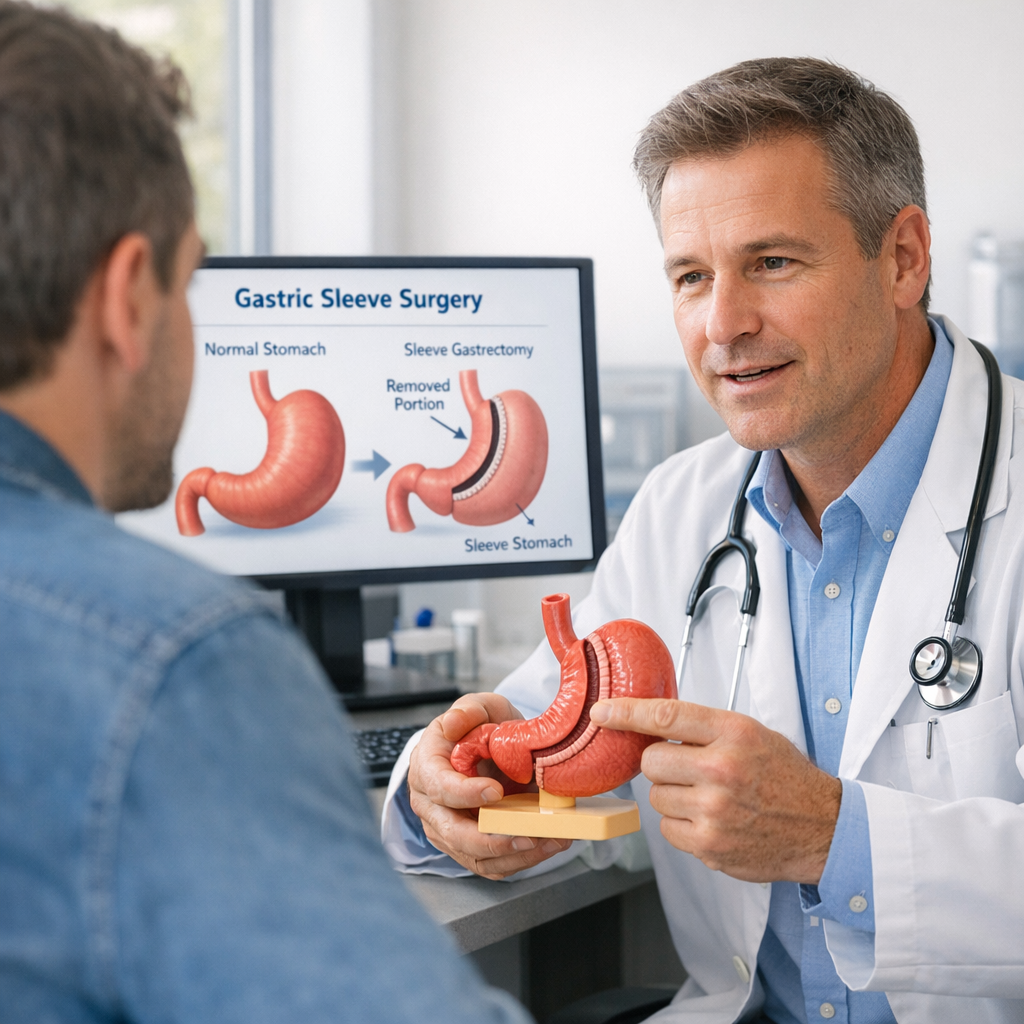
Sleeve gastrectomy is a type of bariatric surgery, also called gastric sleeve surgery, that helps support weight loss by making the stomach much smaller. During the procedure, a surgeon removes a large portion of the stomach and leaves behind a narrow, sleeve-shaped stomach. Because the new stomach holds less food, patients typically feel full sooner and may find it easier to follow a structured eating plan under clinical supervision.
This procedure is commonly discussed in bariatric care because it changes stomach size without rerouting the intestines. That makes it different from gastric bypass, which changes both the stomach and the digestive pathway. Sleeve gastrectomy is also different from an adjustable gastric band, which places a band around the upper part of the stomach rather than removing stomach tissue. For readers exploring gastric sleeve surgery with West Medical, it is helpful to understand that the operation is intended to be part of a broader, medically supervised treatment plan.
How the procedure changes the stomach
In simple terms, the stomach is reshaped from a larger pouch into a smaller tube or sleeve. This reduces how much food can be eaten at one time, which is why the procedure is often described as restrictive. The change may also influence hunger-related hormones, which can affect appetite for some patients. Even so, results vary from person to person based on overall health, lifestyle habits, and how closely post-operative guidance is followed.
How it differs from other bariatric procedures
Compared with bypass surgery, sleeve gastrectomy does not create a new route for food through the intestines. Compared with a band procedure, it permanently changes the size of the stomach rather than relying on an implanted device. In all cases, the procedure should be evaluated carefully with experienced surgeons and a qualified care team, since candidacy, risks, and outcomes depend on the individual patient and long-term adherence to medical and nutrition recommendations.
Potential Benefits of Gastric Sleeve Surgery

For some patients, gastric sleeve surgery may offer a meaningful step toward weight management when it is part of a medically supervised treatment plan. By reducing stomach size, the procedure can help some people feel satisfied with smaller portions, which may support changes in eating habits over time. Still, gastric sleeve surgery results are not the same for everyone, and the procedure is best understood as one tool within a broader long-term care strategy.
Many people consider the sleeve because excess weight can affect daily comfort, mobility, energy levels, and overall quality of life. In some cases, weight reduction after surgery may also support improvement in certain obesity-related health concerns, but this always depends on the individual’s health status, medical history, and ongoing follow-up. Care teams typically evaluate each patient carefully to discuss what benefits may be realistic and what factors could influence progress.
Weight loss and health support
One potential benefit of sleeve gastrectomy is the possibility of significant weight loss under medical supervision. As eating patterns change and portion control becomes more manageable, some patients may find it easier to stay aligned with nutrition goals. This can sometimes contribute to better physical function and may support improvements in certain weight-related conditions, subject to medical evaluation. However, no exact outcome can be promised, and gastric sleeve surgery results vary based on metabolism, starting weight, existing conditions, and adherence to the care plan.
Lifestyle changes that shape long-term results
It is important to set realistic expectations: surgery is not a stand-alone solution. Long-term success often depends on consistent nutrition habits, hydration, movement, vitamin guidance, and regular follow-up appointments. Patients who understand these responsibilities may be better prepared for the adjustments that come with recovery and maintenance. If you want a clearer picture of before and after weight loss expectations, it can help to review examples alongside a personalized medical consultation.
Overall, the potential benefits of gastric sleeve surgery often include support for portion control, weight reduction, and health-focused habit change. At the same time, the most realistic approach is to view the procedure as part of an ongoing partnership with your medical team, where progress is monitored and expectations remain individualized.
Who May Qualify and How Preparation Works

Candidacy for weight loss surgery with the sleeve is not based on a single factor. While people often ask whether BMI alone determines eligibility, the answer is usually more nuanced. A medical team typically looks at body mass index alongside weight-related health conditions, previous efforts at medically supervised or self-directed weight management, and overall health status. The goal is to understand whether surgery may be an appropriate option and whether it can be performed as safely as possible. Only a clinical evaluation can determine whether the sleeve is appropriate for a specific person.
Common candidacy factors
Common candidacy considerations may include BMI, conditions such as type 2 diabetes, sleep apnea, high blood pressure, joint strain, or other concerns related to excess weight, as well as a patient’s broader medical history. Providers may also review prior weight-loss attempts to understand what has been tried and what support may be needed going forward. Surgical readiness matters too, including heart and lung health, digestive history, and whether there are factors that could affect healing or recovery. For readers exploring weight loss surgery options with West Medical, it is important to remember that eligibility is individualized rather than automatic.
Medication use, tobacco or nicotine exposure, alcohol habits, and mental readiness are also important parts of the conversation. Some medications may need adjustment before surgery, and smoking cessation may be recommended because it can affect healing and complication risk. Emotional preparedness, expectations, and the ability to follow long-term nutrition and lifestyle guidance are also part of responsible screening. None of these points automatically rule someone in or out, but they help shape a safe, personalized recommendation.
Typical pre-op steps
Preparation often begins with a consultation that reviews health history, symptoms, goals, and questions about the procedure. From there, many patients complete lab work and other testing to help the care team assess surgical safety and plan the next steps. Nutrition counseling is commonly included so patients can begin learning portion changes, hydration habits, protein goals, and the eating patterns needed after surgery. This stage may also include guidance on activity, vitamin planning, and what to expect during recovery.
Pre-op planning is also a good time to discuss support at home, time away from work, and how to prepare for the first days and weeks after surgery. If insurance is part of the discussion, coverage depends on the specific plan and medical criteria, so approval is never guaranteed. Overall, the preparation process is designed to be thorough rather than intimidating: it helps patients understand the procedure, reduce avoidable risks, and move forward with a plan that fits their health needs.
How to Prepare for Recovery After Gastric Sleeve Surgery
Planning ahead can make recovery gastric sleeve surgery feel more manageable. While every patient heals at a different pace, it helps to think through the first days and weeks before your procedure so you can focus on rest, hydration, and following your care plan. General guidance is useful, but your surgeon’s instructions should always take priority over anything you read online, including information in a BMI surgery eligibility and care guide.
Before surgery: set up your recovery plan
Use a simple checklist to prepare your home and schedule:
- Arrange for a support person to drive you home and help during the early recovery period if your surgical team recommends it.
- Plan time away from work and reduce strenuous responsibilities while you recover.
- Stock up on hydration supplies such as water bottles, measuring cups, and any approved sugar-free fluids.
- Buy only the foods and supplements your care team has approved for your post-op diet stages.
- Review all medications, vitamins, and over-the-counter products with your surgeon or prescribing clinician so you know what to stop, continue, or restart.
- Set up a comfortable recovery area with easy access to fluids, pillows, medications, and walking space.
The first weeks after surgery
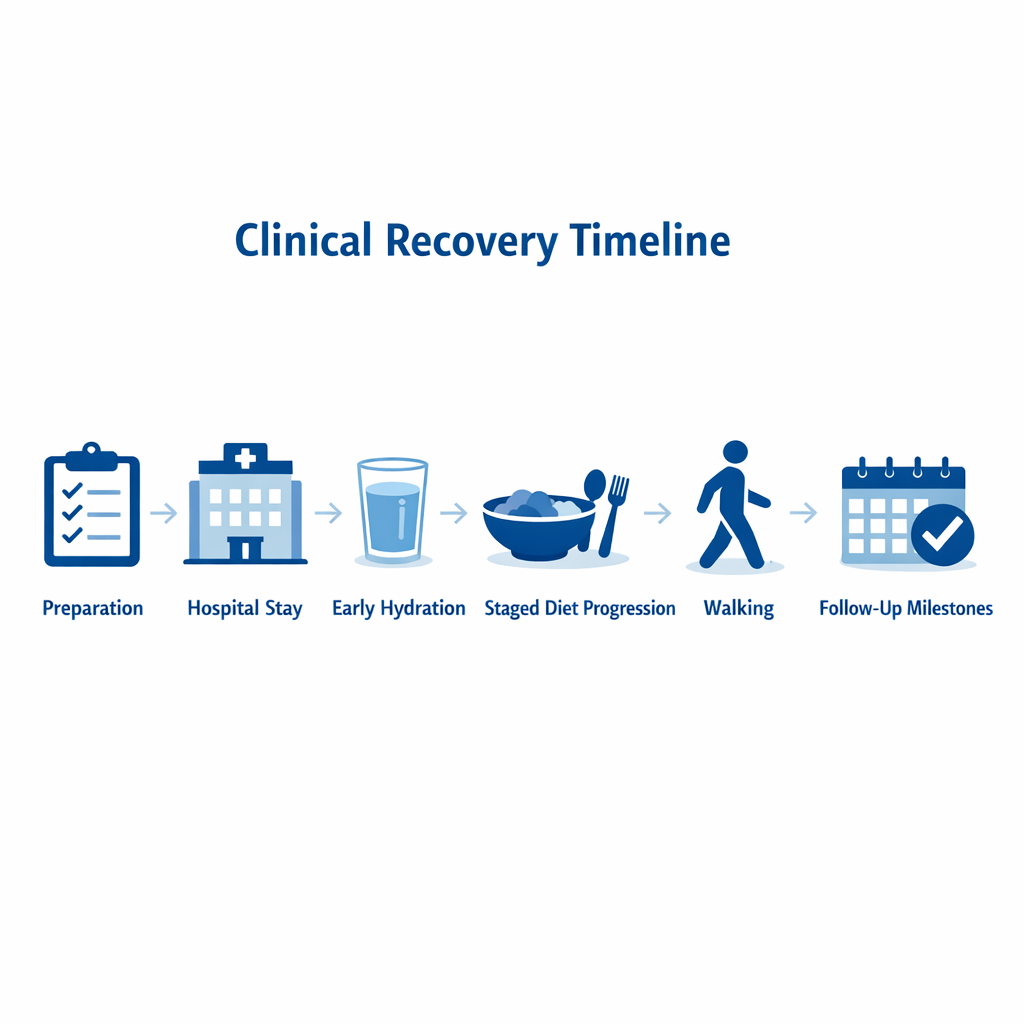
After discharge, recovery gastric sleeve surgery usually centers on a few basics: staying hydrated, moving regularly, progressing through diet stages, and attending follow-up visits. Your team may give you specific fluid, protein, activity, and incision-care instructions. Follow those directions closely, even if they differ from general advice.
Many patients are encouraged to take short walks as directed, because gentle movement can support circulation and help with overall recovery. Hydration is also a major priority. Small, steady sips throughout the day are often easier than trying to drink large amounts at once. As your surgeon or dietitian advances your diet, focus on meeting approved protein goals and avoiding foods or textures that are not yet allowed.
Keep all scheduled follow-up appointments so your team can monitor healing, answer questions, and guide your next steps. If you are unsure whether a symptom is expected, contact your surgical team rather than guessing. Recovery timelines vary, and the safest plan is the one tailored by the professionals overseeing your care.
Sleeve Gastrectomy vs Other Bariatric Options
When comparing bariatric procedures, the best choice is not the same for everyone. Surgeons usually look at anatomy, medical history, reflux symptoms, weight-loss goals, and long-term follow-up needs before recommending a path. For many patients exploring bariatric procedure options for weight loss, sleeve gastrectomy and gastric bypass are two of the most common discussions.
Sleeve vs gastric bypass
Sleeve gastrectomy works by removing a large portion of the stomach, creating a smaller sleeve-shaped stomach. This limits meal size and also changes hunger-related hormones. Gastric bypass also reduces stomach size, but it adds intestinal rerouting, which changes how food moves through the digestive tract. Because of that difference, bypass is generally considered more complex from a surgical and nutritional standpoint.
At a high level, both procedures can support meaningful weight loss and improvement in obesity-related conditions, but follow-up needs may differ. Sleeve patients still need long-term monitoring, yet bypass patients may require especially close attention to vitamin supplementation, lab work, and digestive symptoms because of the rerouting component. Neither option is universally best; each has tradeoffs that should be reviewed carefully with a qualified bariatric surgeon.
When revision conversations may come up
Some patients may later hear about gastric sleeve to gastric bypass conversion. That discussion can come up if a person has persistent reflux, inadequate weight loss, weight regain, or other clinical concerns after sleeve surgery. A revision is not automatic and is not appropriate for every patient. It usually requires a detailed evaluation of symptoms, prior surgical history, imaging or endoscopy findings, and overall health status.
In other cases, patients who previously had a lap band may ask whether revision is possible. Depending on the situation, a surgeon may discuss lap band revision surgery options as part of a broader treatment plan. The key point is that revision pathways are individualized. Procedure selection should be based on a careful medical assessment, realistic expectations, and the kind of long-term follow-up a patient is prepared to maintain.
Cost and Insurance Questions Patients Often Ask
Cost is an important part of the decision-making process, and it is reasonable to ask detailed questions before moving forward. Exact pricing can vary based on your treatment plan, where care is provided, any required testing, anesthesia or facility-related fees, and the type of follow-up care involved. For a closer look at cost factors for bariatric procedures, it can help to review procedure-specific information alongside your consultation details.
What can affect pricing and coverage
Out-of-pocket costs and insurance coverage depend on individual circumstances. Coverage may vary by plan terms, medical necessity requirements, prior authorization rules, network status, and other eligibility criteria. Because these details are specific to each patient and policy, it is important not to assume coverage is guaranteed.
The most reliable next step is to verify benefits directly with both the provider and your insurance company. Asking for an individualized review can help you understand expected costs, documentation requirements, and whether any pre-approval steps may apply.
Long-Term Considerations After Sleeve Gastrectomy
Life after sleeve gastrectomy is not just about the first phase of weight loss. Long-term success usually depends on steady habits, regular medical follow-up, and realistic expectations about how the body may change over time. Ongoing nutrition guidance and vitamin monitoring are especially important, since patients may need lifelong attention to protein intake, hydration, and recommended supplements.
Maintaining results over time
Maintaining results often comes down to consistent eating patterns, physical activity, sleep, stress management, and keeping scheduled follow-up visits. Surgery can be a powerful tool, but it works best as part of a broader health plan. If weight regain starts to happen, early support from a bariatric team can help identify causes and adjust the plan before small changes become bigger setbacks.
Patients also commonly search for answers about body changes after major weight loss. Some people notice loose or excess skin and may ask about plastic surgery after gastric sleeve. This is a separate consideration from bariatric surgery itself, and timing, goals, overall health, and weight stability all matter when discussing options with qualified clinicians.
Questions about excess skin and body contouring
Not every patient pursues additional procedures, and there is no single right path. For many people, the priority remains long-term health, nutrition, strength, and routine follow-up care. A thoughtful discussion with the care team can help patients understand what to expect and what choices may or may not fit their situation.

Frequently Asked Questions About Sleeve Gastrectomy
Common patient questions
What is the difference between sleeve gastrectomy and gastric sleeve surgery?
In most cases, these terms mean the same procedure. “Sleeve gastrectomy” is the medical term, while “gastric sleeve surgery” is the more common plain-language name. A surgeon can explain the exact technique, risks, and expected lifestyle changes during an individual evaluation.
How long does recovery gastric sleeve surgery usually take?
Recovery timelines vary by patient, overall health, and the type of work or activity involved. Many people need a few weeks before returning to normal routines, but full recovery and adjustment to new eating habits can take longer. The care team will provide specific guidance on activity, diet progression, and follow-up.
Who may qualify for weight loss surgery with the sleeve?
Qualification depends on factors such as body mass index, weight-related health conditions, prior weight-loss efforts, and overall medical readiness. Not everyone is a candidate, and a full medical and nutritional evaluation is usually required. The goal is to determine whether surgery is appropriate and safe for the individual patient.
Are gastric sleeve surgery results permanent?
The stomach changes made during sleeve surgery are generally permanent, but long-term weight outcomes can vary. Success depends on many factors, including nutrition, activity, follow-up care, and overall health. Patients should view the procedure as one part of a long-term treatment plan rather than a guaranteed result.
Can a patient go from gastric sleeve to gastric bypass later?
In some cases, a sleeve can be revised to another bariatric procedure, including gastric bypass. This is not automatic and depends on the reason for revision, the patient’s anatomy, symptoms, and overall health. A bariatric surgeon would need to review the situation carefully before recommending next steps.
Will I need plastic surgery after gastric sleeve?
Some patients consider plastic surgery after major weight loss, while others do not. That decision depends on the amount of weight lost, skin elasticity, comfort, health status, and personal goals. If excess skin becomes a concern, it can be discussed with the appropriate specialist after weight has stabilized.
When to Talk With a Bariatric Specialist
If you are wondering whether sleeve gastrectomy is the right fit, a conversation with a bariatric specialist can help you move from general research to personalized guidance. Many people reach this step when they have ongoing weight-related health concerns, have tried other approaches without lasting results, or want a clearer understanding of what surgery may involve.
A personalized evaluation matters
The best next step is to discuss your goals, health history, current symptoms, and treatment preferences with an experienced bariatric team. Procedure choice, timing, and expectations are not one-size-fits-all. An evaluation can help determine whether sleeve gastrectomy or another option may be more appropriate based on your individual needs.
If you are still comparing options, that is okay. Getting answers to your candidacy questions does not commit you to treatment. It simply gives you reliable information so you can make an informed decision about your care with professional support.
Key Takeaways on Sleeve Gastrectomy
Sleeve gastrectomy is a weight loss surgery that reduces the size of the stomach, helping some patients eat less and support long-term weight management. As covered throughout this article, it may be considered for people who meet specific medical and weight-related criteria, but eligibility is never based on one factor alone. A full evaluation with a qualified surgeon and care team is important to determine whether this procedure fits a person’s health history, goals, and overall treatment plan.
Recovery also matters just as much as the operation itself. Patients should be prepared for a structured healing period, gradual diet progression, follow-up appointments, and lasting lifestyle changes. While many people explore this procedure because of its potential benefits, it is equally important to understand the possible risks, limitations, and the commitment required after surgery. Clear conversations with a qualified surgeon can help set realistic expectations about results, recovery, and long-term care.
An informed path forward
For some patients, sleeve gastrectomy can be an important option within a broader medical weight loss journey. The best next step is an informed one: ask questions, review benefits and risks carefully, and make decisions based on individualized medical guidance rather than pressure or assumptions. With the right evaluation and a commitment to long-term follow-through, readers can move forward feeling informed, realistic, and supported.