
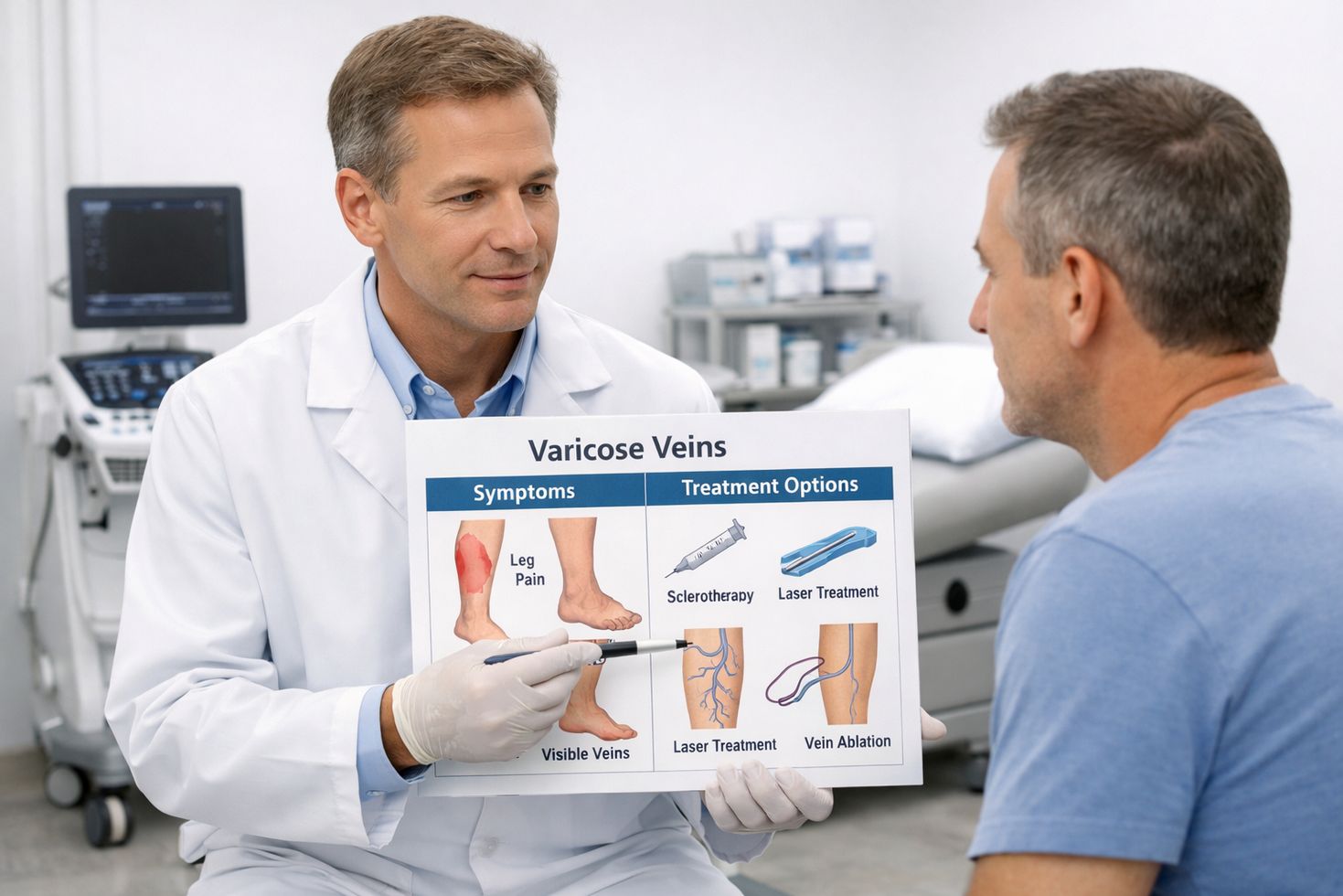
Vein varicose symptoms often include enlarged, twisted veins that are easy to see under the skin, most commonly on the legs. They can also cause physical discomfort such as aching, heaviness, swelling, itching, or cramping. While some people notice mostly cosmetic changes, others feel symptoms that become more noticeable after long periods of standing or at the end of the day. In many cases, varicose vein symptoms can be managed with conservative steps, but some patterns may deserve medical evaluation depending on your overall health, symptom severity, and how much they affect daily life.
The most common signs people notice first are bulging or rope-like veins, tired or heavy legs, aching after activity, swelling around the ankles, and nighttime discomfort. Some people also describe burning, throbbing, or itching near the affected veins. These symptoms do not always mean a serious problem, but they can signal that blood flow in the veins is not working as efficiently as it should.
It is worth paying attention if symptoms seem to be getting worse, interfere with walking or exercise, or are paired with skin changes or persistent swelling. A careful evaluation can help clarify whether simple self-care may be appropriate or whether other treatment options should be discussed.
Varicose Veins vs. Spider Veins: What Is the Difference?
A varicose vein and spider vein are both visible vein changes, but they are not the same thing. Varicose veins are usually larger veins that become enlarged, raised, and sometimes twisted under the skin, most often in the legs. Spider veins are much smaller superficial vessels that can appear red, blue, or purple and often look like fine lines, branches, or a web.
How they look
The easiest difference to notice is size and shape. Varicose veins tend to bulge and have a rope-like appearance. Spider veins are flatter and more delicate in pattern. Even so, appearance alone does not tell the whole story. A small visible vein may be mostly cosmetic, while a larger vein may reflect underlying vein valve problems, sometimes called reflux.
How symptoms can differ
Spider veins are often a cosmetic concern, but they can still deserve evaluation if they are associated with discomfort or if someone has other leg symptoms. Varicose veins are more likely to cause aching, heaviness, throbbing, swelling, or a tired feeling in the legs, especially after long periods of standing. That said, symptoms vary from person to person, and some people with noticeable veins have very little discomfort.
The key point is that severity is not judged by looks alone. The size of the vein, the symptoms it causes, and whether there is underlying venous reflux all matter. In some cases, conservative care such as compression therapy for varicose veins may be part of management, depending on a clinician’s evaluation.

Why Recognizing Varicose Veins Symptoms Early Matters
Noticing varicose veins symptoms early can be helpful even when symptoms seem mild. Aching, heaviness, throbbing, itching, or leg swelling may start as an occasional annoyance, but persistent symptoms can gradually affect comfort, mobility, and everyday routines. Paying attention early may give patients more time to discuss conservative measures with a clinician, such as activity changes, leg elevation, or compression, depending on their medical evaluation and individual health status.
Early recognition also matters because symptoms do not affect appearance alone. For some people, vein-related discomfort can make long periods of standing harder at work, reduce exercise tolerance, interrupt travel, or lead to restless sleep after a busy day. Addressing symptoms sooner can support better day-to-day function and help patients understand what is contributing to the problem before it becomes more disruptive.
Protecting comfort and daily function
When symptoms are recognized early, patients may be better positioned to respond before discomfort becomes part of their normal routine. Legs that feel heavy by afternoon, swell after standing, or ache during exercise can make common activities less comfortable over time. Even mild but recurring symptoms may influence how long someone can stay active, complete errands, or recover after a full day. Identifying patterns early can make it easier to describe symptoms clearly during a medical visit.
Getting the right evaluation sooner
Another practical benefit of early evaluation is clarity. Symptoms that seem like varicose veins symptoms may be related to venous reflux, but they can also overlap with other leg concerns. A proper assessment can help determine whether veins are the likely source or whether another issue should be considered. If you have wondered, are varicose veins dangerous, the answer depends on the person, the symptoms, and the findings of a medical evaluation rather than a blanket yes or no.
Recognizing symptoms early is not about assuming the worst. It is about giving yourself the opportunity to seek informed guidance, understand your options, and make treatment decisions based on professional assessment, symptom severity, and your overall health.
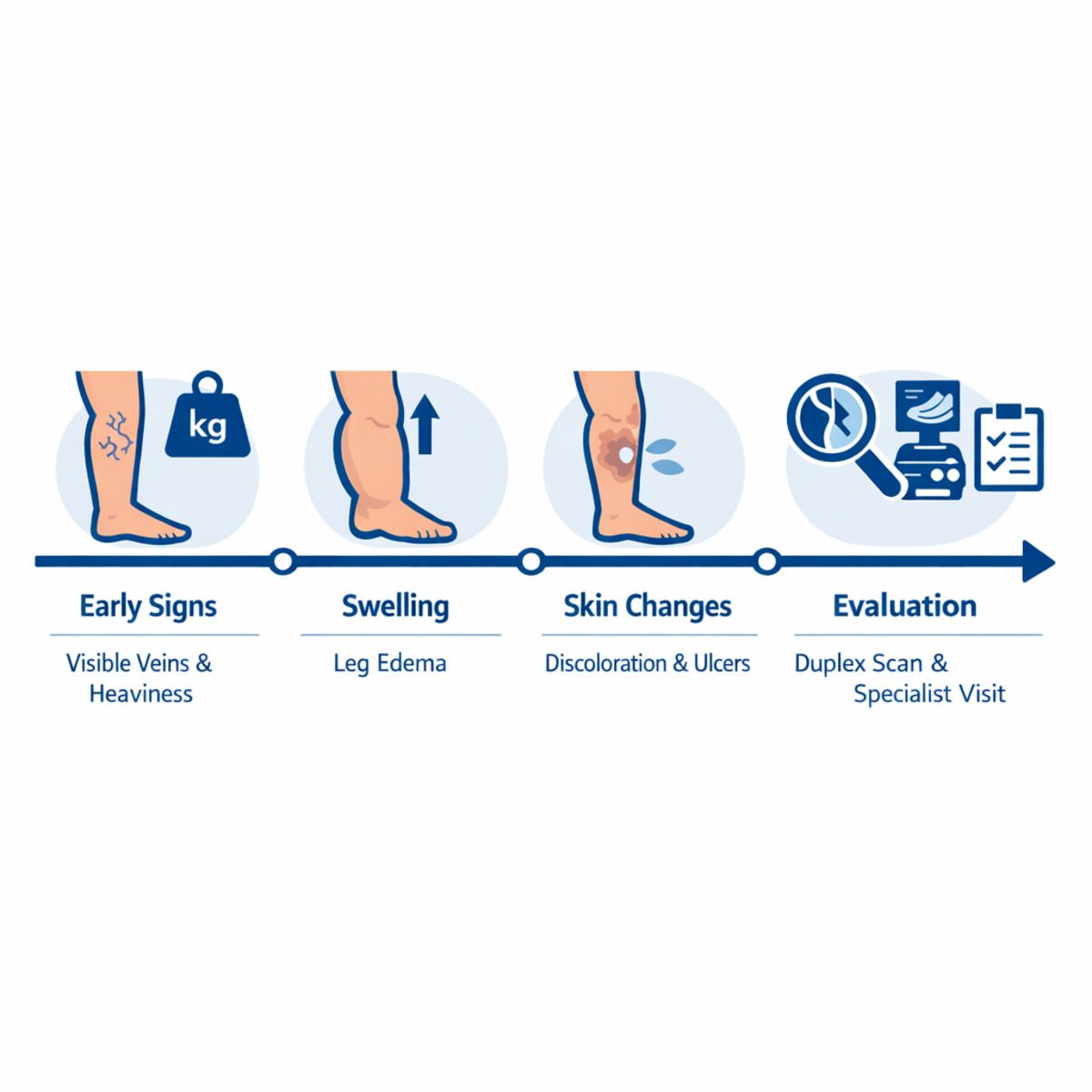
Common Varicose Vein Symptoms to Watch For
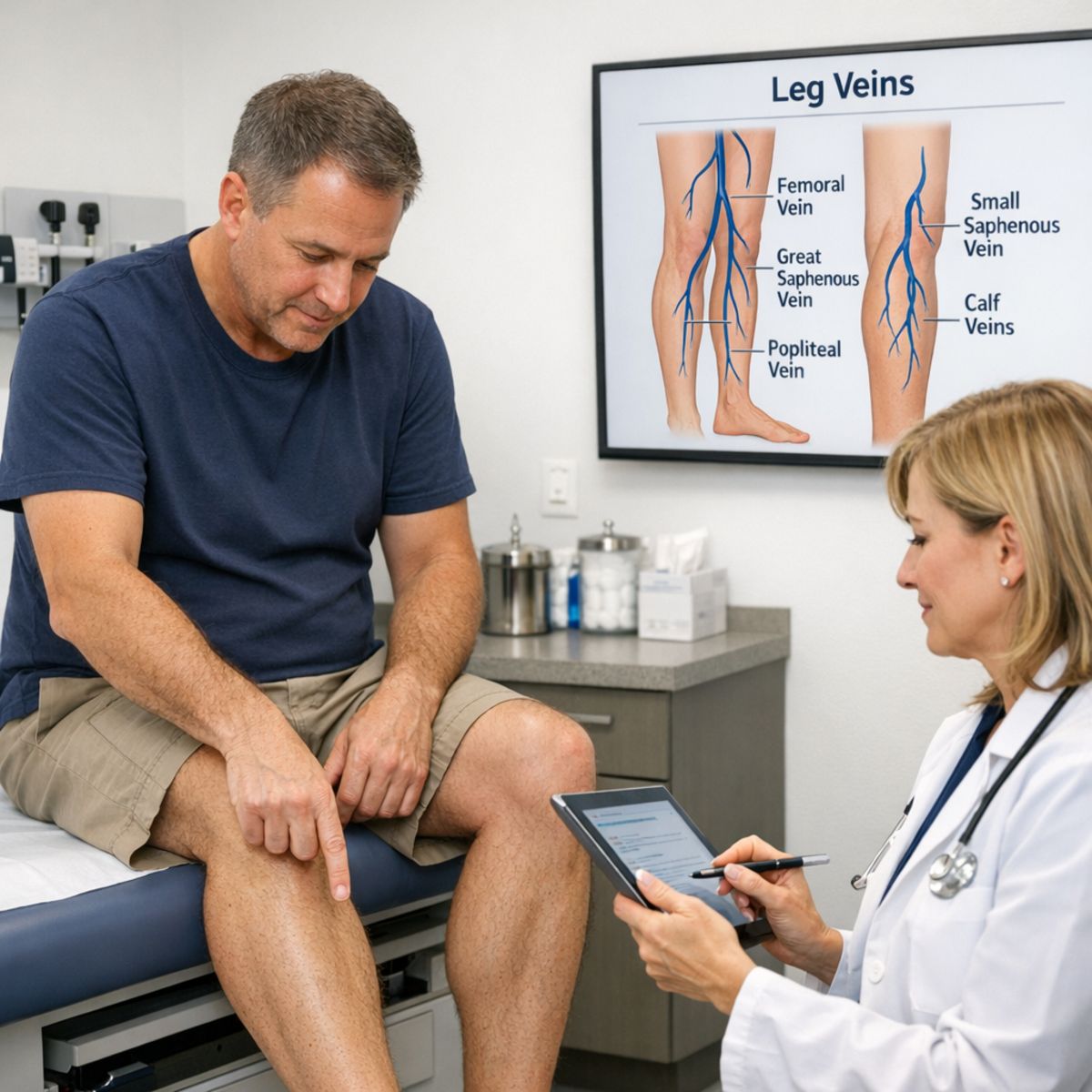
Varicose vein symptoms can range from mostly cosmetic changes to daily leg discomfort that becomes hard to ignore. Some people notice visible veins with very few symptoms, while others have aching, swelling, or heaviness even when the veins do not look especially dramatic. Paying attention to both appearance and how your legs feel can help you recognize patterns worth discussing with a clinician.
Visible changes in the veins
One of the most recognizable signs is bulging, twisted veins that appear blue, purple, or darkened under the skin, often on the calves or thighs. In some cases, the veins are only mildly raised and mainly a cosmetic concern. In others, they become more prominent over time and are easier to see after long periods of standing. Spider veins may also appear nearby, though they are not the same as larger varicose veins.
Physical sensations in the legs
Common varicose vein symptoms include aching, heaviness, throbbing, burning, itching, and a sense of pressure in the legs. Many people also report swelling around the lower legs or ankles, leg fatigue, nighttime cramping, or a restless feeling that makes it hard to get comfortable. Discomfort after prolonged standing is especially common. These symptoms may affect one leg more than the other and can vary from day to day.
A useful detail to notice is whether symptoms improve when you elevate your legs or move around after sitting. While that does not confirm a diagnosis on its own, it can be a practical clue when describing your experience at a medical visit.
When symptoms tend to feel worse
Varicose vein pain and related symptoms often become more noticeable later in the day, after long stretches of sitting or standing, during travel, or in warm weather. Heat can make veins expand, which may increase swelling or that heavy, tired-leg feeling. Some people also notice symptom changes around hormonal shifts. These are common patterns, not rules, but they can help explain why your legs feel manageable some days and much worse on others.
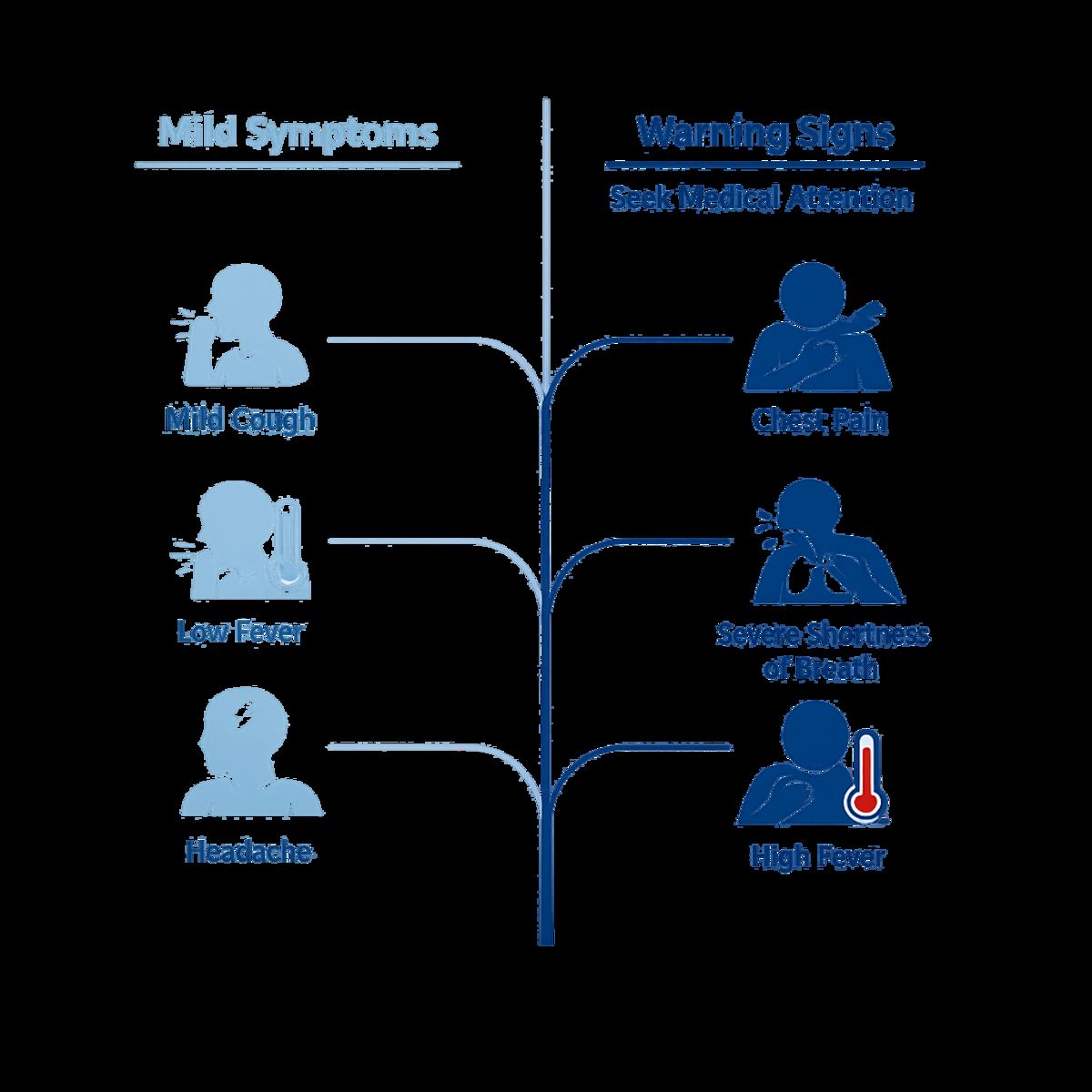
Although many symptoms are bothersome rather than dangerous, prompt medical attention is important if you develop sudden marked swelling, significant skin color changes, bleeding from a vein, a painful hard cord-like area, or an ulcer or sore near the ankle that is not healing. Those warning signs are different from routine vein discomfort and should not be ignored.
Are Varicose Veins Dangerous? Warning Signs to Take Seriously
Are varicose veins dangerous? In many people, they are more uncomfortable than dangerous and may cause aching, heaviness, swelling, itching, or a tired feeling in the legs. Still, some symptoms can signal a complication or a problem that deserves prompt medical evaluation.
A helpful way to think about it is myth versus reality: the myth is that every visible vein is a medical emergency; the reality is that most are not. At the same time, it is important not to ignore sudden or unusual changes, especially if symptoms are getting worse.
Common symptoms vs. concerning symptoms
Common symptoms often include leg aching, mild swelling, throbbing, cramping, or discomfort after long periods of standing. Concerning symptoms include sudden swelling in one leg, significant pain, marked warmth or redness, skin breakdown, open sores or ulcers, or bleeding from a vein. These issues do not automatically mean a specific diagnosis, but they should be taken seriously and assessed by a qualified medical professional.
When to seek prompt medical attention
Seek prompt medical attention if you notice a rapid change in symptoms, worsening pain, new skin changes, or a vein that starts bleeding. If symptoms feel sudden or severe, urgent care or emergency evaluation may be appropriate. The goal is not to assume the worst, but to make sure potentially important warning signs are not overlooked.
Balanced care matters: many varicose veins can be monitored and treated non-emergently, but timely evaluation is the safest next step when symptoms are unusual, intense, or progressing.
How to Manage Mild Varicose Vein Symptoms at Home
If your symptoms are mild, home care may help reduce day-to-day discomfort and support circulation. The goal is usually to manage heaviness, aching, swelling, or fatigue in the legs rather than to fix every underlying vein problem. A practical routine can make symptoms easier to live with, but persistent, worsening, or painful vein issues still deserve medical evaluation.
Step 1: Keep blood moving
Gentle movement is one of the most useful forms of self-care. A simple varicose vein exercise plan can include walking, ankle pumps, ankle circles, and calf raises. These movements help activate the calf muscles, which support blood flow back up the legs. Even short walks during the day can be helpful, especially if you spend long periods at a desk or on your feet.
Try to avoid staying in one position for too long. If you sit for work, stand up and move around regularly. If you stand for long stretches, shift your weight, take brief walking breaks, or flex your ankles and calves when possible. Consistency matters more than intensity.
Step 2: Reduce pressure when possible
When your legs feel heavy or tired, elevating them may help ease pressure. At home, you can lie back and raise your legs on pillows for short periods during the day. It can also help to change positions often, avoid crossing your legs for long periods, and build in breaks if your routine involves prolonged standing or sitting.
If weight management is part of your broader health plan, gradual progress may also reduce strain on the legs over time. Supportive habits such as regular movement, balanced nutrition, and staying active can all play a role in symptom management.
Step 3: Ask whether compression is appropriate
Compression stockings may help some people by supporting circulation and reducing discomfort, but they are not the right choice for everyone. Fit, compression level, and underlying health conditions all matter. In some cases, a clinician should guide whether compression is safe and appropriate before you start using it.
If you want to learn more about compression therapy for symptom relief, it can be useful as part of a broader conservative care plan. Home care may ease symptoms for some people, but it does not remove every vein problem underneath the surface. If symptoms continue, worsen, or interfere with daily life, a medical assessment is the next step.
Comparing Treatment Options for Symptomatic Varicose Veins
Treatment for symptomatic varicose veins is not one-size-fits-all. The right approach depends on your symptoms, vein anatomy, whether reflux is present in larger veins, and a clinician’s assessment. In general, care can range from conservative measures to office-based procedures, with each option serving a different role in the treatment pathway.
Conservative care
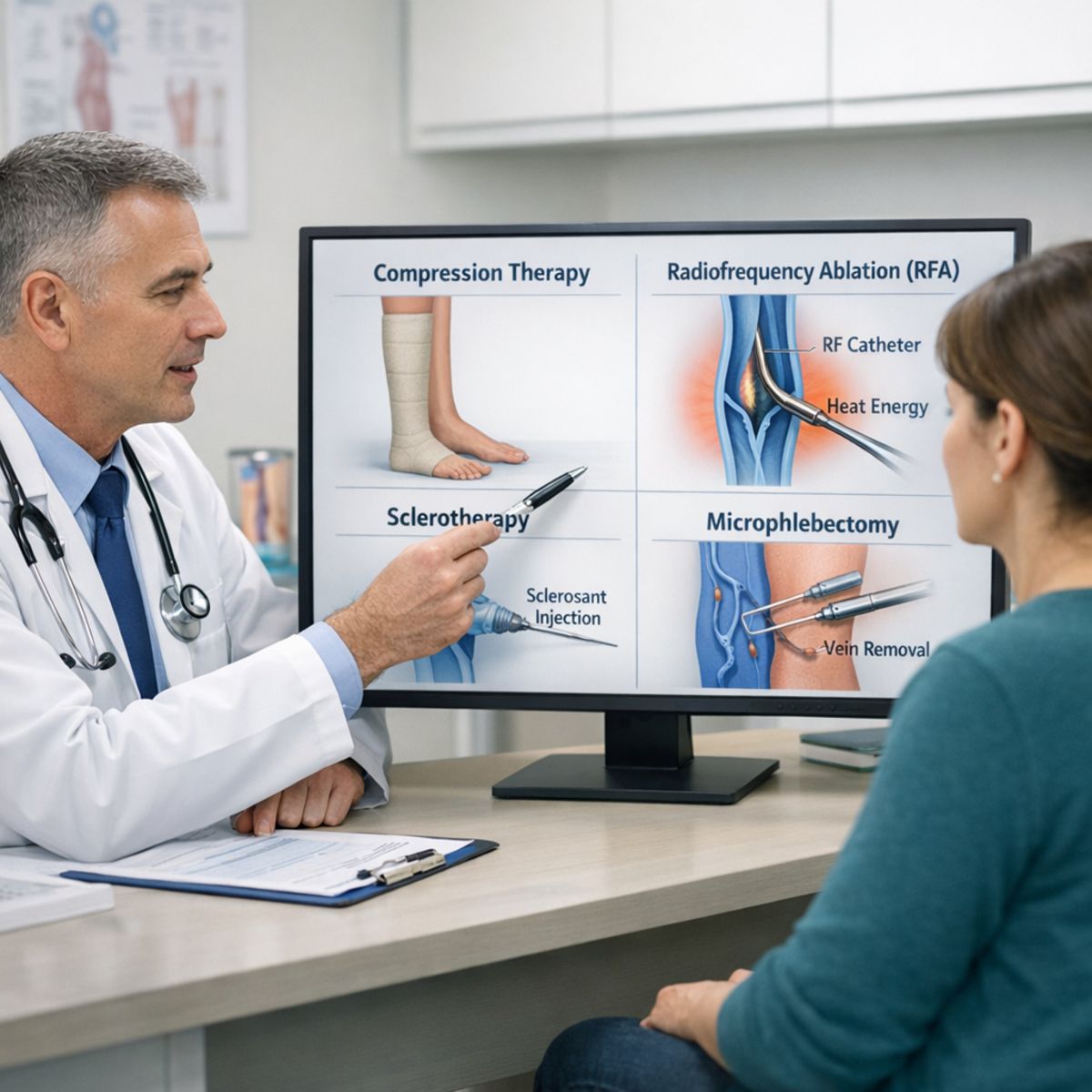
Conservative care often includes compression stockings, regular walking or movement, leg elevation, and monitoring symptoms over time. This approach may help reduce heaviness, aching, and swelling for some people, and it can be an appropriate first step depending on the situation. You can learn more in this compression therapy treatment overview. However, conservative care does not remove existing bulging veins, and it may not address the underlying vein reflux that contributes to symptoms in some patients.
Office-based procedures
When symptoms are linked to vein reflux or persistent surface varicose veins, office-based procedures may be considered. Radio frequency ablation of varicose veins is commonly used when a larger vein is not closing properly and blood is flowing backward. In simple terms, the procedure uses heat delivered through a small catheter to seal the problem vein so blood can reroute through healthier veins. Patients considering this option can review radiofrequency ablation treatment details.
Sclerotherapy varicose vein treatment is often used for smaller varicose veins and spider veins. It involves injecting a solution into the vein so it closes and gradually fades. It may be recommended on its own for certain veins or as part of a broader plan after a refluxing source vein has been treated.
Microphlebectomy fits into this pathway as a technique used to remove certain surface varicose veins through very small incisions. It is often considered when veins are too large or raised to respond as well to injection-based treatment alone. Recovery considerations vary by patient and by the veins being treated, but office-based options are generally designed to limit downtime compared with more invasive surgery. No single procedure is best for everyone, and candidacy depends on medical evaluation, vein size, location, and overall treatment goals.
Treatment Recovery Expectations and Practical Considerations
When people research treatment, one of the most common questions is what varicose veins removal recovery may look like in real life. In general, recovery can vary based on the type of treatment used, how many veins are treated, the severity of the vein condition, and the patient’s overall health. Results vary and any recovery expectations should be confirmed during a medical evaluation.
What can affect recovery
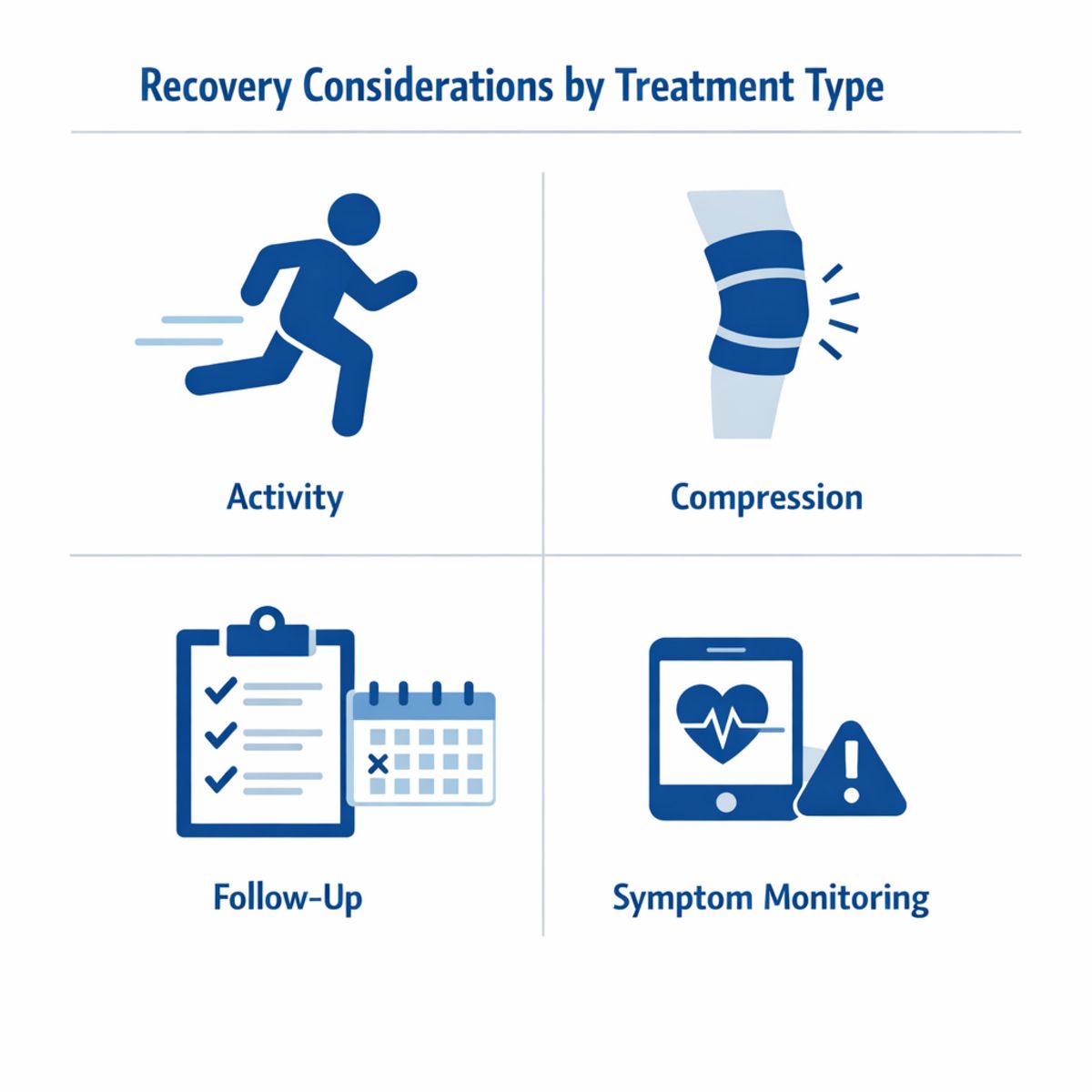
Some office-based vein treatments may allow certain patients to return to routine activities relatively quickly, while others may need additional time before resuming a full schedule. Recovery may also be influenced by baseline circulation, activity level, and how closely aftercare instructions are followed. It is common for providers to discuss walking, compression garments if advised, symptom monitoring, and follow-up visits as part of the recovery process.
How to plan ahead
Practical planning can make the process feel more manageable. Patients may want to wear comfortable clothing, leave time for light walking, and be prepared to follow any instructions about compression or activity limits. Scheduling follow-up appointments in advance can also help support a smoother experience. Because treatment planning is individualized, timelines and recommendations are subject to medical evaluation.
Cost questions are also common, but exact pricing depends on factors such as the treatment approach, the number of veins involved, and the overall care plan. Rather than assuming a set price or timeline, it is best to expect a personalized recommendation after assessment.
Frequently Asked Questions About Varicose Vein Symptoms
Can varicose veins cause leg pain even if they do not look severe?
Yes. The amount of pain or discomfort does not always match how visible or enlarged the veins appear, so even mild-looking veins can be associated with aching, heaviness, burning, or throbbing. If symptoms are persistent, a medical evaluation can help determine whether varicose veins or another circulation issue may be contributing.
Are itchy varicose veins a sign of something serious?
Itching can happen when varicose veins are associated with irritation or skin changes around the affected area. While itching alone does not always mean a serious problem, worsening redness, swelling, skin discoloration, or skin breakdown should be assessed by a specialist.
What is the difference between varicose veins and spider veins?
Varicose veins are larger, twisted, bulging veins that often develop in the legs and may cause symptoms such as aching or heaviness. Spider veins are smaller, thinner red, blue, or purple vessels closer to the skin surface and are often more of a cosmetic concern, though they can sometimes occur alongside vein disease.
Can exercise help varicose vein symptoms?
Low-impact exercise may help some people by supporting circulation and reducing feelings of heaviness or stiffness in the legs. Walking, cycling, and swimming are commonly tolerated options, but exercise is not a cure, and symptoms that continue or worsen should still be evaluated.
When should I see a specialist for varicose veins?
You should consider seeing a specialist if you have ongoing leg pain, swelling, heaviness, itching, skin changes, or veins that interfere with daily comfort. Prompt evaluation is also reasonable if symptoms are getting worse, if one leg becomes suddenly more swollen or painful, or if you have concerns about bleeding or skin injury near a vein.
When It May Be Time to Schedule a Consultation
If you have aching, heaviness, swelling, visible bulging veins, skin changes, or symptoms that are starting to affect your daily routine, it may be time to have your veins evaluated. A consultation can help clarify whether your symptoms may be related to vein disease and whether further assessment makes sense.
Signs it may be time for an evaluation
Consider scheduling a visit if symptoms are persistent, becoming more noticeable, or interfering with comfort, movement, work, or exercise. Changes in the skin around the lower legs or ankles can also be worth discussing with a qualified clinician.
Treatment recommendations are individualized. They may depend on your vein anatomy, symptom severity, medical history, and overall health. In some cases, conservative care may be appropriate. In others, options such as radiofrequency ablation, sclerotherapy, or microphlebectomy may be discussed based on your evaluation.
If you would like guidance on next steps, a consultation can provide a clearer understanding of your condition and the options that may fit your needs.
Key Takeaways on Vein Varicose Symptoms
Vein varicose symptoms can look and feel different from person to person. Some people notice visible, twisted veins first, while others are more aware of aching, heaviness, swelling, itching, cramping, or discomfort that becomes more noticeable after long periods of standing or sitting. In some cases, skin changes or symptoms that persist over time may signal that a closer medical evaluation is worthwhile.
What to remember
The main takeaway is that symptoms exist on a range, and the right next step depends on the full picture rather than any one sign alone. Many vein-related symptoms can be managed, and treatment options are often tailored to your needs, symptoms, and overall health. If changes feel ongoing, uncomfortable, or concerning, getting evaluated can help clarify the cause and guide the most appropriate path forward. With the right information, it becomes easier to make calm, confident decisions about care.