

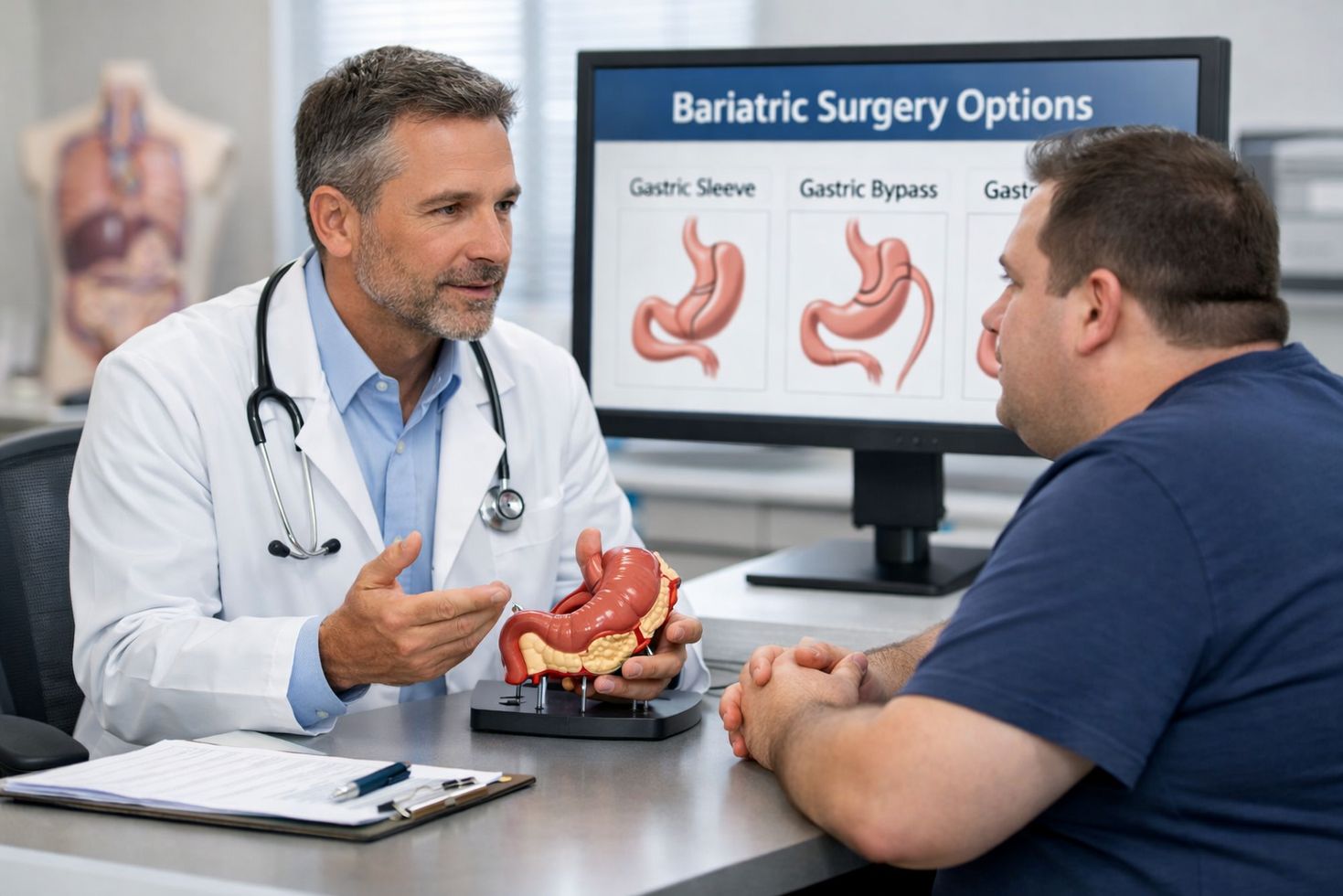
Bariatric surgery is a group of procedures that help with weight loss by changing how the digestive system works. In simple terms, bariatric surgery can reduce how much food the stomach holds, affect how calories are absorbed, and support metabolic improvement. It is one of several weight loss option surgery paths people may explore, often after other approaches have not led to lasting results.
People often consider these procedures for more than body weight alone. Research may start because of concerns about diabetes, sleep apnea, joint pain, mobility, energy levels, or overall quality of life. For many readers, the goal is to understand whether surgery could be part of a broader, medically guided plan rather than a quick fix.
This overview explains what bariatric surgery means, why it may be recommended, and what shapes results over time. You will learn about common procedure types, potential benefits, possible risks, cost considerations, and who may be a candidate. Outcomes vary from person to person and depend on overall health, the specific procedure, and long-term follow-through with nutrition, activity, and medical support.
How Bariatric Surgery Works in the Body
Bariatric surgery changes how the digestive system handles food, which is why it can do more than simply make the stomach smaller. In general, these procedures work through a mix of restriction, hormone changes, and metabolic effects. Together, those changes may help some people eat less, feel full sooner, and better manage hunger over time. For readers exploring weight loss surgery options at West Medical, it helps to understand that each procedure works a little differently inside the body.
Smaller stomach, earlier fullness
One of the most familiar effects of bariatric surgery is restriction. That means the procedure reduces the amount of food the stomach can comfortably hold at one time. When the stomach is smaller, meals are usually much smaller too, and fullness can happen earlier than before surgery. This can support lower calorie intake, but it also means patients need to eat slowly, chew well, and pay attention to the body’s signals. The goal is not just to eat less, but to build eating patterns that the body can tolerate and maintain.
Hormones, hunger, and metabolic changes
Some lose weight surgery options do more than limit portion size. Certain operations also change the path food takes through the digestive tract. That shift can influence gut hormones involved in hunger, fullness, and blood sugar regulation. As a result, some patients notice reduced appetite or improved satisfaction after eating. These changes are also part of why bariatric surgery for type 2 diabetes is often discussed in medical care. In some cases, surgery may help improve blood sugar control, and it can support metabolic health, but outcomes vary from person to person and still require medical supervision.
Why surgery is only one part of the process
Even when the body responds well, surgery is still a tool rather than a stand-alone fix. Long-term success depends on nutrition habits, regular activity, vitamin or mineral supplementation when prescribed, and consistent follow-up care. Those steps help protect health while the body adjusts to new eating patterns and changing weight. Understanding how bariatric surgery works can make the process feel less mysterious, but realistic expectations matter: the procedure can support progress, while daily choices and ongoing care help turn that support into lasting results.

Common Types of Bariatric Surgery and How They Compare
Several bariatric procedures can support weight loss, but they work in different ways and come with different long-term considerations. For people researching gastric bypass vs sleeve, it helps to start with a high-level comparison rather than looking for one procedure that is best for everyone. The right option depends on medical history, eating patterns, reflux symptoms, prior procedures, weight-loss goals, and a surgeon’s evaluation.
Sleeve gastrectomy
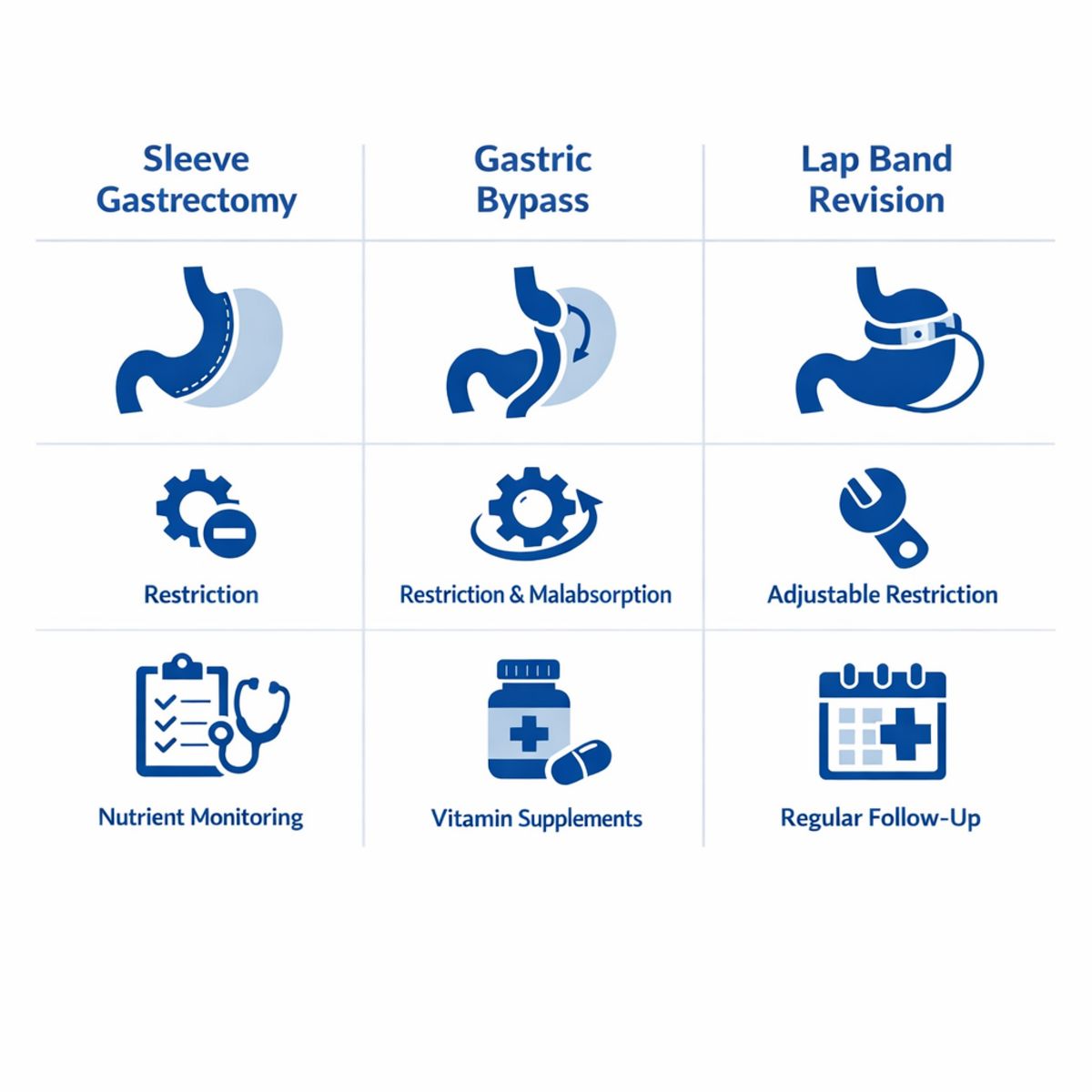
Sleeve gastrectomy reduces the size of the stomach by removing a large portion of it, leaving a narrow sleeve-shaped stomach. Because the stomach is smaller, patients feel full sooner and usually eat smaller portions. This procedure does not reroute the intestines, which makes the anatomy change more straightforward than some other operations. Many patients researching bariatric care begin with gastric sleeve surgery treatment details to understand how the procedure is typically discussed.
Lifestyle changes after sleeve surgery still matter significantly. Patients generally need to focus on protein intake, hydration, portion control, and regular follow-up. Vitamin supplementation may still be recommended, though nutritional monitoring is often less complex than with bypass. Sleeve surgery may be part of the conversation for patients seeking a restrictive procedure, but candidacy always depends on individual health factors.
Gastric bypass
Gastric bypass changes both stomach size and the route food takes through the digestive system. A small stomach pouch is created, and part of the small intestine is bypassed. This means the procedure works through restriction as well as changes in digestion and hormone signaling. Because it involves more anatomical alteration than sleeve gastrectomy, it is often described as more complex and may require closer long-term nutritional follow-up.
Patients comparing options often review gastric bypass benefits risks and alternatives to better understand how the procedure differs in practice. Follow-up after bypass commonly includes careful attention to vitamin and mineral supplementation, lab monitoring, and eating habits that support tolerance and nutrition.
Gastric bypass vs sleeve: key differences
In a gastric bypass vs sleeve comparison, one of the biggest differences is anatomy. Sleeve surgery reduces stomach volume without intestinal rerouting, while bypass creates a smaller pouch and changes how food moves through the digestive tract. That difference can affect follow-up needs, nutritional monitoring, and how each procedure fits a patient’s medical profile.
Another difference is long-term management. Both procedures require lasting behavior changes, but bypass often involves more intensive supplementation and lab surveillance. Reflux can also be part of the discussion, since pre-existing symptoms or anatomy may influence whether one option is explored more closely than another. These are not one-size-fits-all decisions; they are individualized discussions based on risk factors, goals, and clinical findings.
When revision surgery enters the conversation
Revision surgery may come up for some patients who have had a prior bariatric procedure and are experiencing issues such as symptoms, anatomical changes, or weight regain. Revision is not automatically needed and is not appropriate in every case. It usually requires a detailed review of the original procedure, current anatomy, nutrition, and overall health before any recommendation is made.
For example, some patients with a prior adjustable band may explore lap band revision surgery options after formal evaluation. In general, revision-related procedures can be more complex than primary surgery, and the discussion often focuses on balancing safety, anatomy, symptoms, and realistic goals.
Potential Benefits Beyond the Scale

For many people, bariatric surgery is considered for reasons that go well beyond appearance. The broader purpose often includes improving health, supporting daily function, and making it easier to participate more fully in work, family life, and everyday routines. While many readers are curious about weight loss before and after experiences, it is important to view those stories in context. Surgery can be a powerful tool, but it is only one part of a larger, medically supervised process that also includes nutrition, activity, follow-up care, and long-term habit change. If you want to explore weight loss surgery options here, it helps to focus on health goals as much as the number on the scale.
Health conditions surgery may help address
Obesity can affect multiple body systems, which is why surgery may be discussed in relation to conditions such as type 2 diabetes, sleep apnea, high blood pressure, and joint strain. In some patients, bariatric surgery may support better blood sugar control and may reduce the severity of certain obesity-related conditions. That does not mean it is a cure, and it does not mean every person will respond the same way. Decisions about bariatric surgery for type 2 diabetes should always be made with qualified medical guidance, with realistic expectations about ongoing monitoring and treatment.
Daily life and confidence changes
Potential benefits may also show up in everyday life. Some people report improved mobility, less discomfort with movement, better sleep, reduced pressure on the knees and back, and greater ease with daily tasks. Being able to walk farther, climb stairs with less strain, or feel more comfortable participating in social activities can matter just as much as weight change itself. Confidence may improve too, but the most meaningful changes are often tied to function, comfort, and feeling more capable in day-to-day life.
Why before-and-after stories never tell the whole story
Before-and-after examples can be motivating, but they should never be treated as promises. Outcomes differ widely based on starting health, the type of procedure, adherence to follow-up recommendations, nutrition patterns, physical activity, and other individual factors. Exact pounds lost and timelines vary, and long-term success depends on sustained lifestyle changes and consistent clinical support. Results vary, which is why the most responsible way to think about surgery is as a personalized treatment option that may help improve health and quality of life when paired with ongoing care.
How to Know if Bariatric Surgery May Be Worth Discussing
If you are wondering whether bariatric surgery is something to bring up with a specialist, it can help to think of the process as preparation for a conversation, not a way to diagnose yourself. People often start asking about candidacy because of concerns about body weight, obesity-related health conditions, day-to-day mobility, or frustration after repeated weight loss efforts. Those are valid reasons to seek more information, but they do not confirm eligibility on their own.
In general, suitability depends on a full clinical evaluation. A qualified team may look at factors such as overall health, medical history, current conditions, past treatment attempts, nutrition habits, and readiness for long-term follow-up. That is why a practical step-by-step approach can be more useful than trying to compare yourself to a checklist online.
Step 1: Clarify your goals and health concerns
Start by identifying what is motivating you to explore surgery. Your main concern may be weight itself, but it could also be related to diabetes, sleep issues, joint pain, blood pressure, energy levels, or difficulty staying active. Write down the changes you hope to achieve and the health problems that affect your quality of life. This can help you describe your priorities clearly during a consultation without assuming what treatment is right for you.
Step 2: Review your weight loss history honestly
Think back on what you have already tried, including nutrition changes, exercise plans, medications, or supervised programs. The goal is not to judge yourself. It is simply to create an accurate picture of what has and has not been sustainable for you. A care team may use that history to understand patterns, barriers, and next steps as part of an individualized evaluation.
Step 3: Prepare for a surgical consultation
A first appointment is often most helpful when you arrive with questions. You may want to ask about procedure options, possible benefits and risks, recovery expectations, vitamin or supplement needs, nutrition changes, and what long-term follow-up involves. It is also reasonable to ask how your medical history could affect the evaluation process. This keeps the focus on informed decision-making rather than guessing about candidacy in advance.
Step 4: Think beyond surgery day
Even when surgery is considered appropriate, it is usually only one part of a longer process. Long-term success often involves ongoing appointments, eating habit changes, activity goals, and consistent adherence to the care plan. It can also help to consider your support system and mental readiness for those changes. If you are exploring next steps, preparing thoughtful questions and being open about your history can make the evaluation more productive and more personal to your needs.

What Affects Bariatric Surgery Cost
Understanding bariatric surgery cost starts with knowing that the total amount can vary from person to person. Rather than focusing on a single number, it is more helpful to look at the services and clinical factors that may shape the overall expense before, during, and after treatment.
Main cost variables
Common factors that may affect total cost include:
- The type of procedure recommended
- The surgeon’s training, experience, and clinical approach
- Hospital or surgical facility fees
- Anesthesia services
- Pre-op lab work, imaging, and medical evaluations
- Nutrition counseling, education, and required clearances
- Post-op visits, monitoring, and follow-up care
- Any additional treatment needs based on the patient’s health history
Insurance and eligibility considerations
Insurance coverage for weight loss surgery is not guaranteed. Coverage depends on the specific AltaMed plan and the patient’s medical eligibility criteria. Plan rules may include referral requirements, documentation of prior treatment efforts, medical necessity review, and approval of the recommended procedure.
Because benefits and eligibility standards can differ, patients should verify coverage details directly with their health plan and care team. This helps clarify what services may be covered and what out-of-pocket responsibilities may apply.
Risks, Recovery, and Long-Term Commitments Readers Should Understand
Bariatric procedures are surgeries, and it is important to approach them with a clear understanding of both potential benefits and real risks. A balanced review helps support informed decisions, especially for readers comparing options or preparing questions for a consultation. If you want to learn about bariatric surgery options, it is equally important to understand how risks, recovery, and long-term follow-up fit into the full picture.
Common risk categories
As with other surgeries, common categories patients may review include bleeding, infection, leaks, reactions related to anesthesia, and blood clots. There can also be longer-term considerations such as nutritional deficiencies, digestive changes, and the need for ongoing lab work and clinically supervised monitoring. These procedures should be performed by experienced surgeons, with patients supported by a care team that can guide preparation, recovery, and follow-up.
What recovery can depend on
Recovery is not the same for everyone. The type of procedure, a person’s starting health, medical history, and how closely post-op instructions are followed can all influence the experience. Some people recover more smoothly than others, while some need closer nutritional or medical support over time. That is why honest conversations with experienced surgeons and the broader care team matter: they can explain what recovery may involve, what warning signs to watch for, and what long-term commitments are needed to support safety and results.
Frequently Asked Questions About Bariatric Surgery
Is bariatric surgery the same as weight loss surgery?
Yes, bariatric surgery is a type of weight loss surgery. The term “bariatric” refers to medical treatment for obesity, and it includes several procedures designed to help with long-term weight reduction and related health conditions. Not all weight loss treatments are surgical, but bariatric surgery is one category within weight loss care.
What is the difference between gastric bypass vs sleeve?
Gastric sleeve surgery reduces the size of the stomach, which limits how much food you can eat. Gastric bypass also creates a smaller stomach pouch, but it reroutes part of the digestive tract as well. Because of that, bypass may affect absorption more and often requires especially close long-term nutritional follow-up.
Can bariatric surgery help with type 2 diabetes?
In some patients, bariatric surgery may improve blood sugar control and reduce the need for certain diabetes medications. Results vary based on the procedure, overall health, pancreatic function, and how long diabetes has been present. It is not a guaranteed cure, so expectations should be based on a full medical evaluation and ongoing follow-up.
How long does recovery usually take?
Recovery after bariatric surgery depends on the procedure performed, your baseline health, and how your body heals. Many people return to light daily activities sooner than more strenuous routines, but there is no single timeline that fits everyone. Your surgeon will give specific instructions about diet progression, activity, and follow-up visits.
Is bariatric surgery reversible?
Some bariatric procedures are not typically reversible, while others may be revised or, in select situations, reversed. That does not mean reversal is simple or routinely recommended. Decisions about revision depend on symptoms, anatomy, nutrition, and long-term outcomes, so they require careful review by an experienced surgical team.
Who qualifies for bariatric surgery?
Eligibility for bariatric surgery is based on more than weight alone. Candidacy often includes body mass index, obesity-related health conditions, past weight loss efforts, and readiness for long-term lifestyle changes. A full evaluation may also include nutrition, mental health, and medical assessments to determine whether weight loss surgery is an appropriate next step.
When It Makes Sense to Talk With a Bariatric Specialist
If you have been researching weight loss surgery and still have questions, speaking with a qualified bariatric specialist can be a helpful next step. Online information can give you a strong foundation, but it cannot replace an individualized evaluation that takes your health history, symptoms, goals, and concerns into account.
Personalized guidance matters
A consultation gives you the chance to discuss procedure options, recovery considerations, and whether further evaluation may be appropriate for your situation. It is also an opportunity to learn what questions to ask, what factors may influence candidacy, and what realistic next steps could look like based on your needs.
If you would like personalized guidance and education from an experienced team, requesting an appointment can help you move forward with more clarity and confidence.
Key Takeaways on Bariatric Surgery
Bariatric surgery is a broad term for several procedures that may support weight loss and metabolic health. The best approach depends on a careful evaluation of your health history, goals, and readiness for long-term lifestyle changes. With clear information, realistic expectations, and individualized guidance, you can make a more informed decision about whether surgery is the right next step for you.