

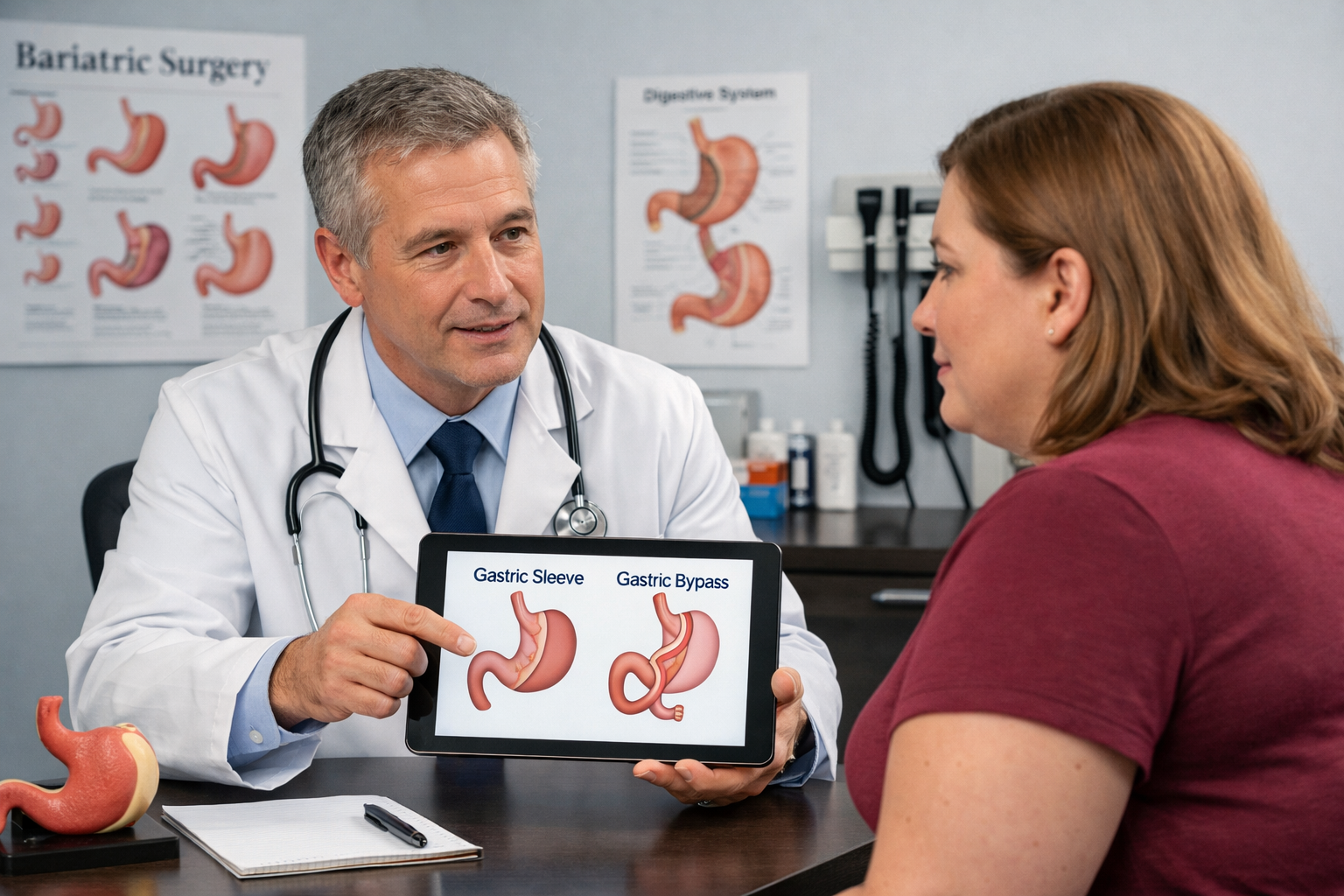
Vertical band gastroplasty is an older restrictive bariatric procedure designed to limit how much food the stomach can hold. While it played an important role in the history of weight-loss surgery, it is performed less often today than sleeve gastrectomy or gastric bypass. People still research it because they may have had the procedure in the past, been advised to learn about it, or want to understand how older and newer bariatric options compare. The most appropriate approach depends on a careful medical evaluation, overall health, eating patterns, and long-term follow-up rather than any one procedure being universally best.
This guide is intended to help you make a more informed decision by explaining what vertical band gastroplasty is, how it works, and why it is less commonly used today. It also sets realistic expectations around benefits, limitations, and the importance of ongoing care. As with any bariatric procedure, outcomes can vary, and risks, recovery, and long-term success are closely tied to individual circumstances and adherence to follow-up recommendations.
You will also see how vertical band gastroplasty compares with newer bariatric options, including sleeve gastrectomy, gastric bypass, and other less invasive approaches. The goal is not to promote one treatment for everyone, but to give you a balanced foundation for discussing options with a qualified clinician.
What this guide covers
In the sections ahead, this article explains the procedure itself, how it affects stomach capacity, who may be considered for it, possible risks and recovery issues, and how it compares with sleeve gastrectomy, gastric bypass, and newer treatment pathways.
What Is Vertical Band Gastroplasty?
Vertical band gastroplasty is an older type of bariatric procedure, sometimes called stomach stapling, that was designed to help patients eat less by creating a much smaller upper stomach pouch. In this operation, staples separate part of the stomach to form a small reservoir where food first enters. A band is then placed around the outlet from that pouch to keep the opening narrow, which slows how quickly food passes into the rest of the stomach and helps patients feel full sooner.
This makes vertical band gastroplasty a restrictive procedure rather than a primarily malabsorptive one. In other words, it works mainly by limiting portion size, not by rerouting the intestines to reduce calorie absorption. That is one key difference from gastric bypass: gastric bypass both restricts intake and changes the digestive pathway, while vertical band gastroplasty focuses on stomach restriction alone. For readers comparing weight loss surgery types, that distinction is important.
Why the procedure was developed
The procedure was developed during an earlier era of bariatric surgery when surgeons were looking for ways to promote weight loss without intestinal rerouting. The goal was to create early fullness after small meals, helping patients reduce food intake in a more mechanical way. Although it is not as commonly performed today as newer operations, interest in it continues because some patients are researching older surgeries they had in the past, trying to understand long-term results, or exploring revision options.
How the procedure works inside the stomach
Inside the stomach, the staples form a small pouch at the top, which fills quickly when a person eats. The reinforced outlet below that pouch stays narrow because of the band, so food moves through more slowly. In plain terms, this can reduce meal size and encourage slower eating because patients may feel satisfied after much smaller amounts of food. Over time, however, outcomes can vary, which is one reason many patients now compare this older operation with newer weight loss surgery options with West Medical.

How Vertical Band Gastroplasty Is Performed and What Recovery Involves
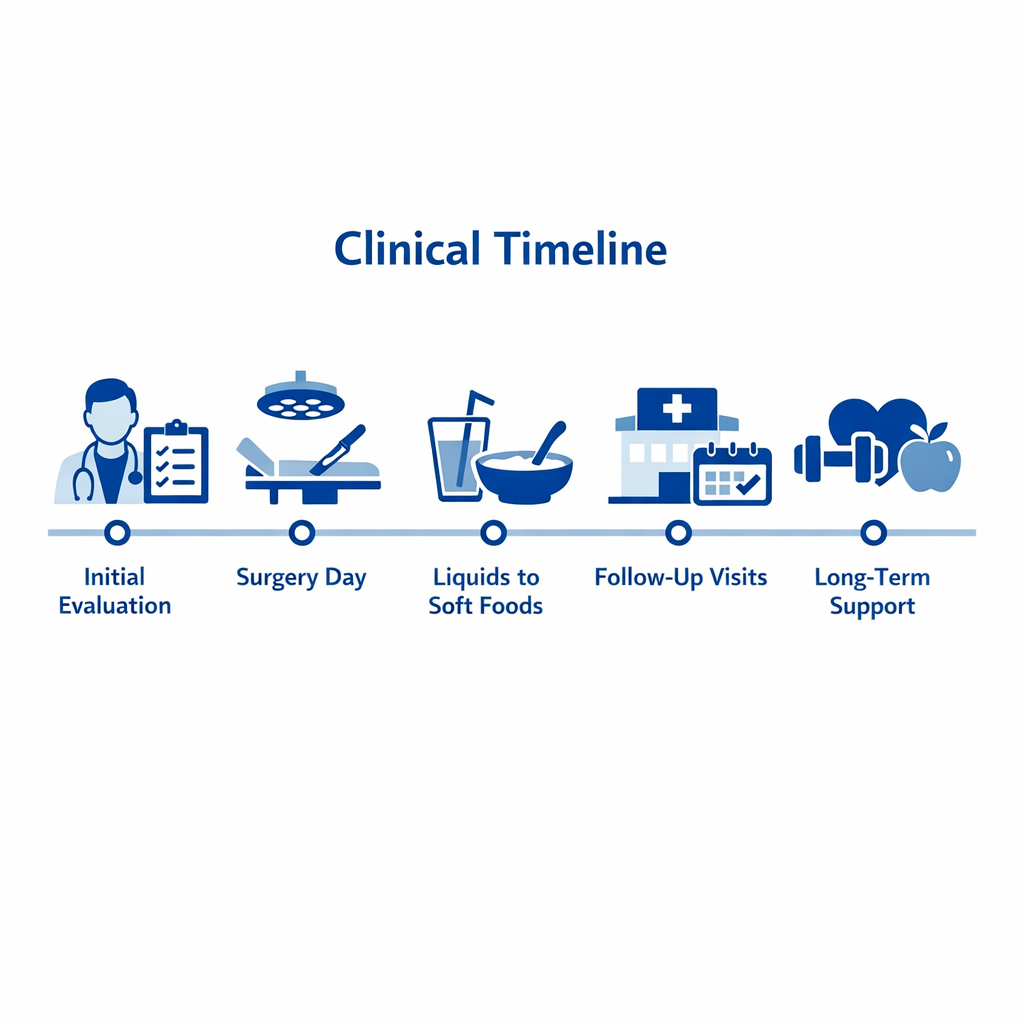
Understanding vertical band gastroplasty is often easier when viewed as a patient journey rather than a technical procedure. The process usually begins with a careful review of whether surgery is appropriate, continues through the operation itself under medical supervision, and extends into a structured recovery plan with long-term follow-up. Because candidacy is subject to medical evaluation and results vary, the exact pathway can differ from one person to another.
Step 1: Medical evaluation and candidacy review
Before surgery is considered, a bariatric team typically looks at body mass index, weight-related health conditions, prior abdominal or bariatric procedures, eating patterns, and overall medical history. Nutrition review is an important part of this stage, since long-term success depends on how well a patient can adapt to smaller meals, slower eating, and ongoing vitamin and protein goals. Some programs also assess psychological readiness and support systems to help determine whether the patient is prepared for the lifestyle changes required after surgery.
This evaluation helps clarify whether vertical band gastroplasty is suitable and whether another option may be more appropriate. If you are still learning about candidacy standards, this guide to BMI surgery eligibility and bariatric care can provide helpful background. It is also worth noting that although some people search for the least invasive weight loss surgery, vertical band gastroplasty is not typically described that way today.
Step 2: What happens on surgery day
On the day of surgery, patients are prepared by the clinical team, meet with anesthesia, and are monitored throughout the procedure. At a high level, vertical band gastroplasty works by creating a smaller stomach pouch and reinforcing the outlet with a band to limit how quickly food passes through. The goal is to help a person feel full with less food, but the operation is only one part of treatment. Immediate postoperative care focuses on pain control, hydration, early monitoring, and making sure recovery is progressing as expected in the hospital setting.
Step 3: Recovery, diet progression, and follow-up
Recovery usually involves a short hospital stay followed by a staged diet plan that may move from liquids to pureed or soft foods before regular textures are introduced, depending on the surgeon’s instructions. Patients are generally encouraged to walk early, increase activity gradually, and prioritize hydration. Eating behavior changes matter just as much as healing: small bites, slow pacing, and avoiding overeating can be essential after this type of procedure.
Follow-up visits are a key part of care. These appointments allow the team to monitor weight loss, nutrition, tolerance of foods, and any signs of complications or inadequate weight loss. Long-term support may include dietary counseling, lab monitoring, and guidance on maintaining healthy habits. Patients should report concerning symptoms promptly, since timely evaluation can help address issues early and support safer recovery.
Vertical Band Gastroplasty vs Modern Bariatric Options
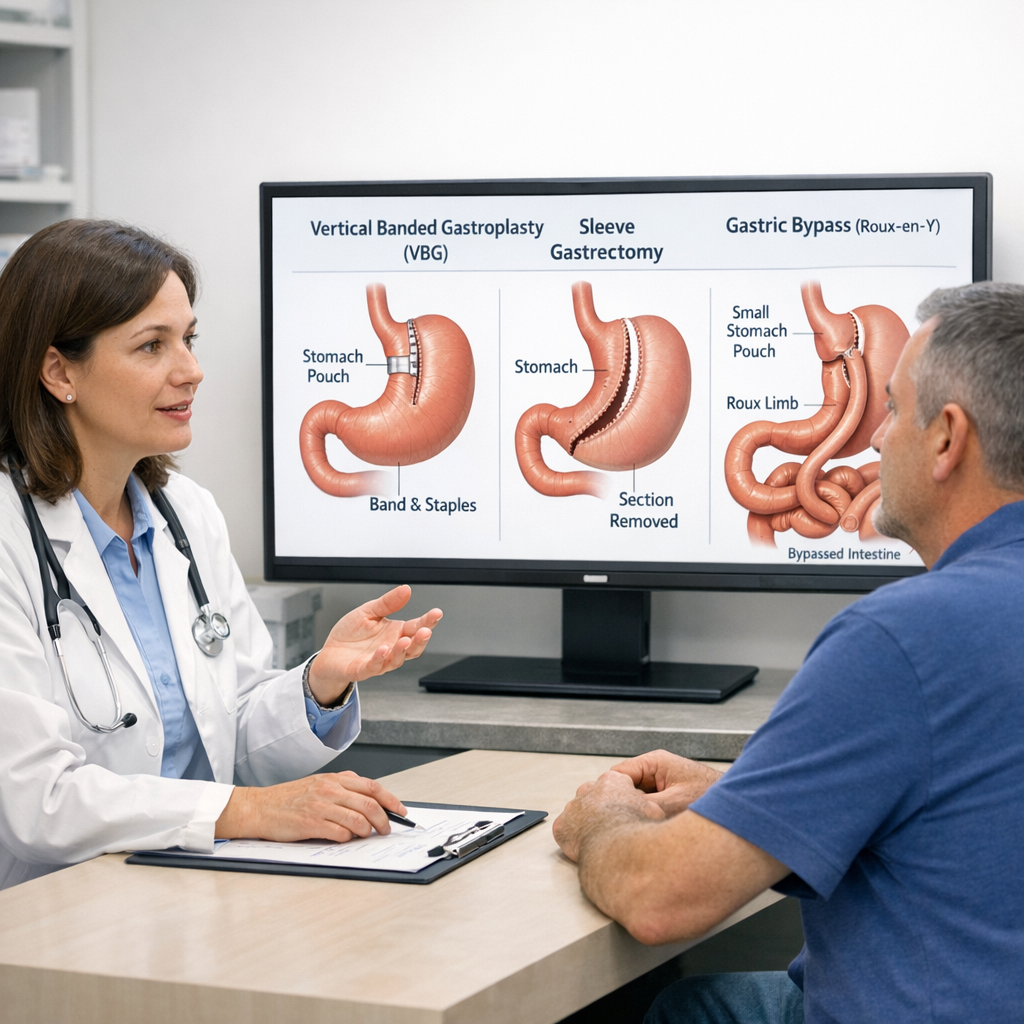
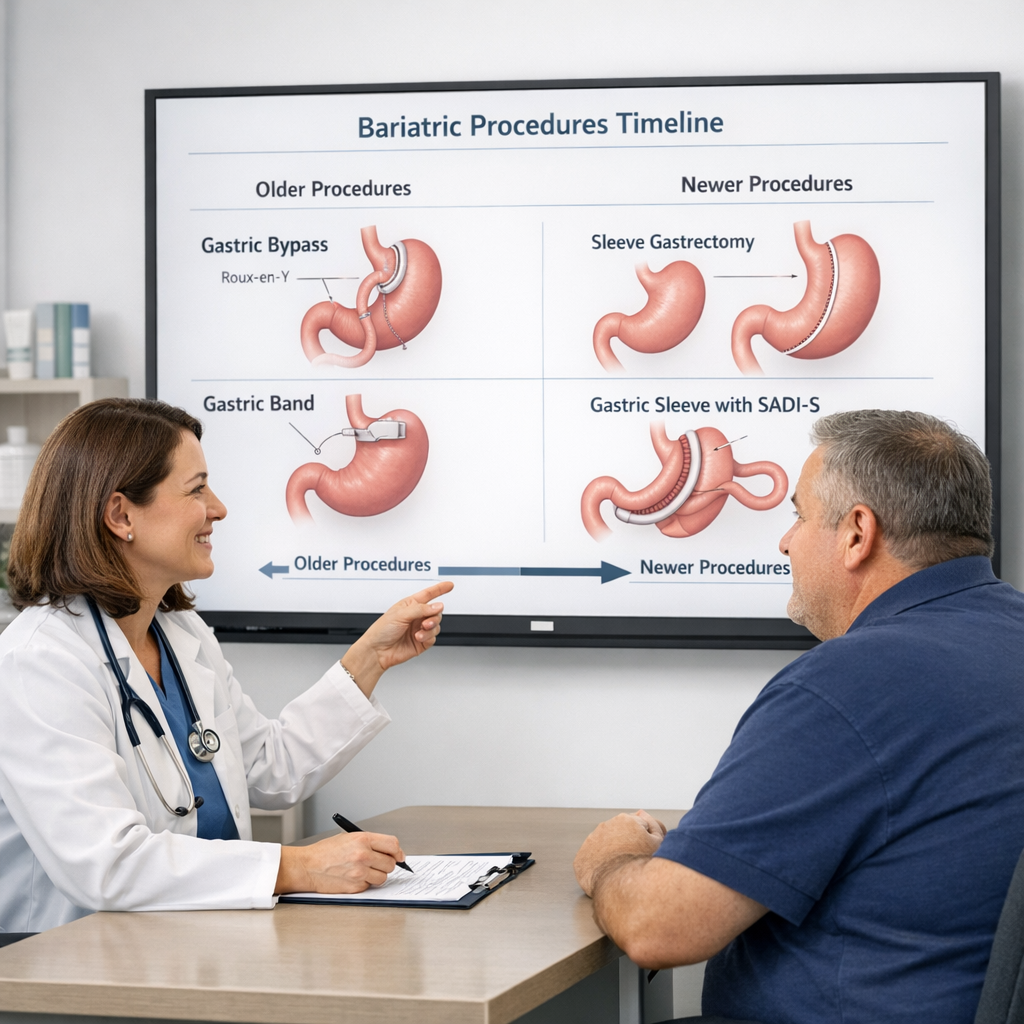
Vertical band gastroplasty, or VBG, is an older restrictive bariatric procedure that reduces how much food the stomach can hold without creating the intestinal rerouting seen in some other weight loss surgery types. Today, many patients more often hear about sleeve gastrectomy, gastric bypass, and even less invasive options, because those approaches are more commonly performed and may better match modern treatment goals depending on anatomy, reflux history, prior surgeries, and long-term follow-up needs.
A useful way to compare these procedures is to look at mechanism, anatomy changes, reversibility, and what life after treatment may involve. If you are also reviewing gastric bypass vs gastric sleeve differences, it helps to place VBG in that broader context rather than viewing it as a direct substitute for every newer option.
Vertical band gastroplasty vs sleeve gastrectomy
VBG and sleeve gastrectomy both aim to limit food intake, but they do so in different ways. VBG uses staples and a banded outlet to create a smaller stomach pouch, while sleeve gastrectomy removes a large portion of the stomach to create a narrow sleeve-shaped stomach.
That anatomical difference matters. In VBG, the stomach is partitioned, but not removed. In sleeve gastrectomy, the stomach is permanently reduced in size, which changes the anatomy more substantially. Both are considered primarily restrictive procedures, but sleeve gastrectomy has become far more common in current bariatric practice because it is a standard modern operation with well-established pathways for evaluation, follow-up, and revision planning when needed.
Another practical distinction is how surgeons think about long-term management. VBG may be associated with issues such as outlet narrowing, staple-line disruption, or difficulty maintaining results in some patients over time. Sleeve gastrectomy also requires long-term follow-up, but it is more widely performed today, so patients often find more standardized care pathways and broader surgeon familiarity. For readers researching gastric sleeve surgery with West Medical, the key takeaway is that sleeve gastrectomy is not simply a newer VBG; it is a different operation with different anatomy and decision points.
Vertical band gastroplasty vs gastric bypass
The biggest contrast between VBG and gastric bypass is mechanism. VBG is restrictive, meaning it mainly works by limiting stomach capacity. Gastric bypass is usually described as a mixed procedure because it combines restriction with intestinal rerouting, which changes digestion and can affect absorption.
Because gastric bypass changes the digestive pathway more significantly, follow-up can be more complex in some cases, especially around nutrition monitoring and supplementation. At the same time, bypass may be considered in situations where reflux, metabolic concerns, or prior surgical history make it a more appropriate option than a purely restrictive procedure. VBG does not create the same malabsorptive component, but that does not automatically make it simpler or better. Each operation brings its own risks, benefits, and long-term considerations.
Reversibility is also worth discussing carefully. VBG is sometimes described as more reversible than procedures involving resection, but reversibility in bariatric surgery is rarely the main reason to choose an operation. What matters more is whether the procedure fits the patient’s health profile, weight-loss goals, symptom history, and likelihood of needing future revision or conversion.
Where endoscopic sleeve gastroplasty fits
Endoscopic sleeve gastroplasty belongs in a different category from VBG, sleeve gastrectomy, and gastric bypass. It is performed through the mouth using an endoscope rather than through traditional surgery, and it reduces stomach volume with suturing rather than removing stomach tissue or creating the same type of surgical pouch.
That is why it may come up in conversations about non invasive weight loss surgery, although it is more accurate to call it a less invasive endoscopic option rather than treat it as equivalent to surgical procedures. It can be appropriate for some patients, but it should not be assumed to deliver the same experience, candidacy criteria, or long-term pathway as VBG or other bariatric operations.
In the end, the right comparison is not just old versus new. The better question is which approach fits the individual patient after a full bariatric evaluation. Health conditions, reflux symptoms, prior abdominal operations, body mass index, weight-loss goals, and surgeon assessment all shape whether VBG, sleeve gastrectomy, gastric bypass, or an endoscopic approach belongs in the conversation.
Potential Benefits and Important Limitations
For some patients, vertical banded gastroplasty (VBG) once seemed appealing because it was designed to limit food intake without creating an intestinal bypass. That basic concept may still come up when someone is reviewing older bariatric procedures, trying to understand a past operation, or comparing historical options with current approaches. Even so, it is important to view VBG in context and avoid assuming that an older procedure will match today’s standards for durability, symptom control, or long-term satisfaction.
Possible upsides
A potential advantage of VBG was its restrictive design: the goal was to help patients feel full with smaller portions while avoiding intestinal rerouting. For some people researching bariatric history, that feature may still sound straightforward. It can also be relevant for patients trying to understand why a prior surgeon recommended it in the past, or why they may now be exploring revision surgery options for prior bands and other earlier weight-loss procedures. In that sense, VBG may still have educational value as part of a patient’s surgical history.
Why it is less common today
The main reason VBG is discussed less often today is that its limitations became more important over time. Concerns have included long-term durability, narrowing at the outlet, and symptoms such as reflux, regurgitation, or vomiting in some patients. Weight-loss maintenance could also be variable, which matters when patients are looking for a procedure that remains effective and manageable over many years.
These issues do not mean every patient had the same experience, but they do help explain why surgeons and patients often consider newer procedures with different risk-benefit profiles. Individual results can depend on overall health, anatomy, eating patterns, and follow-through with medical guidance. A balanced discussion with a qualified bariatric surgeon is the best way to understand whether a past VBG, a revision, or another approach is most appropriate for a specific situation.
Candidacy, Costs, and Long-Term Planning
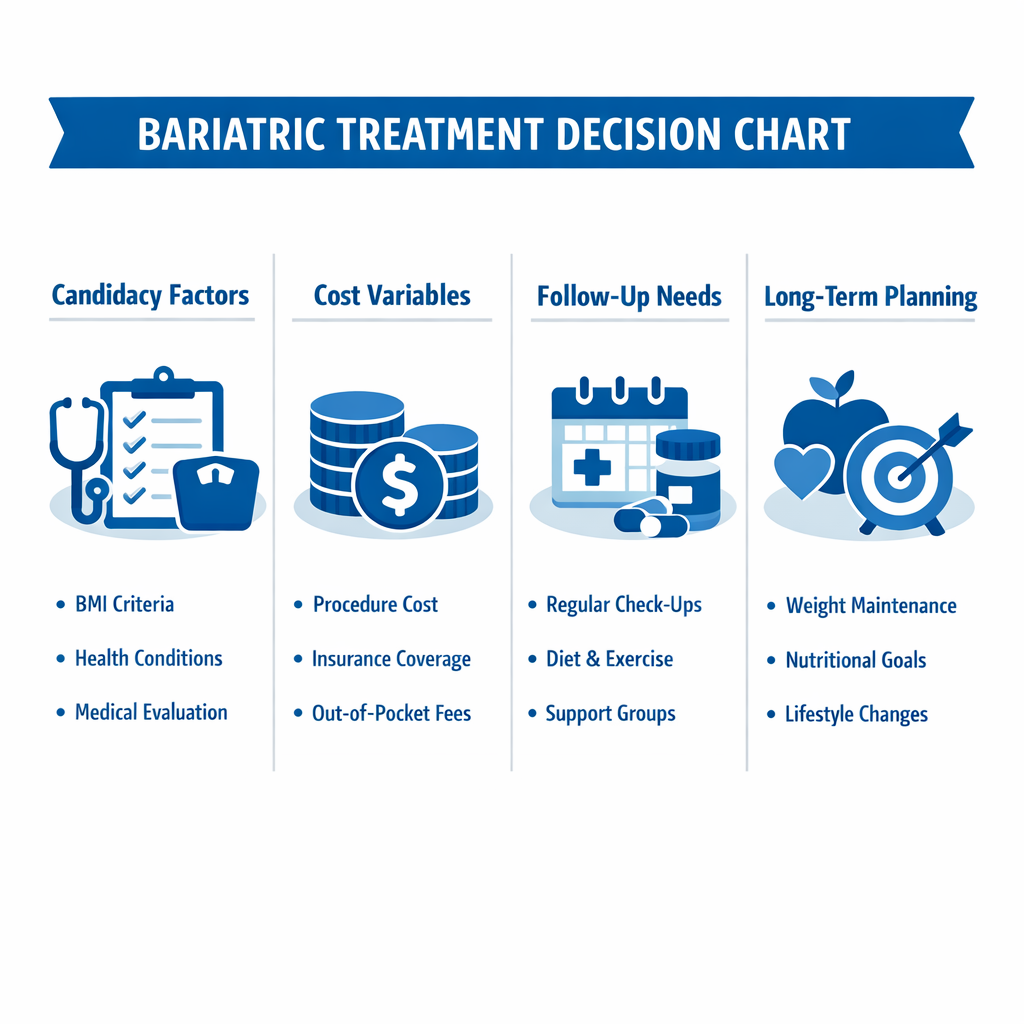
Bariatric treatment candidacy is individualized. A bariatric team typically looks at the full clinical picture rather than relying on one number alone. That may include BMI, obesity-related health conditions, prior abdominal or bariatric procedures, and whether a patient is prepared for follow-up visits, nutrition guidance, and long-term lifestyle changes.
Who may be considered for bariatric treatment
A consultation helps clarify whether treatment is appropriate, what type of procedure may fit best, and what risks or limitations should be discussed in advance. Surgical history can matter, especially if someone has had earlier abdominal operations or is exploring revision care. Readiness for ongoing monitoring is also important, because success is tied to follow-up, nutrition, and medical support over time.
What can affect overall cost
Costs can vary based on several factors, including surgeon expertise, the facility where care is provided, geographic region, insurance status, and whether the case involves a first-time procedure or a revision. Pre-operative testing, post-operative visits, and any added complexity can also influence the overall financial picture. The most useful next step is usually a personalized evaluation rather than comparing generic price estimates.
Long-term planning matters too. Weight loss can lead to changes in body shape, energy, mobility, and skin laxity over time. Some patients later ask about before and after weight loss expectations, including whether plastic surgery after weight loss may be appropriate. That decision is usually considered only after weight has stabilized and with guidance from qualified medical professionals.
Why People Still Search for Vertical Band Gastroplasty
Vertical band gastroplasty still appears in searches because many people are trying to understand older operative records, family medical history, or symptoms after a past stomach stapling procedure. Others are comparing older bariatric terms with today’s language and want to know how VBG fits into modern care.
Older procedures, revisions, and terminology confusion
In many cases, the search is really about next steps. A person may be looking for revision guidance, evaluation of symptoms, or help understanding whether an older operation is the same as newer approaches. It can also reflect confusion between historic surgical procedures and separate topics such as non invasive weight loss surgery, which is not the same as VBG. If you are reviewing past treatment or exploring what is available now, it may help to compare current weight loss surgery treatment options with older procedures discussed in prior records.
Frequently Asked Questions About Vertical Band Gastroplasty
Quick answers to common questions
Is vertical band gastroplasty still performed today?
Not commonly. Vertical band gastroplasty was used more often in the past, but many bariatric programs now favor other procedures with different risk and long-term outcome profiles. Whether it is relevant in a specific case depends on a surgeon’s evaluation and a patient’s history.
How is vertical band gastroplasty different from sleeve gastrectomy?
Vertical band gastroplasty creates a small stomach pouch with a banded outlet, while sleeve gastrectomy removes a large portion of the stomach to form a narrow sleeve. They differ in surgical technique, anatomy, and how they affect eating. A bariatric specialist can explain which differences matter most for an individual patient.
Can vertical band gastroplasty be revised if problems develop?
Yes, revision may be possible in some situations. The right approach depends on the reason for symptoms or weight regain, prior surgical details, current health status, and imaging or endoscopy findings. Revision surgery is complex and requires individualized review.
Is vertical band gastroplasty the least invasive weight loss surgery?
Not necessarily. “Least invasive” can refer to incision size, operating time, anatomic changes, or recovery demands, so the answer is not the same for every procedure. A surgeon should compare options based on current standards and a patient’s medical needs.
How long does recovery usually take after bariatric surgery?
Recovery varies by procedure and by patient. Many people need a period of reduced activity in the first days to weeks, with diet progression and follow-up playing an important role. Exact timing for work, exercise, and normal routines should come from the treating surgical team.
When to Talk With a Bariatric Specialist
If you are comparing procedures, reviewing a prior bariatric surgery, or thinking about treatment for the first time, a consultation can help you move forward with clearer information and a plan that fits your needs. This kind of visit is a chance to talk through your symptoms, medical history, previous procedures, goals, and current treatment options in a supportive setting.
An individualized evaluation may help clarify whether surgical, endoscopic, or revision approaches should be considered, based on your history and a specialist’s assessment. The goal is not pressure—it is understanding your options, the questions to ask, and the next steps that make sense for you.
Helpful information to bring to a consultation
If available, it may be helpful to bring prior operative records, a current medication list, relevant weight history, and any questions you have about goals, risks, recovery, and alternatives. Even if you do not have every detail, starting the conversation can still be a useful step toward informed planning.
Key Takeaways
Vertical band gastroplasty, or VBG, is an older restrictive bariatric procedure that still comes up in research and patient discussions. Understanding where it fits can be helpful, especially when reviewing how weight loss treatment has evolved over time.
Today, many patients compare VBG with more current options such as sleeve gastrectomy, gastric bypass, and certain endoscopic approaches. Those comparisons matter because treatment decisions are usually shaped by modern standards, current techniques, and a clearer view of long-term goals.
A balanced way to think about your options
The most appropriate path depends on your medical history, your goals, and a careful evaluation by a qualified clinician. Looking at older procedures can provide useful context, but the best next step is to focus on the option that fits your individual needs with clarity and confidence.