
Diseased veins is a broad term people often use when veins are not moving blood as efficiently as they should. This can include varicose veins and venous insufficiency, and it may show up as aching, heaviness, swelling, visible bulging veins, itching, or skin changes in the legs. While these symptoms can be uncomfortable and sometimes concerning, not every visible vein needs a procedure. A careful evaluation helps determine whether symptoms are related to vein disease, how mild or advanced the issue may be, and which treatment options make sense for your situation.
Many people first notice a cosmetic change, then begin to wonder whether discomfort, leg fatigue, or swelling could be connected. That uncertainty is common. In plain terms, veins can become diseased when the valves inside them do not work properly, allowing blood to pool instead of flowing upward efficiently. When symptoms persist or begin to affect daily comfort, it is a good idea to be assessed by a qualified vein specialist.
This article will walk through common causes, symptoms, diagnosis, and treatment options. It will also explain how radiofrequency ablation, or RFA, may help some patients after a proper evaluation shows it is an appropriate option.
What Are Diseased Veins?
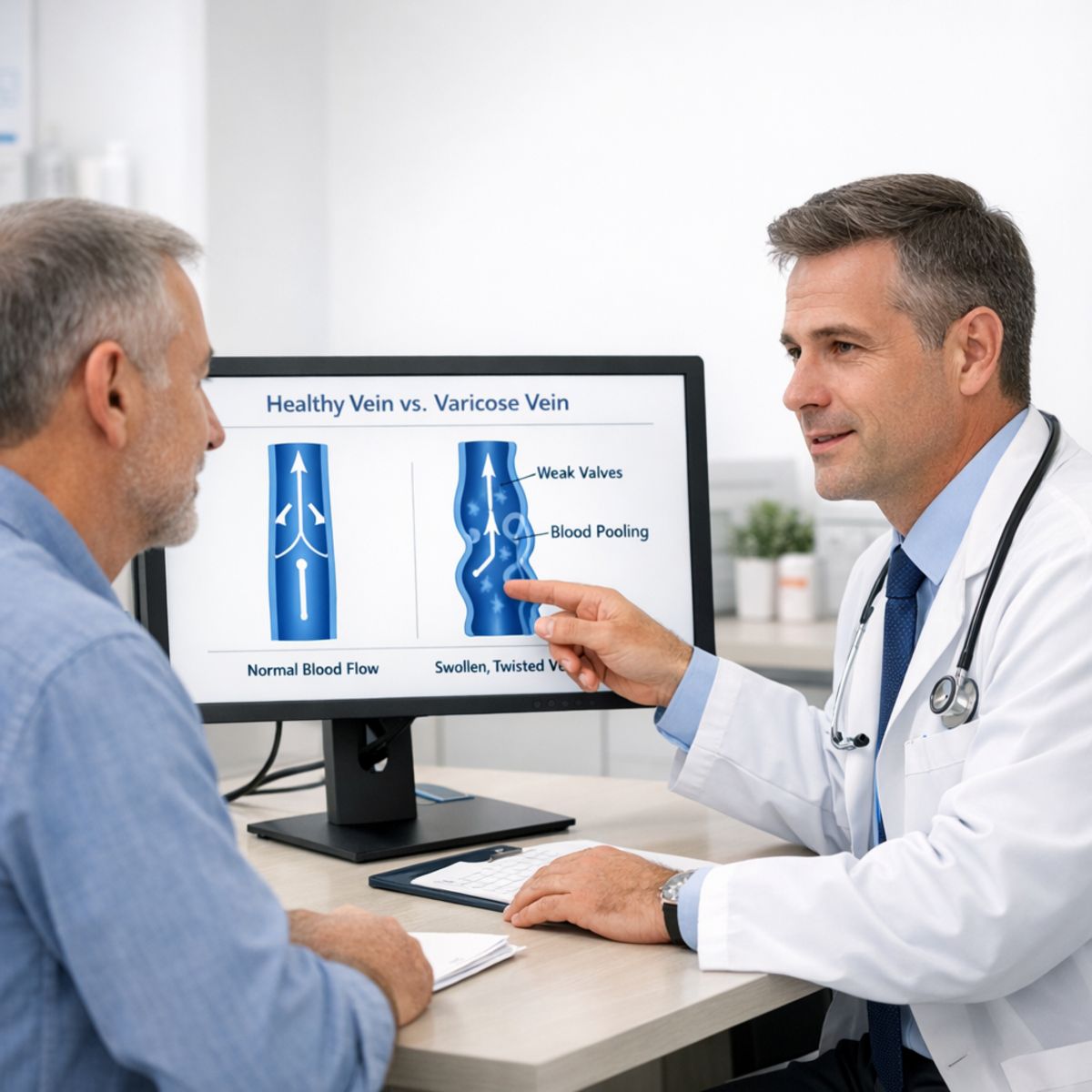
Diseased veins are veins that are not moving blood as effectively as they should. In the legs, veins have an important job: they carry blood back up to the heart, working against gravity. To do that, they rely on tiny one-way valves that open to let blood move upward and close to keep it from slipping backward. When those valves weaken or stop sealing properly, blood can collect in the vein instead of continuing to flow normally.
A simple way to picture it is to think of vein valves like small doors in a hallway. In healthy veins, the doors help blood move in the right direction, one step at a time. In diseased veins, some of those doors do not close all the way. That allows blood to fall back down and pool, especially in the legs after long periods of standing or sitting. Over time, that extra pressure can stretch the vein walls and make the veins more visible, enlarged, or uncomfortable.
Healthy veins vs. veins with valve problems
Healthy veins have good structure and valves that support steady blood flow toward the heart. Muscles in the legs also help by squeezing the veins as you walk, almost like a pump. When vein walls become weaker or valves become damaged, blood may start to move backward and collect. This problem is often called venous insufficiency, meaning the veins are not efficiently returning blood from the legs. That pooling can lead to heaviness, aching, swelling, or visible changes in the veins.
Depending on the pattern and severity, treatment may range from monitoring and compression to procedures such as radiofrequency ablation for varicose veins.
Common forms of vein disease
Not all diseased veins look or feel the same. Spider veins are small, thin surface veins that may appear red, blue, or purple. They are often a cosmetic concern, though some people notice mild discomfort. Varicose veins are larger veins that can look bulging, twisted, or rope-like under the skin. They are more likely to be associated with symptoms such as aching, burning, or leg fatigue.
Chronic venous insufficiency is a broader circulation problem in which the leg veins have ongoing difficulty sending blood back to the heart. It does not mean every person with spider veins or varicose veins will develop the same issues, but it helps explain why vein symptoms can happen and why proper evaluation matters.
Why Early Recognition Matters
Recognizing vein-related symptoms early can make it easier to understand what is causing them and what next steps may be appropriate. An evaluation may help determine whether concerns such as leg aching, swelling, or visible veins are related to venous insufficiency or another condition, which can support more informed decision-making instead of guesswork or self-diagnosis.
Early attention also matters because ongoing symptoms can affect comfort and routine over time for some people. Untreated symptomatic vein disease may contribute to persistent discomfort, heaviness, swelling, skin irritation, or reduced activity levels. That does not mean every symptom will worsen in the same way, but it does mean changes are worth discussing with a qualified provider.
If vein disease is involved, treatment plans are individualized. Depending on symptoms, health history, and exam findings, care may include lifestyle changes, monitoring, compression therapy for varicose veins, or minimally invasive procedures. The goal is often to improve comfort, function, and day-to-day quality of life with an approach that fits the person rather than a one-size-fits-all solution.
Symptoms that deserve attention
- Aching or tired legs, especially after standing
- Heaviness, throbbing, or burning sensations
- Swelling in the lower legs or ankles
- Itching or irritation near visible veins
- Bulging or twisted veins
- Skin changes such as discoloration or dryness
How vein symptoms can affect daily life
Even when symptoms seem manageable at first, they can still interfere with normal activities. Some people notice more discomfort with prolonged standing, walking, exercise, or at the end of the day. Others find that leg symptoms affect sleep, limit movement, or make them feel less confident about wearing certain clothing. Recognizing these patterns early can help you decide when it may be time to seek a professional opinion.

How Diseased Veins Are Evaluated

A vein evaluation is designed to understand what is causing symptoms and whether diseased veins are playing a meaningful role. In most cases, the process is straightforward and begins with a conversation about symptoms such as aching, heaviness, swelling, visible varicose veins, skin changes, or discomfort that worsens after long periods of standing. The clinician will also review medical history, including prior blood clots, pregnancies, past vein procedures, medications, and whether supportive measures such as compression stockings for venous stasis have already been tried.
What happens during a vein consultation
After the symptom review, a physical exam helps assess visible veins, areas of tenderness, swelling, and skin changes that may suggest chronic venous disease. This part of the visit helps place symptoms in context, because not every leg symptom is caused by abnormal veins alone. The goal is to build a clear picture of how symptoms, exam findings, and daily limitations fit together before any treatment plan is considered.
Why ultrasound matters
A duplex ultrasound is commonly used to evaluate vein function in more detail. This imaging test shows blood flow in real time and can help identify reflux, which means blood is moving in the wrong direction through a vein. It also helps measure vein size and map which veins may be contributing to symptoms. In practical terms, ultrasound gives the clinician a clearer understanding of the anatomy, rather than relying only on what can be seen from the surface.
Treatment recommendations depend on the full set of findings, not on one symptom by itself. Candidacy may be influenced by vein anatomy, the severity and pattern of symptoms, overall health, and clinical judgment. For that reason, the evaluation is an important step in creating an individualized plan and determining whether monitoring, conservative care, or a procedure is the most appropriate next step.
How Radiofrequency Ablation Treats Varicose Veins
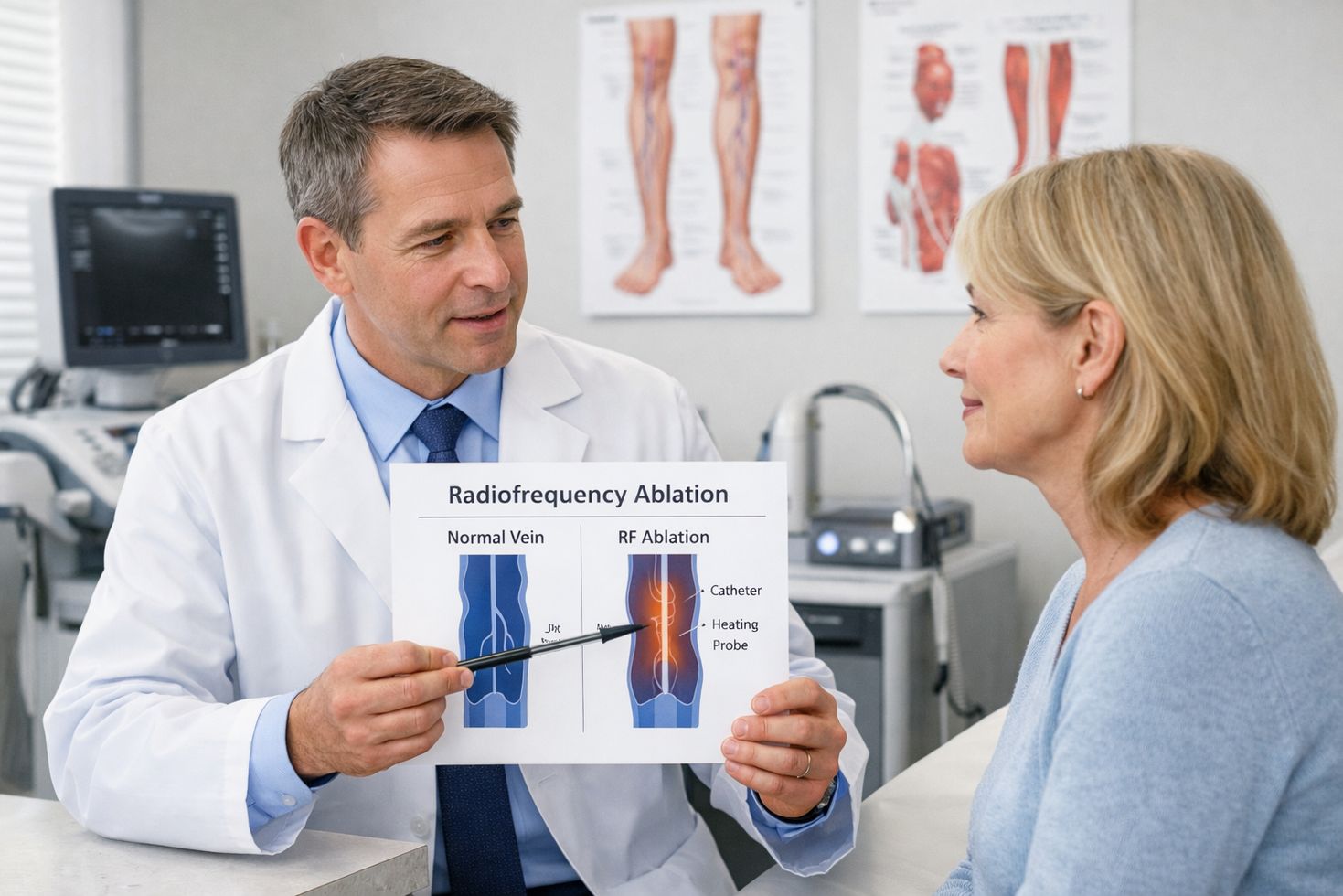
Radiofrequency ablation of varicose veins is a minimally invasive procedure that uses controlled heat delivered through a thin catheter to close a diseased vein. Once that vein is sealed, blood is naturally redirected to healthier veins nearby. For many patients, this can help reduce symptoms related to venous insufficiency while avoiding a more invasive surgical approach. If you want a broader overview, you can learn about RFA vein treatment.
Whether someone is a good candidate depends on a medical evaluation, often including ultrasound imaging and a review of symptoms, vein anatomy, and overall health. The exact treatment plan, aftercare, and recovery experience can vary from person to person.
Step 1: Mapping and preparing the vein
Before the procedure begins, the care team typically uses ultrasound to map the affected vein and guide treatment. This imaging helps identify the section of vein that is not working properly and confirms the best path for catheter placement. The skin is then cleaned, and the treatment area is numbed with local anesthesia. Patients are usually awake during this part, but the numbing medicine is intended to improve comfort.
A small entry point is made so the catheter can be inserted into the vein. Because the procedure is image-guided, the physician can position the catheter with precision while minimizing disruption to surrounding tissue.
Step 2: Closing the diseased vein with heat
Once the catheter is in place, radiofrequency energy is used to create heat inside the targeted vein. That heat causes the vein wall to contract and seal shut in a controlled way. In simple terms, the problematic vein is closed from the inside so it can no longer allow blood to pool or flow backward.
This is why radiofrequency ablation is often discussed as an endovenous treatment: it works from within the vein rather than removing it through larger incisions. After the vein is closed, the body reroutes blood through healthier veins that can carry circulation more effectively.
Step 3: Recovery and follow-up
After treatment, the catheter is removed and the area is bandaged. Patients are often advised to walk soon afterward, as movement may support circulation. Some people are also told to wear compression stockings, depending on their treatment plan and the recommendations of their care team.
Follow-up may include an ultrasound to confirm the treated vein has closed as expected. Recovery and aftercare instructions vary, so it is important to follow individualized guidance about activity, compression, bathing, and return to routine tasks. While many patients appreciate that radiofrequency ablation is less invasive than traditional surgery, the right approach and expected recovery depend on each person’s evaluation and response to treatment.

RFA Compared With Other Vein Treatment Options
Radiofrequency ablation (RFA) is one option within a broader vein treatment pathway, not a one-size-fits-all answer. Where it fits depends on the size and location of the vein, whether ultrasound shows reflux, how bothersome symptoms are, and what a clinician finds during evaluation. For some people, conservative care may be a reasonable first step. For others, a minimally invasive procedure may be more appropriate when symptoms persist or the vein problem is driven by an underlying reflux pattern.
A balanced comparison can help clarify expectations. RFA is often used for larger superficial veins with reflux, while other approaches may be better suited to smaller veins, cosmetic concerns, or follow-up treatment after a main source of reflux is addressed. In many cases, the best plan may involve more than one strategy rather than a single treatment alone.
Conservative care vs. minimally invasive treatment
Conservative care can include exercise, leg elevation, weight management when relevant, and compare with compression therapy options. These measures may help reduce discomfort and swelling for some patients, and they are sometimes recommended before moving to a procedure. However, conservative care does not always correct the underlying vein reflux that contributes to ongoing symptoms.
Minimally invasive treatment such as RFA may be considered when symptoms continue, when testing shows a treatable reflux pattern, or when quality of life is being affected. The decision is usually based on symptom severity, anatomy, and treatment goals rather than a simple preference for one category over another.
RFA vs. sclerotherapy and other procedures
RFA uses heat delivered through a catheter to close certain larger veins from the inside. Sclerotherapy works differently: a solution is injected into a vein to make it collapse and fade, and it is often used for smaller varicose veins or spider veins, though it may also be used in broader treatment plans depending on the case.
Laser-based endovenous options are similar to RFA in that they also target refluxing veins from inside the vessel, but they use laser energy instead of radiofrequency energy. Watchful waiting may be reasonable when symptoms are mild, findings are limited, or a patient prefers to monitor the condition before choosing treatment.
Some patients benefit from a combination approach, such as treating a main refluxing vein with RFA and then addressing remaining smaller veins separately. The most appropriate option comes from matching the treatment to the vein pattern, symptoms, and personal goals identified during clinical assessment.
Practical Questions: Recovery, Risks, and Cost Factors
When comparing vein treatment options, practical questions often matter just as much as the procedure itself. Recovery can vary based on the treatment used, your vein anatomy, and your overall health. During your consultation, it can help to ask how soon normal activities may resume, whether compression garments may be recommended, what follow-up visits are typically needed, and when symptom improvement may become noticeable. If you want a clearer overview of the process, RFA treatment details and next steps can provide useful background before your appointment.
What to ask about recovery
A good discussion with the treating clinician should cover what recovery may look like in your specific case. Ask about activity restrictions, walking recommendations, compression use, expected soreness or bruising, and how progress is monitored after treatment. Timelines are not the same for everyone, so it is important to set expectations based on your individual evaluation rather than general estimates.
What affects treatment cost
Cost can depend on several factors, including evaluation findings, the recommended treatment plan, insurance details, and whether more than one session may be appropriate. Coverage and out-of-pocket responsibility can also vary by plan, provider, and medical necessity criteria. Because all procedures carry potential risks and side effects, you should also review those carefully with your clinician as part of the decision-making process.
Frequently Asked Questions About Diseased Veins
What are diseased veins?
Diseased veins are veins that are not moving blood efficiently back toward the heart. This often happens when the small valves inside the veins do not close properly, allowing blood to pool and increasing pressure in the vein. Over time, that can contribute to symptoms such as aching, heaviness, swelling, or visible bulging veins.
Are diseased veins the same as varicose veins?
Not exactly. “Diseased veins” is a broader term that can include several vein problems, while varicose veins are one common visible sign of vein disease. Some people have underlying vein dysfunction before large, twisted veins become obvious on the surface.
When should varicose veins be treated?
Treatment may be worth discussing when varicose veins cause ongoing discomfort, leg heaviness, swelling, itching, or skin changes, or when testing shows significant venous reflux. Not every visible vein requires treatment, but persistent symptoms or progression are reasons to seek a medical evaluation. A clinician can help determine whether monitoring, conservative care, or a procedure is most appropriate.
How does radiofrequency ablation work?
Radiofrequency ablation is a minimally invasive procedure that uses heat delivered through a thin catheter to close a problematic vein from the inside. Once that vein is sealed, blood is naturally redirected through healthier veins nearby. The goal is to reduce reflux, improve circulation patterns, and ease symptoms related to the treated vein.
Is radiofrequency ablation painful?
Comfort levels vary from person to person, but local anesthesia is commonly used to help minimize discomfort during radiofrequency ablation. Many patients describe the procedure as manageable, though mild soreness, tightness, or bruising can happen afterward. Your clinician can explain pain-control options and what recovery may look like in your specific case.
Can diseased veins come back after treatment?
A vein that has been successfully closed with treatment does not usually reopen in the same way, but new vein problems can develop over time in some patients. Factors such as genetics, hormone changes, lifestyle, and the severity of underlying vein disease can all play a role. That is why follow-up and individualized evaluation remain important even after treatment.
When to Talk With a Vein Specialist
If you have leg heaviness, swelling, visible varicose veins, or ongoing discomfort, it may be time to speak with a vein specialist. A professional evaluation can help determine whether your symptoms may be related to venous disease and outline treatment options that fit your needs, symptoms, and health history.
Taking the next step does not commit you to treatment. It is simply a chance to get answers, understand what may be causing your symptoms, and discuss individualized care in a supportive setting.
Key Takeaways on Diseased Veins and RFA
Diseased veins often involve valves that are not working as they should, which can allow blood to pool and contribute to symptoms as well as visible varicose veins. Evaluation commonly includes a physical exam and ultrasound to better understand vein function and guide next steps. For some patients, radiofrequency ablation (RFA) may be an appropriate treatment option based on those findings. The most important takeaway is that treatment decisions should be based on an individualized medical assessment, so if symptoms continue or concerns remain, a professional evaluation can help clarify the best path forward.