
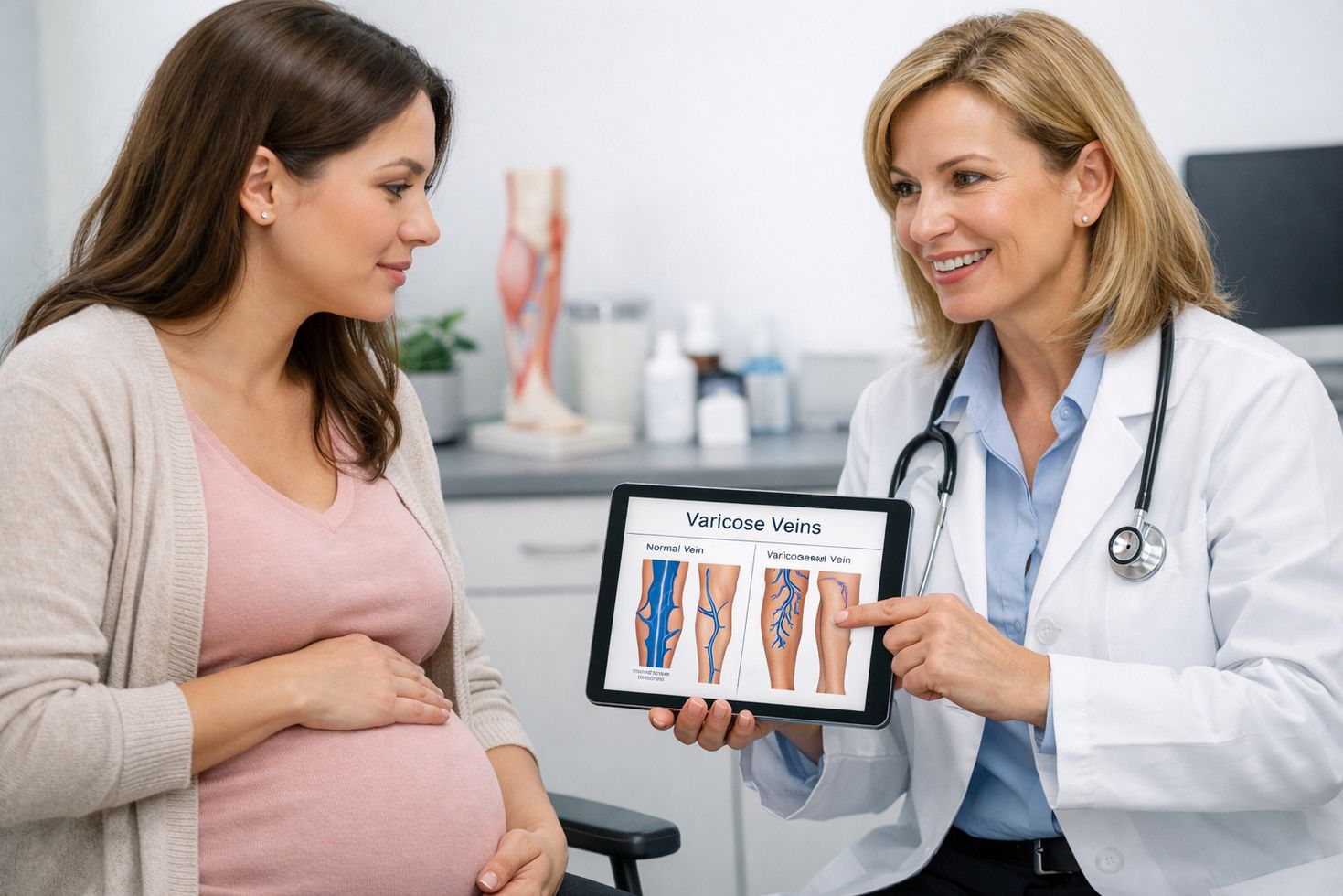
Varicose veins during pregnancy are a common concern, and for many people, they can appear or worsen as the body adjusts to major hormonal and circulatory changes. These veins may look enlarged, twisted, or bulging, and they can come with symptoms like heaviness, aching, swelling, or leg discomfort that feels worse after standing for long periods. While they can be frustrating or uncomfortable, they do not always mean a procedure is needed.
Pregnancy can increase pressure on the veins and affect how efficiently blood returns from the legs, which is why vein changes often show up during this time. The right next steps depend on your symptoms, how far along you are, and whether a medical evaluation suggests anything more serious needs attention.
In this article, you’ll learn what causes pregnancy-related varicose veins, which symptoms are common, what home relief measures may help, which warning signs should prompt medical advice, what to expect after delivery, and when treatment may be discussed if symptoms continue.
What Causes Varicose Veins During Pregnancy
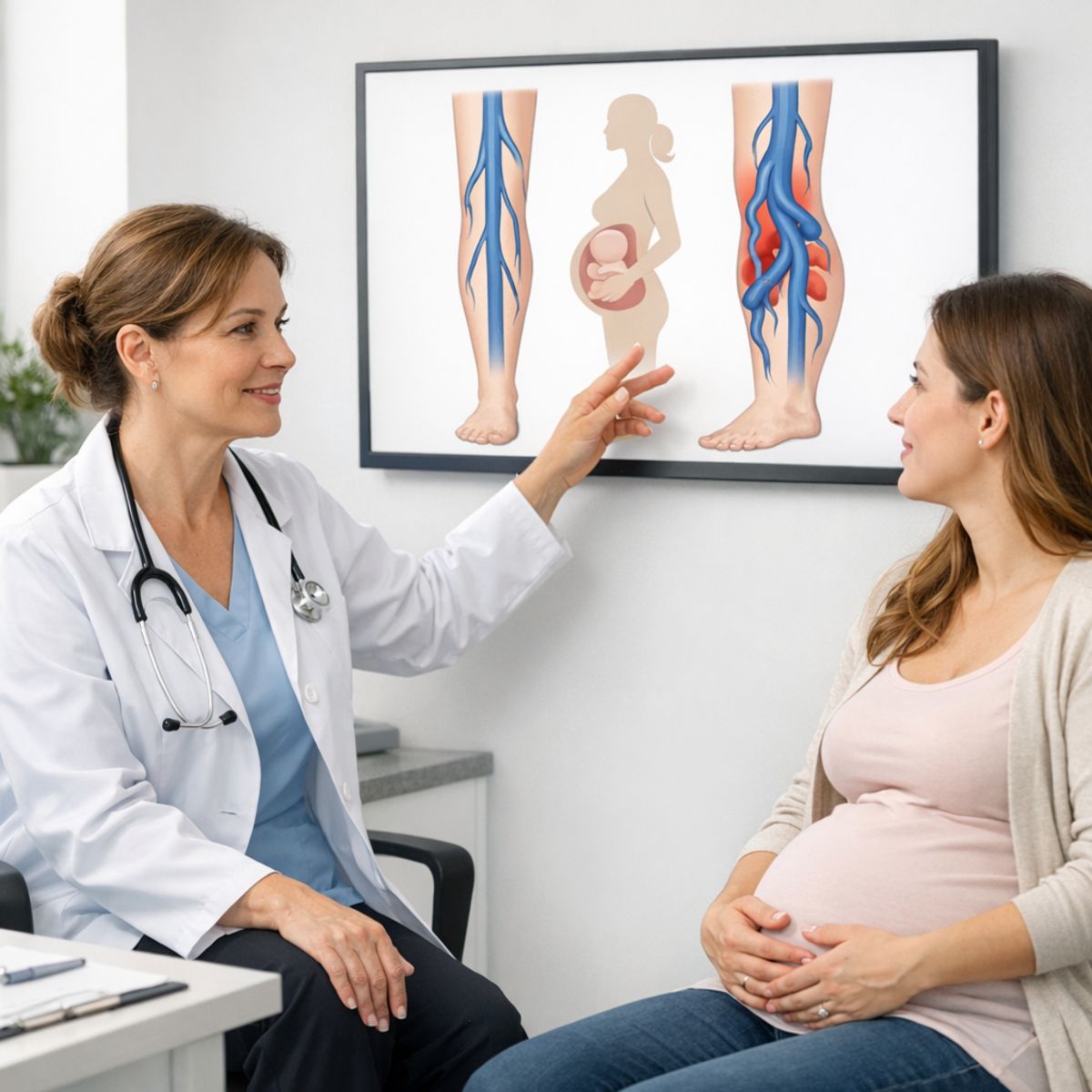
Varicose veins during pregnancy usually happen because several normal body changes occur at the same time. The veins in your legs have the job of carrying blood back up to your heart, working against gravity. During pregnancy, that job can become harder. As a result, veins may stretch, their valves may not close as tightly, and blood can pool more easily. That is when veins may start to look enlarged, twisted, or more noticeable.
Hormones, blood volume, and vein pressure
One major reason is hormones. Pregnancy hormones help the body support a growing baby, but they can also relax the walls of blood vessels. When vein walls are more relaxed, they may widen more easily. This can slow the steady upward flow of blood from the legs and make vein valves less efficient.
At the same time, your body makes more blood during pregnancy. That increased blood volume is important, but it also means your veins are handling a heavier workload. As pregnancy progresses, the growing uterus can place added pressure on veins deep in the pelvis. That pressure may reduce how easily blood returns from the legs, which can make symptoms feel more noticeable later in pregnancy.
This cause-and-effect pattern helps explain why some people notice aching, heaviness, swelling, throbbing, or visible bulging veins after standing for a long time. Symptoms can affect the legs most often, but some pregnant patients may also notice vein-related discomfort in the pelvic area or vulvar veins.
Who may be more likely to notice them
Some factors can make pregnancy varicose veins more likely. A family history of vein problems may increase the chance that veins become more visible. Prior pregnancies can also contribute, since veins may already have been stressed before. People who stand or sit for long periods may notice symptoms more because blood can linger in the lower legs. Existing vein issues before pregnancy can also play a role.
Many vein changes in pregnancy are common, but severe swelling in one leg, sudden pain, skin changes, or symptoms that seem to worsen quickly deserve medical evaluation. If vein concerns continue after delivery, treatment options may be discussed later, including radiofrequency ablation for varicose veins when appropriate.
Ways to Ease Discomfort and Support Vein Health
Pregnancy-related vein discomfort is often managed with simple daily habits that support circulation and reduce pressure in the legs. While symptoms can vary, many people find that small adjustments throughout the day help ease feelings of heaviness, swelling, and fatigue. These strategies are not a substitute for prenatal care, but they can be useful talking points to bring up with your clinician.
Daily habits that may reduce heaviness and swelling
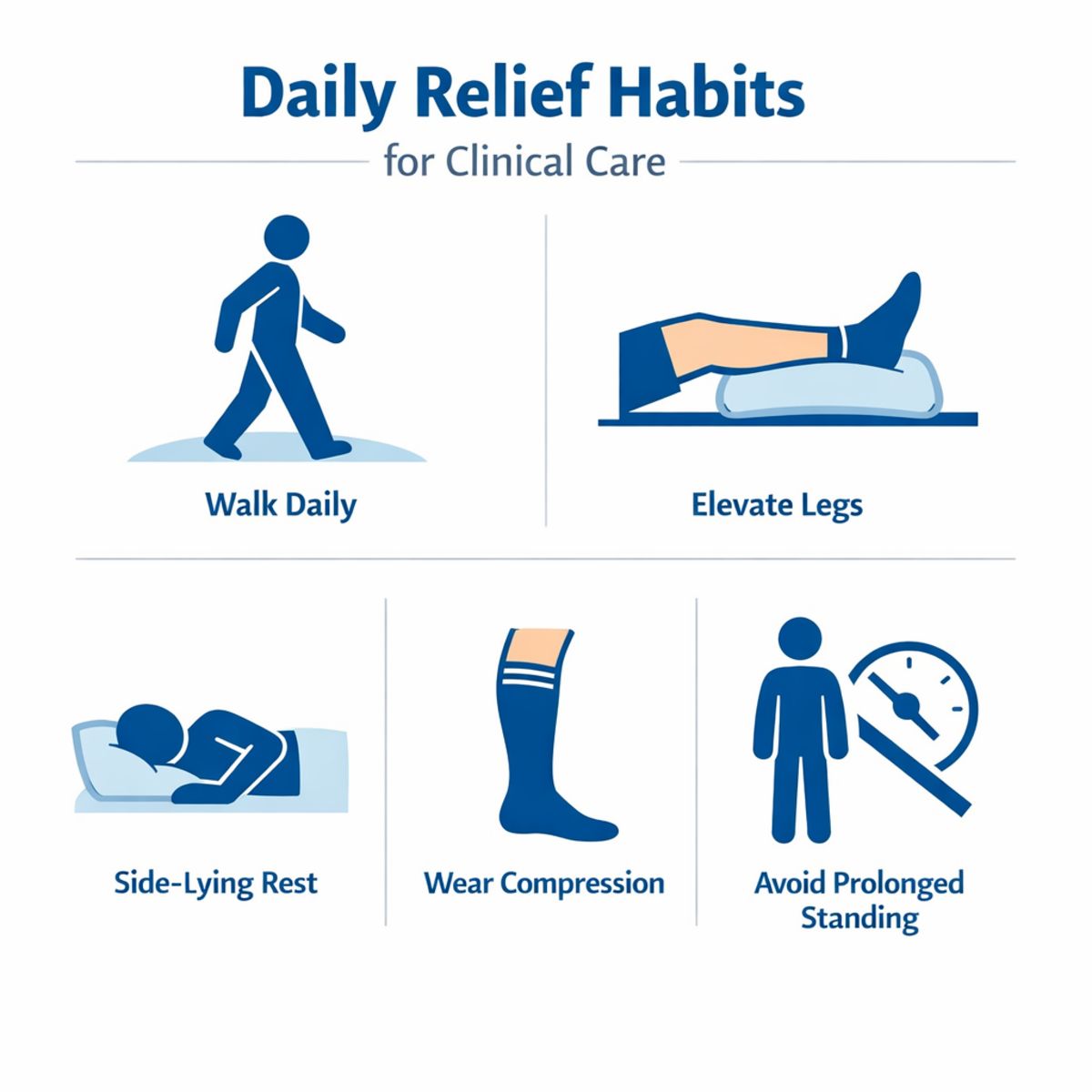
One of the most commonly discussed approaches is changing positions regularly. Sitting or standing in one place for long stretches may make leg discomfort feel more noticeable, so brief movement breaks can help. Gentle walking is often a practical option because it encourages muscle activity in the calves, which can support healthy blood flow. In general, exercise and varicose veins are often discussed together in terms of low-impact movement, but pregnancy is a time to follow individualized guidance from a prenatal clinician rather than a one-size-fits-all plan.
Leg elevation may also help some people feel more comfortable, especially later in the day. Resting with the legs supported can be a simple way to reduce that heavy, achy feeling. Some people also ask about rest positions during pregnancy, and side-lying rest may be suggested in broader prenatal comfort conversations. Just as important, try to avoid clothing that feels overly tight around the waist, groin, or legs, since restriction can add to discomfort.
Everyday comfort measures matter too. Supportive footwear may feel better than shoes that add strain to the legs, and staying hydrated is a common part of overall pregnancy wellness. If skin over visible veins feels irritated or sensitive, gentle skin care and avoiding friction may also improve comfort.
Compression, massage, and comfort measures
Compression garments or stockings are another supportive option that may be discussed during pregnancy. They are commonly used to help support circulation and may reduce day-to-day discomfort for some people when appropriate. If you want to learn more about compression therapy for varicose veins, it can be helpful to review the basics before asking your clinician which type may fit your needs. Some readers also explore compression garments for swelling relief as part of a broader comfort strategy.
Massage is another topic that often comes up, but it should be approached carefully. Varicose veins massage is not automatically appropriate for every situation, especially if an area is painful, unusually warm, inflamed, or otherwise concerning. Rather than applying pressure over suspicious spots, it is safer to discuss those symptoms with a clinician first. That cautious approach can help you avoid worsening irritation while still exploring safe ways to feel more comfortable.
Overall, the goal is usually steady, gentle support: more movement, less prolonged pressure, and comfort measures that fit your pregnancy and symptom pattern. These practical steps can make daily life easier while giving you a clearer starting point for a conversation with your prenatal care team.
How to Monitor Symptoms and Know When to Seek Medical Advice
If you are noticing vein changes, a simple step-by-step approach can help you monitor symptoms without jumping to conclusions. The goal is to pay attention to patterns, try supportive measures consistently, and know when symptoms should be evaluated by a medical professional. This kind of checklist can make it easier to describe what you are experiencing and decide when it is time to seek advice.
Step 1: Track what you are feeling and seeing
Start by keeping notes on both visible changes and daily symptoms. People often describe aching, heaviness, throbbing, itching, tenderness, or a feeling of pressure in the legs. You may also notice swelling, more visible blue or purple veins, or bulging veins that seem more obvious later in the day.
It can help to write down:
- When symptoms begin and whether they are getting better, worse, or staying the same
- Which leg or area is affected
- Whether symptoms are mild, moderate, or severe
- Any visible swelling, skin irritation, or changes in the appearance of veins
Also note common triggers. Symptoms may feel worse after long periods of standing, in warm weather, or at the end of the day. Tracking these patterns gives useful context and can help you explain what you are experiencing more clearly.
Step 2: Watch for red flags
Some symptoms should not be brushed off. While many vein-related changes can be uncomfortable, certain warning signs should be evaluated promptly by a clinician. This does not mean you should assume a specific diagnosis, but it does mean timely medical review is important.
Contact a medical professional promptly if you notice:
- Swelling that is mainly on one side
- Redness or unusual warmth in one area
- Pain or tenderness that is worsening or feels significant
- Skin changes such as breakdown, sores, or marked discoloration
- Sudden worsening of symptoms
Urgent or sudden symptoms need prompt medical attention. If something changes quickly or feels clearly different from your usual discomfort, it should be assessed rather than monitored at home for too long.
Step 3: Discuss next steps with a medical professional
If symptoms are persistent, more uncomfortable, or concerning, the next step is to discuss them with a qualified medical professional. An evaluation may help determine whether what you are experiencing is consistent with common pregnancy-related vein changes or whether it should be looked at more closely.
Before that conversation, try supportive measures consistently and note whether they help. For example, you can pay attention to whether rest, changing position, or reducing long periods of standing seems to improve symptoms. Having a short symptom log can make the visit more productive and help your clinician understand the timing, triggers, and severity of what you have noticed.
The key takeaway is simple: monitor patterns, respond to warning signs, and seek medical advice when symptoms worsen, become one-sided, involve redness or warmth, affect the skin, or come on suddenly. That approach supports timely care without relying on self-diagnosis.
Pregnancy Relief Now vs Treatment After Delivery
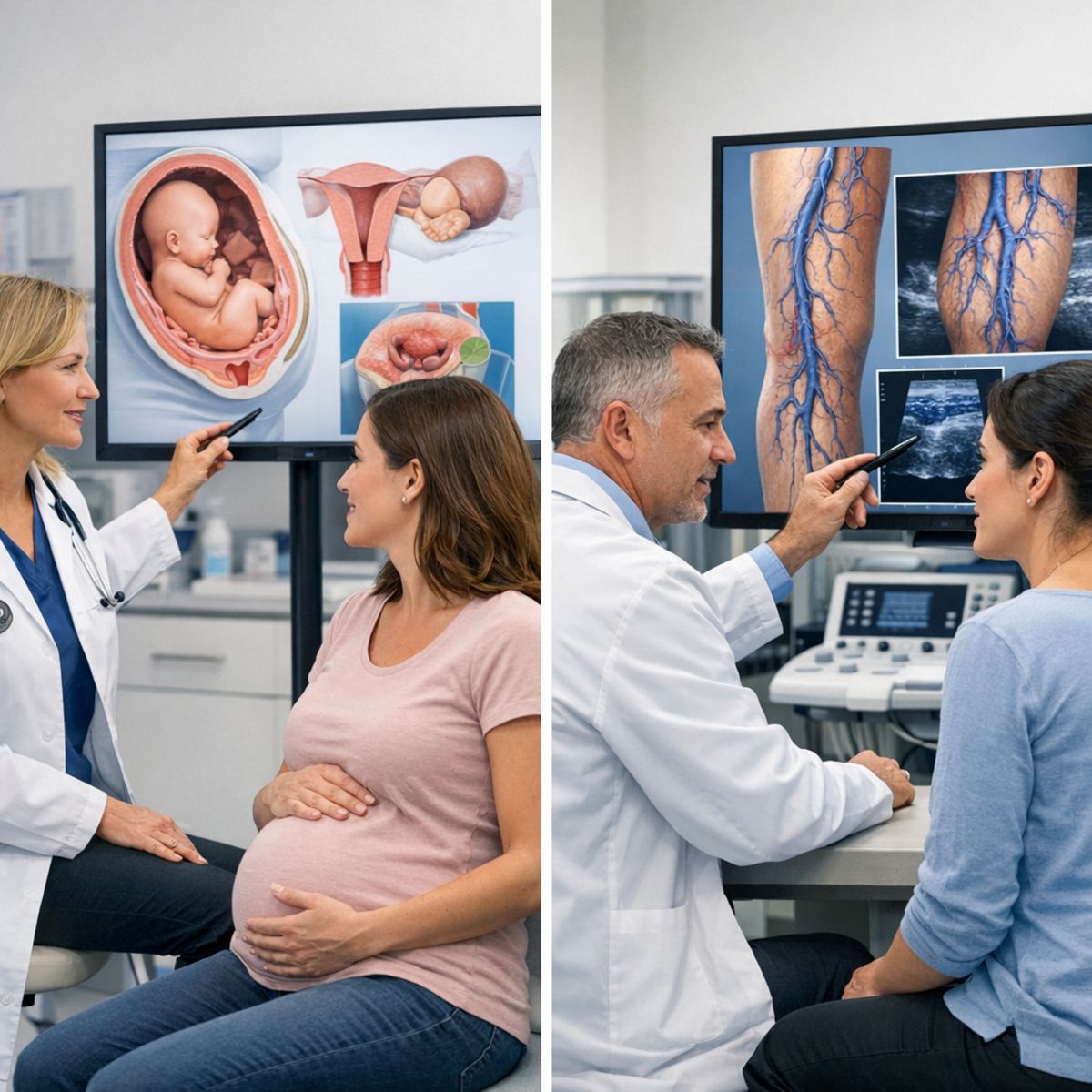
Pregnancy-related vein symptoms often call for a different approach than care considered after delivery. During pregnancy, the goal is usually to manage discomfort safely and support circulation, not to rush into elective vein procedures. That distinction can help set realistic expectations: some symptoms improve after birth as pressure, blood volume changes, and hormone effects begin to settle, while other visible or uncomfortable veins may remain.
A simple way to think about it is timing and purpose. During pregnancy, care is commonly centered on symptom control. After delivery, if symptoms persist, the focus may shift toward evaluation and whether longer-term treatment options for persistent varicose veins should be discussed with a specialist.
What the focus usually is during pregnancy
During pregnancy, conservative care is often the first step for leg heaviness, swelling, aching, or visible varicose veins. That may include compression, movement, leg elevation, and monitoring symptoms over time. The purpose is to reduce day-to-day discomfort and support healthy circulation while recognizing that pregnancy itself can temporarily worsen vein symptoms. In most cases, procedural treatment is not presented as routine symptom relief during pregnancy, so it is important to frame care around comfort, observation, and communication with the patient’s medical team.
When persistent veins may be evaluated after delivery
After delivery, some veins may become less noticeable, but improvement is not guaranteed. If varicose veins remain painful, swollen, heavy, or visibly prominent after a reasonable recovery period, a vein specialist may recommend an individual evaluation. That assessment may include a physical exam and imaging to better understand vein function and whether symptoms are related to underlying venous reflux.
If persistent symptoms are confirmed and treatment is appropriate for the individual, options may be reviewed in a medically responsible way. One option that may be considered after evaluation is radio frequency ablation of varicose veins. The right timing, candidacy, and treatment plan depend on the patient’s recovery, symptoms, and clinical findings rather than a one-size-fits-all timeline.
What Can Affect the Cost of Varicose Vein Evaluation and Treatment
The cost of evaluating and treating varicose veins can depend on several clinical and logistical factors. Rather than a single flat amount, recommendations are usually based on what is found during the evaluation and which next steps are medically appropriate.
Common factors that influence cost
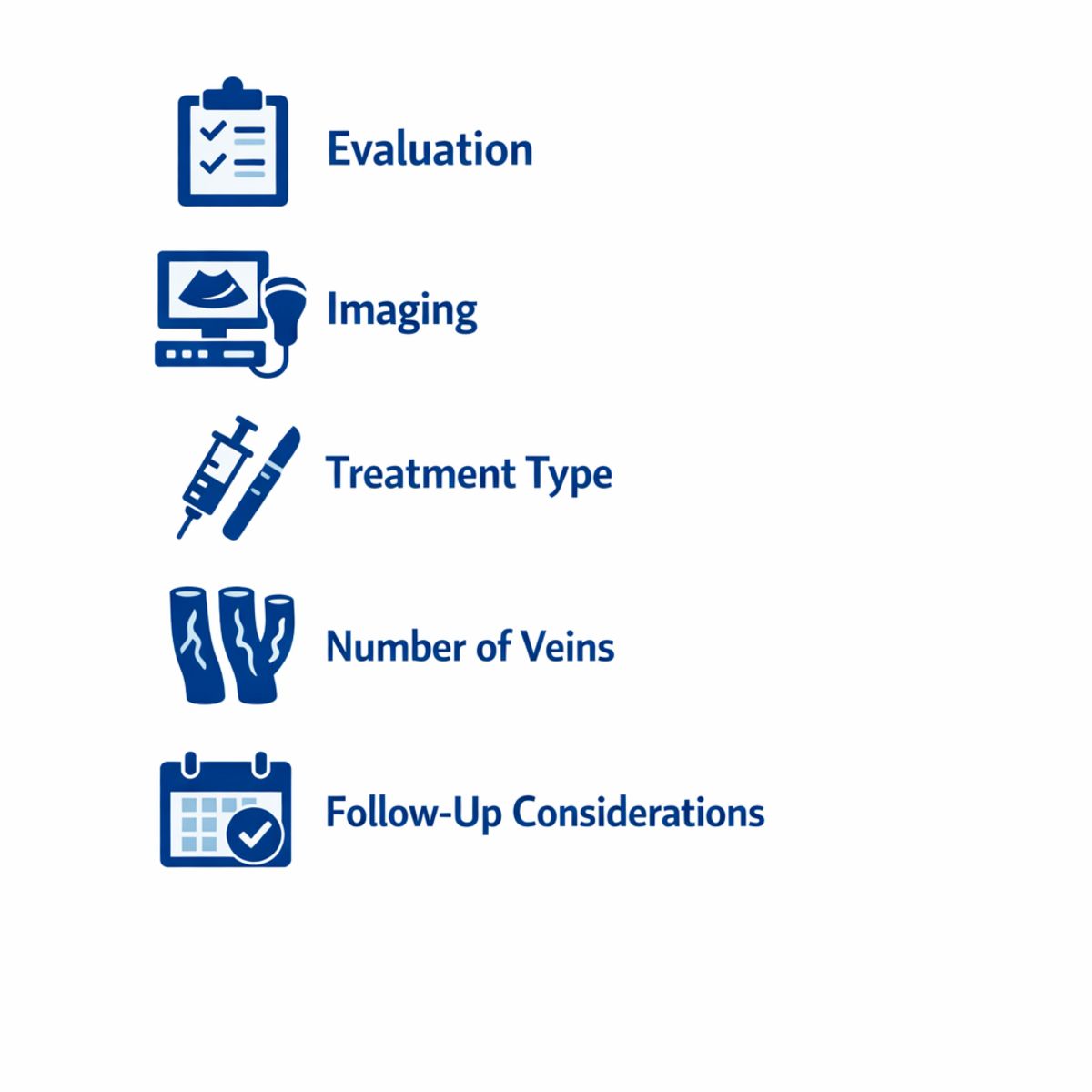
Common variables include the complexity of the evaluation, whether diagnostic ultrasound is needed, the severity and extent of the vein concerns, the number of veins involved, and the type of treatment recommended. Follow-up visits, monitoring, or staged care may also affect the overall scope of treatment.
Coverage and eligibility can vary based on your individual plan and medical criteria. For that reason, it is best to confirm benefits directly with your insurance provider and review recommendations after your evaluation so you understand the care plan being proposed.
A consultation can help clarify which diagnostic steps and treatment options make sense for your situation, along with any related follow-up considerations.
What to Expect if Varicose Veins Persist After Pregnancy
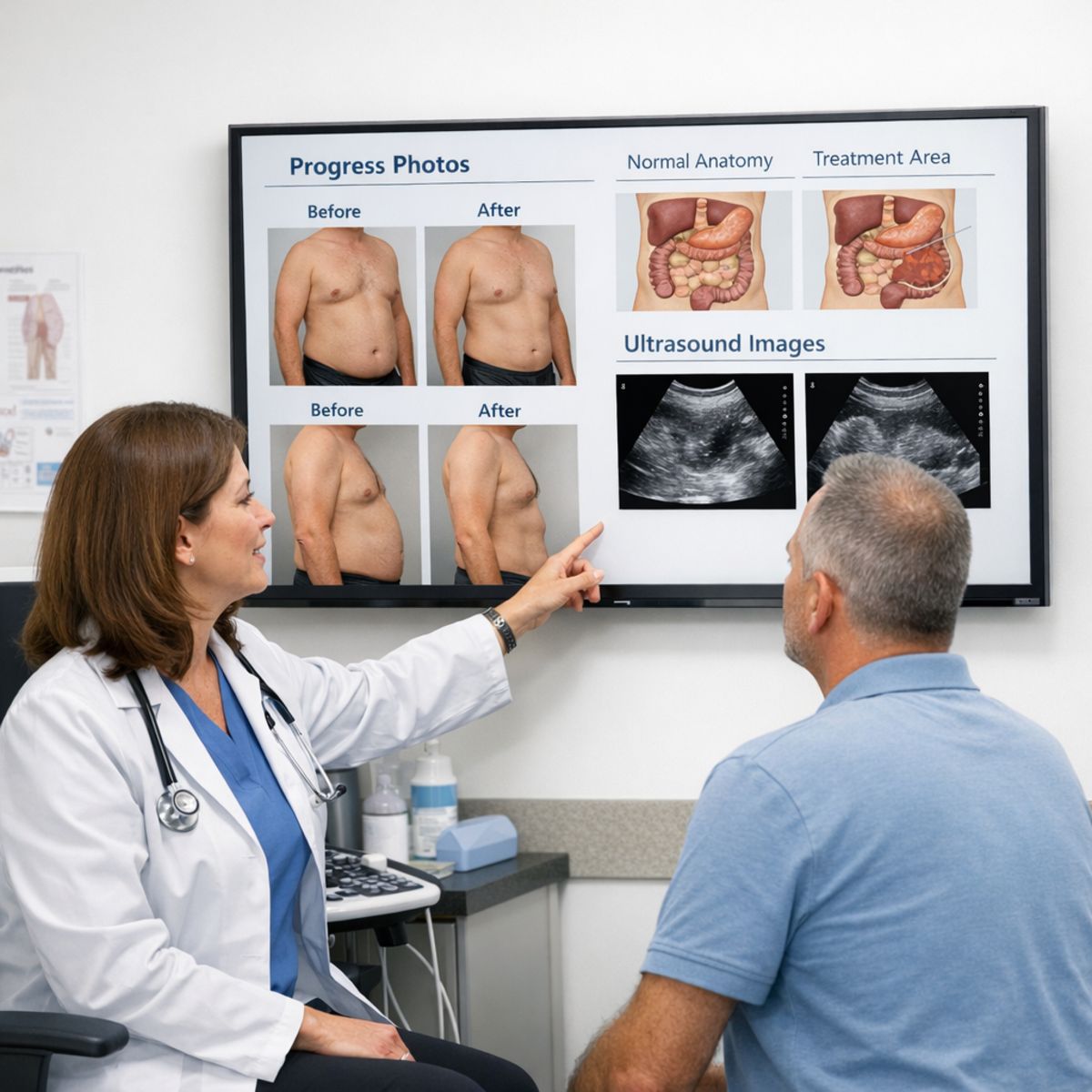
It is common to wonder about varicose veins before and after pregnancy, especially if veins are still visible once the baby is born. Some veins improve in the postpartum period as hormone levels shift and pressure on the pelvic and leg veins decreases. Others may remain enlarged, achy, heavy, or more noticeable.
Before-and-after expectations depend on several factors, including how severe the veins are, whether there is swelling or skin change, and what a vein evaluation shows. In some cases, symptoms and appearance improve gradually with time. In others, persistent vein problems may suggest underlying venous reflux or another issue that needs medical review.
Why improvement can vary
Every person’s recovery is different. Hormonal changes, reduced pregnancy-related pressure, genetics, and baseline vein health can all affect what happens next. Results vary, and no cosmetic or symptom outcome can be predicted without an individualized assessment and treatment plan reviewed with a specialist.
Frequently Asked Questions
Common concerns about pregnancy-related varicose veins
Are varicose veins common during pregnancy?
Yes, varicose veins are common during pregnancy. Hormonal changes, increased blood volume, and pressure from the growing uterus can all make leg veins more noticeable or uncomfortable.
Can exercise help with varicose veins during pregnancy?
Yes, gentle exercise can help support circulation. Walking and other pregnancy-appropriate movement may reduce heaviness and discomfort, but it is best to follow advice from your maternity clinician about activity levels.
Is varicose veins massage safe in pregnancy?
Sometimes, but caution is important. Gentle comfort measures may be fine for some people, but deep or vigorous massage over painful, swollen, or tender veins is generally not advisable unless a qualified clinician says it is appropriate.
Will varicose veins go away after pregnancy?
They often improve after pregnancy, especially in the months after birth. However, some veins may remain visible or symptomatic, particularly after multiple pregnancies or if there is an underlying vein tendency.
When should I worry about pain or swelling in one leg?
One-sided leg swelling or pain should be taken seriously. If one leg becomes suddenly more swollen, red, warm, or painful, seek urgent medical assessment to rule out a blood clot or another complication.
Can varicose veins be treated while I am pregnant?
Usually, treatment during pregnancy focuses on symptom relief rather than cosmetic vein procedures. Definitive treatments are commonly delayed until after birth, unless a clinician identifies a specific medical reason to assess or manage the veins sooner.
Do compression stockings help pregnancy-related varicose veins?
Yes, compression stockings can help reduce aching, heaviness, and swelling for many pregnant women. They are most helpful when worn consistently and when the type and fit are appropriate, so professional guidance can be useful.
When It May Be Time to Talk With a Vein Specialist
If vein symptoms are getting worse, continuing after pregnancy, or making daily activities less comfortable, it may be helpful to speak with a vein specialist. A professional evaluation can offer clarity about what you are experiencing and whether further care should be considered.
During a visit, a specialist may review your symptoms, examine the affected veins, and discuss whether treatment may be appropriate based on your medical evaluation. This step is not about pressure. It is about understanding your options and getting guidance that fits your needs, symptoms, and recovery timeline.
Get clarity on persistent vein symptoms
If you would like personalized guidance for ongoing postpartum vein concerns or symptoms that need professional review, requesting an appointment can be a supportive next step.
Key Takeaways on Varicose Veins in Pregnancy
Varicose veins can develop during pregnancy because of normal body changes, including increased blood volume, hormone shifts, and added pressure on the veins. While they can be uncomfortable or concerning to see, they are often manageable with practical day-to-day steps and careful attention to symptoms.
Supportive measures such as regular movement, elevating the legs when possible, avoiding long periods of standing or sitting, and following your clinician’s guidance on compression can help ease discomfort. It is also important to watch for warning signs, especially pain that is severe, swelling that is sudden or one-sided, skin changes, or symptoms that feel different from the usual pattern. Those situations deserve prompt medical review.
A practical path forward
A helpful next step is to keep track of your symptoms, continue supportive care, and bring any concerns to your prenatal visits. If vein symptoms continue after delivery, a medical evaluation can help determine whether treatment options should be considered and when timing is most appropriate. The most important takeaway is that care decisions are individual, and a qualified clinician can help you weigh symptoms, recovery, and next steps with reassurance and clarity.