


Nissen fundoplication is a surgical procedure used to help control severe acid reflux, often in people with GERD or a hiatal hernia when medicines and lifestyle changes have not provided enough relief. Many people start researching this operation after dealing with chronic heartburn, regurgitation, throat irritation, cough, or sleep disruption that affects daily life. In simple terms, the surgery reinforces the valve between the esophagus and stomach to reduce backflow of acid.
Because symptoms, anatomy, and overall health differ from person to person, candidacy and results can vary. Before surgery is considered, evaluation may include an upper endoscopy procedure, pH testing, and motility studies to better understand what is causing symptoms and whether this approach is appropriate. This article is educational only and is not a diagnosis or a substitute for personal medical advice.
Below, you will find a clear overview of how the procedure works, who may be a candidate, what recovery can involve, the possible risks, and what alternatives may also be discussed with a specialist. The goal is to give you a balanced, reassuring starting point so you can better understand the questions to ask during a medical evaluation.
What this guide covers
This guide explains who may need nissen fundoplication, how the surgery is intended to reduce reflux, what recovery may look like, the risks and limitations to keep in mind, and when specialist assessment may be recommended.
What Is Nissen Fundoplication Surgery?
Nissen fundoplication surgery is a procedure used to treat chronic acid reflux, most often in carefully selected people with gastroesophageal reflux disease (GERD). In simple terms, the surgeon wraps the upper part of the stomach, called the fundus, around the lower end of the esophagus to strengthen the natural valve between the esophagus and stomach. That valve is known as the lower esophageal sphincter. When it is weak or does not close well, stomach contents can move upward, causing heartburn, regurgitation, throat irritation, or other reflux symptoms.
The goal of the operation is not to remove acid, but to improve the barrier that helps keep acid and partially digested food in the stomach where they belong. By reinforcing this area, Nissen fundoplication may reduce reflux episodes and help protect the esophagus from ongoing irritation. Before surgery, a doctor may use tests such as an endoscopy procedure upper exam, imaging, or reflux monitoring to better understand the cause and severity of symptoms.
How the stomach wrap helps control reflux
In a classic Nissen fundoplication, the stomach is wrapped fully around the lower esophagus in a 360-degree fashion. You can think of it like adding gentle support around a loose closure point. The wrap helps the lower esophageal sphincter stay closed when it should, especially when pressure in the abdomen rises after meals, bending, or lying down. Many procedures today are performed using a laparoscopic approach, which uses small incisions and specialized instruments rather than one large incision.
Conditions it may be used to treat
This surgery may be considered for GERD, reflux-related inflammation of the esophagus, and in some cases a hiatal hernia when anatomy contributes to reflux. It is not the right choice for everyone, and it is usually considered after a careful evaluation of symptoms, response to medication, and overall health.
It is also important to separate GERD surgery from other digestive topics people often search for. Gastric or duodenal ulcers, gastric ulceration ICD 10 coding, and ostomy medical term questions refer to different conditions or medical documentation topics. Likewise, emesis is the medical term for vomiting; it can appear in discussions about reflux symptoms, but it is not the same thing as GERD. If you are comparing reflux care with other digestive treatments, you may also want to review weight loss surgery options at West Medical for a separate category of gastrointestinal and metabolic procedures.
When Surgery May Be Considered and Potential Benefits
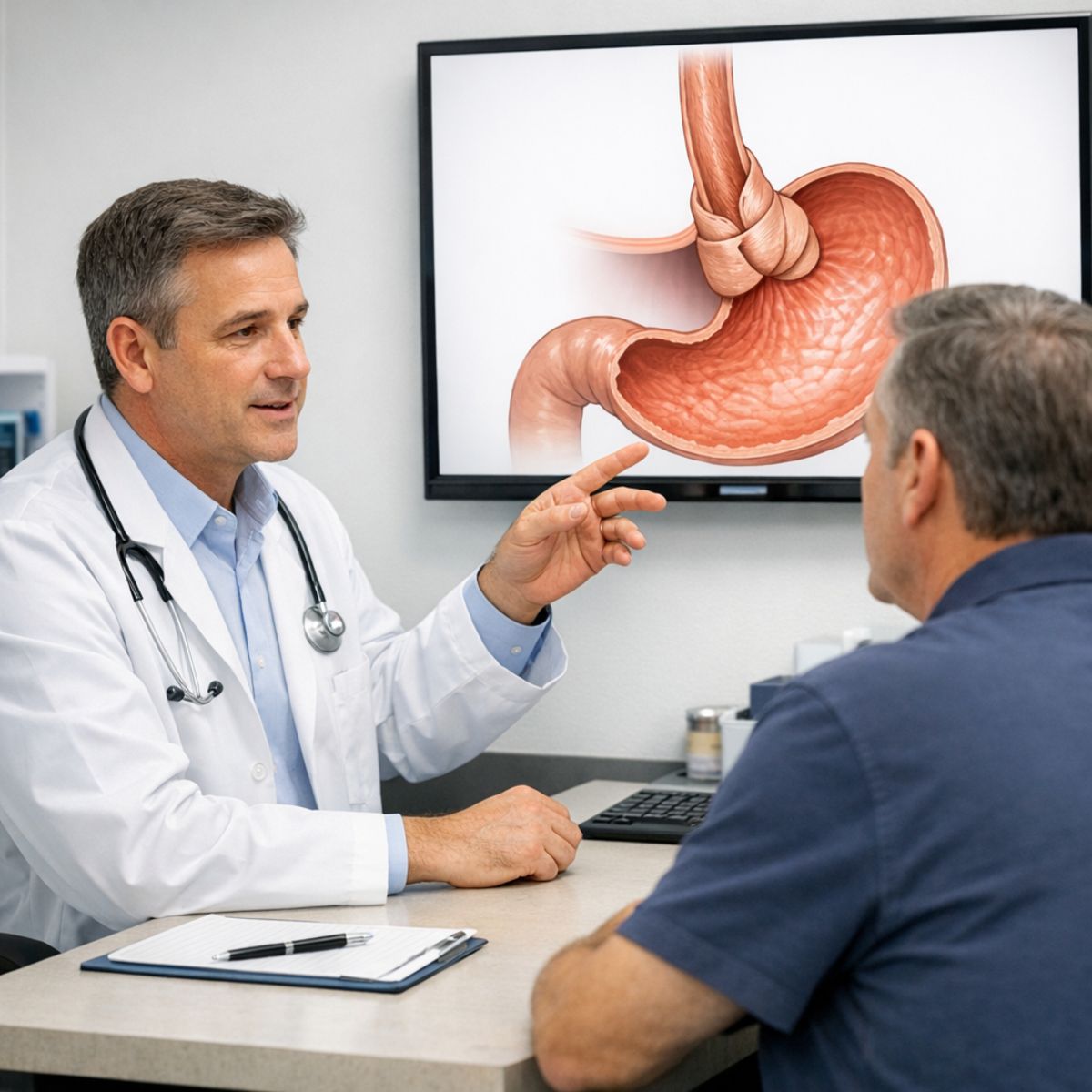
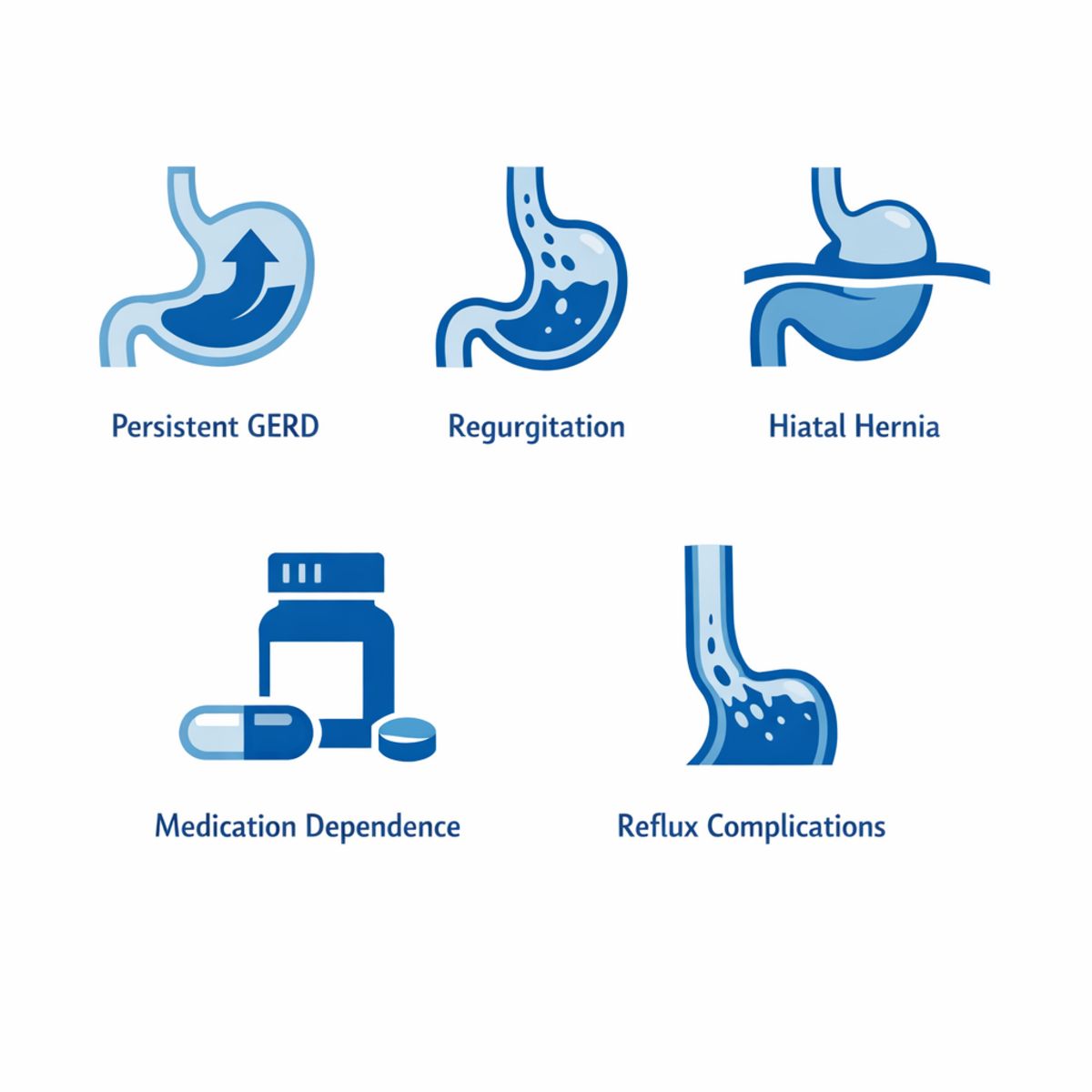
Surgery may be considered when reflux symptoms continue to affect daily life despite medication or lifestyle changes. This can include ongoing heartburn, troublesome regurgitation, throat irritation, nighttime symptoms, or concerns about aspiration. In some cases, reflux linked to a hiatal hernia may also lead a specialist to recommend a more detailed evaluation. Some patients also want to explore options other than long-term medication, but surgery is not the right choice for everyone.
Signs a specialist may evaluate further
A surgical consultation may be appropriate when symptoms persist over time, return quickly after treatment changes, or are accompanied by regurgitation, chest discomfort, chronic cough, or reflux complications. A specialist may also look more closely when testing suggests a hiatal hernia or when symptoms seem out of proportion to what medication alone is controlling. The goal of this evaluation is not to assume surgery is needed, but to understand the cause of symptoms and whether an operation may help.
Workup often includes a review of anatomy, esophageal function, and symptom patterns. If relevant, factors such as slow gastric emptying may also be considered because they can influence treatment planning. That does not automatically rule surgery in or out, but it may affect which approach is most appropriate.
What benefits are realistic to expect
For carefully selected patients, surgery may help reduce reflux episodes, lessen regurgitation, and improve overall quality of life. Some people find they rely less on medication afterward, while others may experience better sleep or fewer symptoms during meals and activity. These are potential benefits, not guarantees, and the degree of improvement can vary from person to person.
Results depend on several factors, including the underlying anatomy, how well the esophagus moves food, the presence of a hiatal hernia, and how closely post-operative guidance is followed. A thorough evaluation helps set realistic expectations and determine whether surgery may offer meaningful benefit in an individual case.
Pre-Op Testing and Evaluation Before Nissen Fundoplication
Before planning anti-reflux surgery, specialists usually confirm that reflux is truly the main problem and that an operation is the right fit for the patient. This matters because heartburn, chest discomfort, regurgitation, throat symptoms, and upper abdominal pain can overlap with several digestive conditions. A careful workup helps the team understand what is causing symptoms, how severe the reflux is, and whether there are other findings that could change treatment recommendations.
Endoscopy, pH testing, and imaging
One common step is an upper endoscopy procedure, which allows the doctor to look directly at the esophagus, stomach, and first part of the small intestine. This can help identify inflammation from acid exposure, narrowing, irritation, Barrett’s changes, a hiatal hernia, or other issues that may explain symptoms. It can also help show when gastric or duodenal ulcers are present, which are separate conditions and may need different treatment rather than reflux surgery.
pH monitoring is another important test in many cases because it measures how much acid reaches the esophagus over time. That information can confirm reflux when symptoms alone are not enough to make the diagnosis clear. Some patients may also need imaging, such as a contrast swallow study, especially when anatomy, swallowing concerns, or a larger hiatal hernia needs closer review. Not every patient needs every test, but these tools help make the evaluation more individualized and accurate.
Why esophageal motility testing matters
Esophageal manometry evaluates how the esophagus moves food downward and how the lower esophageal sphincter functions. This is useful before Nissen fundoplication because swallowing strength and coordination can influence surgical planning. If the esophagus does not push food effectively, the surgeon may need to consider that when deciding which anti-reflux approach is most appropriate.
Doctors may also think about other digestive patterns during evaluation. Symptoms that suggest slow gastric emptying or rapid gastric emptying can affect the differential diagnosis and may change how the care team approaches treatment. The goal is not to create extra testing, but to avoid treating the wrong problem. A thoughtful pre-op evaluation helps confirm the diagnosis, reduce surprises, and support a safer, more personalized surgical plan, including understanding what laparoscopic surgery may involve.
How the Procedure and Hospital Recovery Typically Unfold
For many patients, the most reassuring part of preparing for anti-reflux surgery is knowing what the day usually looks like. While the exact technique, timing, and length of stay vary based on your anatomy, overall health, and your surgeon’s assessment, the process generally follows a clear sequence. The procedure is performed by experienced surgeons and tailored to the individual, much like how surgical treatment plans are evaluated in other minimally invasive specialties.
Step 1: Pre-op preparation
On surgery day, you will typically check in several hours before the procedure. The care team reviews your medical history, confirms when you last ate or drank, and goes over medications, allergies, and any last-minute questions. You may change into a hospital gown, have an IV placed, and meet with both the surgeon and anesthesia team. They will explain the plan, review consent, and confirm safety details before you go to the operating room. General anesthesia is commonly used, so you will be asleep and carefully monitored throughout the operation.
Step 2: Laparoscopic repair and fundoplication
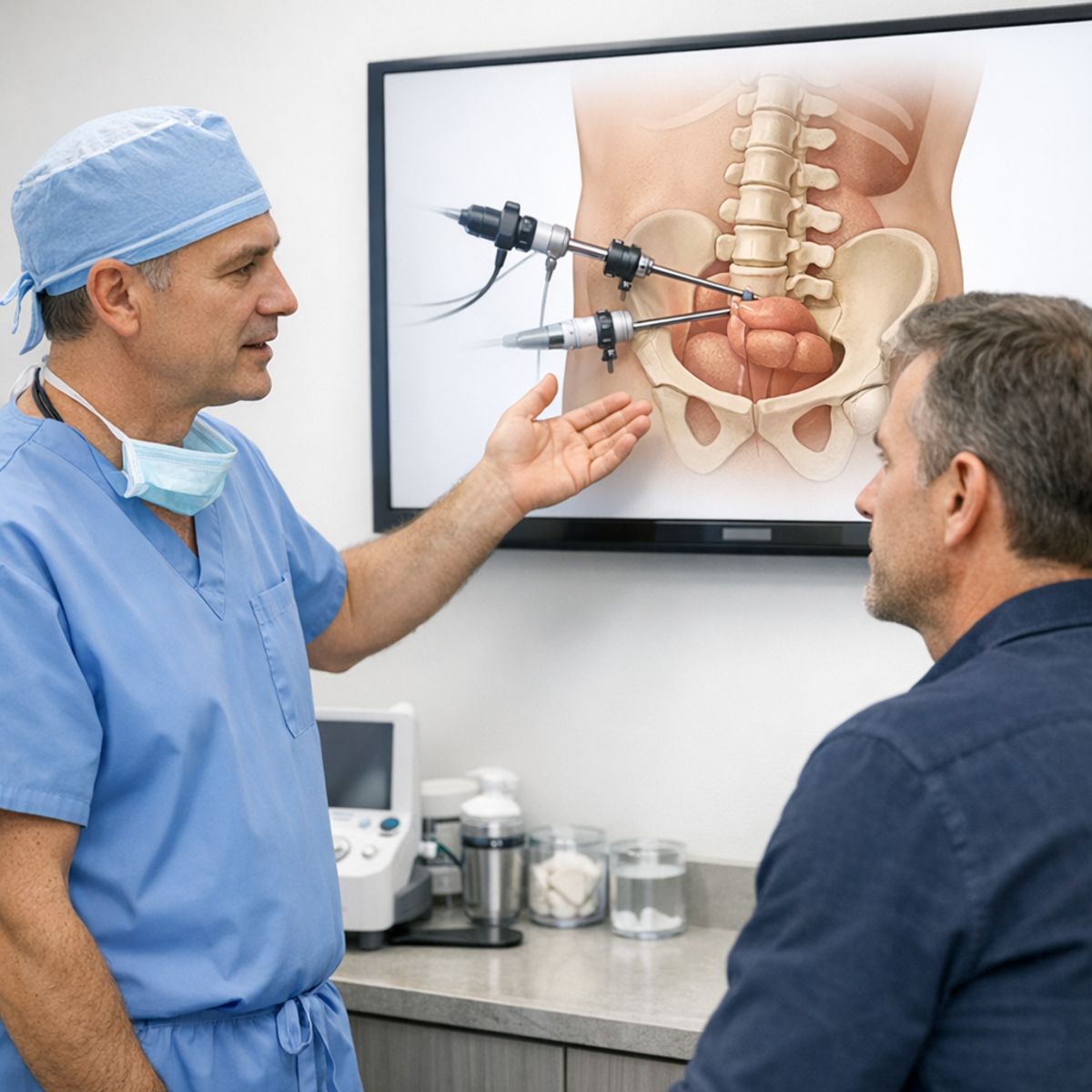
Most fundoplication procedures are done laparoscopically, which means the surgeon works through several small incisions using specialized instruments and a camera. This minimally invasive approach is designed to reduce tissue disruption and support recovery compared with larger open incisions. If a hiatal hernia is present, it is often repaired during the same operation. The surgeon then creates the fundoplication by wrapping the upper part of the stomach around the lower esophagus to help reinforce the valve mechanism that limits reflux. The exact wrap style and surgical details depend on your anatomy and treatment goals.
Although patients are asleep during the procedure, the surgical team continuously tracks breathing, heart rate, blood pressure, and other key measures. This part of the journey is highly structured and safety-focused, with each step intended to support both symptom relief and a smooth immediate recovery.
Step 3: Immediate recovery and discharge planning
After surgery, you are moved to a recovery area where nurses monitor you as anesthesia wears off. It is normal to feel groggy, have a sore throat, or notice mild discomfort in the abdomen or shoulders. Your team will provide pain control and watch for nausea, breathing comfort, and early swallowing tolerance. Many patients begin with small sips of liquid before advancing gradually according to the surgeon’s instructions.
Early walking is often encouraged because it supports circulation and helps recovery. Before discharge, the team reviews what to eat and drink, how to take medications, what activity limits to follow, and which symptoms should prompt a call. Some patients go home the same day, while others stay overnight for observation. Follow-up instructions are individualized, so your short-term recovery plan may differ from someone else’s even when the procedure itself is similar.
Nissen Fundoplication vs Medication and Other Reflux Procedures
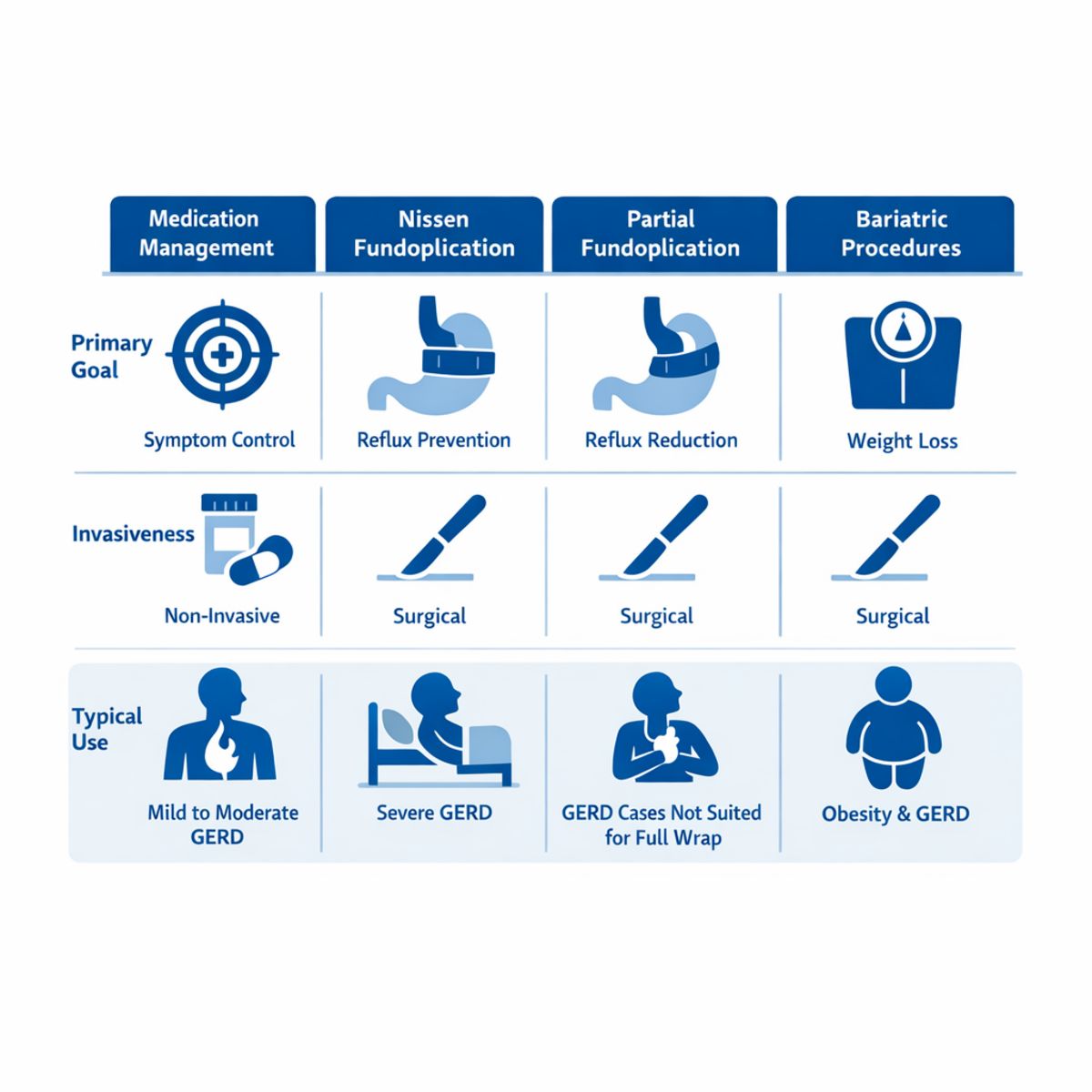
For many people with reflux, treatment does not start with surgery. Acid-suppressing medication, diet changes, weight management, meal timing, and avoiding personal trigger foods may continue to be appropriate when symptoms are controlled and complications are limited. Surgery may be considered when symptoms persist despite treatment, when medication is not well tolerated, or when testing suggests anatomy such as a hiatal hernia is playing a major role. The right path depends on evaluation, symptom pattern, and long-term goals rather than a one-size-fits-all approach.
Medication and lifestyle changes vs surgery
Medication management focuses on reducing acid exposure and easing symptoms, while lifestyle measures aim to lower reflux triggers. Nissen fundoplication is different because it is a procedural option designed to reinforce the barrier between the stomach and esophagus. Some patients may prefer continued medical therapy, while others may consider surgery if they want an alternative to ongoing acid suppression or have reflux that remains difficult to control. In some cases, a full wrap is not the only surgical discussion. Depending on swallowing function, esophageal motility, and anatomy, partial fundoplication or other anti-reflux approaches may also be considered.
How reflux surgery differs from weight loss procedures
It is also important to separate reflux surgery from bariatric procedures. Gastric balloon, gastric sleeve surgery treatment overview, and gastric bypass benefits risks and alternatives are weight loss interventions with different indications and goals. While reflux may be part of a broader digestive or obesity-related discussion, these procedures are not interchangeable with fundoplication, and a gastric balloon should not be viewed as a direct GERD treatment. Bariatric surgery may affect reflux differently depending on the procedure, but candidacy is based on a separate evaluation centered on weight-related health needs.
In short, medication, lifestyle changes, fundoplication, partial wraps, and bariatric procedures each serve different roles. A careful workup helps clarify which option may fit best for a given patient.
Risks, Recovery Timeline, and Cost Considerations
It is important to approach this procedure with a clear understanding of both benefits and tradeoffs. Short-term issues after surgery can include temporary swallowing difficulty, bloating, shoulder discomfort, fatigue, and a staged diet that progresses from liquids to softer foods before regular meals. These symptoms are often part of early healing, but they should still be reviewed with your surgical team if they feel severe, persistent, or unexpected.
Common side effects and possible complications
As with any abdominal operation, there are potential complications. Some patients may experience gas-bloat symptoms, trouble belching, recurrent reflux, or changes in how food moves through the esophagus and stomach. In some cases, the wrap can loosen over time or symptoms can return, which may lead to further testing or a revision surgery evaluation and options. More serious concerns, while less common, can include infection, bleeding, injury to nearby structures, or problems that require urgent medical attention. Recovery and complication risk vary based on overall health, anatomy, and what the surgeon finds during the procedure.
Recovery is usually measured in stages over days to weeks rather than a single fixed timeline. Many people are up and walking soon after surgery, but returning to work, exercise, and normal eating depends on surgeon guidance, healing progress, and the type of activity involved. Follow-up visits help track diet progression, symptom control, and whether recovery is moving in the right direction.
What can affect overall cost
Cost can vary for several reasons, including the surgeon’s fee, facility charges, anesthesia, pre-operative testing, imaging or endoscopy, and post-operative follow-up care. Insurance coverage also differs, and approval may depend on medical necessity criteria, prior treatment history, and plan-specific requirements. Rather than focusing on a single number, it is usually more helpful to ask for a detailed estimate that reflects your evaluation, surgical plan, and expected aftercare.

Related Digestive Terms Patients Often Encounter
Quick glossary
Emesis is the medical term for vomiting. It describes a symptom, not a specific diagnosis.
Ostomy refers to a surgically created opening that allows waste to leave the body through the abdominal wall. It is a separate concept from standard fundoplication and is not part of routine reflux surgery.
Gastric ulceration ICD-10 refers to a medical billing and diagnostic coding category. It helps document conditions for records and insurance purposes, but it is not a treatment itself.
Rapid gastric emptying and slow gastric emptying are motility-related issues, meaning they involve how quickly food moves through the stomach. If these are suspected, they may need separate evaluation because they are different from reflux alone.
Frequently Asked Questions About Nissen Fundoplication Surgery
Is nissen fundoplication surgery a permanent cure for GERD?
Many patients have major relief from reflux symptoms after surgery, but it is not usually described as a guaranteed permanent cure. Long-term results can vary based on anatomy, healing, and other health factors. Some people still need follow-up, lifestyle changes, or medication over time.
How long does recovery usually take?
Early recovery often takes a few weeks, though full recovery may take longer depending on the procedure and the patient’s overall condition. Many patients follow a staged diet and gradually return to normal activity. Exact timing should come from the surgeon, since lifting, exercise, and swallowing symptoms can vary.
Is an upper endoscopy procedure always required?
Testing before fundoplication is individualized. An upper endoscopy is commonly part of the workup because it can help evaluate inflammation, a hiatal hernia, or other upper digestive tract findings. However, the exact testing plan depends on the surgeon’s evaluation and may also include pH testing or esophageal motility studies.
Can it be done with hiatal hernia repair?
Yes, in many cases a hiatal hernia is evaluated and repaired at the same time as fundoplication when appropriate. This is common because the hernia can contribute to reflux symptoms. Whether both procedures are recommended depends on imaging, endoscopy findings, symptoms, and the surgeon’s judgment.
When should I call my surgeon after surgery?
Patients are often told to call promptly for fever, worsening pain, trouble breathing, chest pain, persistent vomiting, inability to swallow liquids, signs of dehydration, or redness and drainage at incision sites. The exact instructions may differ, so it is important to follow the discharge guidance given by the surgical team.
Can reflux return later on?
Yes, reflux can return in some patients months or years later. Recurrence may relate to healing, changes in anatomy, hernia recurrence, or other long-term factors. If symptoms come back, follow-up evaluation can help determine whether medication, testing, or another treatment approach is appropriate.
When to Take the Next Step
If you have ongoing reflux, frequent regurgitation, trouble swallowing, or questions about a hiatal hernia, it may be time to get a professional evaluation. Persistent or more complex symptoms can have more than one cause, and the best next step depends on the full picture rather than symptoms alone.
Treatment recommendations are typically based on your symptoms, prior response to medication, test results, anatomy, and overall health. In some cases, lifestyle changes or medical therapy may still be appropriate. In others, additional testing or a discussion about procedural or surgical options may help clarify the right path forward.
West Medical offers a place to discuss digestive and surgical care pathways where appropriate, with guidance tailored to your situation. If surgery has been recommended elsewhere or your symptoms are not improving, a specialist visit can help you better understand your options.
Talk with a specialist about your symptoms
If you are ready for individualized evaluation, the next step is to request an appointment and review what may make sense for your needs.
Key Takeaways on Nissen Fundoplication Surgery
Nissen fundoplication is a surgical treatment used to help control reflux when symptoms are significant and other approaches have not provided enough relief. It may be most appropriate for carefully selected patients, but it is not the right choice for everyone.
A thorough evaluation matters. Testing helps clarify whether reflux is truly the cause of symptoms, how well the esophagus is working, and whether surgery is likely to help. That workup is an important part of setting realistic expectations for both symptom improvement and recovery.
Most importantly, treatment decisions should be individualized. The best next step is a thoughtful discussion with a qualified clinician who can review symptoms, test results, and overall health to guide the safest and most appropriate plan.