

A therapeutic procedure can describe many different medical treatments, so this guide focuses specifically on sclerotherapy for vein concerns. If you are researching what this treatment involves, whether walking or exercise after sclerotherapy is allowed, and what recovery may look like, this introduction is designed to set clear expectations in a practical, reassuring way.
Sclerotherapy is commonly used to treat certain spider veins and small varicose veins by placing a medical solution into the targeted vein so it can gradually close and be reabsorbed by the body. In the sections that follow, you will learn what sclerotherapy treats, how the procedure works, what activity guidance may be recommended, what recovery can involve, possible risks, and when it may be important to contact a clinician.
Because every patient’s vein condition, health history, and goals are different, results and candidacy should always be discussed through a medical evaluation. This article is meant to help you understand the treatment in context, not replace individualized advice from a qualified professional.
Why this guide focuses on sclerotherapy
Many people begin with a broad search term, but what they often need is a straightforward explanation of one specific vein treatment and its recovery considerations. By narrowing the topic to sclerotherapy, this guide can answer common questions more clearly and help you understand what to expect before discussing next steps with a clinician.
What Sclerotherapy Is and What It Treats
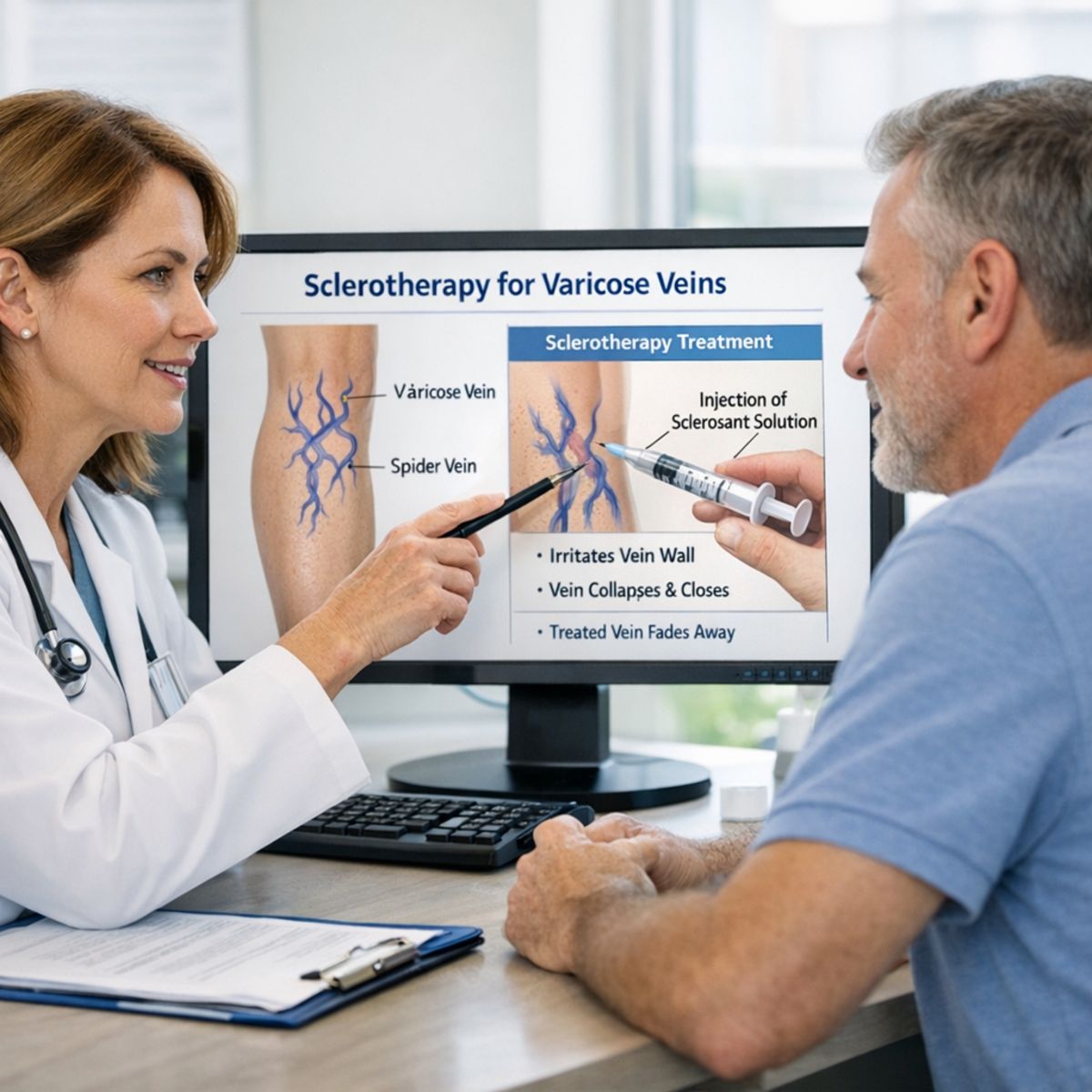
Sclerotherapy is an injection-based vein treatment used to close targeted veins from the inside. During the procedure, a clinician injects a solution into the vein, which irritates the vein lining so it collapses, seals shut, and is gradually reabsorbed by the body over time. In plain language, sclerotherapy treats certain visible problem veins by causing them to fade after the body stops using that vein for blood flow.
It is most commonly used for spider veins and some smaller varicose veins. Treatment plans are not one-size-fits-all, because the best approach depends on vein size, symptoms, anatomy, and the clinician’s assessment. Some people are mainly focused on appearance, while others are also hoping to reduce discomfort linked to surface veins. If supportive care is part of the plan, a clinician may also discuss compression therapy for varicose veins.
Terminology can vary, and some patients may hear terms like electro sclerotherapy, but it is important to confirm the exact technique being used with the treating clinician. It is also realistic to expect that more than one session may be needed, and results can vary from person to person.
Which vein concerns it may help
Sclerotherapy may help with spider veins, which are very small red, blue, or purple surface veins, and with reticular veins, which are slightly larger bluish veins under the skin. It may also be used for selected smaller varicose veins. However, larger or deeper vein disease may require a different evaluation and treatment approach. That is why a proper exam matters before assuming any visible vein can be treated the same way.
Cosmetic and symptom-relief goals
Treatment goals can be cosmetic, medical, or both. Some patients want smoother-looking skin with less visible vein discoloration. Others may hope for relief from aching, heaviness, burning, or irritation associated with certain vein patterns. Even so, the goal is improvement rather than a guaranteed perfect result, and the outcome depends on the type of veins being treated and whether there is an underlying vein issue contributing to symptoms.
Why Patients Consider Sclerotherapy
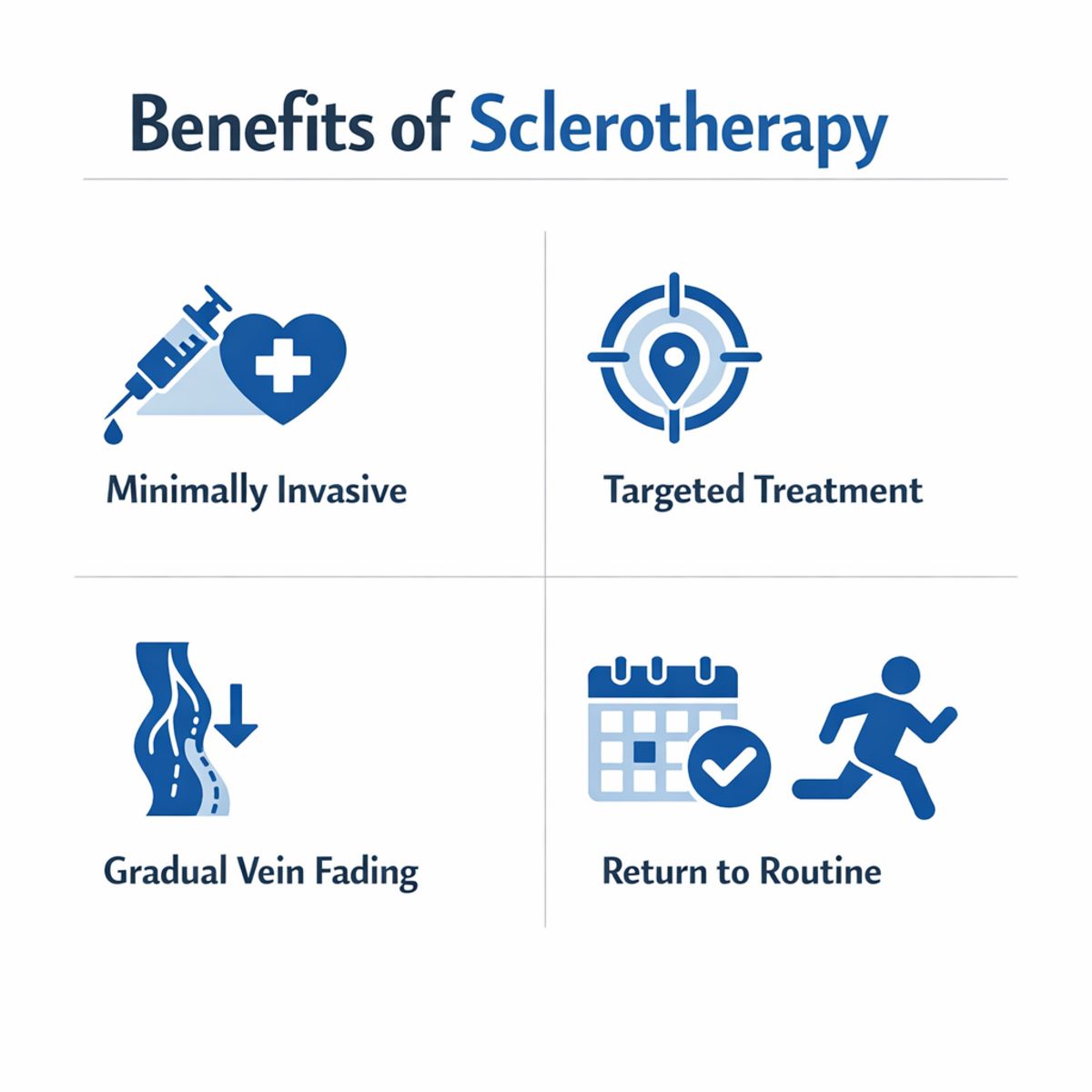
Many patients consider sclerotherapy because it is a minimally invasive, office-based treatment that can often fit into a normal schedule. Unlike procedures that involve large incisions, this approach is typically performed through small needle injections, which is one reason some people view it as a practical option when appropriate. For many patients, recovery is relatively manageable, and light walking or a gradual return to routine activities may be possible soon after treatment, depending on the treatment plan and clinician guidance.
Convenience and recovery considerations
Convenience is a common reason patients ask about this treatment, but expectations should stay realistic. Visible veins do not always fade immediately, and improvement can take time as the body gradually responds. Some patients need staged treatment over more than one visit, especially when multiple veins or different vein types are involved. Aftercare also matters. Compression, walking, and following recovery instructions can play an important role in the overall process, including exercise and recovery planning for those returning to normal routines.
Appearance and comfort improvements
Patients may also consider sclerotherapy for appearance-related concerns or symptoms associated with certain veins. In appropriate cases, treatment may help reduce the look of visible spider veins or small varicose veins, and some patients may notice improvement in discomfort such as aching, heaviness, or irritation. Results are not guaranteed and can vary based on vein size, vein type, overall circulation, and how closely aftercare is followed. A proper evaluation helps determine whether sclerotherapy is a suitable option and what kind of outcome may be reasonable to expect.
How the Procedure Works From Evaluation to Follow-Up
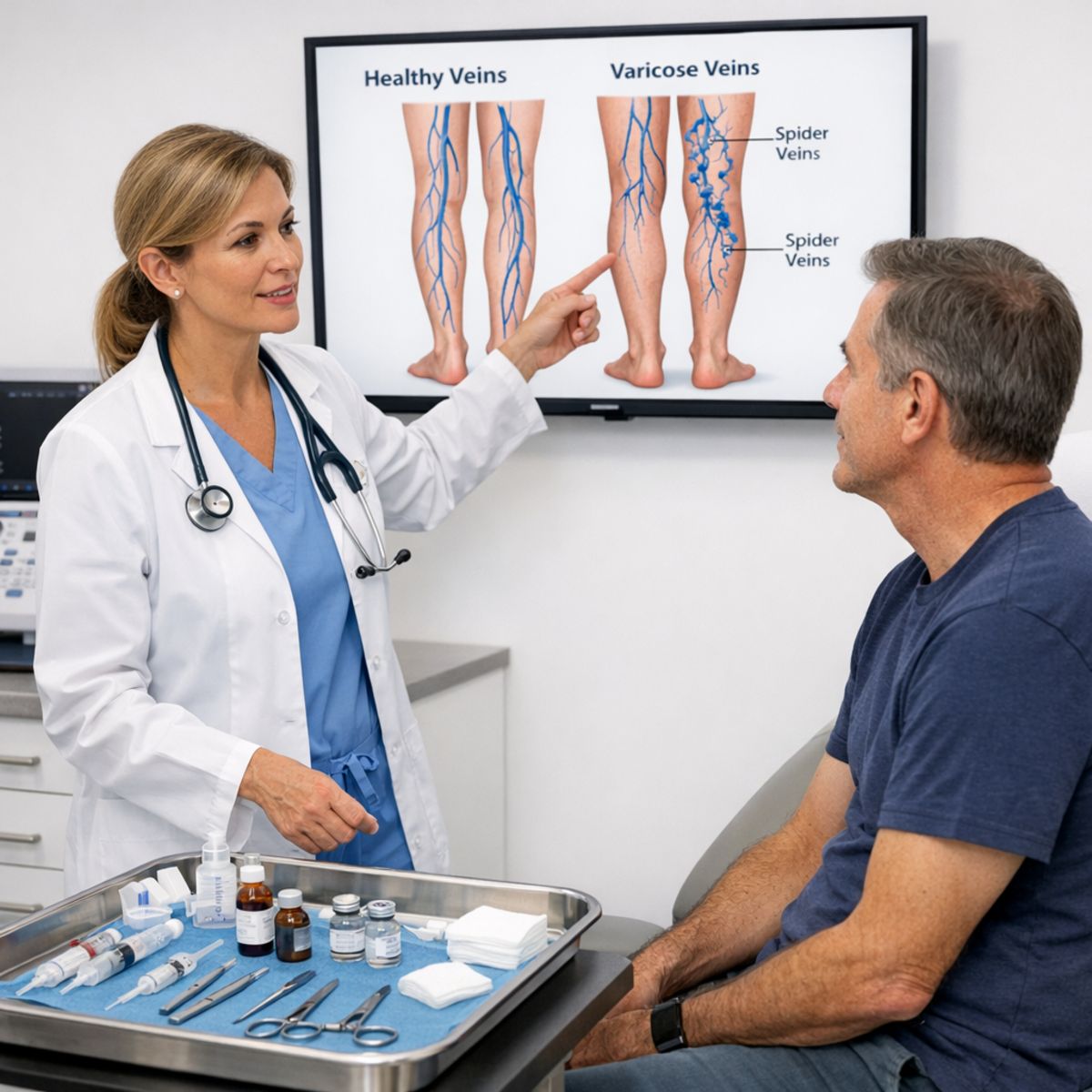
Knowing what happens before, during, and after treatment can make the visit feel much more manageable. Sclerotherapy is typically planned as an office-based procedure, and the process usually begins with an evaluation to confirm that the visible veins and symptoms match the treatment approach your clinician recommends.
Before the appointment
At the consultation, the clinician generally reviews your medical history, current symptoms, and any prior vein treatment. They may ask about aching, burning, swelling, heaviness, or cosmetic concerns, and they will examine the veins to understand their size, location, and pattern. In some cases, a physical exam is enough to guide treatment. In others, additional imaging such as ultrasound may be recommended to look for deeper vein issues or to decide whether another treatment would be a better fit. For example, if larger underlying veins are involved, your provider may discuss alternatives such as radiofrequency ablation for varicose veins.
During the procedure
On treatment day, the area is usually cleansed first. The clinician then uses a very small needle to inject a solution into the targeted veins. The goal is to treat the selected vein so the body can gradually reabsorb it over time. Patients often describe the sensation as a brief pinch, mild stinging, or temporary pressure, though experiences vary. The visit is usually straightforward and does not require a long recovery period in the office. After the injections, the team may observe you briefly and review aftercare instructions before you leave.
Immediately after treatment
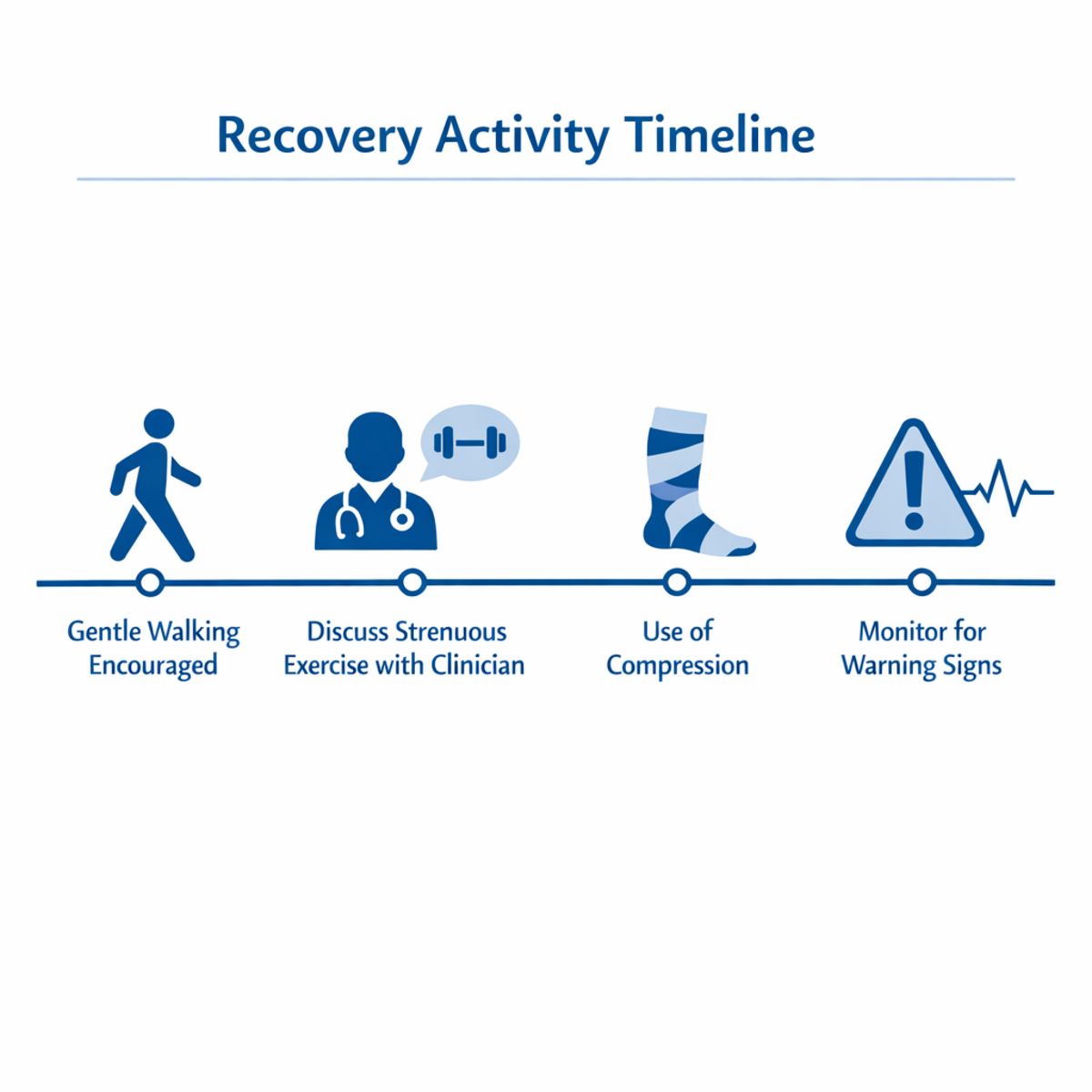
Many patients are encouraged to walk soon after the procedure, since light movement may be part of normal aftercare. Compression stockings or other compression garments are often recommended for a period of time, depending on the veins treated and your clinician’s plan. Following those instructions closely is important, as is attending follow-up visits if they are advised. These visits help the office assess healing, determine whether additional sessions are needed, and answer any questions that come up after treatment.
It is also helpful to know that some short-term effects can be normal after sclerotherapy. Mild bruising, tenderness, redness, or temporary discoloration along the treated vein may occur. Small areas of firmness can also develop as the vein changes over time. Your clinician should explain what is expected in your case, what symptoms should improve with time, and when to call the office if something does not seem right.
If you have questions about billing or paperwork, including cpt sclerotherapy coding, those details are administrative and should be confirmed directly with the treating office or your insurer.
How to Approach Exercise After Sclerotherapy
A common question after treatment is when it is safe to resume exercise after sclerotherapy. In many cases, gentle movement is encouraged soon after the procedure, but more intense activity may need to be postponed based on your clinician’s instructions. The key is to think in terms of light circulation-supporting movement versus workouts that place more pressure, heat, or strain on the treated veins.
Activities often encouraged
For many patients, walking is one of the most commonly recommended forms of post sclerotherapy exercise. Short, easy walks can help support circulation without placing excessive stress on the treatment area. Light daily movement, such as normal household activity or easy errands, may also be appropriate when it feels comfortable and aligns with your aftercare plan. This is why people often hear that sclerotherapy exercise after treatment should start with simple, low-impact activity rather than a fast return to full workouts.
That said, “light activity” should still be guided by your provider’s recommendations. If you were treated for multiple veins, have significant tenderness, or were given compression instructions, your plan may differ from someone else’s.
Activities that may need to wait
Higher-impact or more demanding exercise after sclerotherapy may need to be limited for a period recommended by your treating clinician. Examples often include running, heavy lifting, intense lower-body strength training, vigorous gym sessions, hot yoga, and other heat-heavy workouts. These activities can increase pressure in the legs, raise body temperature, and potentially contribute to more discomfort, bruising, or irritation in treated areas if resumed too quickly.
If you are unsure whether a specific workout counts as too strenuous, it is best to ask before restarting it. This is especially important if your routine includes squats, lunges, cycling intervals, long-distance running, or anything that leaves your legs feeling heavily taxed.
Why exercise guidance is individualized
There is no single universal timeline for post sclerotherapy exercise because recovery recommendations can vary. Your guidance may depend on the type and number of veins treated, how extensive the session was, whether compression stockings were advised, your overall health, and your history of vein symptoms. Someone returning to casual walks may have a different plan than someone eager to resume competitive training.
The safest approach is to follow your personalized aftercare instructions closely and use them as your main reference point. If you are also dealing with vein concerns related to life stages such as pregnancy, this varicose veins in pregnancy relief guide may be helpful for broader context. When in doubt, choose caution and check with your treating clinician before increasing intensity.
How Sclerotherapy Compares With Other Vein Treatment Options
Sclerotherapy is often used for smaller visible veins, especially spider veins and some small reticular veins. It works differently from other vein treatments, so it is not always the best fit for every concern. The right choice depends on vein size, symptoms, anatomy, and whether there is underlying venous insufficiency contributing to what you see on the surface.
Smaller visible veins versus larger underlying vein issues
For cosmetic or mildly bothersome small surface veins, sclerotherapy may be recommended because it targets those vessels directly. Compression therapy, by contrast, is often used for symptom support and may help with swelling or discomfort, but it does not remove visible veins in the same way. Laser treatment is sometimes best for certain very small superficial vessels, particularly when the veins are fine or located in areas where injections may be less ideal. If you want to learn more about that option, see this laser for broken capillaries guide.
When the issue involves larger varicose veins or deeper refluxing veins, sclerotherapy may not be the primary treatment. In those cases, procedures that address the underlying source, such as radiofrequency ablation treatment overview, may be recommended when appropriate. Treating the larger problem first can improve both symptoms and the appearance of smaller veins over time.
Why a vein evaluation matters first
A professional evaluation helps determine why veins are visible and which treatment is best for your goals. Symptoms like heaviness, aching, swelling, or leg fatigue may point to a different plan than appearance alone suggests. Ultrasound findings can also show whether there is venous insufficiency that should be addressed before treating surface veins. Rather than self-selecting a treatment based only on what is visible, it is usually more helpful to ask which option fits your vein type, whether an underlying issue is present, and what results are realistic for your situation.
Cost, Coverage, and Practical Planning Questions
Cost for vein treatment can vary based on the number of veins treated, the size of the treatment area, how many sessions are recommended, and whether an evaluation or follow-up visit is needed. Because treatment plans are individualized, exact pricing is usually best confirmed after a clinical assessment.
Insurance coverage can also vary. In some cases, coverage may depend on whether treatment is considered medically necessary rather than cosmetic, along with the details of the specific health plan and any documentation requirements. It is important not to assume approval, benefits, or reimbursement until those details are verified directly.
Questions about coding and billing, including searches related to cpt sclerotherapy, should be confirmed with the treating office and the insurer so the information matches the planned service. If you are comparing options, it may also help to review related treatments such as radiofrequency ablation for spider veins.
What can affect treatment cost
- Number of veins or treatment areas involved
- Whether one session or multiple sessions are recommended
- Need for consultation, imaging, or additional evaluation
- Follow-up care based on the response to treatment
A practical next step is to ask the office for a personalized estimate and a clear explanation of what is included, then confirm any coverage questions with your insurer before treatment is scheduled.
Recovery, Side Effects, and When to Seek Medical Advice
Recovery after sclerotherapy can vary, and mild short-term effects are fairly common. Treated areas may develop bruising, mild swelling, tenderness, itching, or temporary skin discoloration near the injected veins. These reactions can happen as the vein responds to treatment and may settle gradually over days to weeks, though your clinician may continue to monitor healing based on your individual case.
Common short-term effects
Many people are able to resume light routine activities, but that does not mean there is no recovery period. Some soreness, tightness, or visible changes in the treated vein can occur and should be understood as part of normal healing in many cases. Outcomes may depend on your overall health, vein anatomy, the size and location of the veins treated, and how closely aftercare instructions are followed.
Signs that deserve a call to your clinician
More significant symptoms should be reviewed promptly with a qualified clinician. Examples can include marked swelling, worsening pain rather than gradual improvement, unusual skin changes, or anything that feels out of proportion to the guidance you were given after treatment. If you are unsure whether a symptom is expected, it is safest to ask your treating team for advice.
It is also worth noting that searches such as side effects of physical therapy or long-term side effects of physiotherapy refer to different forms of care and are not the same as sclerotherapy. For a broader overview, see this benefits risks and recovery guide. As with any medical treatment, questions about side effects, recovery, and suitability should be discussed with a qualified clinician.

Frequently Asked Questions About Sclerotherapy
Is sclerotherapy painful?
Many patients describe sclerotherapy as causing brief stinging, burning, or mild cramping during the injections. Comfort levels vary by person and by the veins being treated, so your clinician can explain what to expect in your case.
How soon can I exercise after sclerotherapy?
Light walking is often encouraged soon after treatment. More strenuous exercise may need to wait, depending on your aftercare plan and the areas treated.
How many sessions might I need?
The number of sessions depends on how many veins are being treated, their size, and your treatment goals. Some people need only limited treatment, while others may benefit from more than one session.
Do I need to wear compression stockings after treatment?
Many patients are advised to wear compression stockings or similar garments for a period after sclerotherapy. Following your clinician’s instructions can be an important part of aftercare.
When will I see results?
Results are usually gradual rather than immediate. Treated veins may start to fade over several weeks or longer, and timing can vary based on vein size and individual healing.
Who may not be a good candidate for sclerotherapy?
Candidacy depends on factors such as the type of vein being treated, medical history, pregnancy status, and circulation concerns. A clinician should evaluate whether sclerotherapy is appropriate and safe for you.
When It Makes Sense to Schedule a Consultation
If you have visible veins, leg discomfort, or questions about recovery and candidacy, a professional evaluation can help you understand your options. A consultation is a practical next step when you want guidance tailored to your symptoms, medical history, and goals.
The most appropriate treatment depends on a careful assessment rather than a one-size-fits-all approach. Getting personalized guidance can help you make an informed decision about what may be right for you.
Key Takeaways on This Therapeutic Procedure
Sclerotherapy is a targeted vein treatment designed to address specific vein concerns, and the right recovery plan depends on the individual, the veins treated, and the clinician’s instructions. Exercise after treatment should be approached thoughtfully, with activity levels guided by your treating provider rather than a one-size-fits-all timeline.
It is also important to remember that results vary from person to person. A proper evaluation helps clarify whether sclerotherapy is the best option, what kind of outcome to expect, and how to support recovery safely. If symptoms or cosmetic concerns continue, individualized medical guidance is the most reliable next step.
A balanced final perspective
A calm, informed approach matters most: follow your treatment plan, allow for individualized recovery, and rely on professional evaluation to decide the best path forward.